AR Smart Contact Lenses in 2026: Are Screens Finally Dead?
- Technology, Review, Hardware
- Exienent
- · Updated
AR smart contact lenses in 2026 are not a smartphone replacement—they are an impressive, sometimes overwhelming accessory. Hands-free navigation and floating notifications can feel like magic, but limited input options, 5 to 6 hours of battery life, and constant notifications keep the phone firmly in your pocket for now.
We have been promised the "death of the smartphone screen" for the better part of a decade. From clunky VR headsets to stylish but limited smart glasses, tech companies have tried hard to put digital information directly in front of our eyes. Most of those attempts were too heavy, too geeky, or simply uncomfortable to wear.
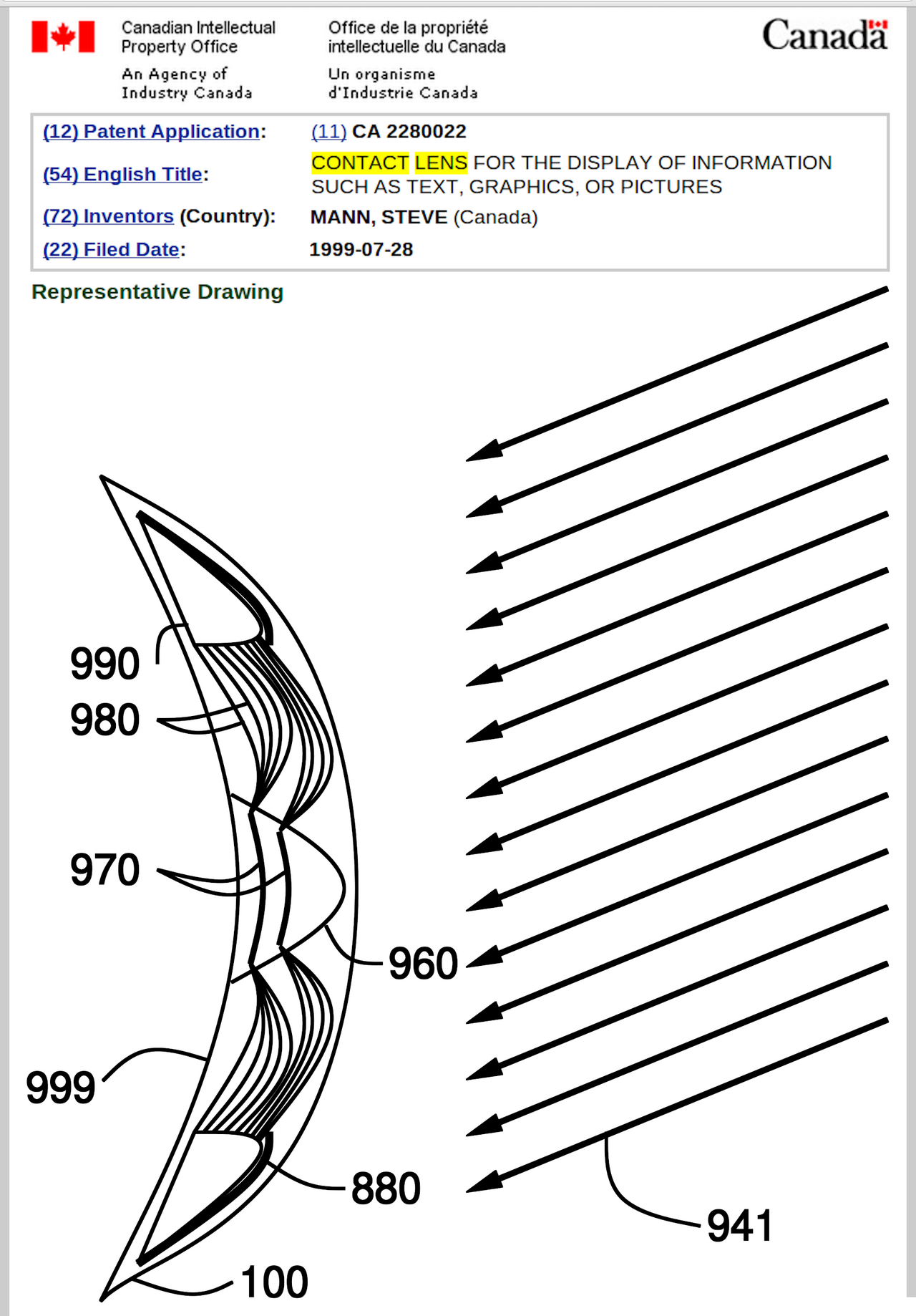
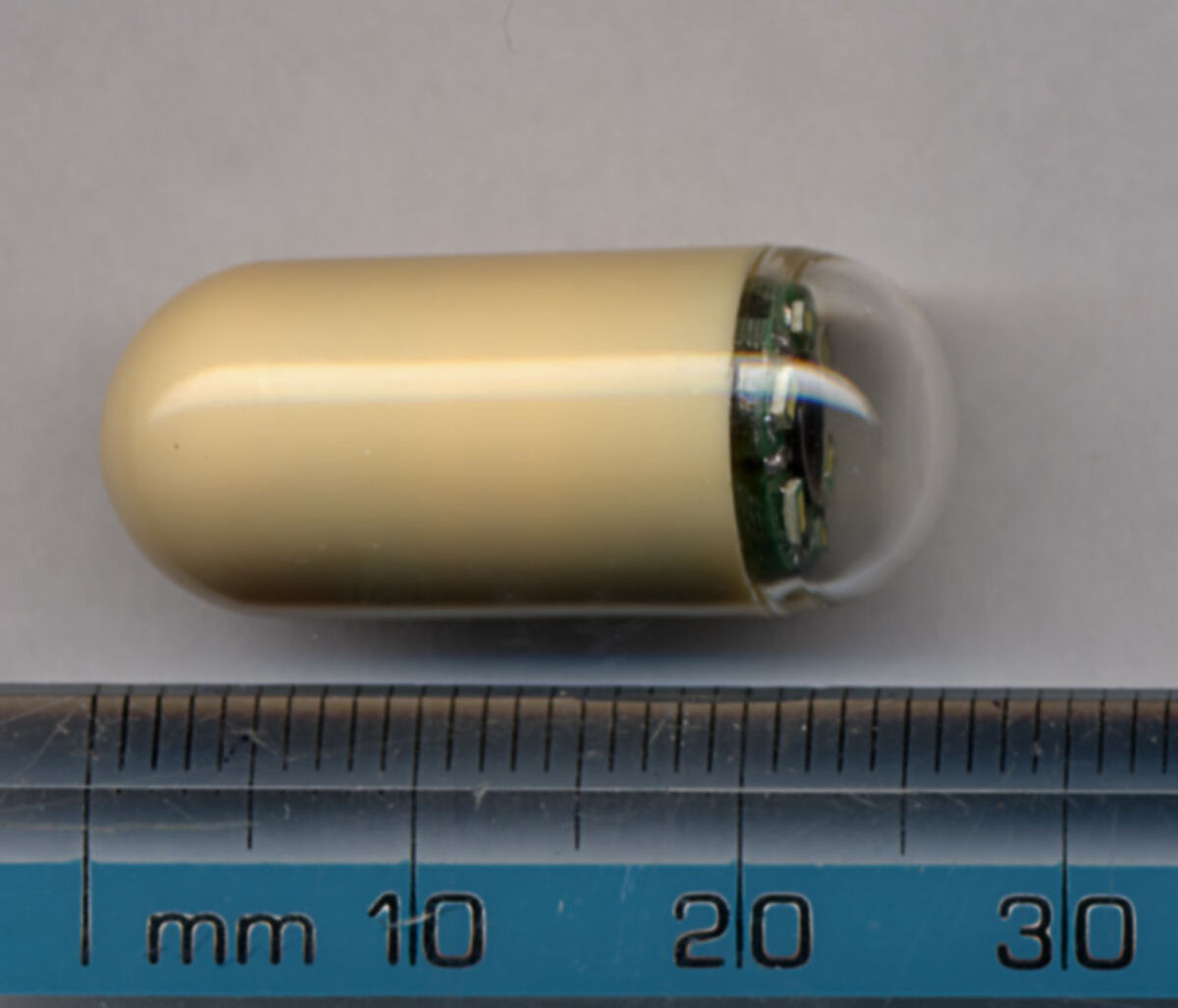
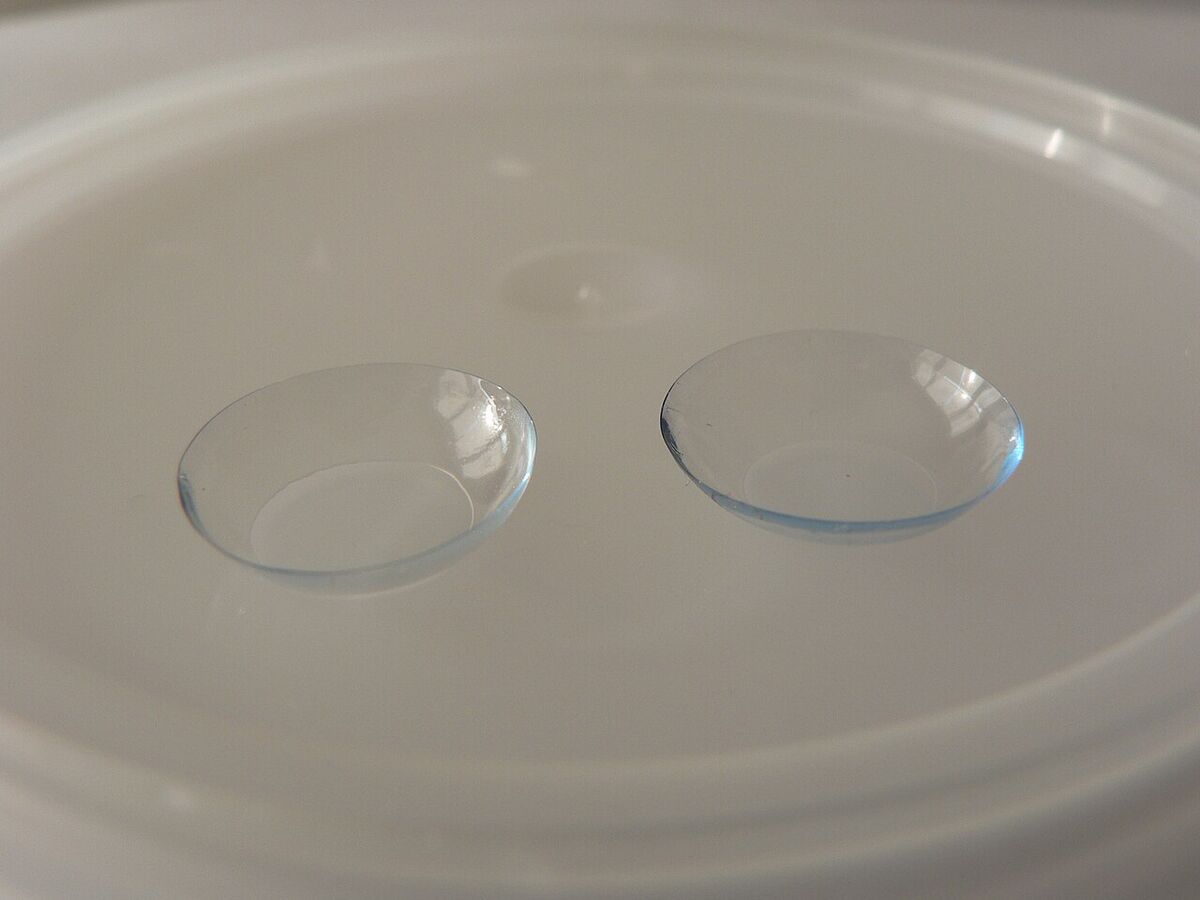
In 2026, the first genuinely consumer-grade Augmented Reality (AR) Smart Contact Lenses have hit the market. No heavy frames, no glowing screens—just a tiny, micro-LED equipped polymer disc that sits directly on your eyeball. So is wearing them a cyberpunk dream come true, or an ergonomic nightmare?
How Are AR Smart Contact Lenses Fitted and Worn?
Fitting is much like getting regular prescription lenses, except the optometrist also calibrates tiny wireless antennae and a microscopic display. The lenses are slightly thicker and firmer than standard soft contacts because they are scleral lenses, meaning they rest on the white part of your eye. Wearers may need some time to get used to the physical sensation.
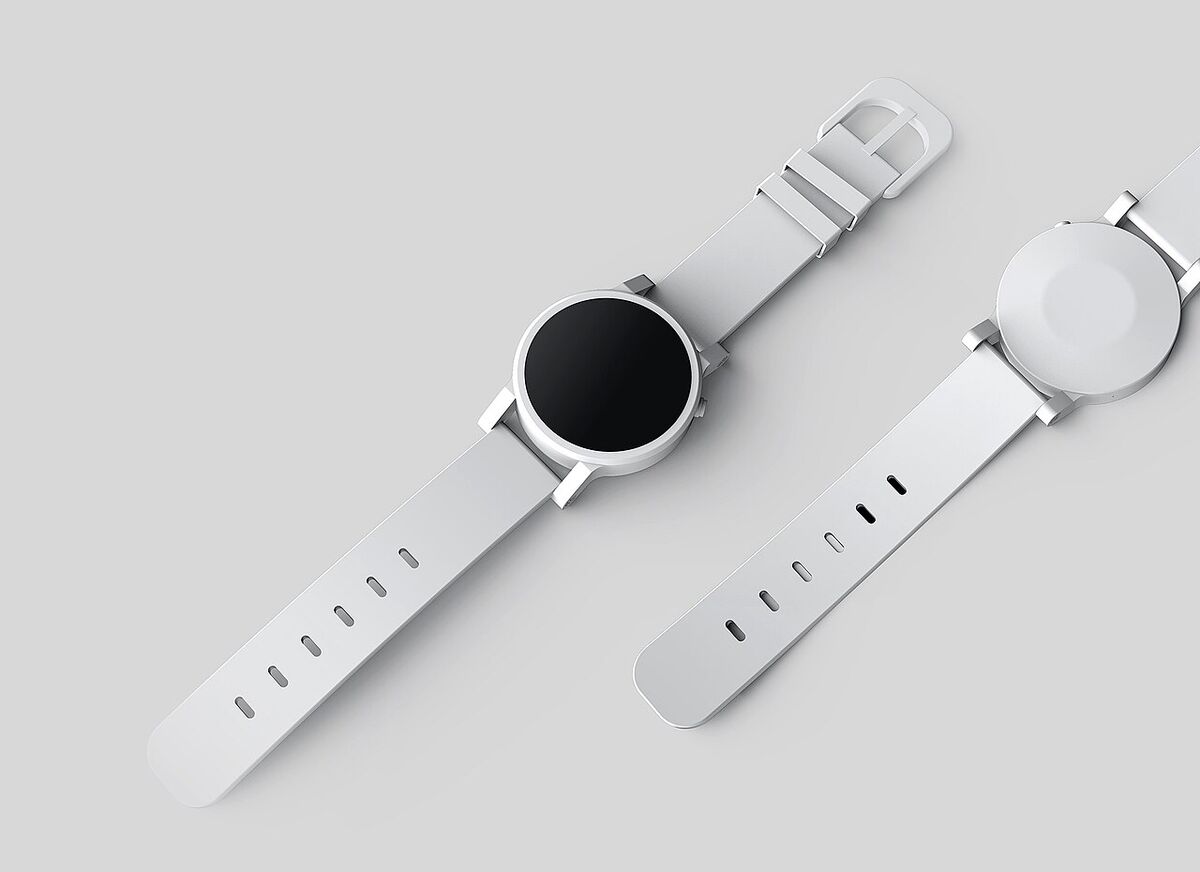
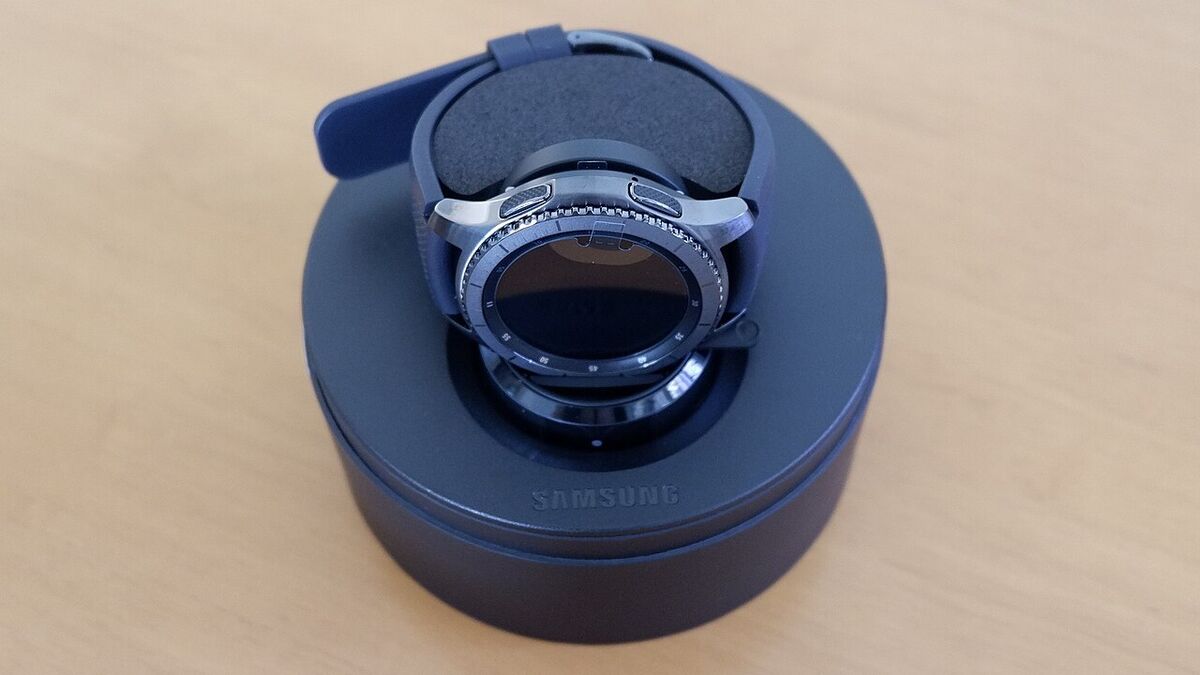
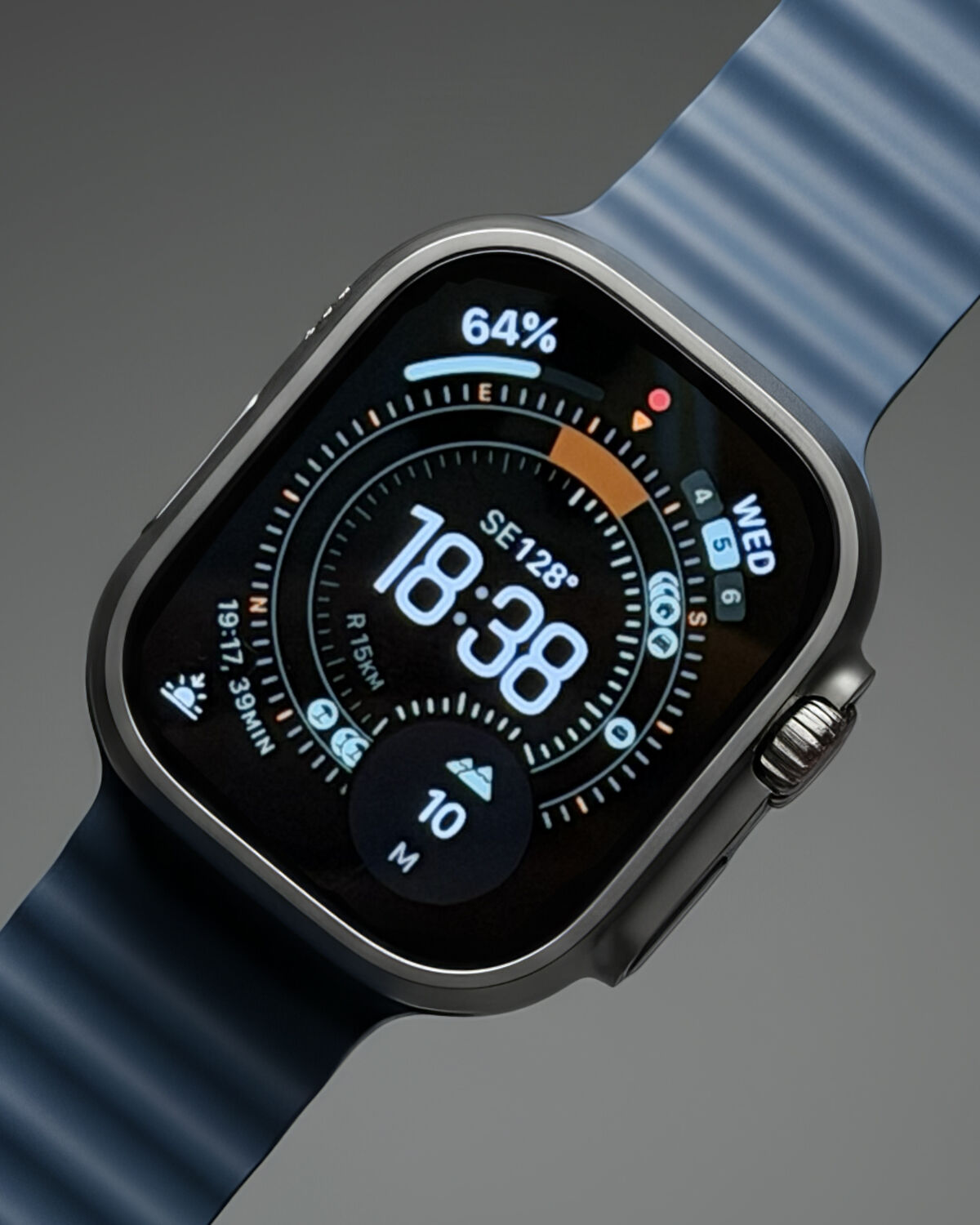
The lenses are switched on through a companion app on a smartwatch.
What Is It Like to See a Display on Your Eye?
The display is completely transparent when not in use, so it doesn't sit in your vision as a solid block. When a notification comes in, crisp, glowing text appears to float about three feet in front of you. Seeing a digital interface boot up directly over your vision for the first time can be genuinely startling.
The built-in GPS navigation is a highlight. Instead of staring down at a map while walking through a busy downtown area, you see subtle green arrows overlaid onto the pavement ahead. That makes navigation highly intuitive, and it means you can keep eye contact with people while glancing at a calendar in your peripheral vision. It can feel like having a superpower.
What Are the Downsides of AR Contact Lenses?
The biggest downside is that having the internet beamed directly into your eyes all day can be exhausting.
Notification fatigue is the first problem. When your phone buzzes in your pocket, you can choose to ignore it. When a text message appears over the face of the person you are having coffee with, ignoring it is far harder. Processing a real-world conversation while digital information fights for your attention can create a heavy cognitive load. Filtering notifications down to emergency calls and calendar alerts in the settings is one way to keep it manageable.
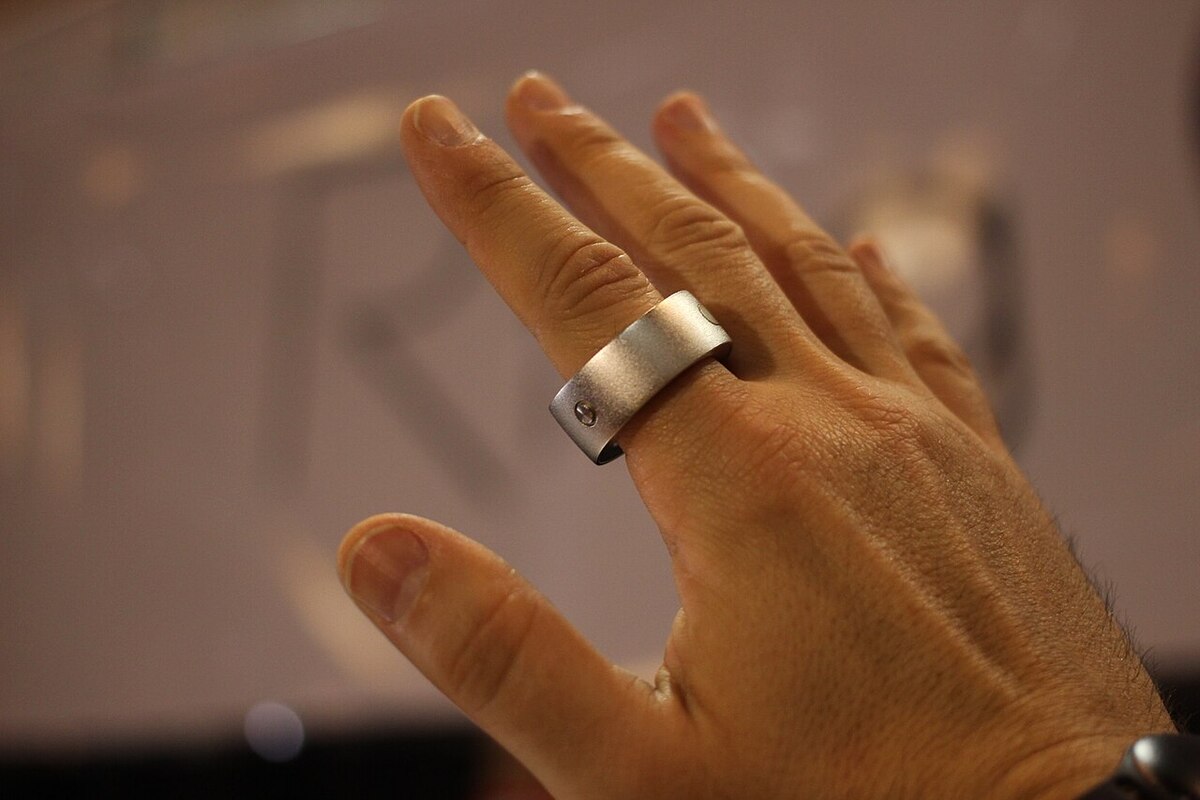
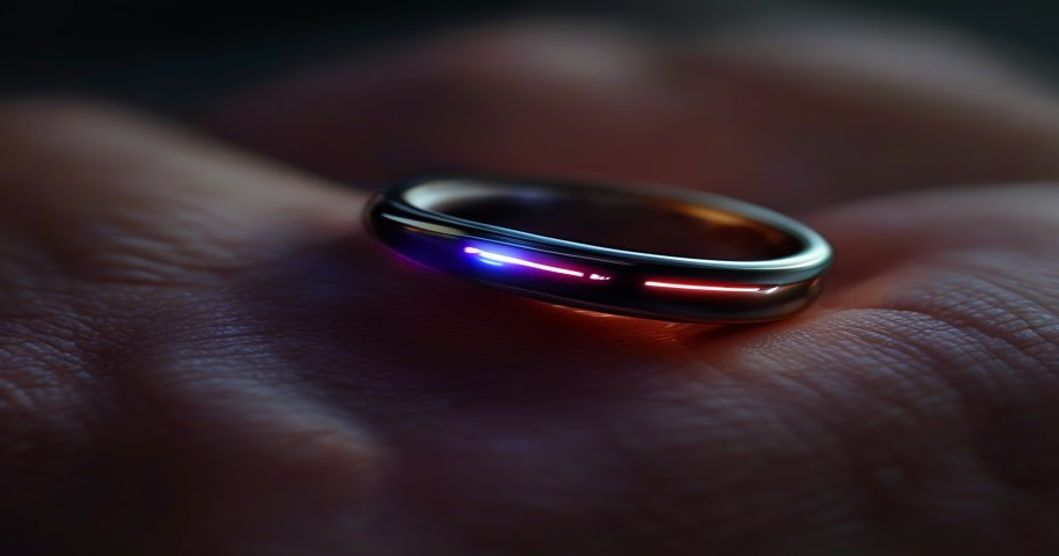
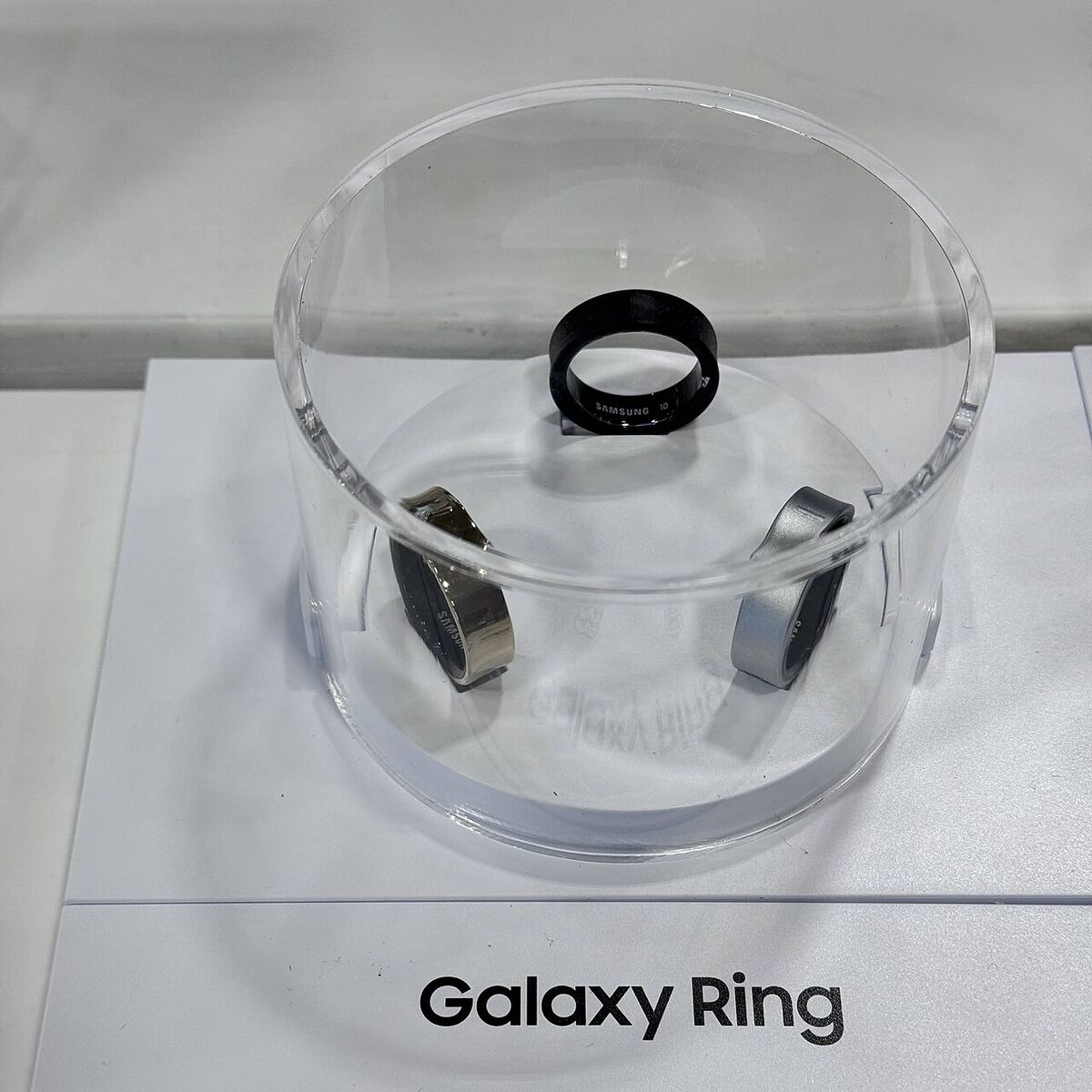
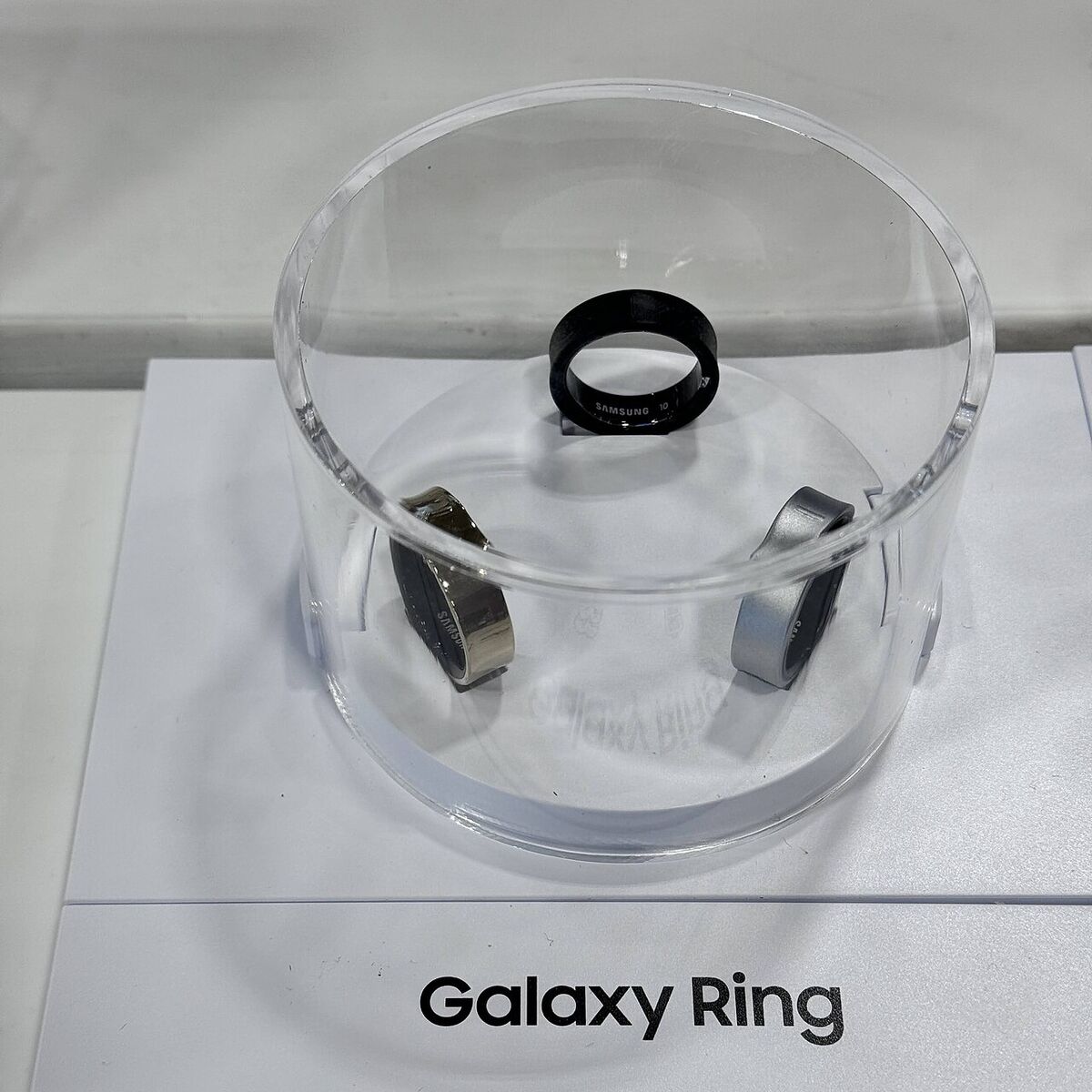
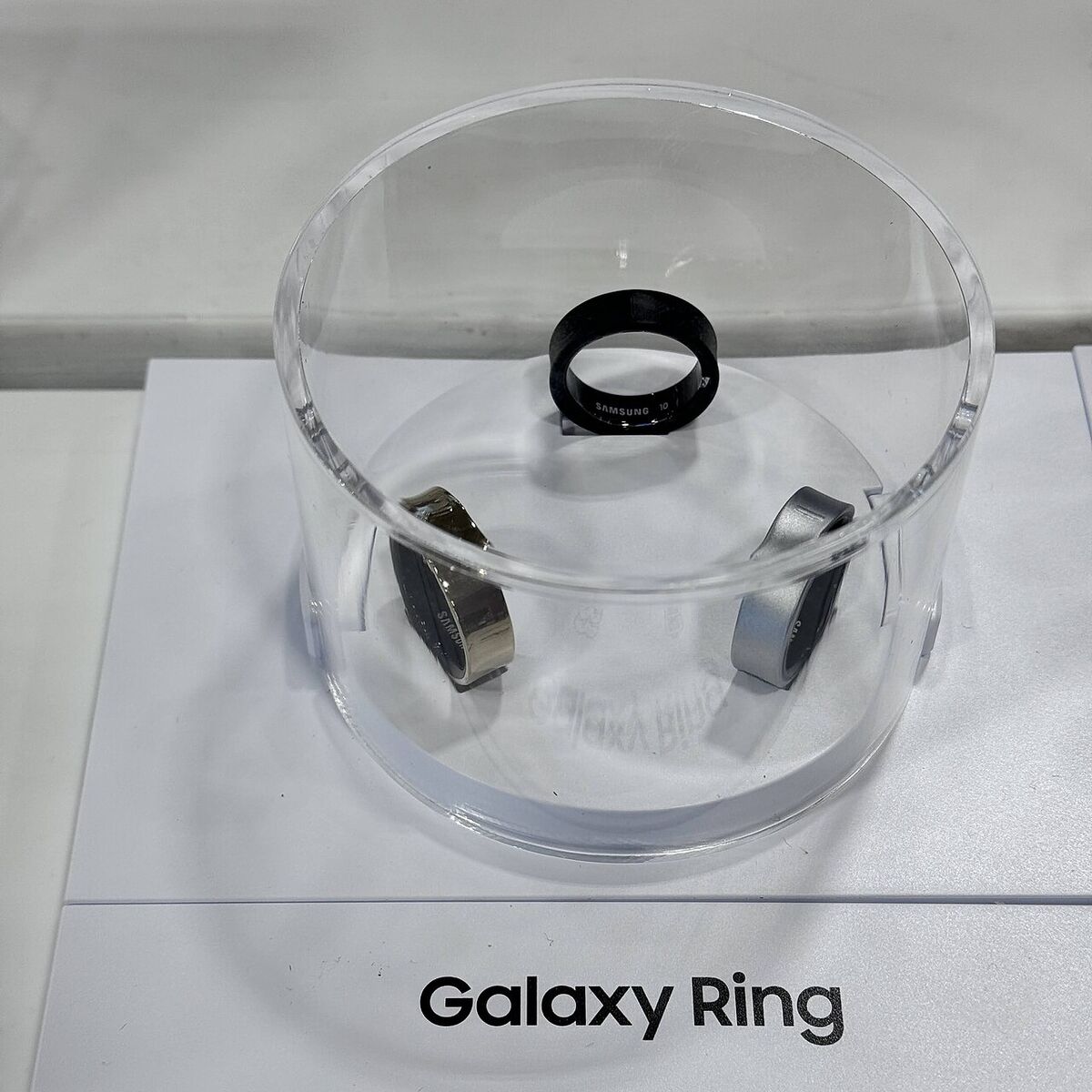
Input is the second problem. The lenses don't have built-in eye-tracking for clicking buttons (yet), so you still rely heavily on a smartwatch or a ring controller to "click" or swipe through the UI floating in your vision. Replying to texts in public with voice commands while staring into space can feel awkward and self-conscious.
Power management is the third. The microscopic solid-state batteries hidden in the outer ring of the lens last only about 5 to 6 hours of active use, so you have to take the lenses out and place them in their wireless charging case mid-day.
Can Smart Contact Lenses Replace Your Smartphone?
Not even close. Smart contact lenses in 2026 are an incredible, albeit overwhelming, accessory rather than a smartphone replacement. For specific use cases—hands-free navigation while cycling, real-time translation subtitles during a conversation, or referencing notes during a presentation—they feel like genuine magic.
For everything else, taking them out at the end of the day and returning to the quiet, un-augmented reality of your living room still has real appeal. Screens aren't dead yet, but for the first time, it is possible to see a future where they might be.