The Reality of 6G Networks in 2026: More Than Just Speed
- Technology, Review
- Exienent
- · Updated
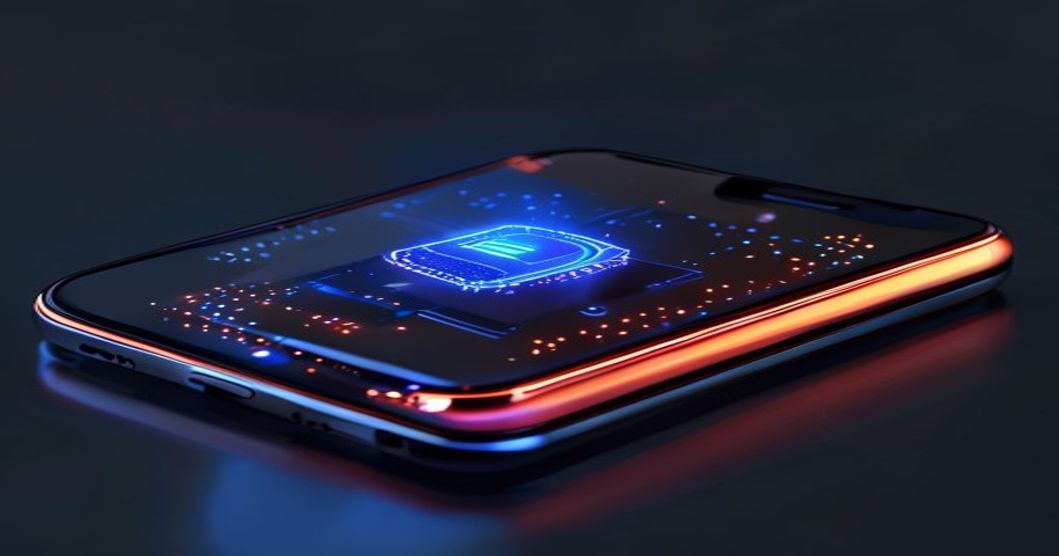
Is 6G a game-changer or just a buzzword? The early 6G networks starting to roll out in major metropolitan areas in 2026 matter less for raw speed than for near-zero latency, network-based sensing, and coverage that blends cell towers with satellites. For the average user who streams and scrolls, though, 5G is still more than enough.
Skepticism is understandable. When 5G launched, it promised to revolutionize everything, but for many people it mostly meant TikToks loaded a little faster. So the real question is whether 6G changes what networks can do, or just sells new phones.
How Fast Is 6G Compared With 5G?
6G is absurdly fast: speeds can hit 1 terabit per second (Tbps) in optimal conditions. That's roughly 100 to 1,000 times faster than what most of us get on our 5G connections today.
But that raw speed isn't the most interesting part. The real magic of 6G lies in latency—or rather, the near-complete lack of it.
With 5G, we got latency down to a few milliseconds. With 6G, we are entering the realm of microsecond latency. This means the network responds faster than human perception.
Are Holographic Calls Possible on 6G?
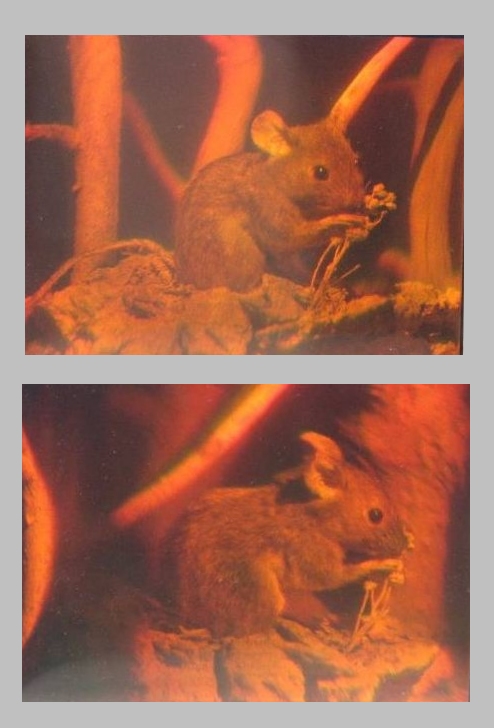
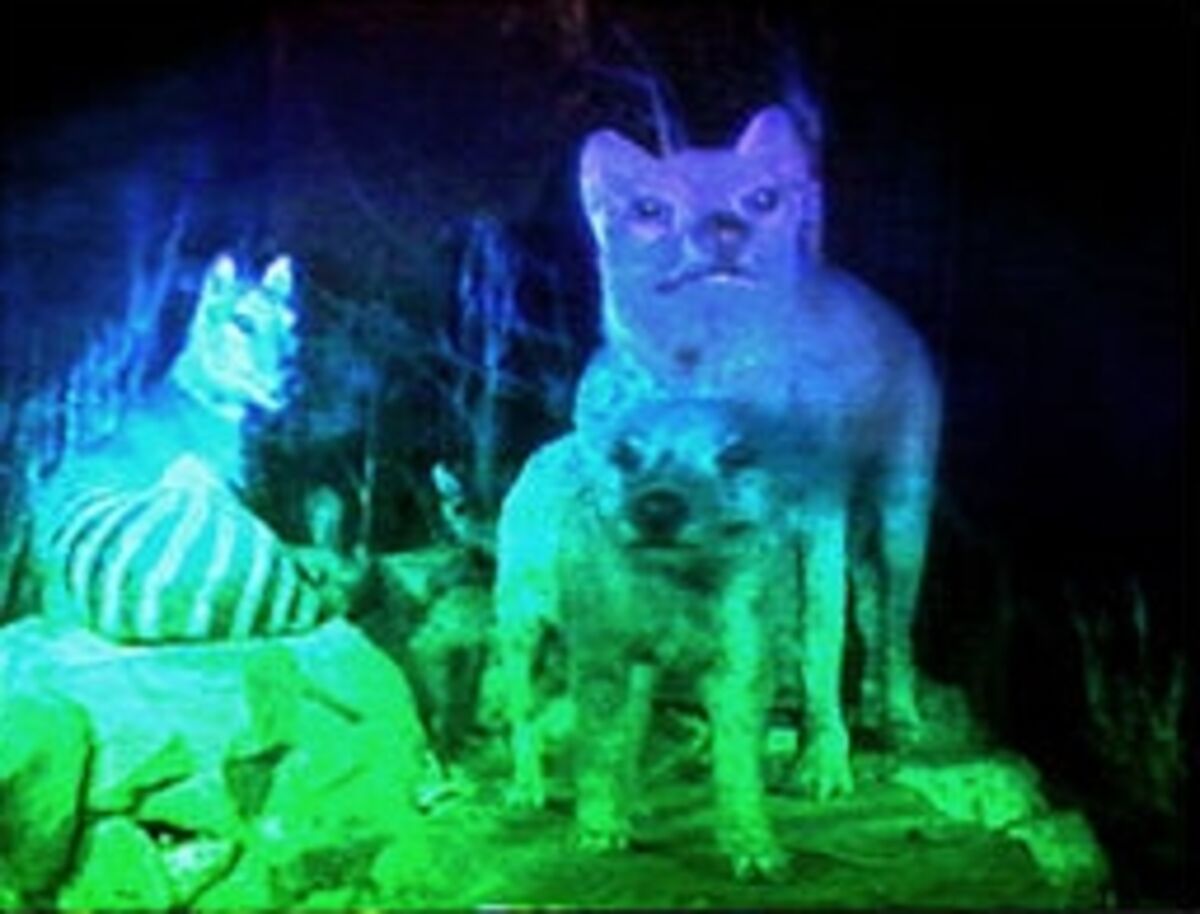
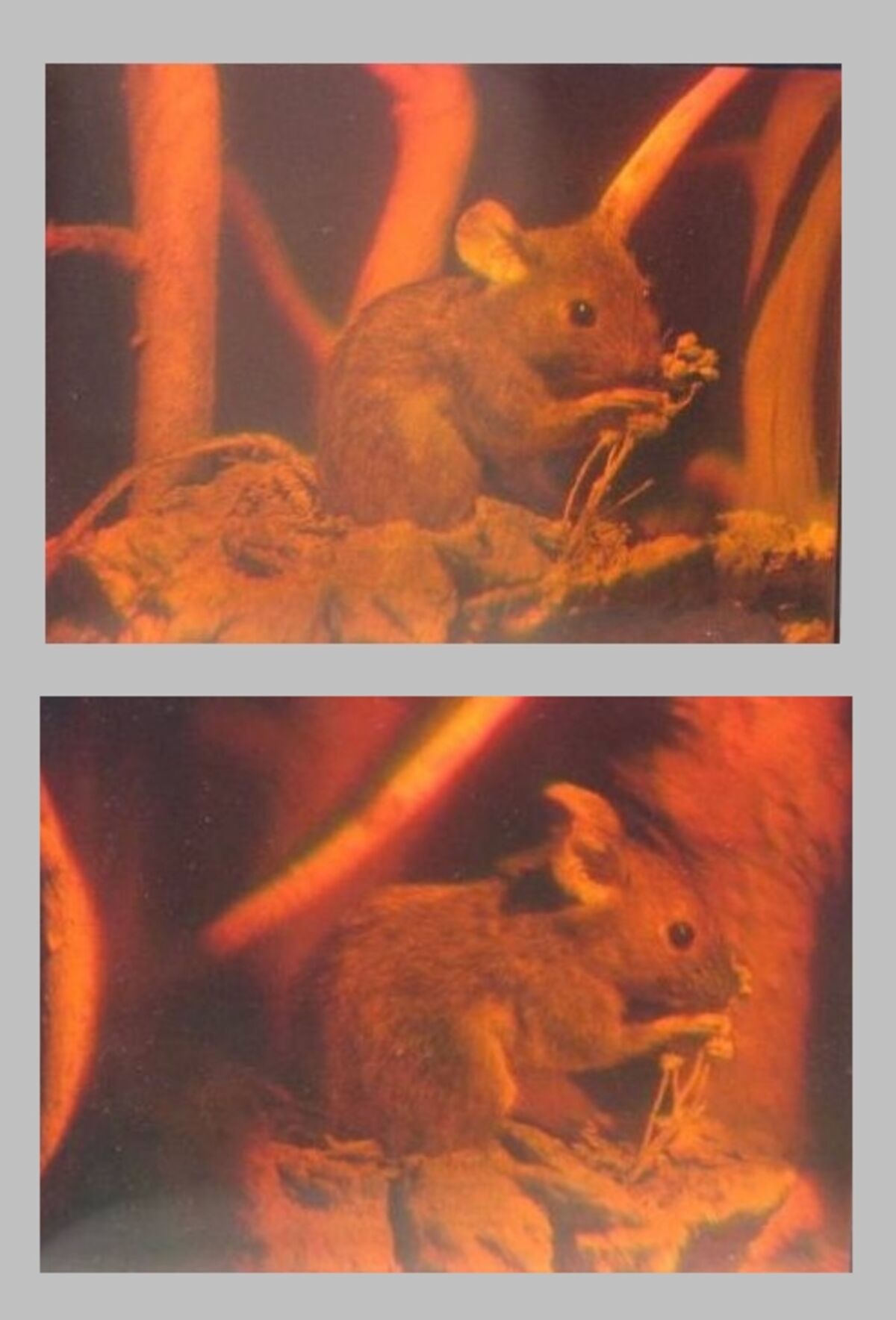
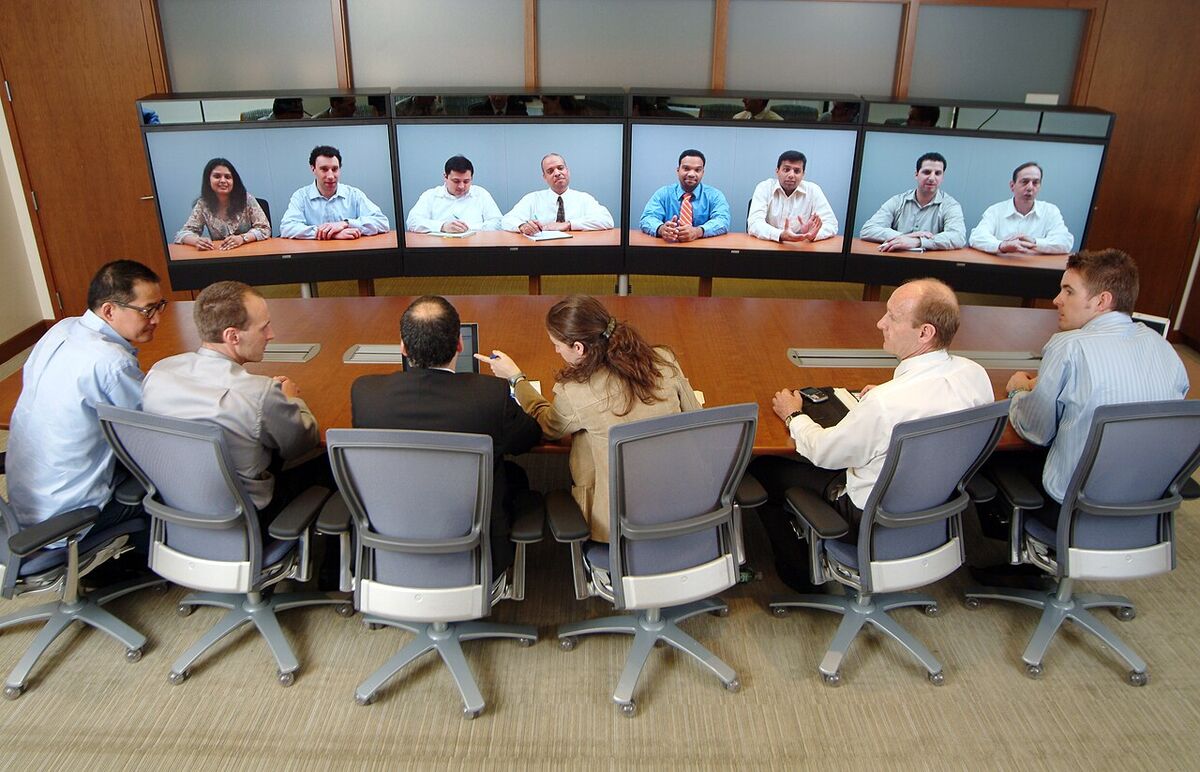
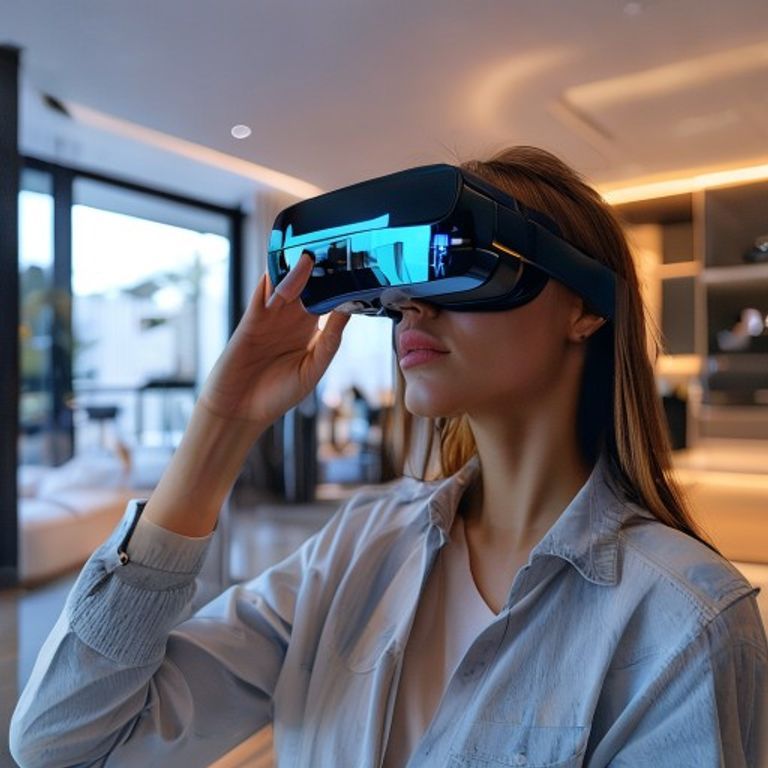
Mostly, yes — the network side is ready, but you still need special hardware. The most futuristic use case is a true holographic video call: not a flat projection, but a fully volumetric, 3D representation of the other person, rendered in real time in your living room.
Because 6G has the bandwidth to transmit massive amounts of spatial data without noticeable delay, a hologram can keep up when the person moves instead of glitching or stuttering. At its best, it can feel like they are actually standing right there.
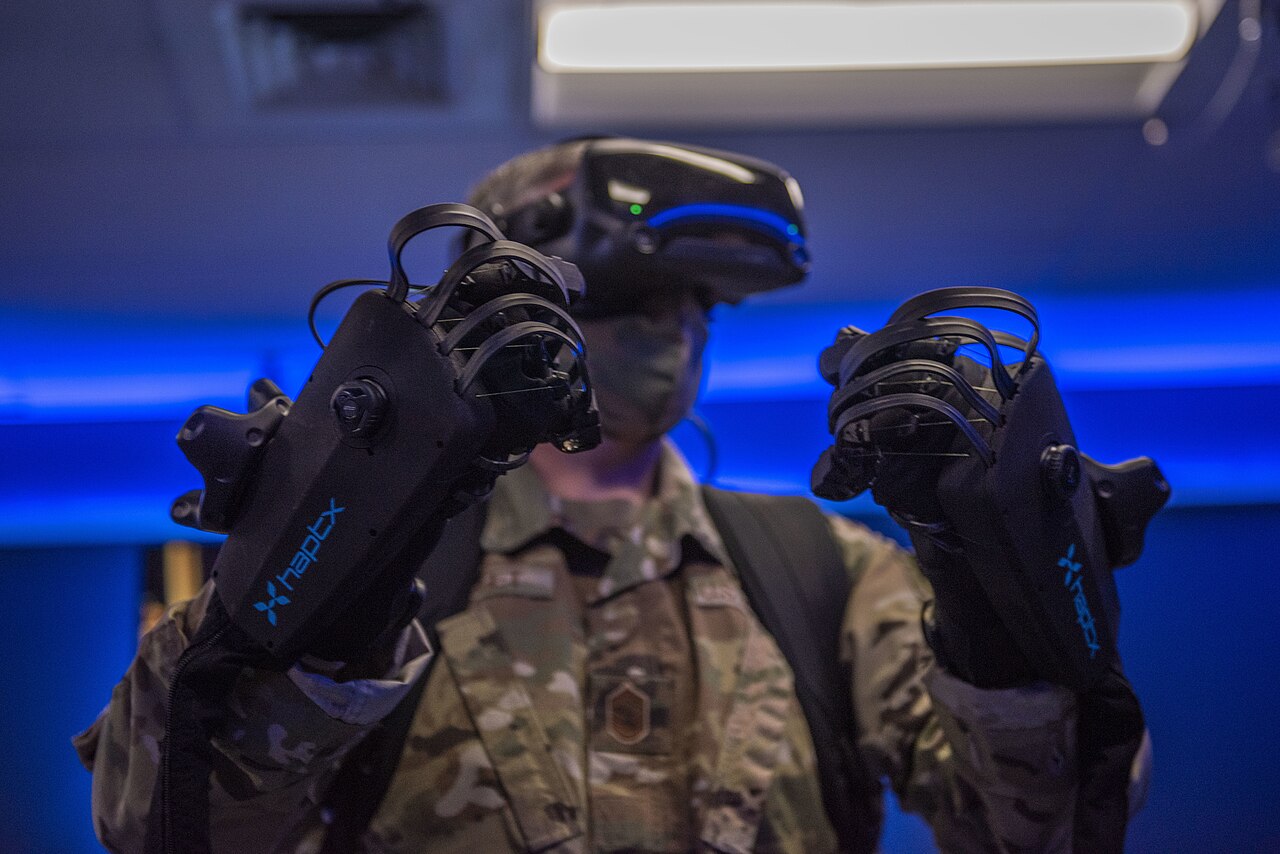
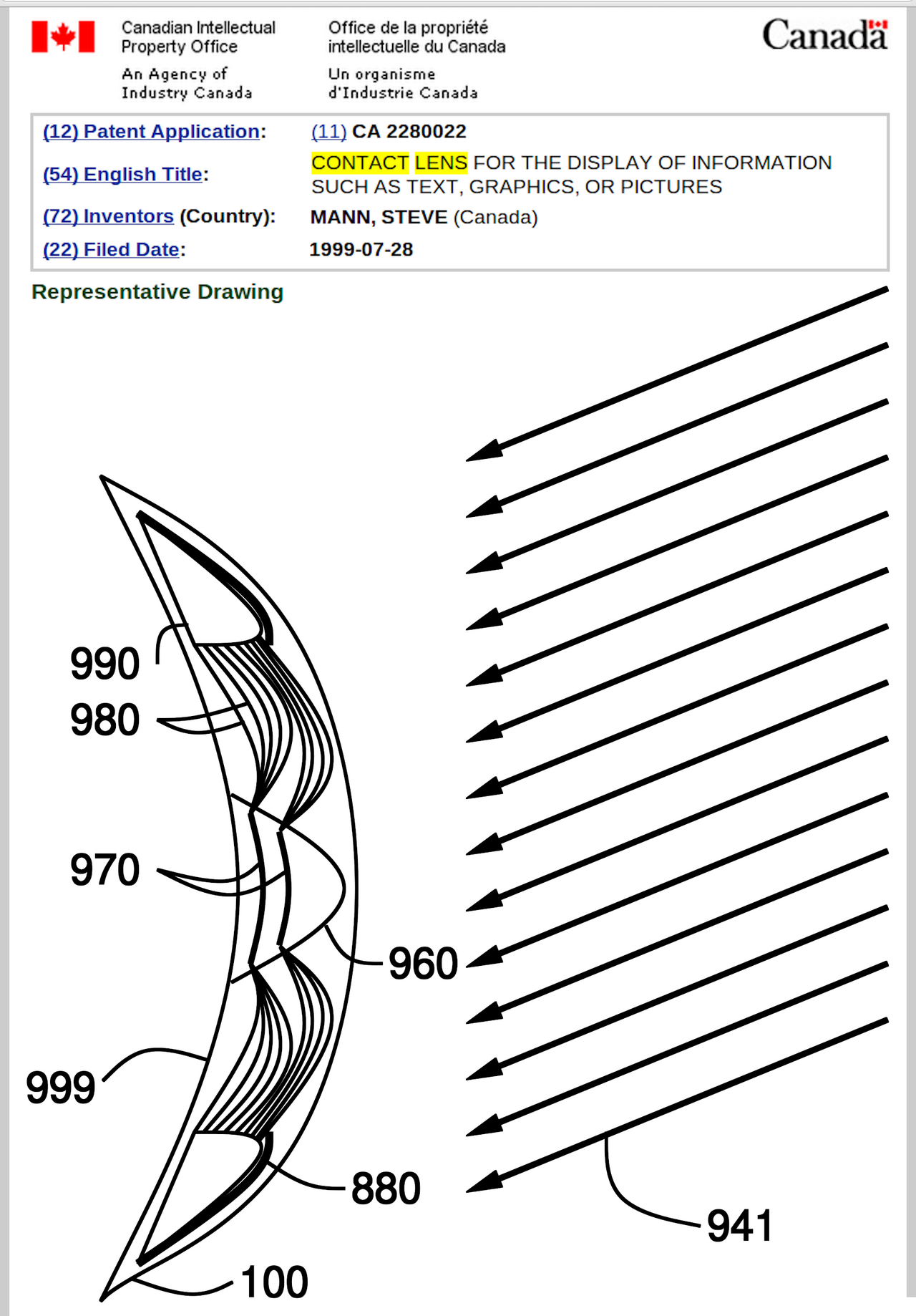
There are still quirks, of course. You need specialized AR glasses or a dedicated holographic display unit to actually see the projection properly. But the network infrastructure to support this kind of massive data transfer is finally capable, and it could make traditional video calls feel archaic.
What Is Joint Communication and Sensing (JCAS) in 6G?
JCAS lets the network itself act like a massive radar system. It is one of the wildest concepts in 6G.
The 6G signals bouncing around a city can detect physical objects, movement, and even environmental changes. A smart city grid could use the 6G network to map the flow of autonomous vehicles and pedestrians in real time, down to the centimeter, without needing separate LiDAR or camera systems on every corner.
It is a bit eerie, to be honest. The network doesn't just connect devices; it literally sees the physical world it operates in.
Will 6G Get Rid of Dead Zones?
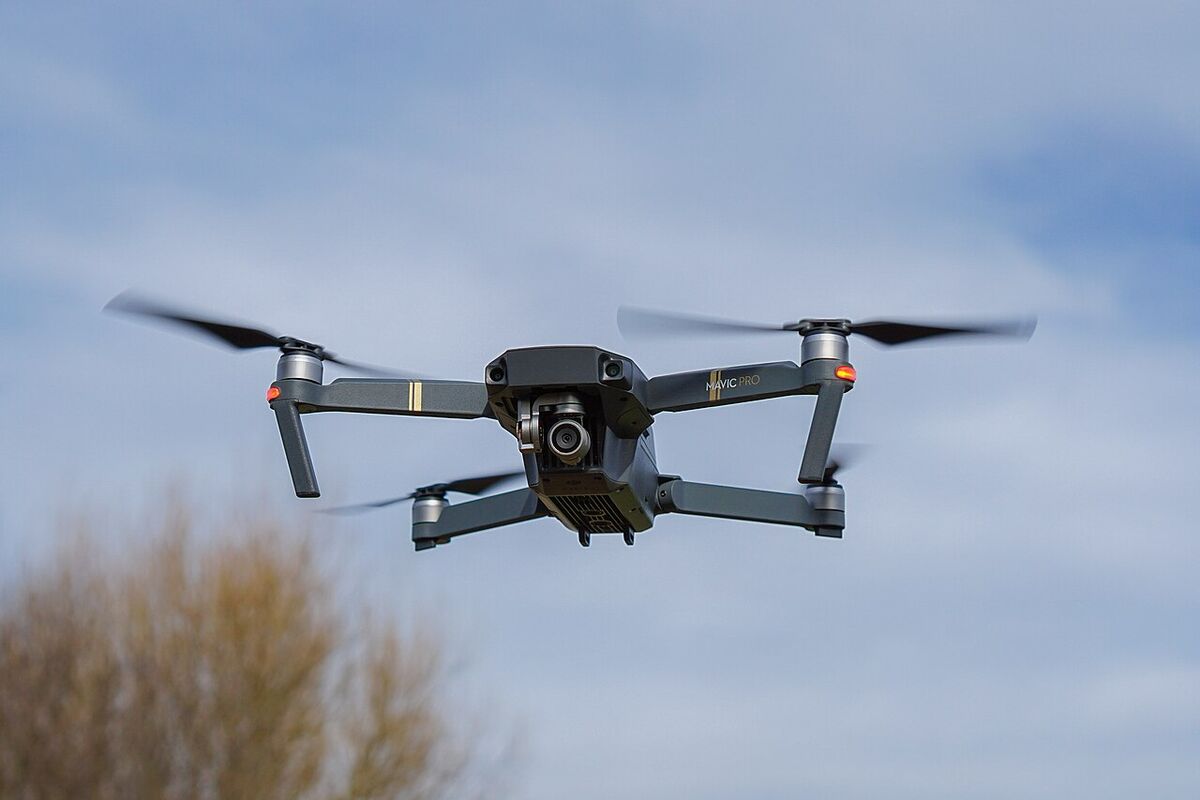
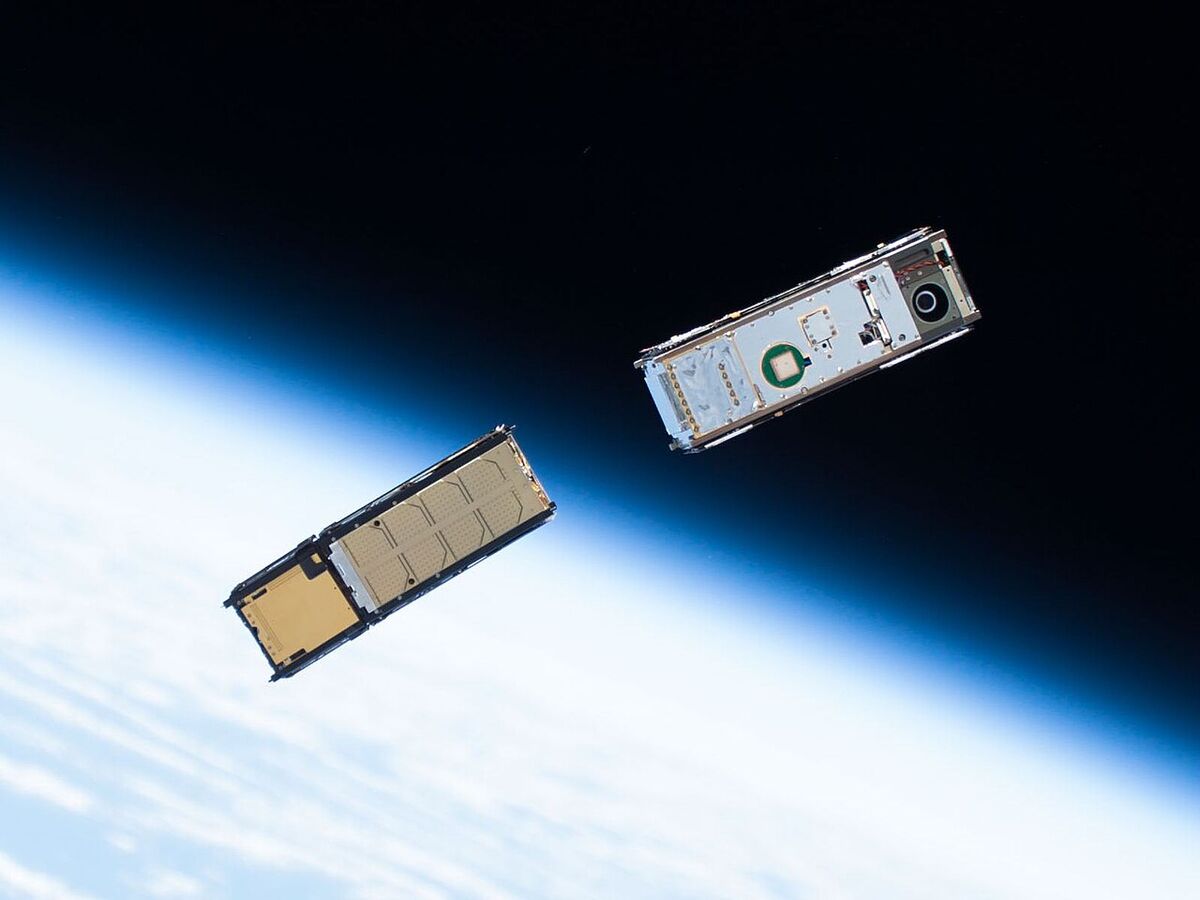
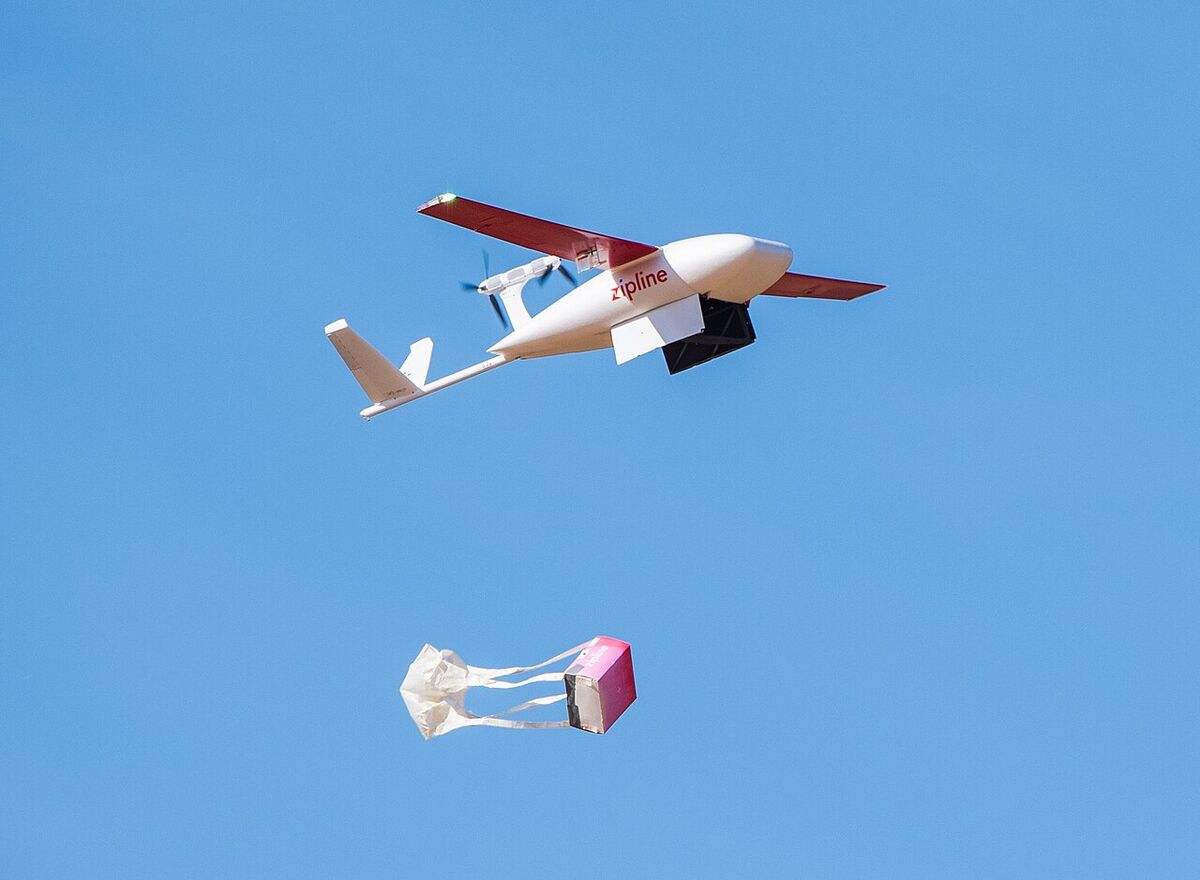
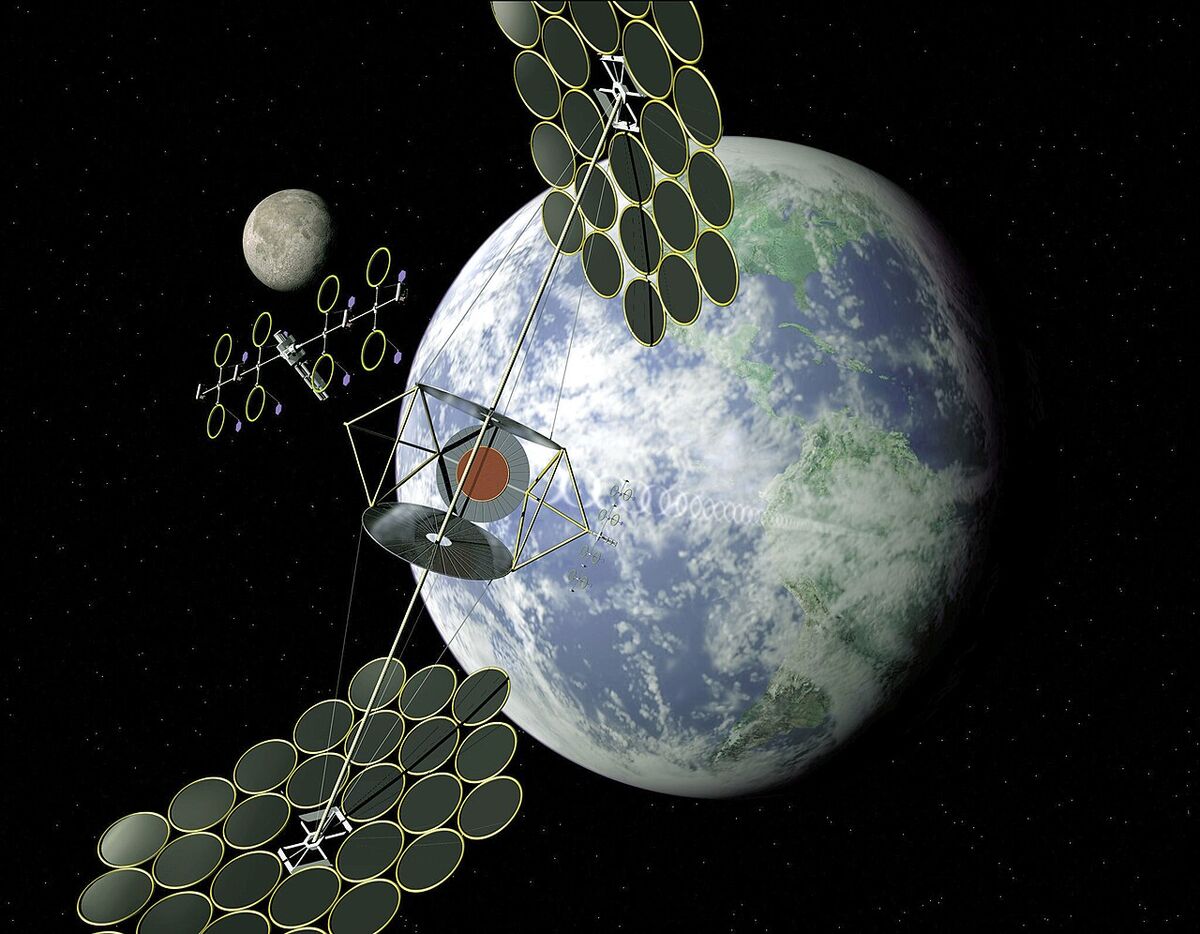
6G is designed to be a truly global, unified network, which should shrink dead zones. If you've ever lost signal inside a concrete building or out in the countryside, you'll appreciate this. It integrates terrestrial cell towers with low-earth orbit (LEO) satellites and even high-altitude platform stations (like specialized drones or balloons).
The goal is that moving from a deep underground subway station out into the city streets shouldn't drop your connection, with the handoff between network layers invisible to the user. That would be a level of reliability we've never seen before.
Is It Worth Upgrading to a 6G Phone Now?
For most people, not yet.
If you are an average user who just wants to browse social media and stream Netflix, absolutely not. 5G is more than enough for those tasks.
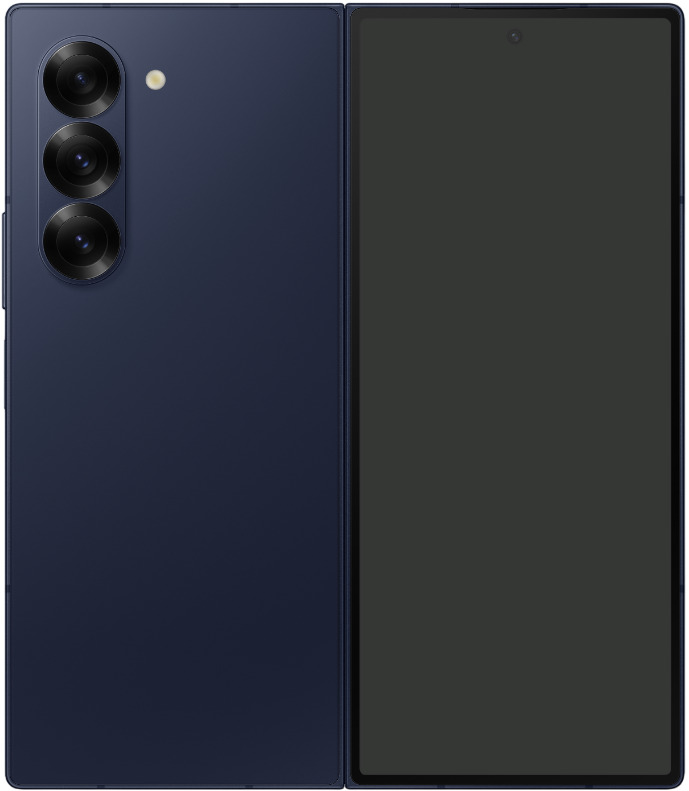
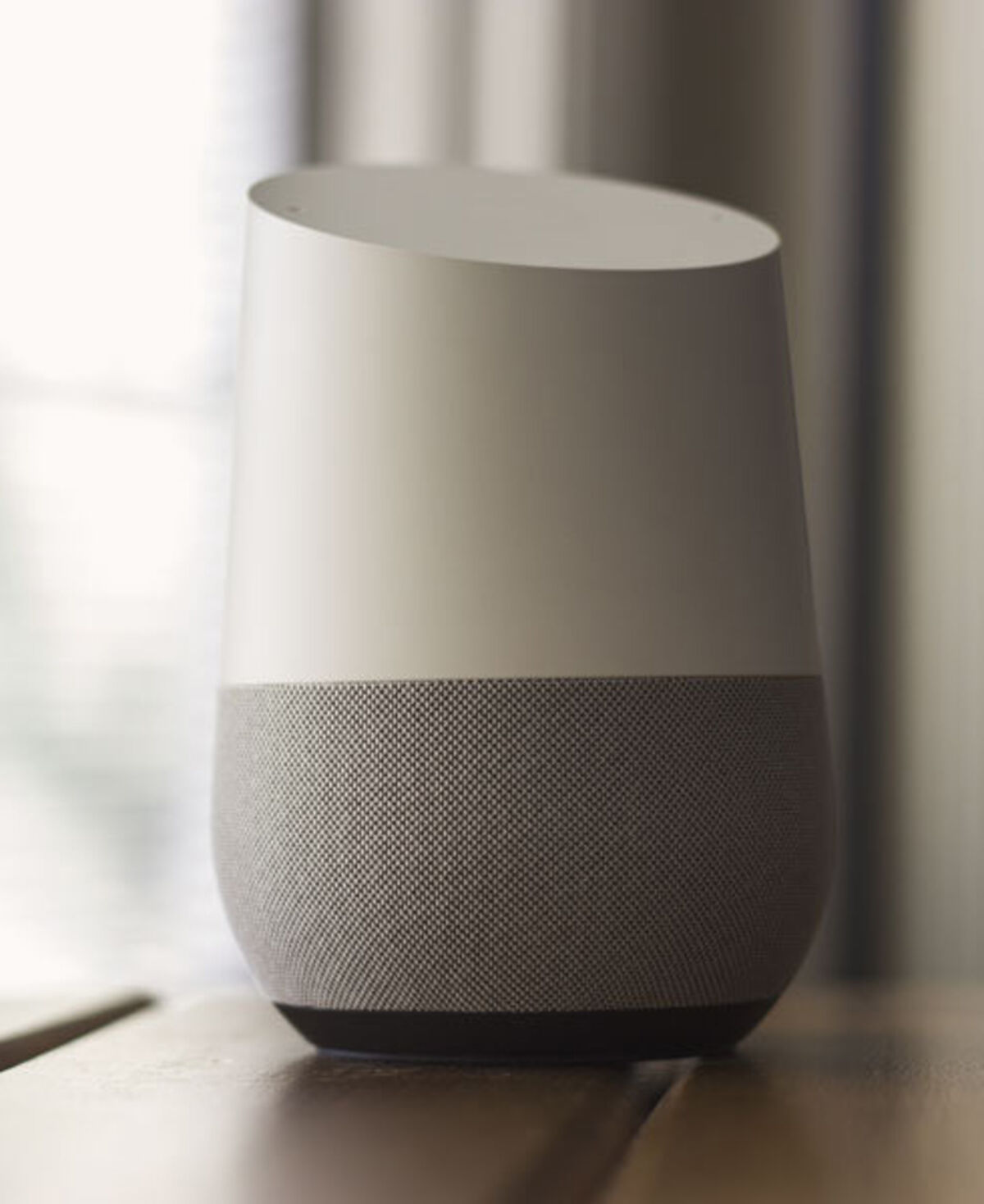
But if you are a developer, an early adopter of mixed reality (XR) tech, or someone deeply invested in the smart home ecosystem, 6G is the foundational layer that is going to make all those futuristic concepts actually work seamlessly.
We are moving away from the internet being something you actively connect to, toward a reality where high-fidelity, instantaneous connectivity is just a passive, ambient part of the environment. I think that shift, more than any speed number, is what makes 6G worth watching.