Polaris Dawn: A New Era for Commercial Space Exploration
- Technology, Review
- Exienent
- · Updated
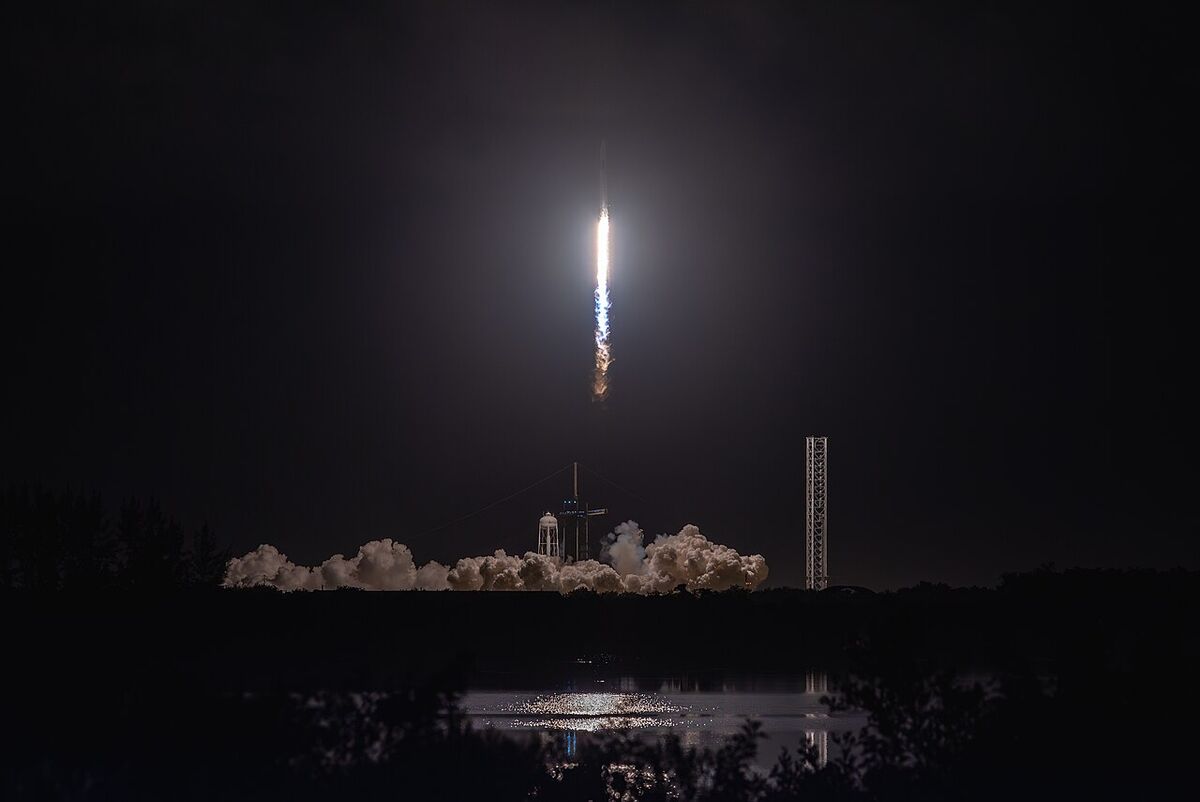
The Polaris Dawn mission, led by Jared Isaacman, pulled off the very first commercial spacewalk (EVA): the crew opened the hatch of their Dragon spacecraft and exposed themselves directly to the vacuum of space. It matters because it was a developmental test flight for new suits, deep-orbit radiation research, and laser communications, not a joyride, and it shows a private company can build the systems needed for extravehicular activity.
I think this is a massive turning point for the commercial space industry. It's one thing to launch people into low-earth orbit. It's an entirely different beast to decompress the entire cabin, open the door, and expose the crew directly to the harsh environment of space.
How High Did Polaris Dawn Fly?
Polaris Dawn flew far beyond a typical low orbit. The Crew Dragon Resilience pushed out to an apogee of around 1,400 kilometers (about 870 miles). To put that into perspective, that's more than three times higher than the International Space Station, and it's the farthest humans have traveled from Earth since the Apollo missions in the 1970s.
The capsule passed through portions of the Van Allen radiation belts. Part of the mission was to gather data on how this radiation affects the human body and the spacecraft systems. It's crucial research if we're serious about eventually sending humans back to the Moon or onward to Mars.
How Did the Commercial Spacewalk Work?
The spacewalk worked by venting the whole cabin, because the Crew Dragon, unlike the ISS, doesn't have an airlock. All four crew members—Jared Isaacman, Scott "Kidd" Poteet, Sarah Gillis, and Anna Menon—relied entirely on their newly designed SpaceX EVA suits.
What Is Different About the SpaceX EVA Suits?
The SpaceX EVA suits look incredibly sleek, almost like something out of a sci-fi movie, compared to the bulky, rigid Extravehicular Mobility Units (EMUs) that NASA astronauts wear. SpaceX had to develop new materials for thermal management and joint mobility while keeping the suit pressurized.
Isaacman and Gillis took turns popping their heads and torsos out of the hatch, using a specially designed structure called the "Skywalker" for support. They tested the mobility of the suits, the joint flexibility, and the new heads-up displays built into their helmets. It wasn't a spacewalk where they floated completely free to fix a satellite—it was a critical test of the suit technology itself.
What Did Polaris Dawn Test with Starlink?
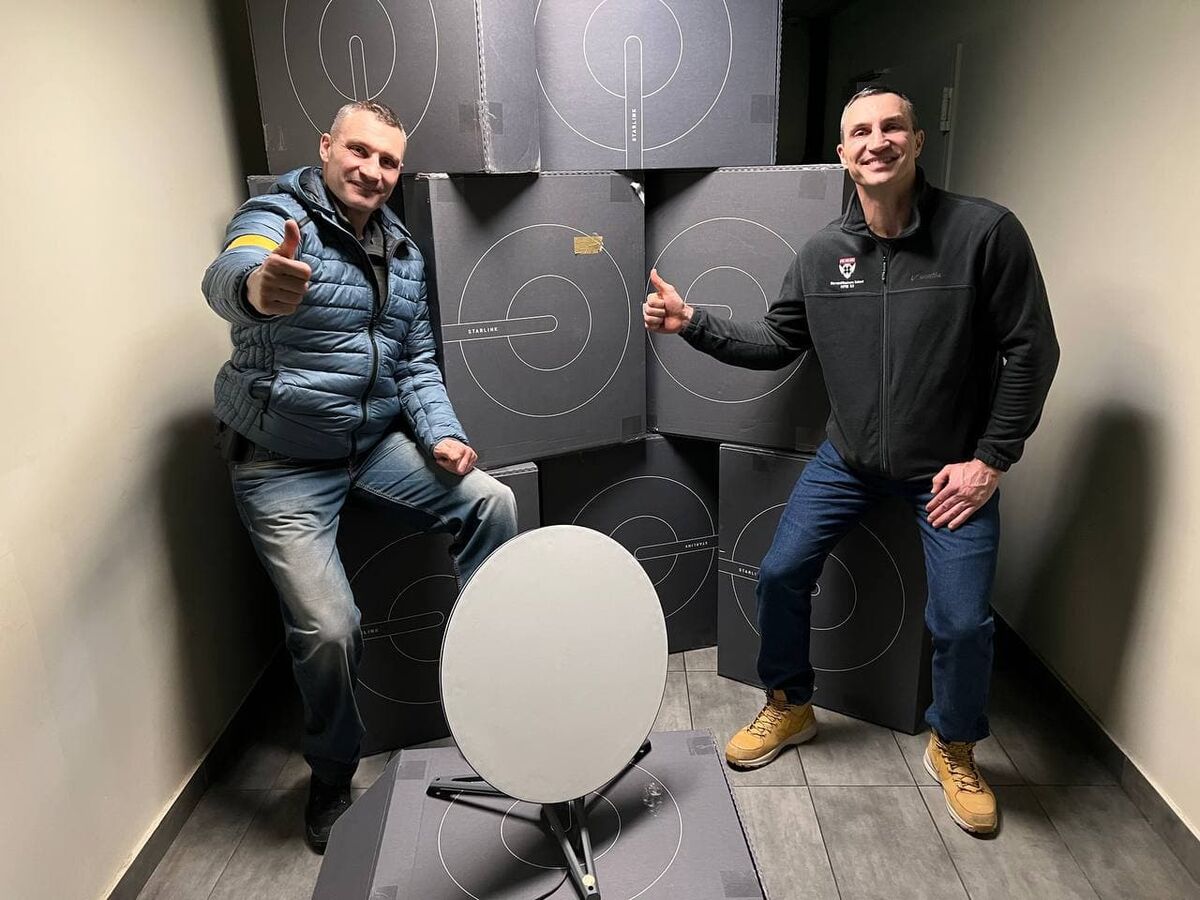
Polaris Dawn ran the first operational test of Starlink laser communications in space, another huge milestone for the mission.
The crew used a "Plug and Plaser" device to connect the Dragon capsule directly to the Starlink satellite constellation using optical links. Traditionally, spacecraft communicate with the ground using radio frequencies, which can have bandwidth limitations and blackout periods. Using lasers in space could revolutionize how we get data (and maybe even high-definition video streams) back from orbit, providing much higher bandwidth and more consistent coverage.
They successfully sent down data and even did some video calls back to Earth. If this technology proves reliable, it's going to be a game-changer for future long-duration missions.
Is Polaris Dawn Just Billionaire Tourism?
No. It's easy to be cynical about private citizens funding space missions, but I genuinely think Polaris Dawn is different. This wasn't a passive tourist flight; it was a developmental test flight. SpaceX is using these missions to aggressively test and iterate on the technology they need for Starship and their long-term goal of making humanity multiplanetary.
NASA is fantastic, but they move cautiously (as they should with taxpayer money and lives on the line). SpaceX, funded by private capital from folks like Isaacman, can take more calculated risks. They can build a suit, test it in the harshest environment possible, learn from what works and what doesn't, and build a better one next time.
The mission proved that a private company can not only build a spacecraft that carries humans but can also develop the complex life support and suit systems required for extravehicular activity. It lowers the barrier to entry. If SpaceX can mass-produce these suits and prove the reliability of their systems, we are looking at a future where access to space is significantly broader.
What Comes After Polaris Dawn?
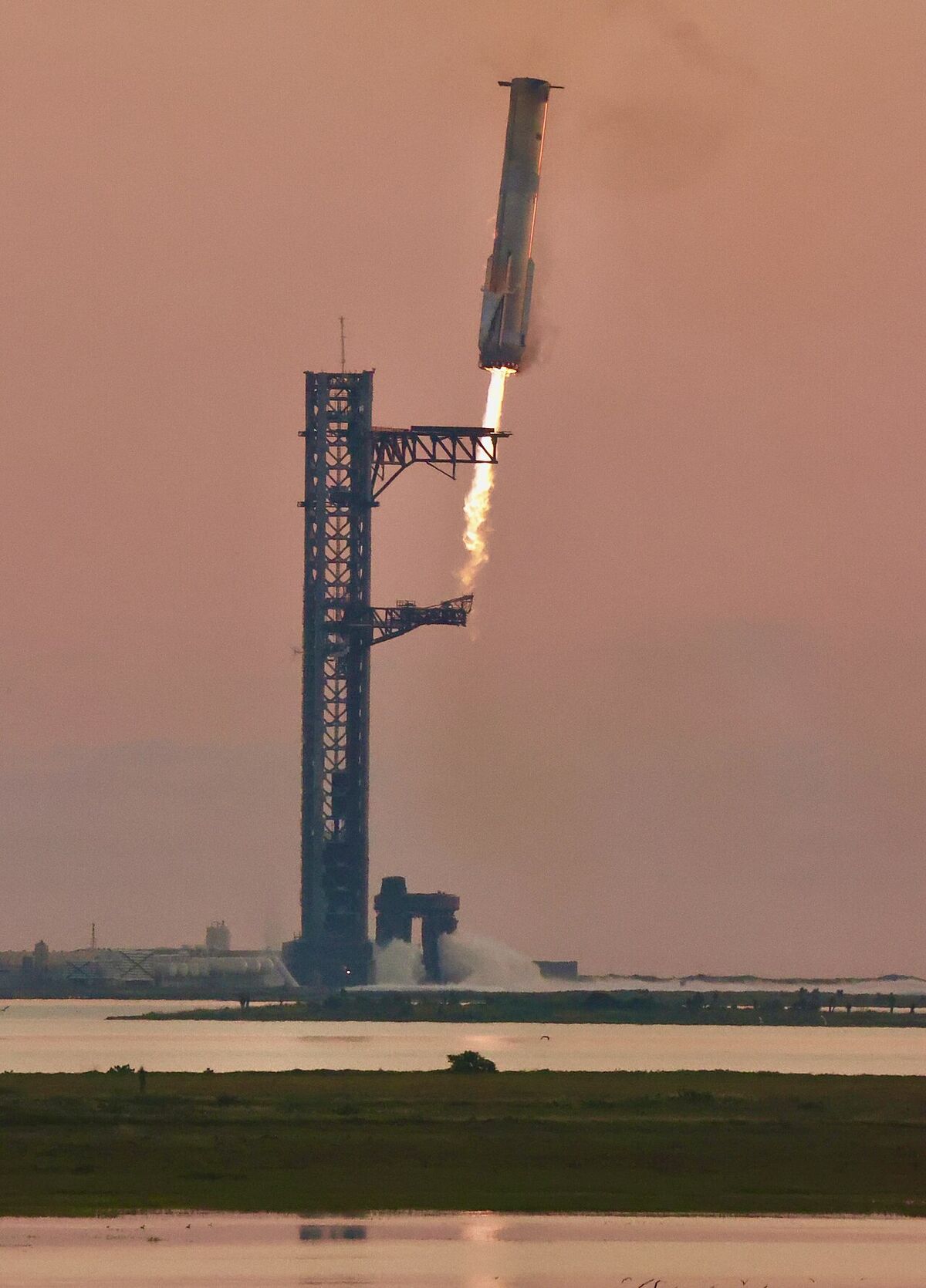
Polaris Dawn is the first of three planned missions in the Polaris Program. The second mission is expected to build on these achievements, potentially pushing further or testing more advanced technologies. The final mission is slated to be the first crewed flight of SpaceX's massive Starship rocket.
We are watching a shift in real-time. Space exploration is no longer the exclusive domain of government agencies. The private sector is taking the reins, driving innovation at a breakneck pace. Whether you are a space nerd or just someone who appreciates incredible engineering feats, it's hard not to be excited about what comes next.
What do you think about commercial spacewalks? Are we moving too fast, or is this the push we need to become a spacefaring civilization? Let me know your thoughts!