The Rise of Lab-Grown Coffee: Will It Replace Your Morning Cup?
- Technology
- Exienent
- · Updated
Lab-grown coffee is real coffee made from coffee plant cells grown in a bioreactor, and it is emerging as a climate-resilient alternative to farm-grown beans. It won't replace traditional coffee overnight, and it can't yet match single-origin terroir, but early reviews suggest it can deliver a clean, consistent daily cup.
I love my morning coffee; for me, the day doesn't truly start until I've had that first hot cup. That is why the news that climate change is seriously threatening traditional coffee farms caught my attention. Rising temperatures and unpredictable weather are making it harder to grow the beans we all rely on, and that is exactly the problem lab-grown coffee aims to solve. Could a cup grown in a bioreactor actually replace beans from a farm in Colombia or Ethiopia? Here are the facts.
Why Do We Even Need Lab-Grown Coffee?
Lab-grown coffee is needed because traditional coffee farming is under growing climate pressure. It sounds like a science fiction concept, but the reality is quite urgent. Coffee plants, specifically Arabica beans which make up most of the premium coffee we drink, are incredibly sensitive to temperature changes.
Here are the main reasons why companies are racing to develop cell-cultured coffee:
- Climate Change Threat: Studies show that by 2050, up to half of the land currently used to grow coffee might become unsuitable.
- Deforestation: As farms move to higher, cooler altitudes to survive, it often leads to clearing more forests, which just worsens the climate problem.
- Water Usage: Traditional coffee farming requires a massive amount of water. Lab-grown methods use a tiny fraction of that.
How Exactly Do You "Grow" Coffee in a Lab?
Coffee is grown in a lab by multiplying real coffee plant cells in a nutrient-fed bioreactor, then harvesting, drying, and roasting the result. The process doesn't involve artificial chemicals or synthetic flavors. It is real coffee, just grown differently.
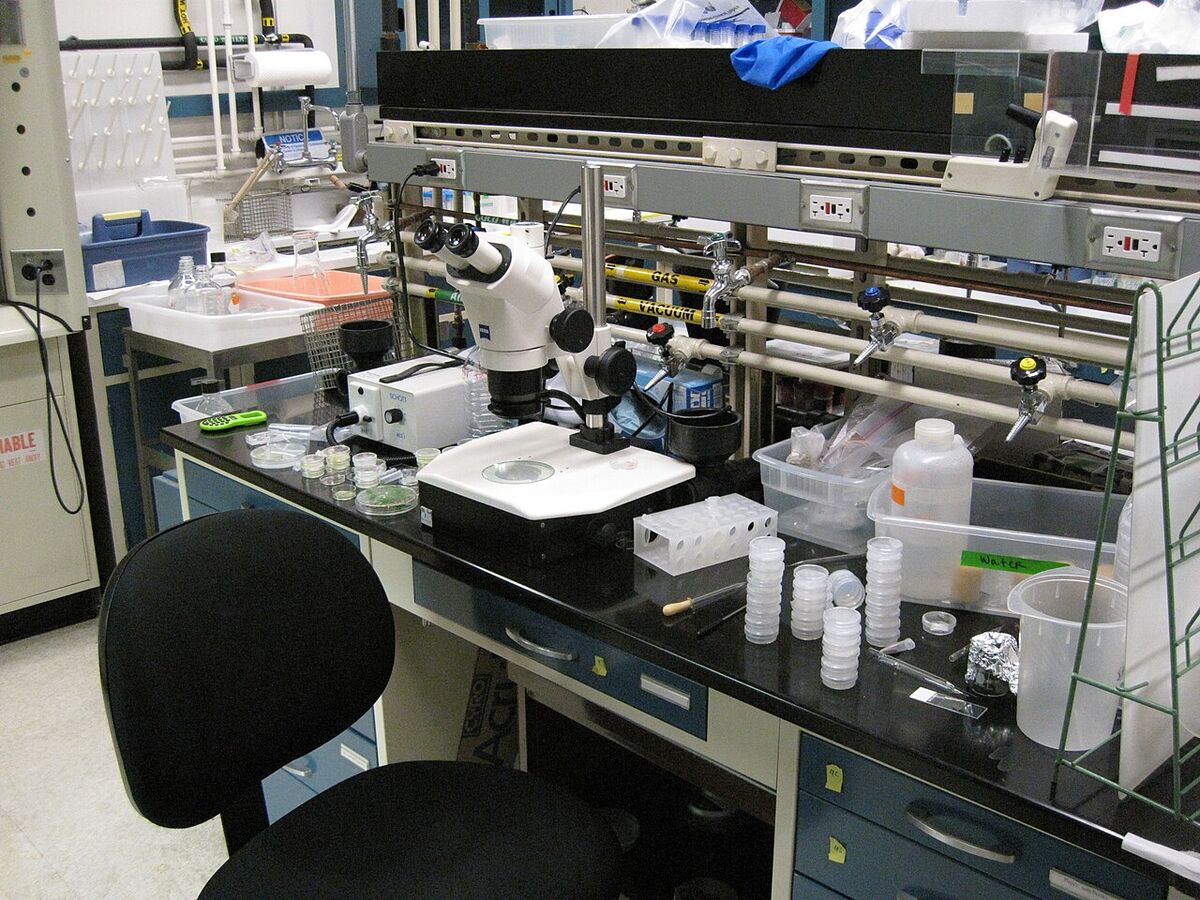
It starts by taking a small sample of cells from a real coffee plant. These cells are then placed into a bioreactor—think of a large stainless steel tank similar to what you’d see in a brewery. They are fed a nutrient-rich liquid that gives them everything they need to multiply and grow.
Instead of waiting years for a tree to mature and produce cherries, the cells grow rapidly in the bioreactor. After a few weeks, the resulting biomass is harvested, dried, and then roasted just like traditional coffee beans.
Does Lab-Grown Coffee Taste Like the Real Thing?
Early reviews are promising, though the technology is still mostly in the pilot phase and commercial cups are hard to come by. I haven't had the chance to taste one yet.
Because it's made from actual coffee plant cells, it contains the same aromatic compounds and, crucially, the same caffeine as a traditional cup. Taste testers describe it as having a clean, slightly milder flavor profile, lacking some of the extreme bitterness that can sometimes come from over-roasted traditional beans.
The biggest challenge right now is replicating the complex "terroir"—the unique flavor notes that come from the specific soil and climate where a bean is grown. A lab-grown coffee won't inherently taste like a single-origin Ethiopian Yirgacheffe, but it can provide a perfectly good, consistent cup of daily coffee.
Will Lab-Grown Coffee Replace Your Morning Cup?
Traditional coffee isn't going to disappear overnight. But as the climate becomes more unpredictable, having a sustainable, lab-grown alternative could be the key to ensuring coffee remains affordable and accessible for everyone.
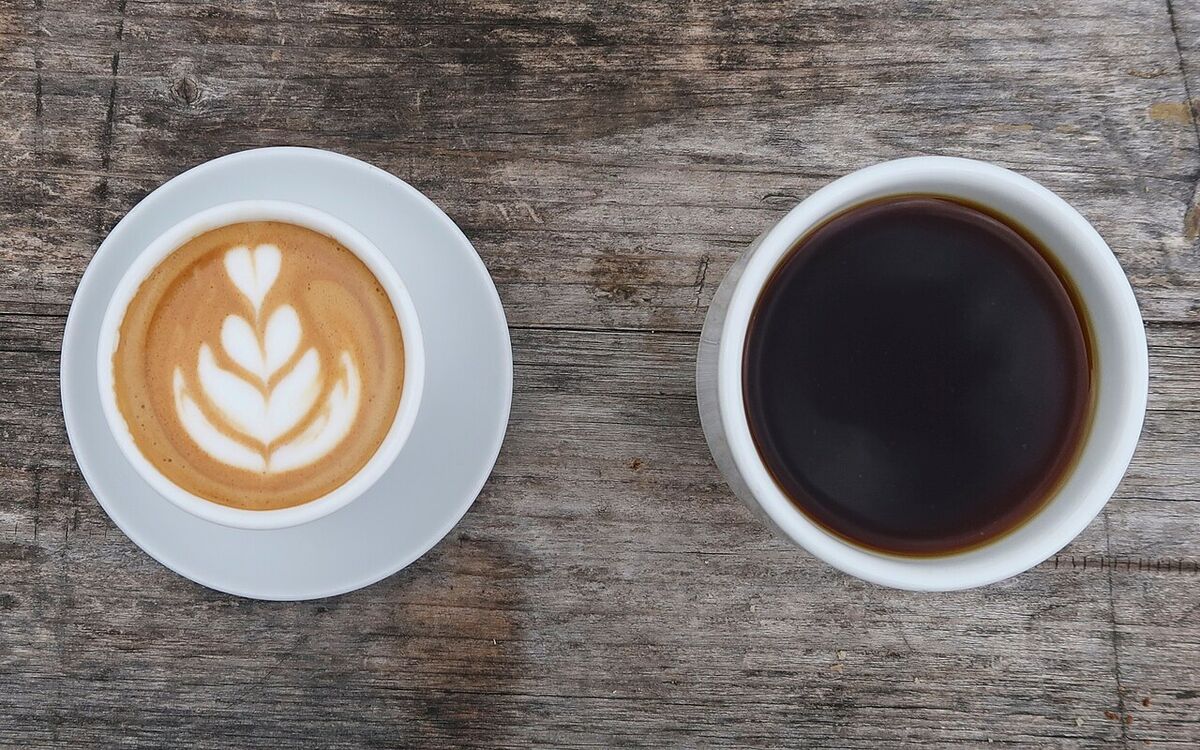
I'm keeping a close eye on this space. The next time you grab a latte, you might just wonder if the "beans" came from a farm or a fermenter!