What to Expect from an AI Lucid Dream Headband in 2026
- Technology
- Exienent
- · Updated
An AI lucid dream headband uses EEG sensors to detect when you enter REM sleep, then flashes soft red light and plays an audio cue meant to slip into your dream and tell you that you are dreaming. It can make lucid dreams easier to trigger, but it is not a magic pill: you still need daytime practice, there is a learning curve, and wearing it can cost you some sleep quality. At around $400, it is a luxury aimed at enthusiasts rather than people trying to sleep better.
A lucid dream is a dream in which you suddenly realize, "Wait a minute, I'm dreaming right now!" and can then fly over a city or jump to a beautiful beach. For many people it happens rarely, and purely by accident. The appeal of these devices is the promise of triggering it on demand.
For decades, people have tried tedious methods—keeping dream journals, doing reality checks fifty times a day, or waking up at 3 AM to disrupt their sleep cycle. A new wave of AI-powered sleep tech promises a shortcut, claiming to use EEG (electroencephalogram) sensors and artificial intelligence to essentially hack your brain into realizing it is asleep.
How does an AI lucid dream headband work?
An AI lucid dream headband works by watching your brainwaves and timing a cue to your REM sleep. It isn't just a basic sleep mask.
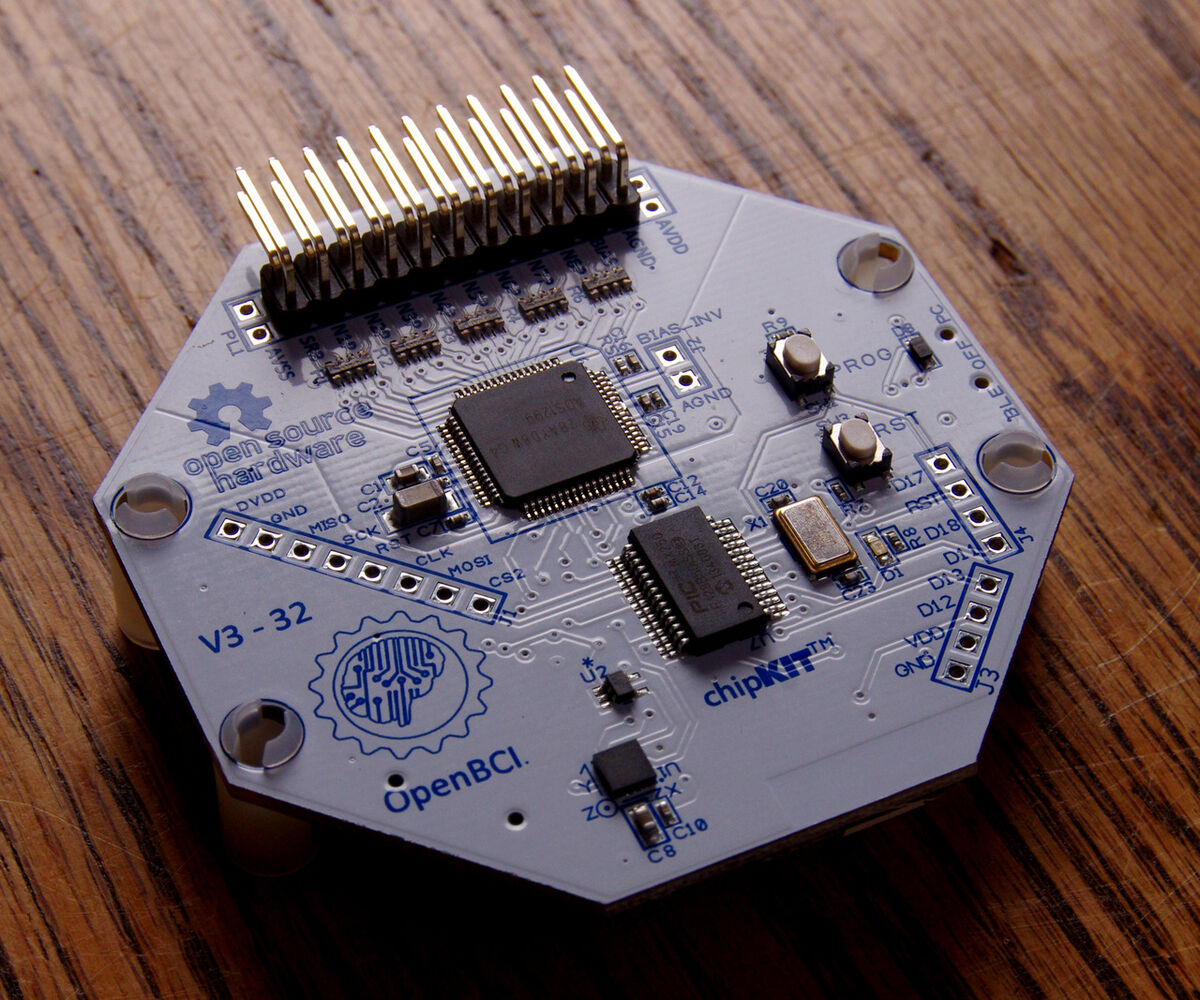
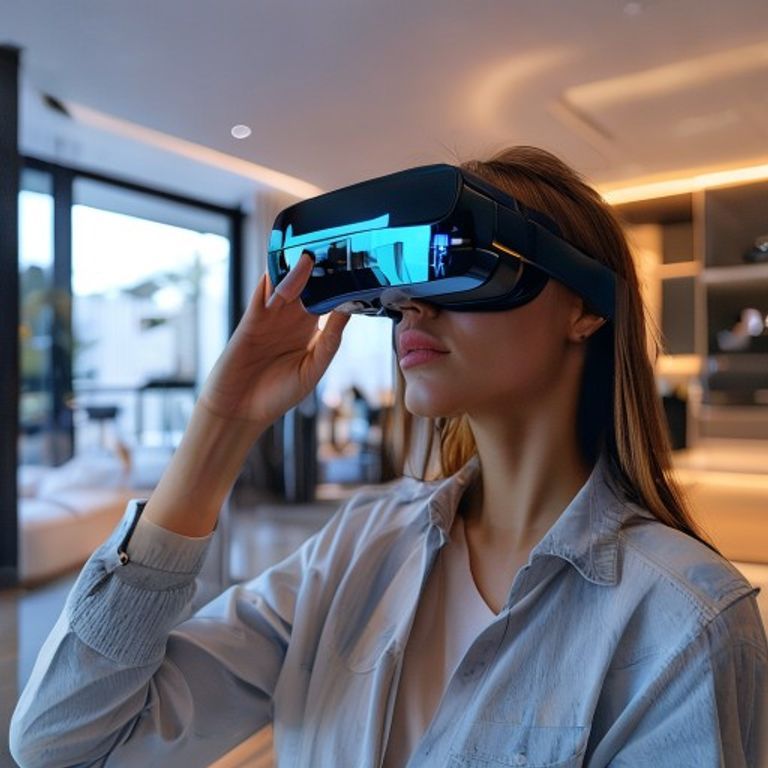
The device is a soft fabric headband packed with dry EEG sensors that rest against your forehead. Throughout the night, it tracks your brainwaves in real time. The AI model built into the companion app analyzes this data to pinpoint the moment you enter REM (Rapid Eye Movement) sleep, which is when the most vivid dreaming occurs.
Once it confirms you are in REM sleep, the headband gently pulses subtle red LED lights over your closed eyelids and plays specific audio cues (which you choose beforehand) through flat, built-in bone-conduction speakers.
The lights and sounds are designed to bleed into your ongoing dream without waking you up. If you see a flashing red light in your dream, your brain is supposed to recognize it as the "trigger signal," prompting the realization: I am dreaming.
What are the first nights with the headband like?
The first nights can be frustrating, because the AI needs time to learn your individual brainwave patterns.
While it is still calibrating, it may misfire and trigger the light and sound cues during light sleep. That can wake you up groggy and annoyed, and you may end up pulling the headband off in the middle of the night just to get decent rest.
Even once the misfires stop, lucid dreams may not follow right away. One possible hurdle is that the cue gets into the dream but isn't recognized as a signal. Your sleeping brain might, for example, weave a flashing red light into the plot as glowing red orbs chasing you, rather than treating it as a reminder that you are dreaming. A dream journal can help you spot when this is happening.
How do you turn the cue into a lucid dream?
The key is training yourself while awake to recognize the cue, so that the light and sound trigger a reality check instead of simply becoming part of the story.
One approach is to rehearse the scenario during the day: imagine the sky flashing a soft red and hearing your chosen chime, and picture yourself responding by checking whether you are dreaming. A classic reality check is looking at your hands; in dreams they can look wrong, such as having an extra finger.
When it clicks, the shift can feel dramatic: the scene may snap into sharp, hyper-real detail, and you may be able to do things like float through a ceiling or soar over landscapes your brain renders on the fly. Some people may wake from a lucid dream feeling refreshed and energized; others may not.
What are the downsides for sleep quality?
The main downsides are physical discomfort and mental fatigue, both of which can eat into overall sleep quality.
- Physical Discomfort: Even though the 2026 generation of these headbands is much softer than the bulky plastic prototypes of the past, you are still wearing electronics on your face. Side sleepers in particular may wake up with red marks on their forehead.
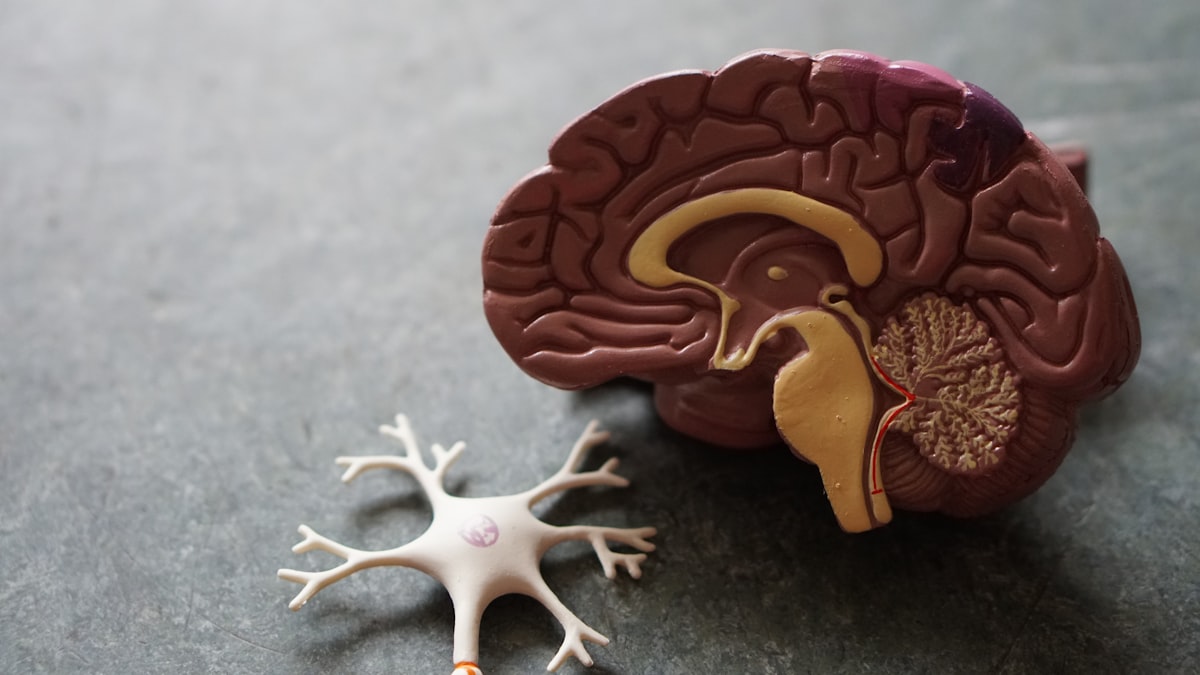
- Mental Fatigue: Lucid dreaming can be mentally tiring. Normal dreams are passive; you just watch the movie play out. In a lucid dream, your prefrontal cortex is actively engaged. You are thinking, making decisions, and exerting willpower. After a long, intense lucid dream, you may wake up feeling mentally drained rather than rested.
Lucid dreams can still be rewarding: people use them to explore imaginary places, rehearse things like public speaking without the usual fear, or hold conversations with dream characters that feel surprisingly real. But it is not all sunshine and superpowers, and the trade-off with restorative sleep is real.
Is an AI lucid dream headband worth it in 2026?
At around $400, a high-quality AI lucid dream headband is a luxury purchase that only makes sense for a specific kind of user.
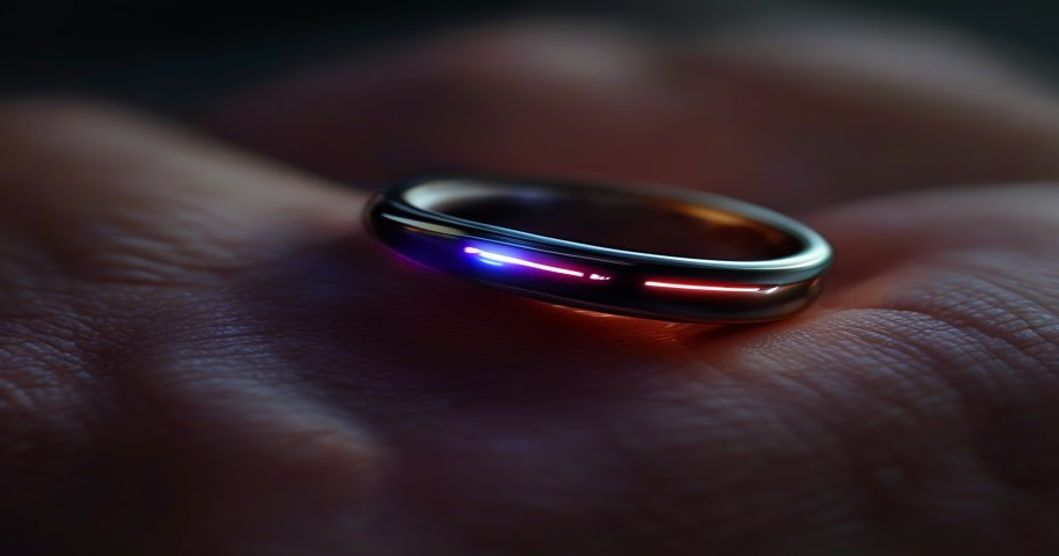
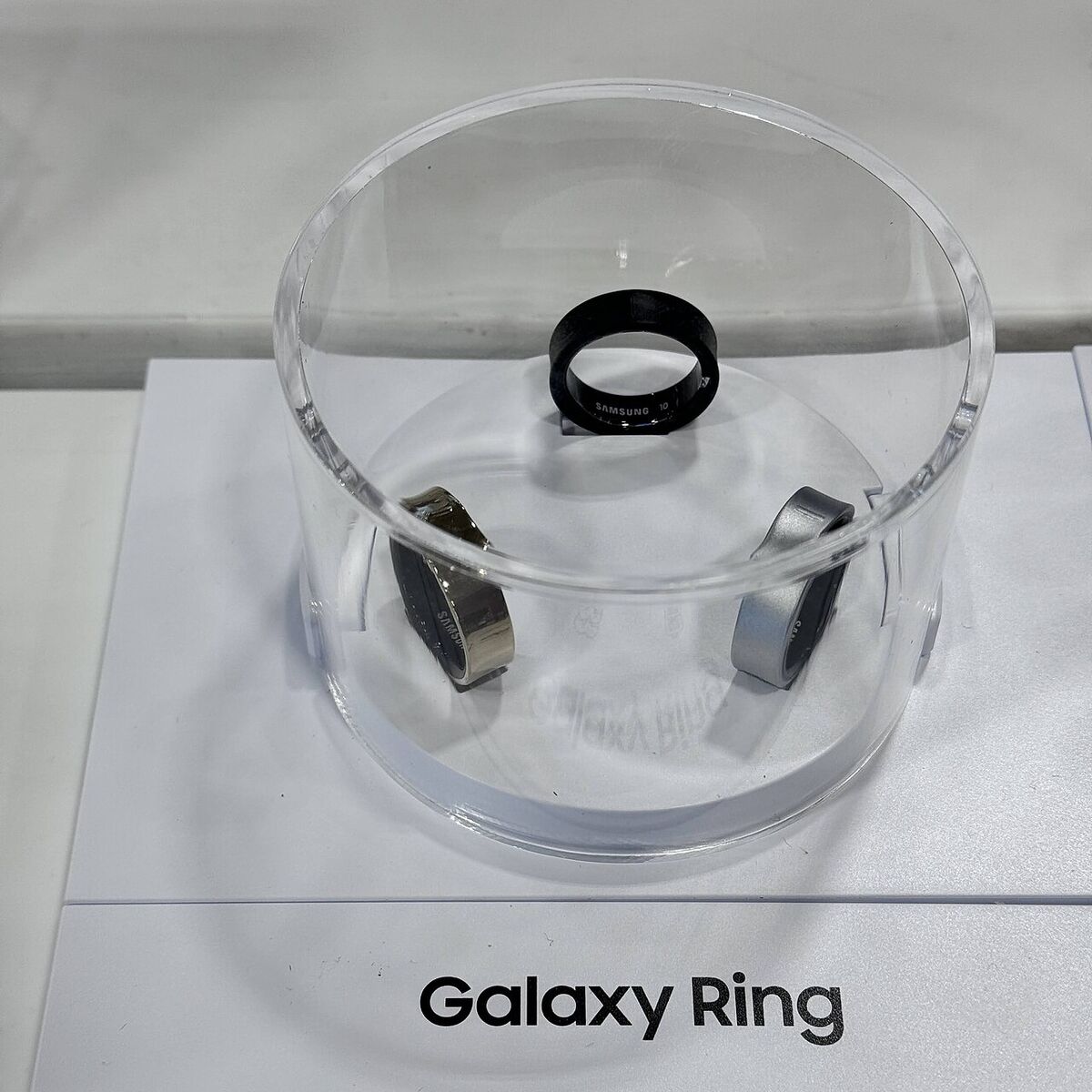
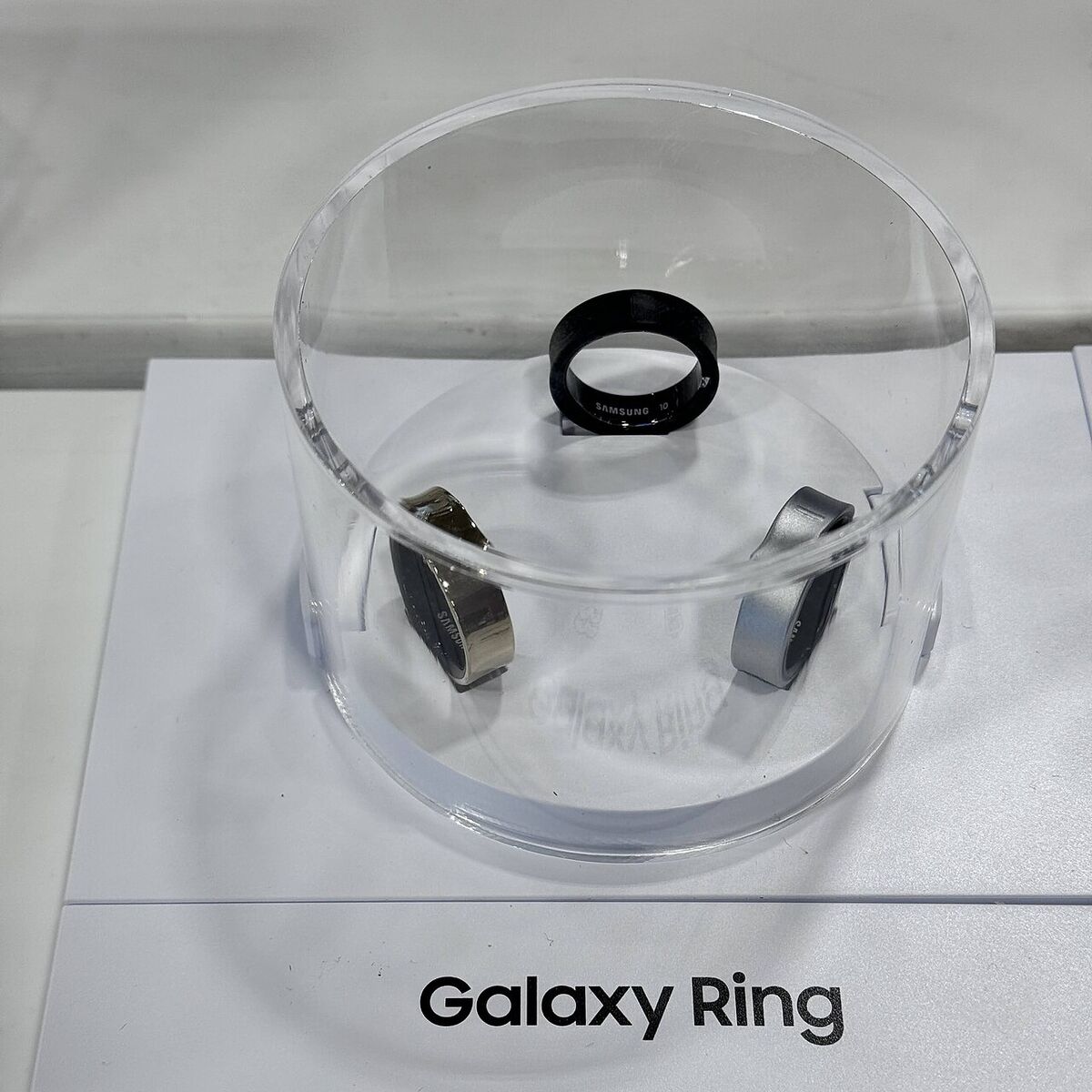
If you struggle with insomnia, or just want to track basic sleep cycles, I would not buy this. A standard smartwatch or smart ring will serve you better without strapping a computer to your head, and persistent sleep problems are worth raising with a doctor.
However, if you are a biohacker, an artist looking for creative inspiration, or someone fascinated by the untapped potential of human consciousness, I think this is one of the coolest pieces of consumer neurotechnology around.
It is not a magic pill. You still have to do reality checks during the day and train your brain to recognize the cues. What the AI removes is the guesswork of trying to catch yourself in REM sleep, which can help turn a rare, accidental phenomenon into a more repeatable skill.
Because of the sleep trade-off, it is sensible not to wear it every night. Using it a couple of times a week leaves room for deep, restorative rest on the other nights.