Ai

Digital Immortality and Grief Tech: Healing or Prolonging Pain?
Grief Tech uses AI trained on a loved one's messages and voice to simulate them. Early research finds short-term comfort for some, plus risks of dependency.

What a Feed of Only Virtual Influencers Reveals About the Strange Future of Social Media
Brands like virtual influencers for total control, but studies find people trust them less, and the FTC treats them as endorsers who must disclose ads.

What Happens When You Let an AI Personal Nutritionist Control Your Diet?
AI nutrition apps use wearable and glucose data to tailor meals. People do react differently to the same food, but the apps cost money and aren't a dietitian.
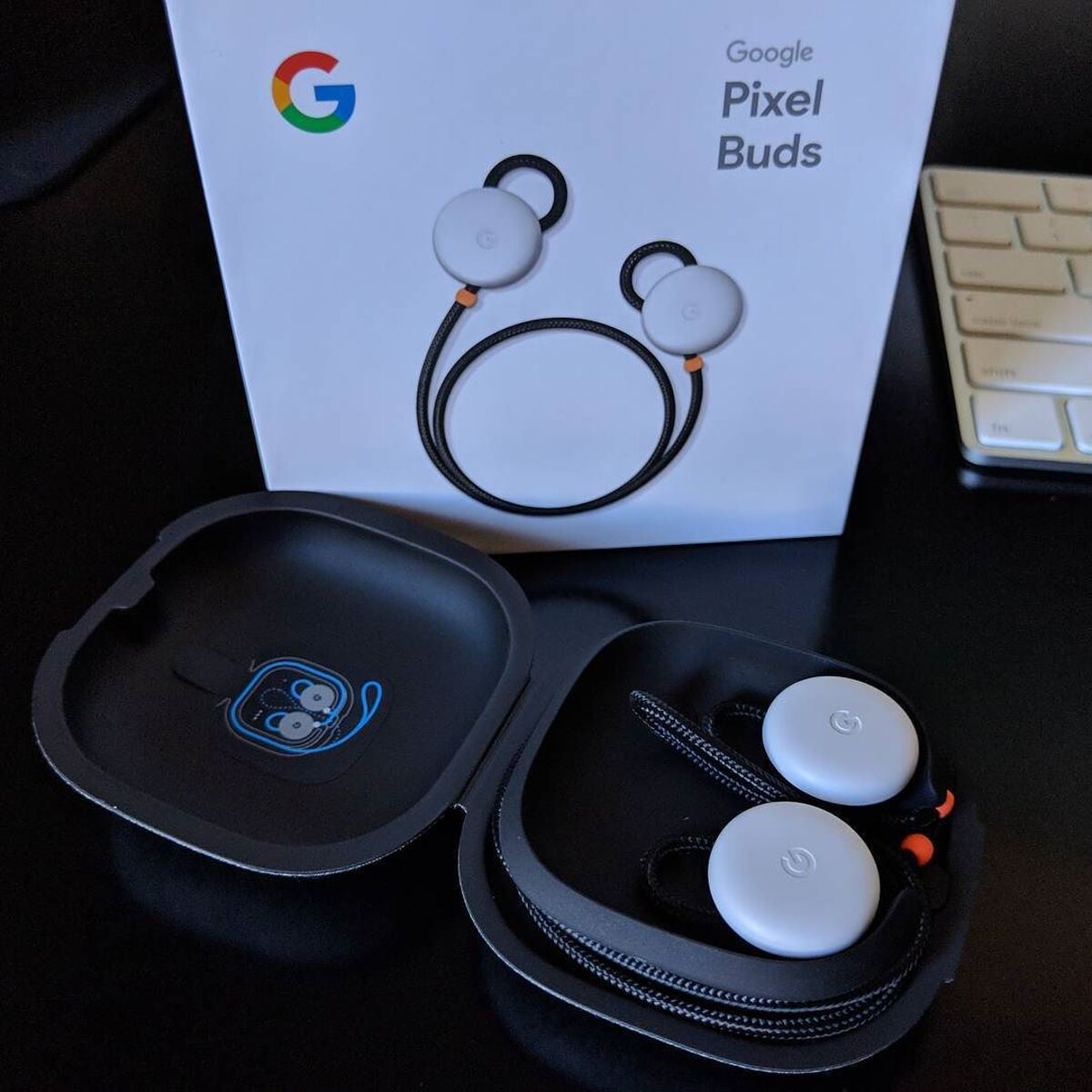
AI Translation Earbuds in Japan: Do They Actually Work?
AirPods and Pixel Buds now translate Japanese in real time. Fine for orders, tickets and directions, but translation lags and the other person reads a screen.

The Dead Internet Theory in 2026: What's Real and What's Still a Conspiracy
Bots made up 51% of web traffic in 2024 and AI spam pages drew hundreds of millions of reactions, but humans still run the web. What's true and how to cope.
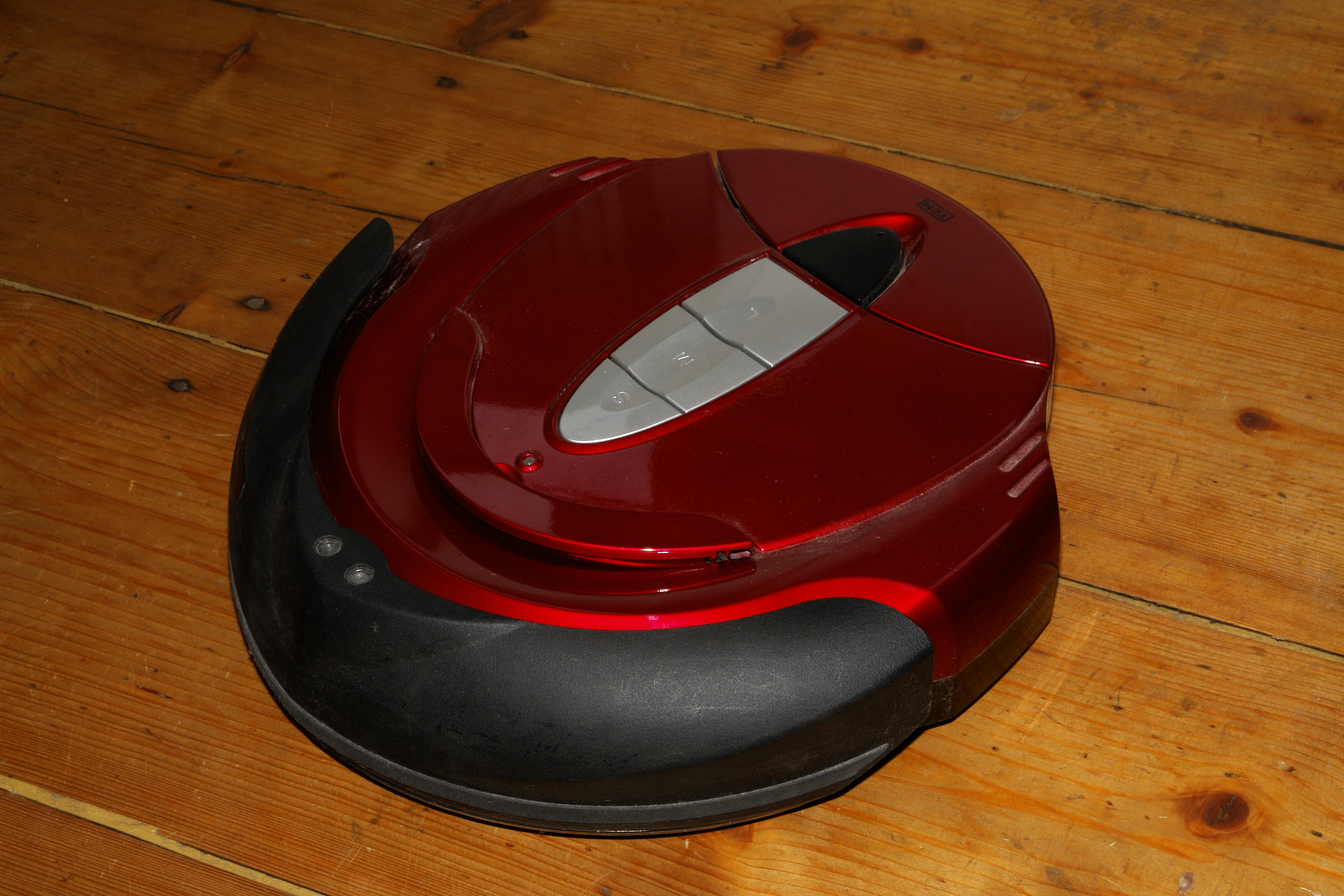
The 2026 Robot Vacuum Reality Check: Can It Finally Replace Your Upright Cleaner?
High-end 2026 robot vacuums recognize over 100 obstacle types and wash their own mops, so they can replace an upright on one floor. Stairs and cameras are the catch.

The Explosion of Robotaxis: Why 2026 is the Turning Point for Autonomous Vehicles
Waymo hit 400,000 paid rides a week in early 2026 and aims for 1 million by year-end, using lidar and detailed maps. Tesla's camera-only service is far smaller.

5 Painful Lessons from Building an Enterprise RAG System (And How to Fix Them)
Production RAG fails on parsing, chunking, stale data, hallucination and context cost; vision parsing, parent-child chunks, metadata sync and reranking fix it.
Google I/O 2026 Recap: From Gemini 3.5 Flash to Smart Glasses, the Future of AI is Here
Google I/O 2026 centered on Gemini: the Gemini 3.5 Flash model, the Gemini Spark 24/7 agent, a rebuilt Search box, Universal Cart, and Android XR glasses.
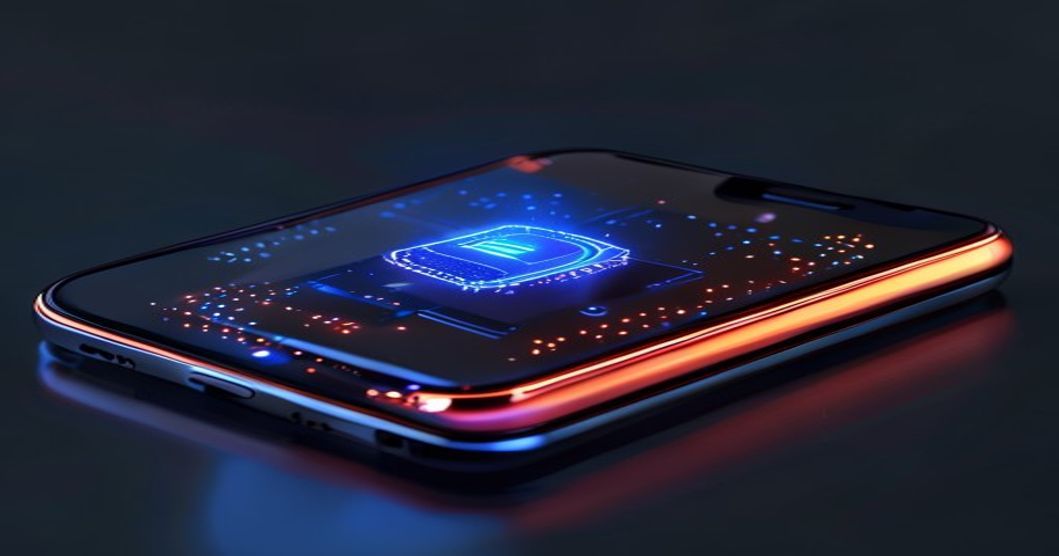
What Is On-Device AI, and What Does It Change on Phones and PCs?
On-device AI runs models on your phone or PC's own NPU instead of the cloud, so some features are faster, more private and work offline. Big tasks still go online.
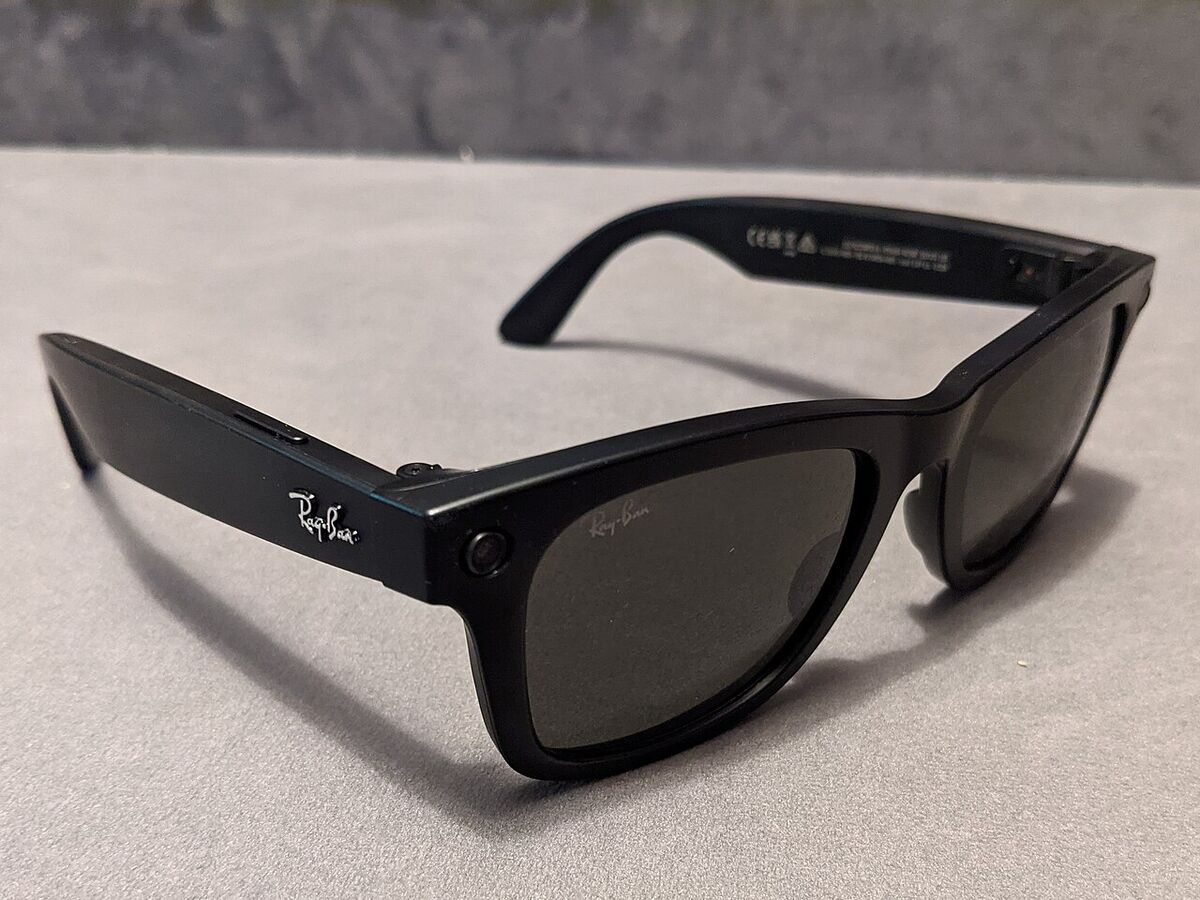
Living with Smart Glasses: Ray-Ban Meta and the Promise of Orion
Ray-Ban Meta glasses add a camera and an AI assistant to ordinary frames. Orion was a $10,000 AR prototype; its wristband shipped in 2025's Ray-Ban Display.
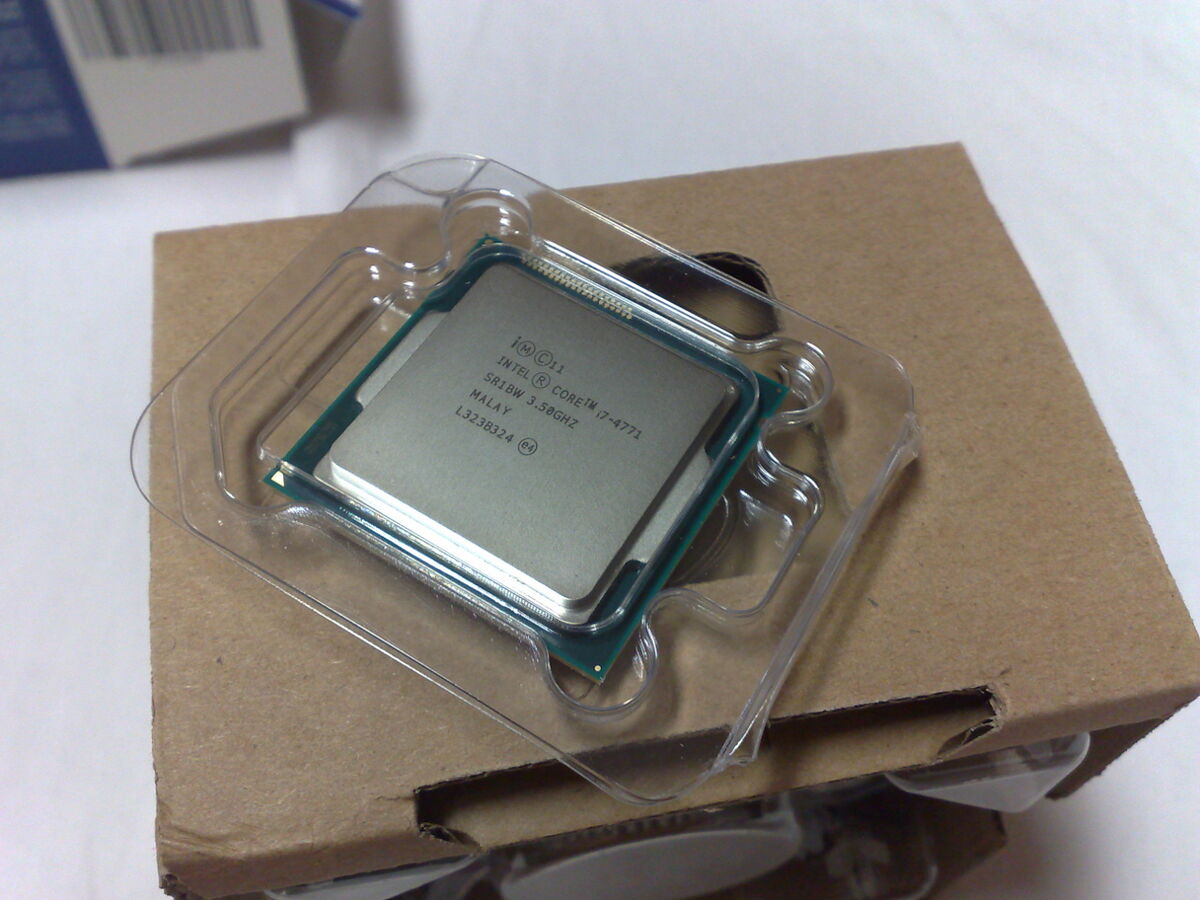
Coding with OpenAI's o1 Model: Strengths, Limits and Costs
OpenAI's o1 reasons step by step before answering, which helps with hard bugs and logic, but it was slow, billed hidden reasoning and had tight weekly caps.

Letting AI Write Your Resume and Apply to Jobs: What Actually Happens
AI can tailor a resume to each job's keywords in seconds, but it may overstate your experience, and AI-fueled application floods make recruiters filter harder.
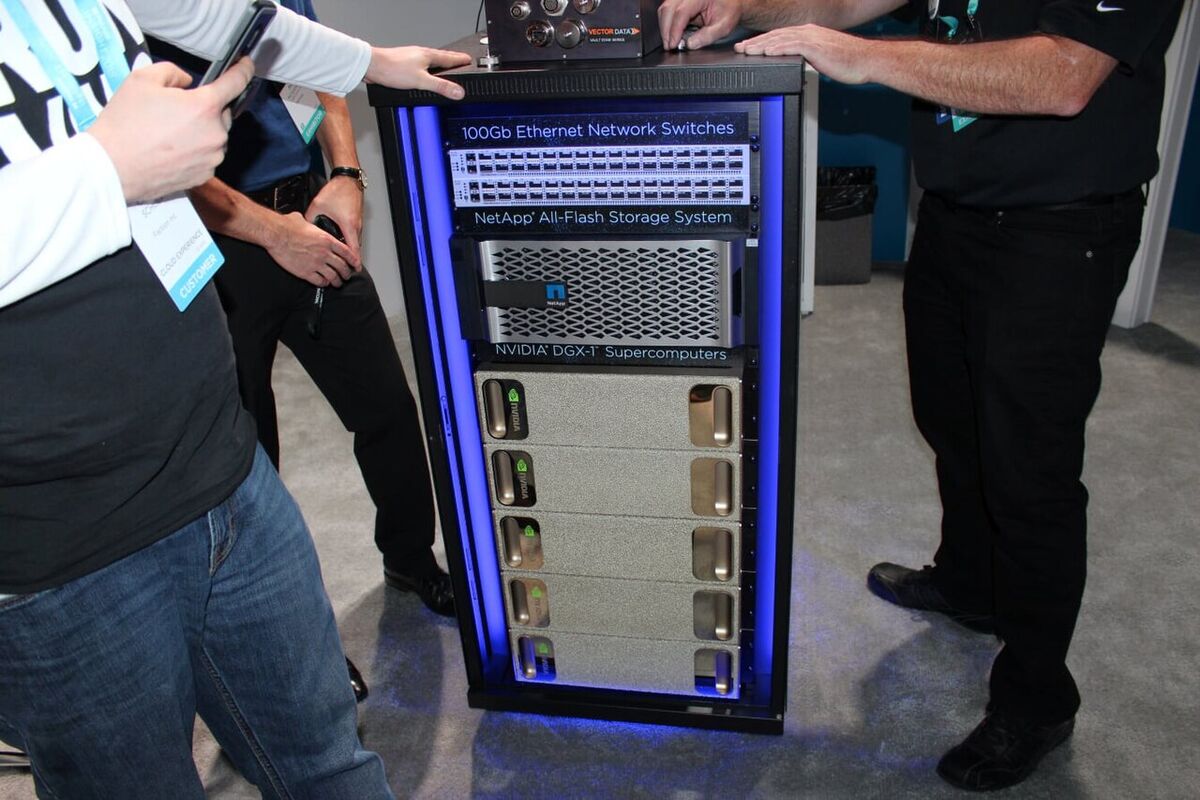
Nvidia's Blackwell Architecture: A Practical Look at the Future of AI
Blackwell joins two dies into one 208-billion-transistor GPU and claims big inference gains, but 120 kW liquid-cooled racks make it hyperscaler hardware.