How Quantum Simulation is Rewriting the Rules of Drug Discovery in 2026
- Technology
- Exienent
- · Updated
Quantum simulation is changing drug discovery from trial-and-error into design. Because quantum computers mimic molecular behavior directly instead of approximating it, researchers can model how a drug candidate will behave long before synthesizing it—turning work that once took years into weeks of processing time.
For decades, the story of drug discovery was predictable: discovering a new drug takes a decade, costs billions of dollars, and has a failure rate that would make a Las Vegas casino blush. The process was agonizingly slow because researchers were essentially playing a high-stakes game of molecular trial and error. Pharmaceutical teams that integrate Quantum Simulation into their primary drug discovery pipeline are starting to break that pattern.
If you have been following the tech trends of 2026, you know that quantum computing has been making headlines. But the most immediate, life-changing application of this technology isn't breaking encryption or optimizing supply chains—it is fundamentally rewriting the rules of how we invent medicine. Here is why quantum simulation is such a breakthrough in biotech.
Why Do Classical Computers Fail at Chemistry?
Classical computers fail at chemistry because the math of real molecules grows too large for them to calculate exactly.
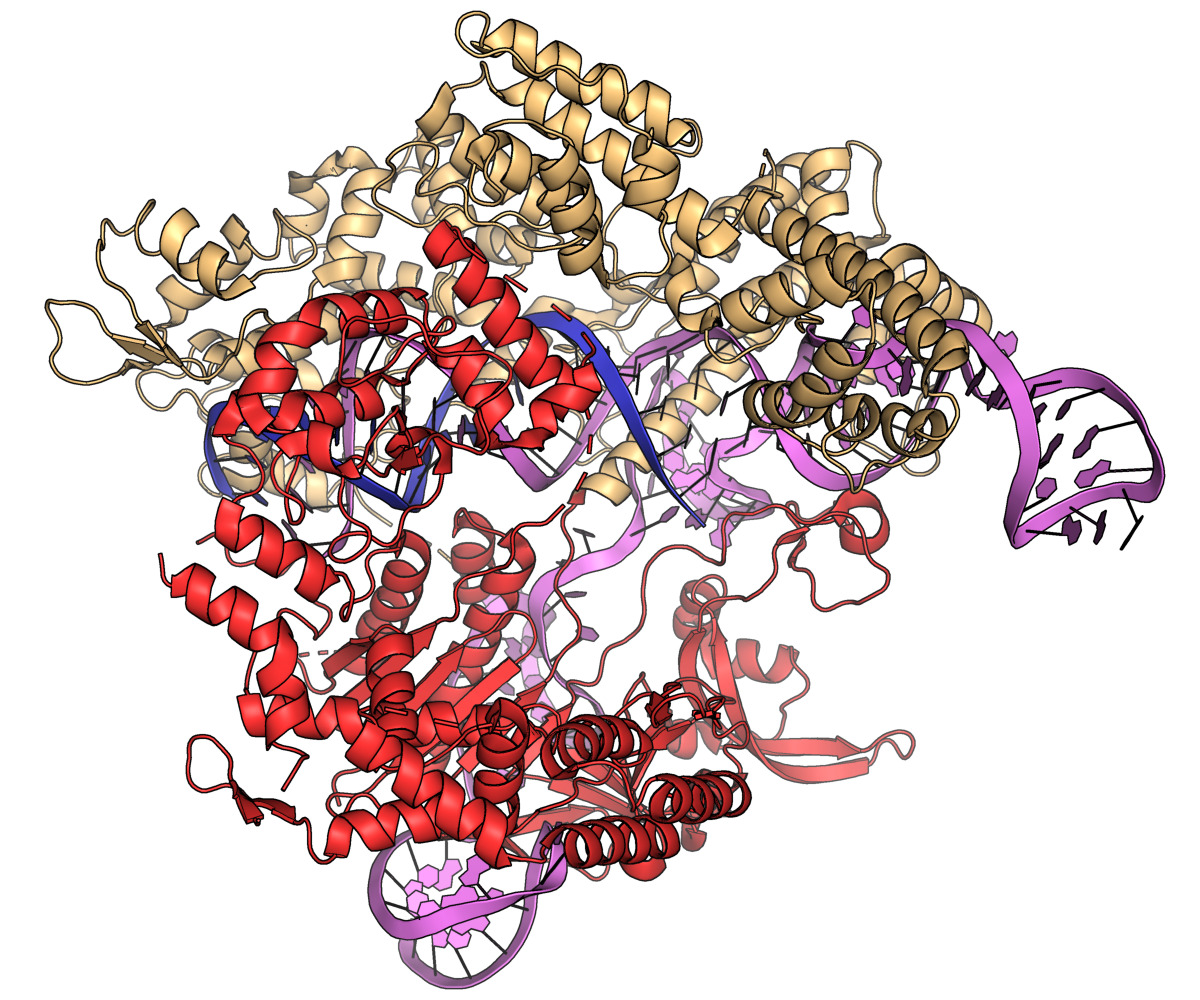
When scientists try to create a new drug, they need to know exactly how a specific molecule will bind to a target protein in your body. Molecules are not simple blocks of Lego; they are complex, dynamic clouds of quantum probability. They involve electrons interacting, repelling, and sharing in ways that are mathematically explosive.
When you try to simulate a complex molecule on a standard supercomputer (the "classical" computers we have used for decades), the math gets too big. If you want to simulate just one moderately sized caffeine molecule precisely, a classical computer struggles. If you want to simulate a massive, complex protein? The universe would end before a standard computer could finish the calculation. Because of this limitation, researchers have always had to use approximations and educated guesses. And in drug discovery, a bad guess means a failed clinical trial and years of wasted effort.
How Does Quantum Simulation Model a Drug Molecule?
Quantum simulation models a molecule by using quantum mechanics itself rather than approximating it.
Instead of trying to force a classical computer to guess how quantum mechanics work, a quantum computer operates using quantum mechanics. It doesn't calculate the physics; it inherently mimics it. As Richard Feynman famously predicted decades ago, if you want to simulate nature, you need a quantum machine.
In 2026, we have finally reached the era of "utility-scale" quantum computers. In a lab using these machines, a team that wants to see whether a new compound will successfully inhibit a specific cancer protein no longer has to rely on flawed approximations.
Researchers feed the molecular parameters into a quantum simulator. The quantum bits (qubits) physically entangle and arrange themselves into a state that mathematically mirrors the exact energy state of the real-world molecule. The simulation shows how the drug will behave at a subatomic level before anyone ever steps foot in a physical laboratory to synthesize it.
What Impact Will Quantum Simulation Have on Healthcare?
Quantum simulation moves medicine from a paradigm of "discovery" to a paradigm of "design," and the implications are staggering.
- Slashing Timelines: What used to take four years of synthesizing physical compounds and testing them in petri dishes can now be modeled in a few weeks of quantum processing time.
- Targeting the "Undruggable": There are hundreds of diseases—including specific types of Alzheimer's and rare genetic disorders—that involve proteins previously considered "undruggable" because their structures were too complex to map. Quantum simulation is finally cracking those codes.
- Reducing Side Effects: By simulating how a molecule will interact not just with the target disease, but with other random proteins in the human body, researchers can predict and screen out severe side effects before human trials even begin.
Is Biology Becoming an Information Science?
Biology is shifting from an experimental science toward an information science. While we might not all have a quantum computer on our desks anytime soon, much of the medicine sitting in our cabinets over the next few years may well be born from one. The era of precision quantum medicine has begun, and it has the potential to save countless lives.