Why Ditch Your Smartwatch for a Smart Ring in 2026? A Minimalist Health Tracking Review
- Technology
- Exienent
- · Updated
The main reason to swap a smartwatch for a smart ring is to keep the health data while dropping the screen and the constant notifications. A ring is comfortable enough to wear all night, which can make sleep tracking more complete, and it never buzzes for your attention; the trade-off is losing everything a screen does.
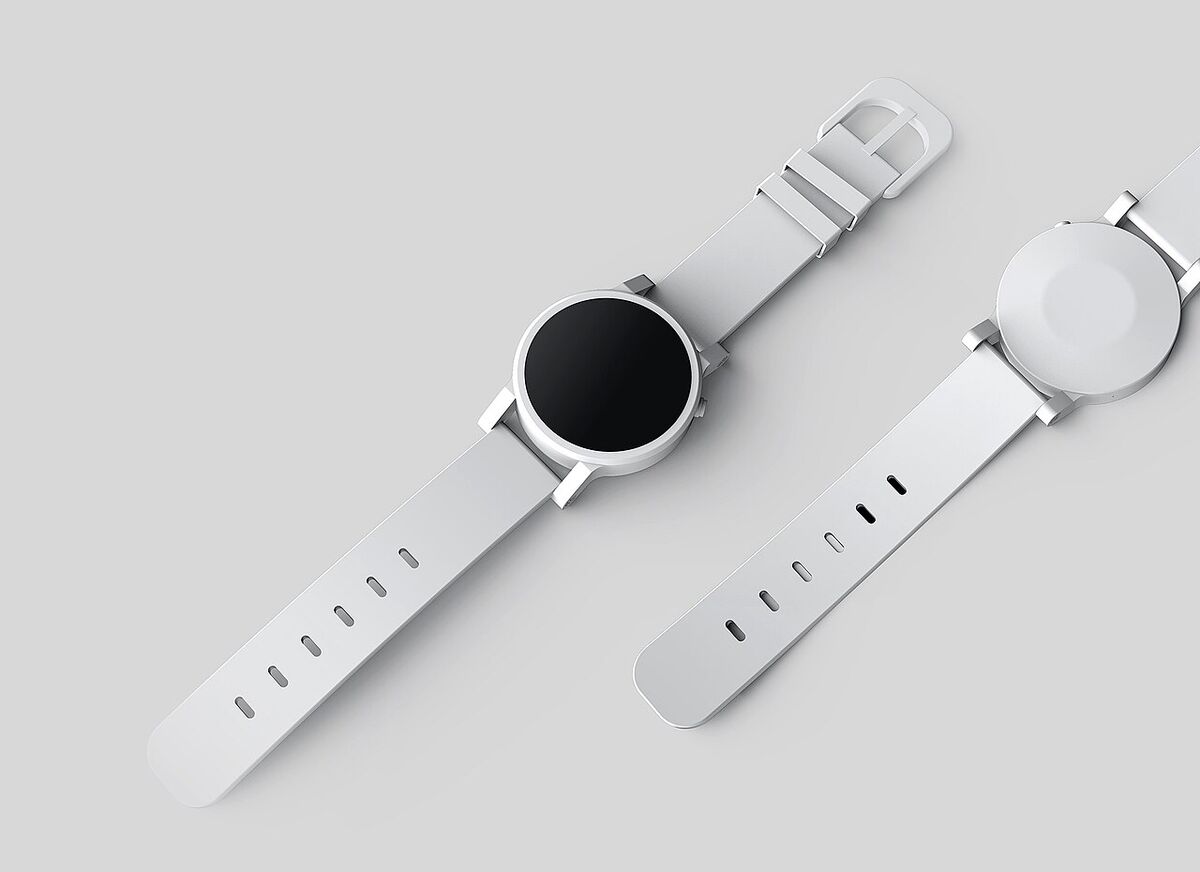
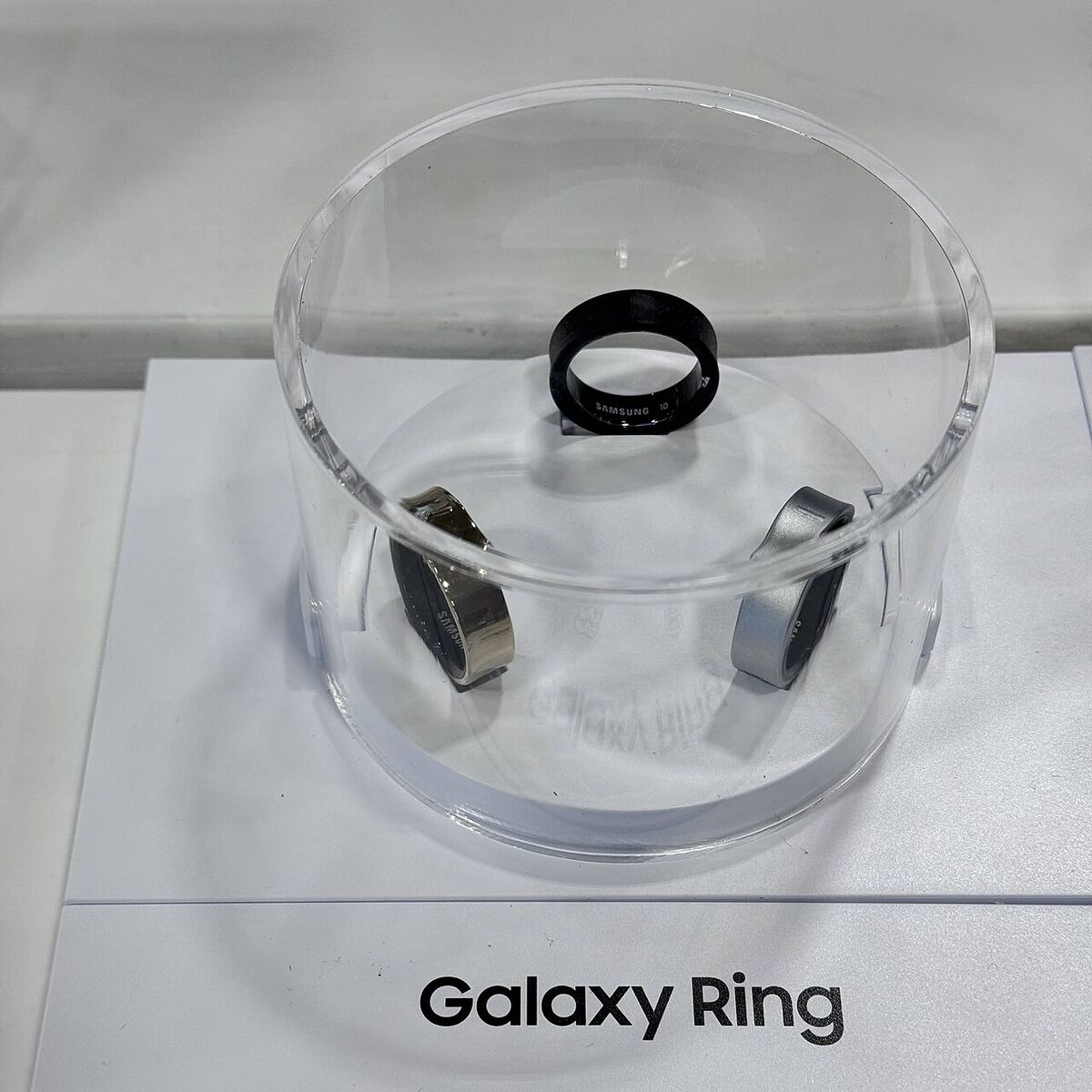
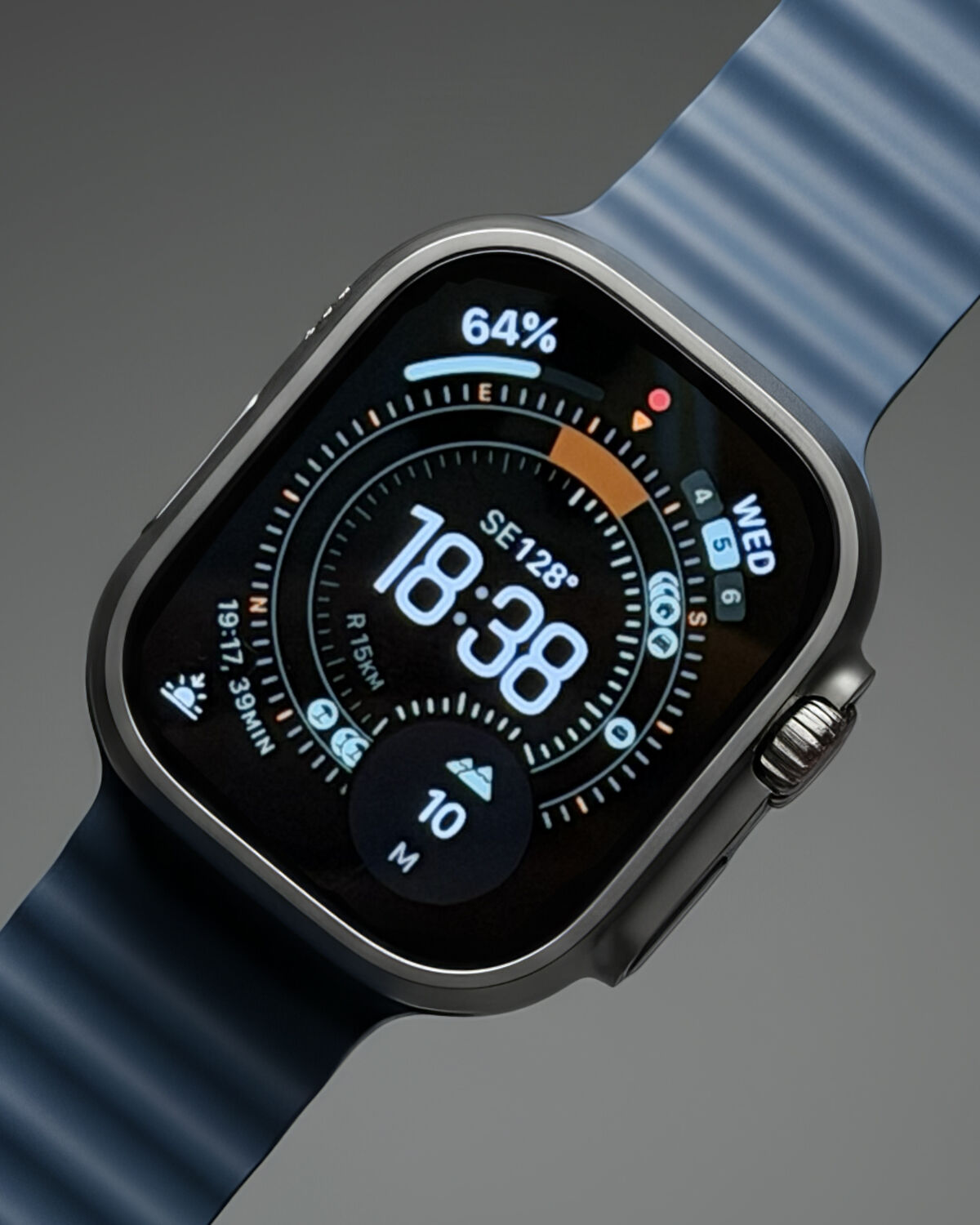
Smartwatches track runs, buzz the wrist for every email, and promise to monitor sleep. But a glowing screen on the wrist is a constant distraction, and sleeping with a chunky hunk of metal and glass is not always comfortable. For anyone who wants the health data without the notifications, the biggest wearable trend of 2026 offers an alternative: trading the smartwatch for a smart ring. Here is why the switch can make sense, based on how leading smart rings (including the one everyone is talking about this year) work.
What Does It Feel Like to Wear a Smart Ring Instead of a Watch?
Wearing a smart ring mostly means noticing what you don't feel. There is no heavy strap digging into your wrist while you type at a keyboard, and no screen lighting up a dark movie theater because you moved your arm.
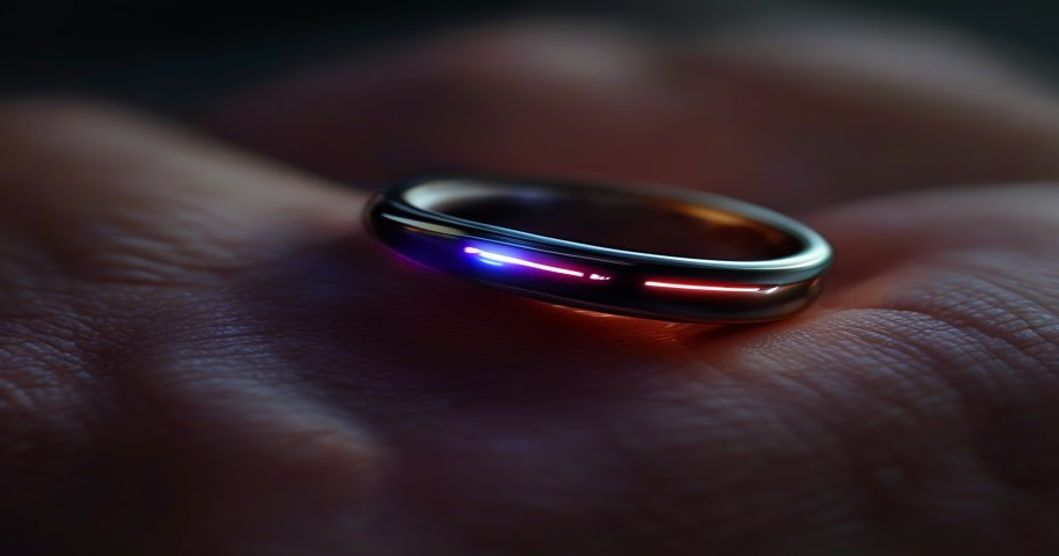
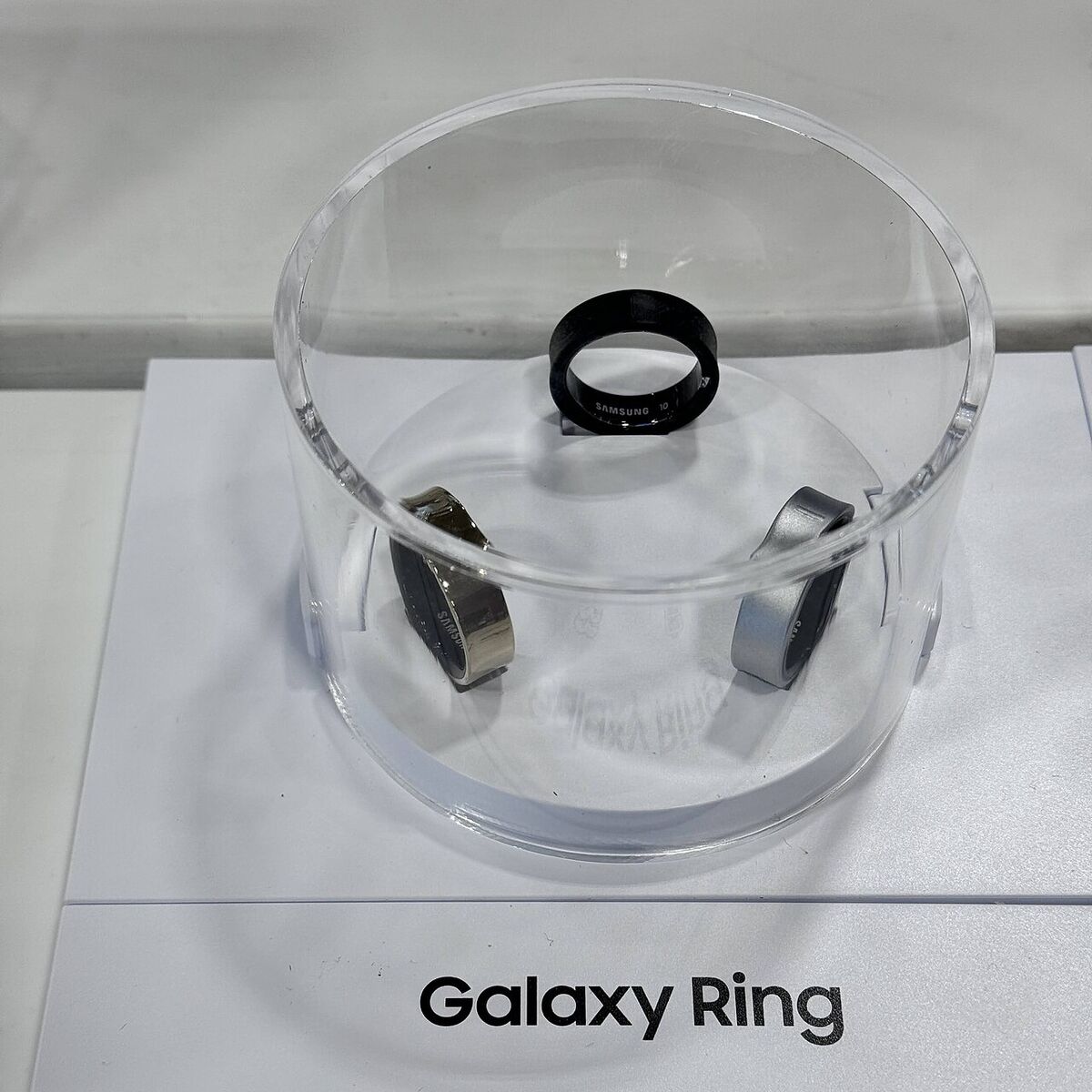
It is easy to forget you are wearing one within a day. A smart ring looks like a sleek, modern piece of titanium jewelry, so it can go to the gym, into the shower, and even to a formal dinner without looking like a jarring piece of tech hardware. It just sits quietly on your finger, doing its job in the background.
Is Smart Ring Sleep Data More Reliable Than a Smartwatch?
A smart ring can produce more complete sleep data, mainly because it is comfortable enough to stay on all night. A smartwatch can track sleep in theory, but it is easy to take off in the middle of the night when it feels suffocating, and its heart rate sensor can lose contact with the skin in an awkward sleeping position.
A smart ring sits snugly against the arteries in your finger, which can provide consistent readings. Because it is lightweight and comfortable, wearing it every night is realistic.
That can give a fuller, less interrupted picture of deep sleep cycles, resting heart rate, and overnight body temperature. The companion app uses this passive data to estimate how recovered you are when you wake up, which can help guide how hard to train that day.
Can a Smart Ring Reduce Notification Fatigue?
Yes. Because a smart ring has no screen and does not vibrate, it removes the constant taps that a smartwatch delivers.
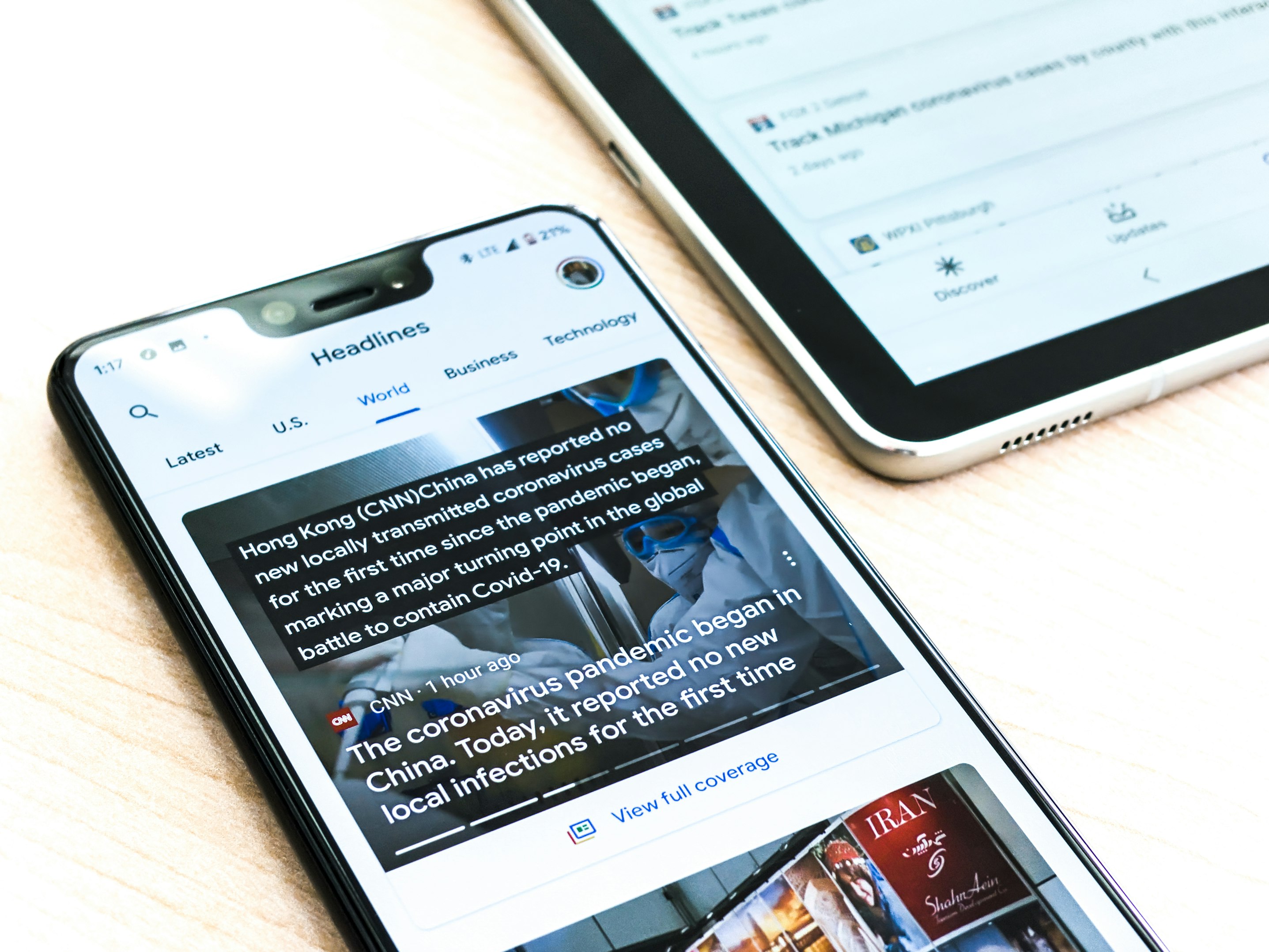
A smartwatch is essentially a second smartphone on your wrist. Every Slack message, calendar alert, and junk email becomes a physical tap on your arm demanding attention, which can create a low-level, constant hum of anxiety.
A smart ring severs that connection. It only collects data and never demands attention, so you go back to checking your phone on your terms rather than reacting to a machine on your wrist.
If you are tired of notification fatigue but still want to seriously track your health, fitness, and sleep metrics, I think a smart ring is well worth considering. In 2026, we do not need another screen to stare at. Sometimes the most powerful piece of technology is the one you forget is there.