Can a Self-Flying Companion Drone Replace Your Travel Camera? Travel in 2026
- Review, Technology, Hardware
- Exienent
- · Updated
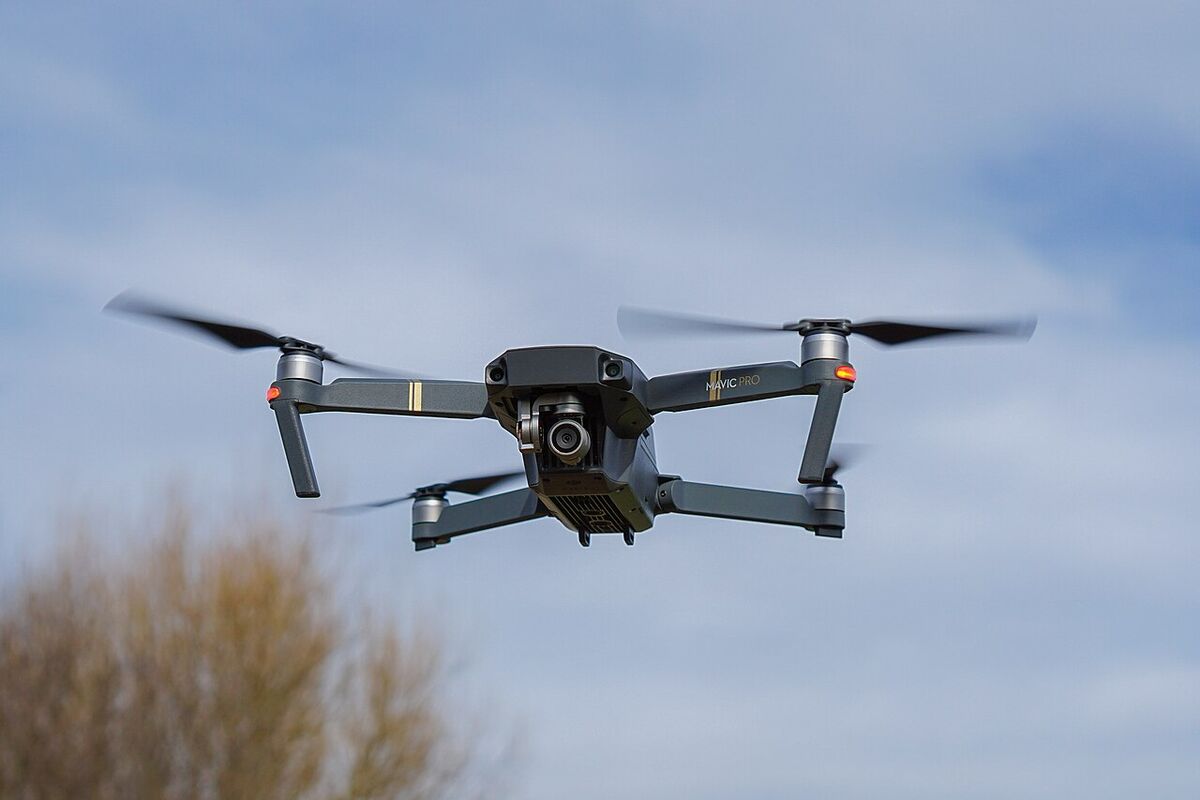
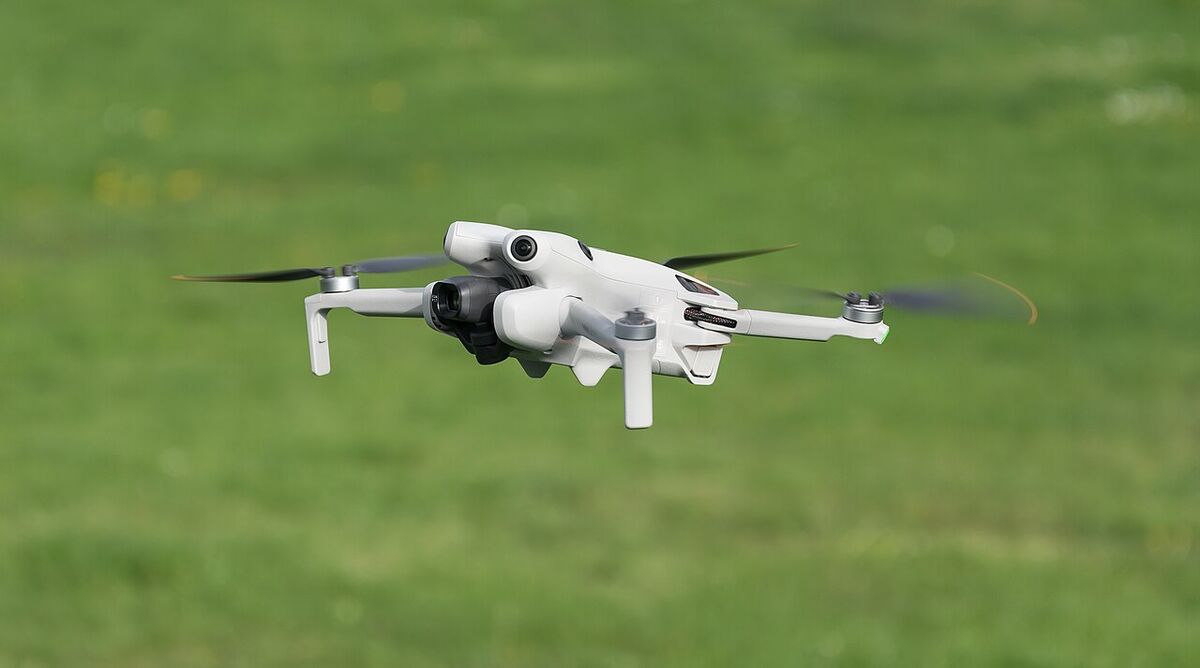
In 2026, a pocket-sized self-flying companion drone can replace a selfie stick and, for weekend trips, a traditional travel camera. Drones in the class of the HOVERAir X1 and DJI Neo weigh around 130 grams, launch from your palm without a controller, and track you automatically, but short flight time, wind, and audio remain real limitations.
A few years ago, the process of taking a good travel photo involved a delicate, slightly embarrassing ritual. You'd scout a location, desperately try to find someone who looked like they wouldn't steal your phone, hand it over, and awkwardly pose while they took a dozen slightly blurry, poorly framed shots. Or worse, you used a selfie stick.
When pocket-sized drones like the early HOVERAir X1 and the DJI Neo started popping up, they felt like a novelty. Today, a companion drone is a small piece of plastic that lives in a jacket pocket, launches from your palm, and follows you around like a highly trained robotic falcon. Relying on one changes how you document your life, and the experience is both incredibly freeing and mildly dystopian.
How Easy Is a Companion Drone to Launch?
It takes seconds, because there is no setup. The most significant shift isn't the aerial perspective; it's the total elimination of setup time. With traditional drones, you had to unfold the arms, connect your phone to a controller, wait for GPS lock, and actively pilot the thing. It made you a drone operator, not a participant in your own life.
Some current companion drones don't even have a controller.
You pull it out of your pocket, press a single physical button on its chassis to select a flight mode (such as "Follow" or "Orbit"), and let it go. It hovers instantly, framing you using onboard computer vision and AI subject tracking. It doesn't rely heavily on GPS, instead using downward-facing vision sensors to map the environment and avoid obstacles.
On a forest trail, you can simply toss it into the air and let it track you from behind, weaving through branches and keeping you centered in the frame. To bring it back, you hold out your palm, and it lands gently, cutting its motors instantly. Because the whole process takes seconds, you actually use it.
Do Companion Drones Bother People in Public?
Much less than older drones. The bigger hurdle can be social anxiety rather than the technology.
In the early days, flying a drone in public felt inherently intrusive. They were loud, looked vaguely militaristic, and screamed, "Look at me!" Modern companion drones have tackled this by completely redesigning the acoustics. They aren't silent, but the high-pitched whine has been engineered into a softer, low-frequency hum that blends into background noise.
More importantly, the form factor is inherently friendly. Because the propellers are fully enclosed in protective cages, it doesn't feel dangerous. People are less likely to worry it's going to slice their fingers off, and some may simply stop, point, and ask, "Wait, is that thing just following you?"
It has essentially normalized the idea of a flying tripod. On a crowded beach, it can hover a few feet away, take a quick burst of photos, and land. That is faster and less obtrusive than setting up an actual tripod or bothering a stranger.
What Are the Limitations of Companion Drones?
Battery life, wind, and audio are the main weak points. As magical as it feels to have a robotic cameraman, the technology isn't flawless.
- Battery life. Because these drones are engineered to be as light as possible to bypass aviation regulations (falling well under the 250-gram limit), they can't carry large batteries, so flight time per charge is short. You don't use a companion drone to film a 30-minute documentary; you use it to capture 30-second clips of a specific moment. Spare batteries and a charging case that doubles as a power bank help, but power management is always a consideration.
- Wind. While the software stabilization is bordering on black magic, a 130-gram piece of plastic simply cannot fight a stiff ocean breeze. On coastal cliffs, a strong headwind can push the drone out to sea while it struggles to return.
- Audio. Drones are inherently noisy, so onboard microphones are useless. To get good audio for video, you have to wear a wireless mic that syncs with the drone's footage via your phone. It works well, but it's one more piece of hardware to remember to charge.
How Do Companion Drones Change Travel Photography?
They shift travel from "taking a photo" to "capturing a scene." We are rapidly moving into that new era.
Having a drone that can autonomously orbit you, pull back for a dramatic reveal, or track you running down a trail means that your personal memories start looking like high-budget commercials. It democratizes cinematography.
But it also forces you to exist in front of the camera more than behind it. When the drone is doing the filming, you are suddenly the main character in the footage. It's fantastic for solo travelers or couples who actually want to be in the same photo together, but it does require getting comfortable with performing for a floating piece of plastic.
In my view, the trade-off is worth it. The friction of capturing a memory drops to almost zero, with no fumbling with a phone or asking strangers for favors. The camera now flies, and travel feels just a little bit more like the future we were promised.