The 3-Second Hack to Sharpen Dull Scissors Using Aluminum Foil
- Lifestyle, Review
- Exienent
- · Updated
You can touch up dull household scissors by cutting through a strip of aluminum foil folded six to eight layers thick. Make 10 to 15 long cuts using the full length of the blades, wipe them clean, and the edge can cut noticeably better—no sharpening stone required.
Can Aluminum Foil Really Sharpen Scissors?
Yes, it can help restore a dull edge. We've all been there: you're trying to cut through thick wrapping paper or open a stubborn plastic package, but your scissors just fold the material instead of cutting it. Dull scissors can tear fabric rather than slice it cleanly, and your first instinct might be to toss them out and buy a new pair.
A specialized sharpening stone or a trip to a professional sharpener can feel like too much hassle for a cheap pair of scissors. The alternative sounds like an old wives' tale: sharpening dull blades with nothing but a piece of aluminum foil from the kitchen drawer. It's not a myth, and it costs next to nothing to try.
How Do You Sharpen Scissors With Aluminum Foil?
You don't need any special tools, just your dull scissors and a piece of standard kitchen aluminum foil.
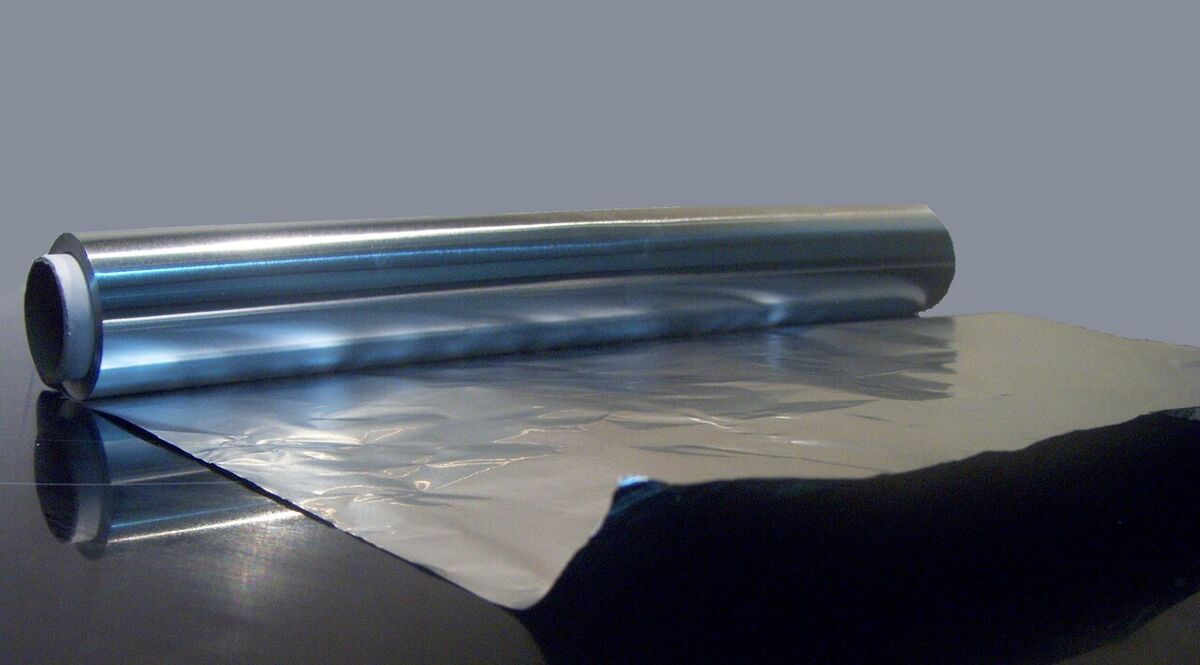
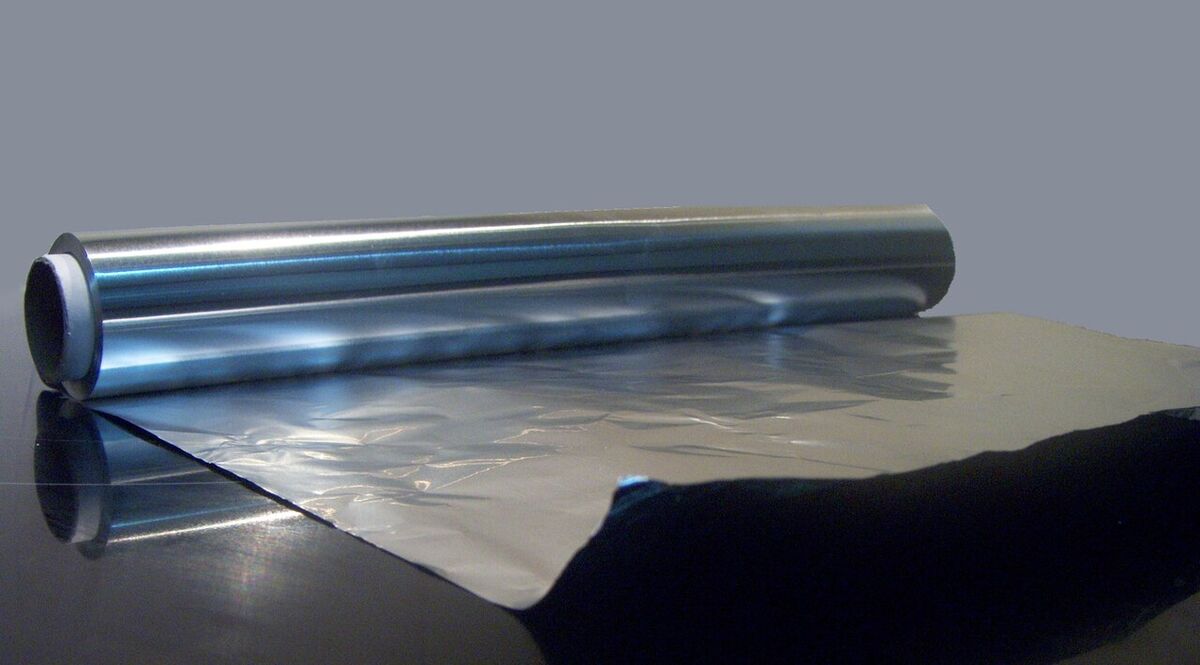
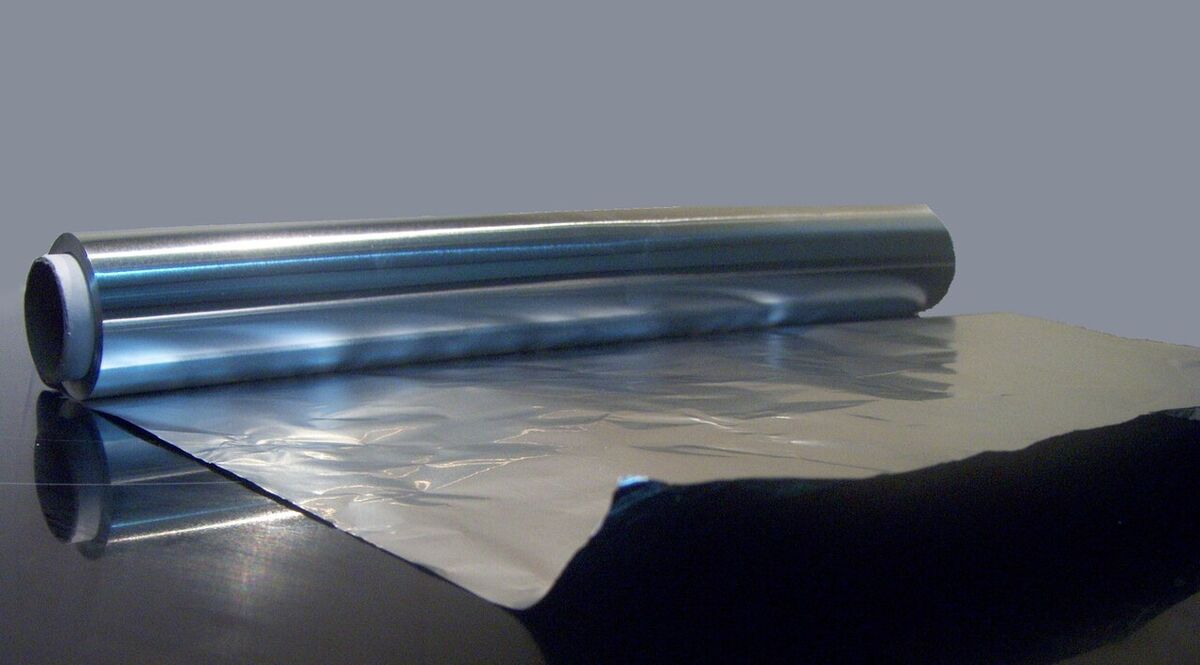
- Fold the foil: Tear off a piece of aluminum foil, roughly the length of your forearm. Fold it in half, then in half again, and maybe one more time. You want to create a thick, sturdy strip of foil, about six to eight layers thick. This thickness is crucial because it provides enough resistance against the blades.
- Start cutting: Take your dull scissors and simply start cutting the folded strip of aluminum foil into long, thin strips. Make sure you are using the entire length of the scissor blades, from the base right near the hinge all the way to the tips.
- Repeat the process: Cut the foil strip maybe 10 to 15 times. You may feel the blades starting to grip the foil better with each cut.
- Wipe them down: Once you're done, take a damp paper towel and carefully wipe down the scissor blades. This removes any tiny, microscopic bits of aluminum dust that might have been left behind.
Why Does Cutting Foil Sharpen Scissors?
Cutting foil works because the soft metal hones the blade's microscopic edge rather than grinding it away. It seems counterintuitive—how can cutting soft metal sharpen hard steel?
The secret is friction and the microscopic edge of your scissors. When scissors get "dull," the extremely fine, microscopic edge of the blades usually hasn't worn away entirely; it has often just rolled over slightly or developed tiny burrs and irregularities from cutting hard materials.
When you cut through multiple layers of aluminum foil, the soft metal creates a very specific type of friction against the steel blades. This friction acts like a microscopic honing steel (similar to what chefs use on their knives). It physically pushes that rolled-over edge back into alignment and gently smooths out the tiny burrs, restoring the sharp, clean cutting edge.
Should You Replace Dull Scissors or Sharpen Them?
Try sharpening them first. After a few passes through foil, test the scissors on whatever material was giving you trouble; they can slice through it far more cleanly than before.
Next time you find yourself struggling with a dull pair of scissors, don't rush out to buy replacements. Head to your kitchen, grab some aluminum foil, and give them a quick sharpening session. It's a practically free, eco-friendly way to extend the life of your household tools!