Why Shoe Polish is the Ultimate Hack for Hiding Furniture Scratches
- Lifestyle
- 02 Oct, 2026
A few days ago, I was moving a heavy lamp across my dark walnut coffee table, and I heard that terrible, heart-sinking sound: a sharp scrape against the wood. I looked down to find a bright, glaring scratch right in the middle of the surface.
My first thought was to go online and buy one of those specialized furniture repair kits. You know the ones—they come with a dozen different colored wax crayons and tiny bottles of stain that never seem to perfectly match. Before spending the money and waiting for shipping, I remembered a tip an old antique dealer once gave me. He said the best tool for fixing minor scratches on dark wood was already sitting in my closet: shoe polish.
I was skeptical, but I decided to give it a try. To my absolute amazement, the scratch didn't just fade; it practically vanished.
Why Shoe Polish Works on Wood
It might seem weird to put shoe products on your expensive furniture, but it actually makes perfect sense. Wood and leather are both porous, natural materials.
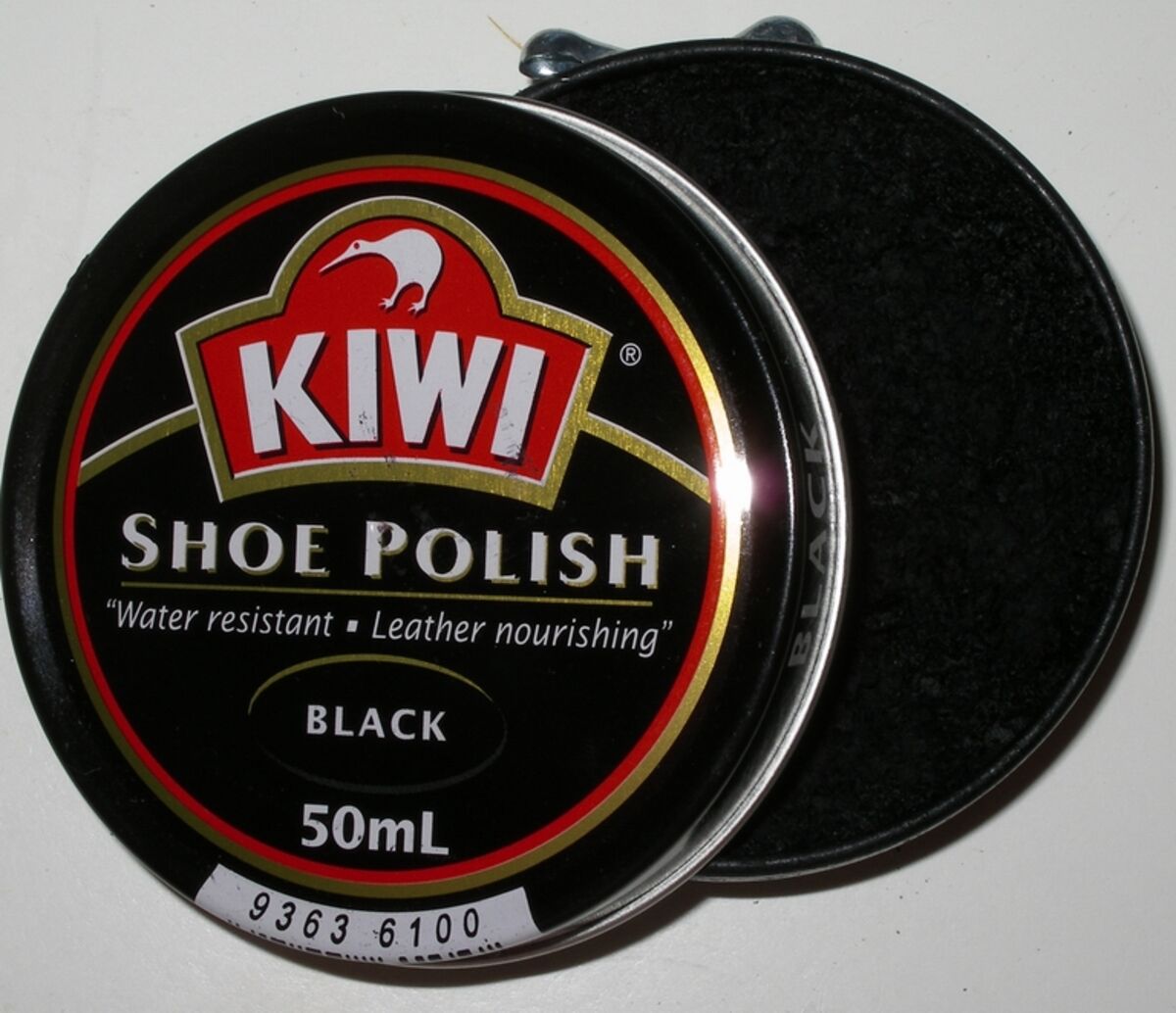
Shoe polish, specifically the paste or wax kind (not the liquid sponge applicators), is heavily pigmented and packed with natural waxes like carnauba or beeswax. When you apply it to a scratch on wooden furniture, the pigments soak into the exposed, lighter-colored raw wood, staining it to match the surrounding area. Meanwhile, the thick wax fills in the physical indentation of the scratch, leveling out the surface. Once buffed, the wax hardens and creates a protective, shiny seal.
How to Use Shoe Polish on Furniture Scratches
This hack works best on medium to dark woods, like mahogany, walnut, dark cherry, or espresso-stained oak.
- Clean the area: Before you do anything, take a slightly damp microfiber cloth and wipe down the scratched area. You want to make sure there is no dust or debris caught inside the scratch. Let it dry completely.
- Pick the right color: This is the most important step. Look at your shoe polish collection. You want to choose a color that is a close match, but if you have to guess, always err on the side of a slightly darker shade than your furniture. A slightly darker scratch will blend in and look like natural wood grain; a lighter scratch will stand out. For my walnut table, dark brown polish was perfect.
- Apply the polish: Take a cotton swab (Q-tip) or a small corner of a rag. Dip it into the tin of paste shoe polish. You don't need a huge glob, just enough to coat the tip. Gently rub the polish directly into the scratch. Make sure you are pushing the paste down into the groove.
- Let it sit: Give the polish a few minutes (about 5 to 10 minutes) to really soak into the raw wood fibers. This allows the stain to set.
- Buff it out: Take a clean, dry microfiber cloth and aggressively buff the area in a circular motion. You want to wipe away all the excess polish on the surface of the table, leaving only the polish that is trapped inside the scratch. As you buff, the wax inside the scratch will heat up slightly from the friction, leveling out and creating a beautiful shine that matches the rest of the table.
If the scratch is very deep, you might need to repeat this process two or three times to build up enough wax to completely fill the gap.
Next time you accidentally scrape your favorite wooden chair or table, don't panic. Head to your closet, grab a tin of shoe polish, and buff that scratch right out of existence!