Sleep Divorce: A Couple's Choice for Better Sleep
- Lifestyle
- Exienent
- · Updated
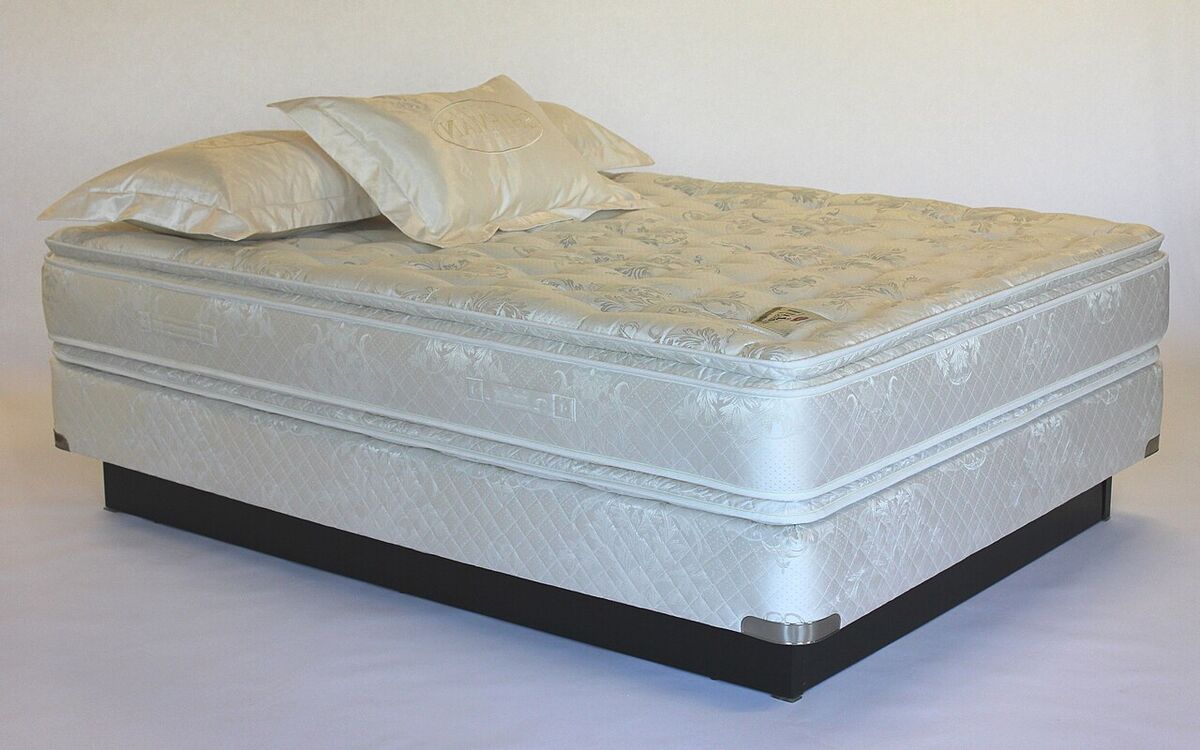
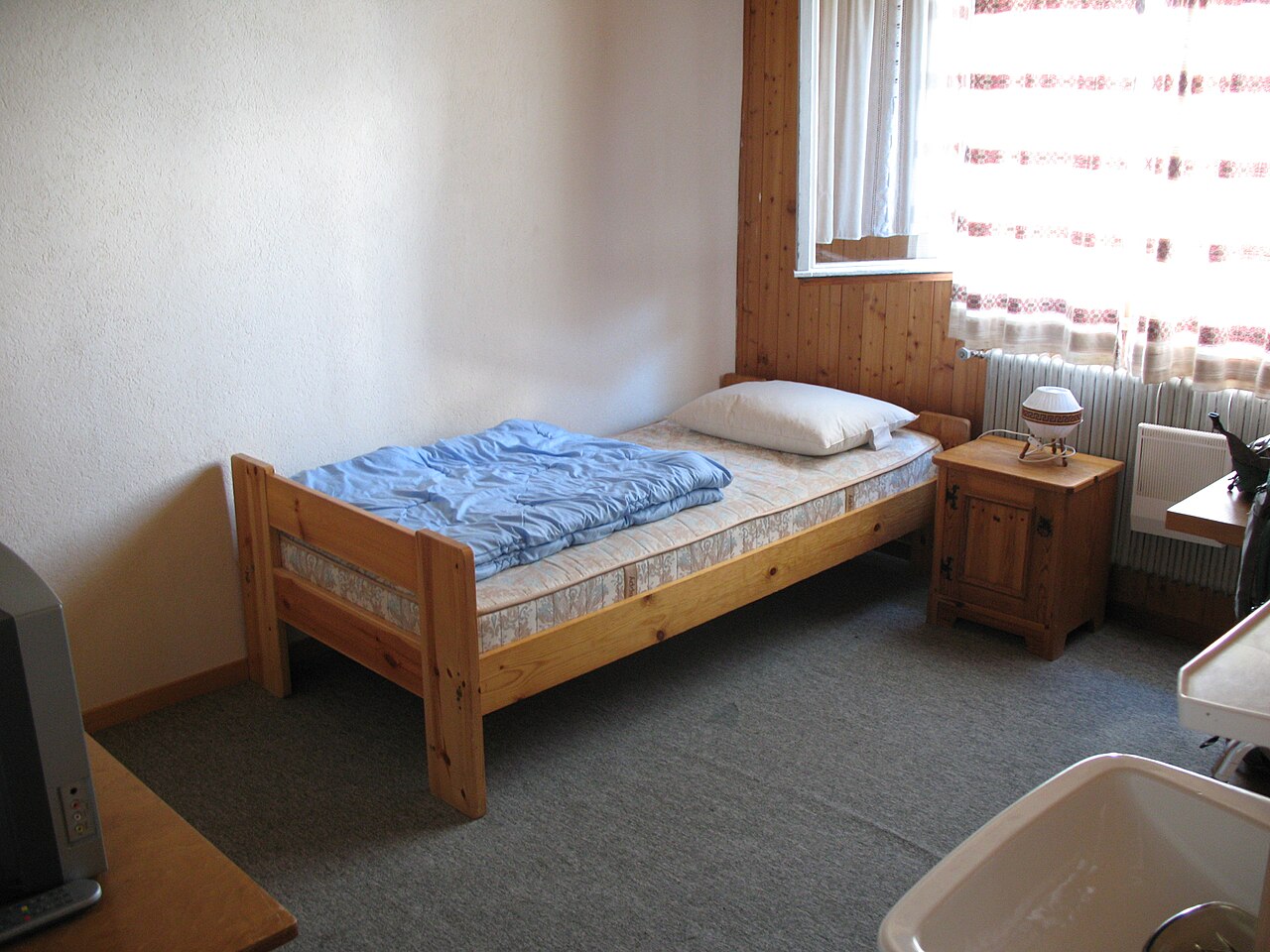
A 'Sleep Divorce' is when a couple chooses to sleep in separate beds or rooms so both partners can rest better. Despite the name, it isn't a sign of a troubled relationship; it is a practical 'sleep quality improvement method' that can work well for couples with mismatched sleep habits, as long as they agree on how to stay close.
The idea can feel uncomfortable at first: "Couples sleeping in separate rooms?" But nights spent putting up with a partner's snoring or blanket-stealing can leave someone with dark circles practically down to their chin. For couples in that situation, trying separate rooms for a set period, such as a month, is a low-risk experiment.
Why Do People Get a Sleep Divorce?
People get a sleep divorce for one simple reason: so both partners get a good night's sleep and face each other in a good mood the next day. People's sleep patterns can be incredibly different.
- Temperature Differences: Some like to sleep cool, while others need it to be warm to fall asleep.
- Sleep Cycles: When an early-bird meets a night-owl, both can end up exhausted.
- Physical Disruptions: Snoring, teeth grinding, tossing and turning... these aren't things you can just fix by putting up with them.
Ultimately, the difference in 'sleep environment' is something love alone can't always overcome.
What Are the Benefits of a Sleep Divorce?
The main benefits of a sleep divorce are better rest, less friction, and more personal space.
- Mornings Can Become Refreshing Without a partner's snoring or tossing, it may be easier to sleep through the night, and some people may even wake up before the alarm goes off. Better sleep quality can also make it easier to concentrate during the day.
- Fewer Couple Fights A sleepless night can lead to irritation that spills over into the morning, with comments like, "You snored so loudly last night!" When both partners wake up well-rested, mornings are more likely to start with a smile.
- Having Your Own Space Another advantage is being able to enjoy your own pre-sleep routine without interruptions. One partner can read a book while the other quietly watches YouTube, and both can fall asleep whenever they want.
Are There Any Cons or Things to Watch Out For?
Yes. The biggest concern is the fear of losing intimacy.
Setting a few rules together can help. For example, a couple might sleep together on weekends or days off, and make a point of visiting each other's rooms before bed or right after waking up for a quick chat and physical affection. The important part isn't the act of using separate rooms, but the process of agreeing and communicating with each other.
If snoring is loud or persistent, it may also be worth mentioning to a doctor, since separate rooms address the disruption but not its cause.
Should You Try a Sleep Divorce?
If you're stressed due to differences in sleep patterns with your spouse, I think it's worth trying with an open mind at least once. There's no rule saying you must sleep in separate rooms every night. Starting flexibly, like sleeping separately just a few days a week, is a sensible approach.
After all, it's a process of finding the sleep arrangement that works best for your relationship. Wishing everyone a deep, restful sleep tonight!