The Simple Jewelry Swap That Can Improve Your Sleep in 2026: Why Flat Back Earrings Are Taking Over
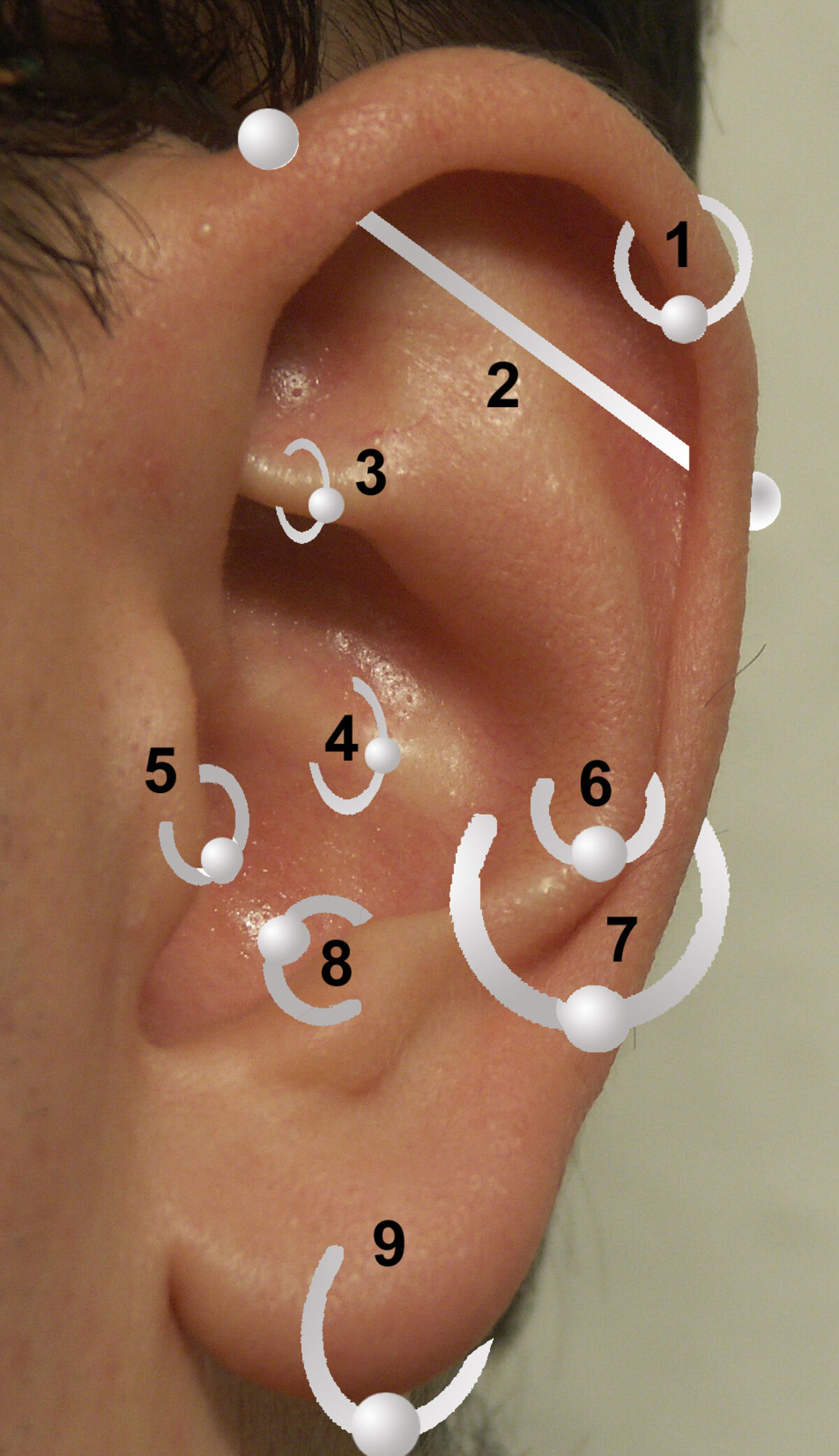
Flat back earrings replace the sharp post end and butterfly back of a traditional stud with a smooth, flat disc that sits against the back of your earlobe. With nothing pointed behind the ear, side sleepers can usually keep them in overnight without the post digging into their neck. The trade-offs are that they take more patience to change, and a healing piercing still needs protecting from pressure while you sleep.
What is a flat back earring?
A flat back earring is a stud whose post ends in a flat disc on the back of the ear, with the decorative front screwed or pressed into the post. Traditional studs push a post through from the front and hold it with a friction "butterfly" back, leaving the post's tip exposed behind the lobe. Flat backs are built like the labret-style jewelry professional piercers use, and the two connection styles you'll see match what the Association of Professional Piercers (APP) accepts for fresh piercings: internally threaded jewelry is part of the APP standard, and threadless (press-fit) jewelry is an acceptable alternative.
Can you sleep in flat back earrings?
Usually yes, if the piercing is healed. The flat disc lies against the skin instead of a post tip and butterfly back, so lying on your side puts much less pressure on a single point.
Healing piercings are different. The APP's aftercare guidance warns that sleeping directly on a healing cartilage piercing can cause irritation, and can even shift the piercing's angle, and it suggests resting the ear in the hole of a travel pillow. Flat backs are more comfortable, but they don't make it fine to sleep on a fresh piercing.
What metal should flat back earrings be made of?
Pick a metal you won't react to, because jewelry you sleep in stays against your skin around the clock. The APP's list for fresh piercings starts with implant-certified titanium (ASTM F-136), followed by implant-grade surgical steel, niobium, solid 14k-or-higher nickel-free gold and platinum; it doesn't accept gold-plated or gold-filled pieces. Nickel is the common problem: the American Academy of Dermatology says earrings, earring backs and watches are some of the biggest culprits of nickel allergy, and recommends nickel-free or hypoallergenic metals such as surgical-grade stainless steel, high-karat yellow gold or platinum.
What other benefits do flat back earrings have?
| Everyday annoyance | Butterfly-back stud | Flat back |
|---|---|---|
| Lying on your side | Post tip and back press into skin | Flat disc spreads the pressure |
| Hair, sweaters, sleep masks | Back can snag | Smooth profile rarely catches |
| Over-ear headphones | Post can dig in | Lower profile behind the lobe |
| Staying in place | Friction back can loosen | Threaded or press-fit ends hold firmly |
What are the downsides of flat back earrings?
The main downside is the learning curve. You insert the post from the back of the ear and attach the tiny front piece by feel, so the first few changes go best with a mirror, good light and patience. If you like to switch earrings every day, they can feel like a chore; they suit "base layer" pieces you leave in.
Are flat back earrings worth switching to?
For side sleepers and anyone who keeps earrings in all day, yes. Choose implant-grade titanium or another APP-listed metal, wait until a new piercing has healed before sleeping on it, and see a dermatologist if your earlobes get itchy or red, which can signal a nickel allergy.