Sleep Syncing Explained: Aligning Your Habits with Your Circadian Rhythm
Sleep syncing means aligning your daily habits, mainly when you eat and when you see light, with your body's natural internal clock (your circadian rhythm) instead of fighting it. It costs nothing but requires a real lifestyle change, and for people who wake up tired despite enough hours in bed, it may be worth trying.
Picture a typical "night owl" routine: dinner at 8 PM, scrolling on the phone until midnight, and then feeling like a zombie when the alarm goes off at 7 AM. On paper that is seven hours of sleep, yet it may not feel restful at all.
The term "Sleep Syncing" has been popping up on health blogs as a response to exactly that pattern. Below is what a strict routine looks like, what the hard parts are, and what may change if you stick with it.
What Does Sleep Syncing Actually Look Like?
Sleep syncing isn't about taking new supplements or buying expensive sleep trackers. It is mostly about timing. Your circadian rhythm is heavily influenced by two main external cues: Light and Food.
A strict sleep syncing routine means overhauling your evenings. An example routine:
- Circadian Fasting: Stop eating completely by an early cutoff, for example 6:00 PM. Digestion takes a lot of energy, and going to bed with a full stomach may make it harder for your body to settle into deep sleep.
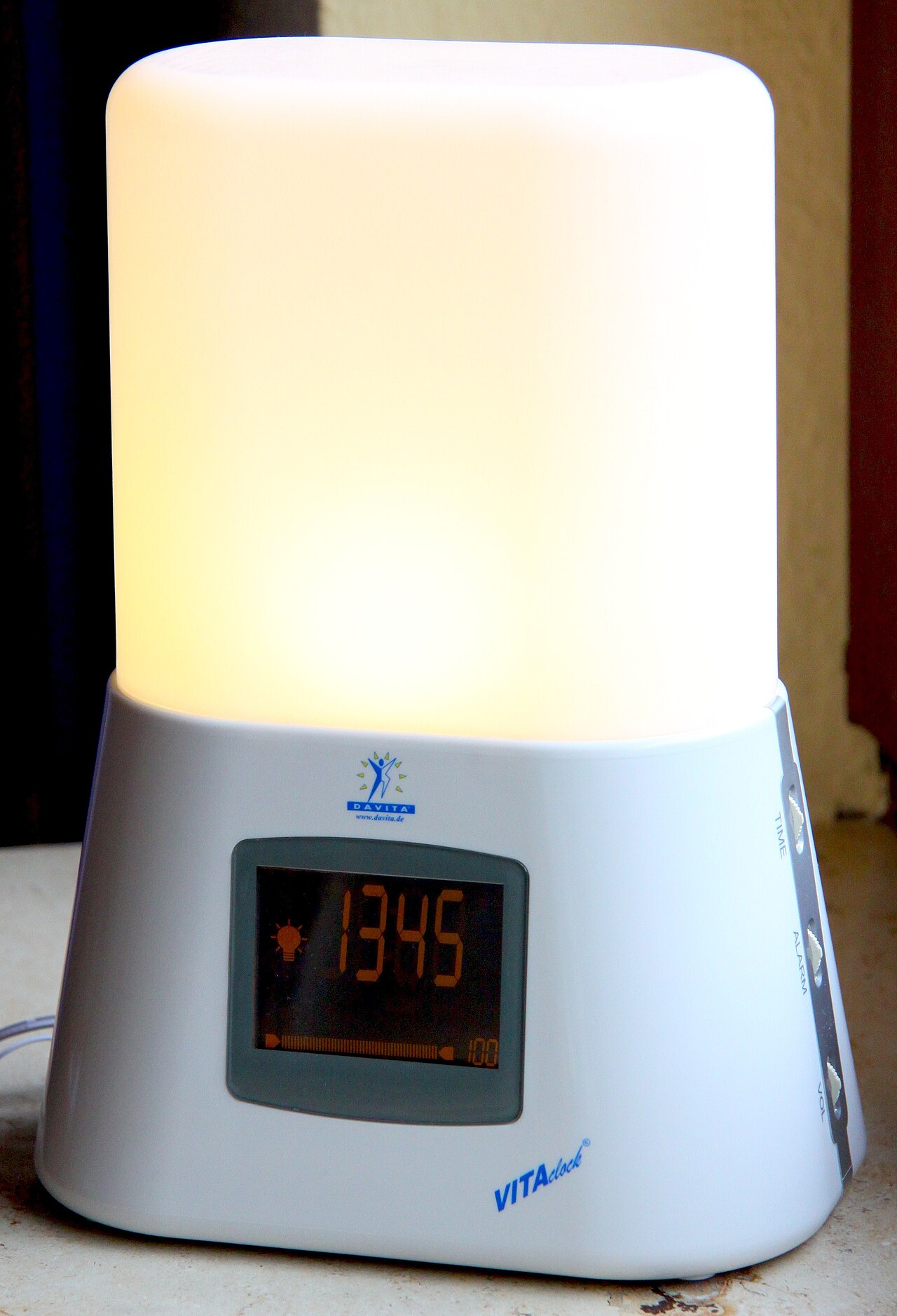
- The Light Curfew: At a set time, for example 9:00 PM, turn off overhead lights and use only dim, warm-colored lamps. More importantly, no screens after the curfew: no TV, no phone, no exceptions.
- Consistent Wake Times: Wake up at the same time every day, even on weekends, and get some direct morning sunlight (for example, 10 minutes) to signal to your brain that it is morning.
Why Is the First Week of Sleep Syncing So Hard?
The first week can be miserable because your old habits are still running the show. Hunger may hit hard late in the evening. The urge to check your phone or watch just one episode before bed can be overwhelming, and sitting in a dim room with a book may feel painfully boring to a dopamine-hungry brain.
The most frustrating part can be the sleep itself. If you are going to bed much earlier than usual, you may simply lie there staring at the ceiling, wide awake, until your body adjusts.
What Changes Might You Notice After a Few Weeks?
If the routine sticks, evening hunger may fade and sleep may start to feel different. Possible changes include:
- Fewer Middle-of-the-Night Wake-Ups: If you tend to wake in the early hours and struggle to fall back asleep, a steadier rhythm may help you sleep through the night more often.
- Waking Up Before Your Alarm: A consistent wake time can lead to naturally waking shortly before the alarm, feeling alert rather than groggy.
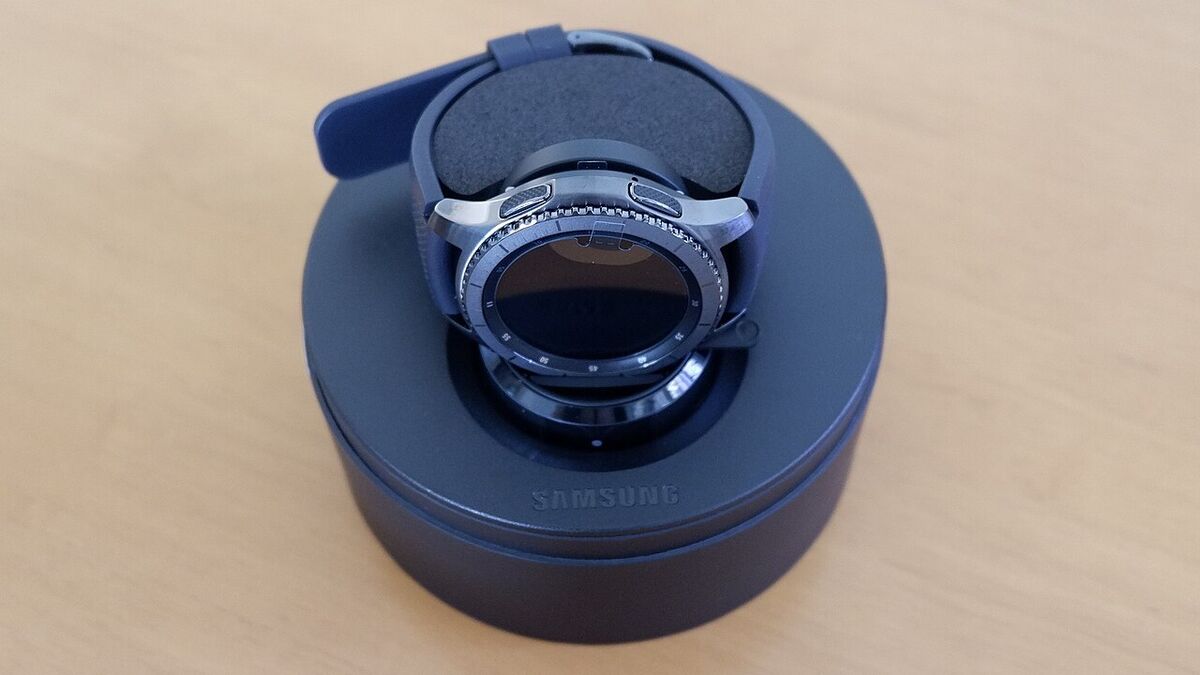
- Deep Sleep Metrics: A wearable tracker may show more time in "Deep Sleep." Eating earlier and avoiding blue light in the evening may give your body a better chance to fully wind down.
These are possibilities, not guarantees. Sleep is affected by stress, health conditions, and many other factors, and anyone with persistent insomnia or exhaustion should talk to a doctor.
Is Sleep Syncing Worth It?
I think it is worth trying if you constantly wake up exhausted regardless of how many hours you spend in bed.
It does require a significant lifestyle shift. You have to be okay with eating dinner earlier and being a bit "boring" in the evenings. In exchange, you may regain some natural energy and find it easier to start the day.
Your body works on a natural rhythm. Sometimes the most useful thing you can do is get out of its way and let it do its thing.