Time Blocking vs. Pomodoro: Which Time Management Method Actually Works Better?
- Lifestyle, Productivity
- Exienent
- · Updated
Neither method is universally better: the Pomodoro Technique works best for overcoming procrastination and grinding through repetitive tasks, while Time Blocking works best for juggling many projects and protecting long stretches of deep work. They are not competitors, and the two can be combined.
Here is the familiar problem both systems try to solve: you sit down at your desk at 9 AM, fully intending to tackle that massive project. You blink, and suddenly it is 3 PM, your inbox is full, you have five new tabs open, and that project hasn't been touched. Chronic unproductivity can easily hide behind "being busy." Below is a breakdown of how each method works, where it shines, and where it falls apart.
How Does the Pomodoro Technique Work?
The Pomodoro Technique is essentially working in short, intense bursts. You pick one task, set a timer for 25 minutes, and work with zero distractions until it rings. Then, you get a mandatory 5-minute break. After four cycles, you get a longer 15-30 minute break.
Pomodoro Pros
- The friction to start is gone: Telling yourself, "Just work for 25 minutes" is incredibly easy, even when you are dreading a task. It removes much of the overwhelming dread of starting a big project.
- Built-in burnout protection: Those mandatory 5-minute breaks actually force you to step away, stretch, and grab water.
Pomodoro Cons
- Interrupting deep work: Sometimes, just a few minutes before the timer ends, you finally hit your stride. You are deeply focused, coding or writing, and suddenly—BEEP. The timer demands you stop. Getting back into that flow state after a break can be difficult.
- Not great for unpredictable jobs: If your day is full of sudden meetings, phone calls, or putting out fires, rigid 25-minute blocks fall apart fast.
How Does Time Blocking Work?
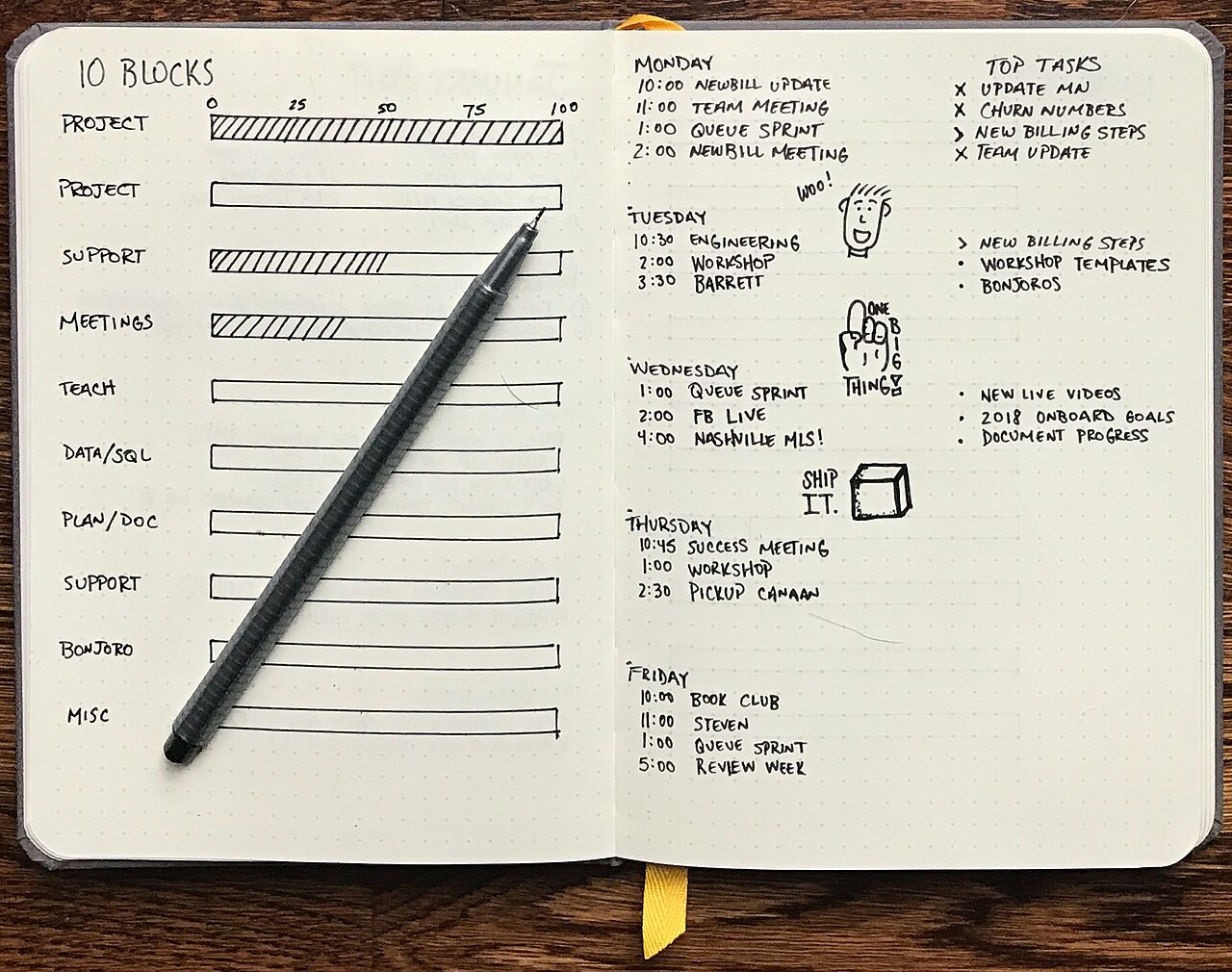
Time Blocking is completely different. Instead of tracking the duration of your work, you map out your entire day on a calendar, assigning specific chunks of time (blocks) to specific tasks. For example, 9 AM to 11 AM is strictly for "Deep Work," 11 AM to 12 PM is "Email and Admin," and 1 PM to 2 PM is "Meetings."
Time Blocking Pros
- Complete control over your schedule: Because everything is pre-planned, you don't have to waste mental energy asking, "What should I do next?" You just look at the calendar and follow the plan.
- Batching the boring stuff: Grouping small, annoying tasks (like emails and Slack messages) into one specific block, such as 45 minutes, keeps them from interrupting important work throughout the day.
Time Blocking Cons
- The "Tetris" anxiety: When a task takes longer than planned, it pushes everything else back. A beautifully color-coded calendar can turn into a stressful game of Tetris as you desperately try to rearrange the rest of the day.
- Requires discipline: Unlike a loud timer, a calendar block is easy to ignore if you lack the discipline to actually transition tasks when the block ends.
Which Method Should You Use?
The right choice depends on your personality and the kind of work you do, because these systems are designed for completely different types of people and tasks.
- Use the Pomodoro Technique if: You are prone to procrastination, get distracted easily, or are doing highly repetitive tasks (like data entry, studying flashcards, or clearing out a massive inbox). It is the ultimate tool for overcoming the initial resistance to start.
- Use Time Blocking if: You are a manager, have a lot of distinct projects to juggle, or need long, uninterrupted stretches for deep, creative work (like writing a book, designing a website, or deep coding).
Can You Combine Time Blocking and Pomodoro?
Yes. A hybrid can be a practical setup in 2026.
Use Time Blocking to structure the overarching architecture of your day—for example, blocking out a 3-hour chunk in the morning specifically for "Writing." Then, when you actually sit down during that block, fire up a Pomodoro timer to stay actively engaged and moving forward.
Stop trying to force yourself into a productivity system that doesn't fit your brain. Give both a try, take the best parts of each, and build a system that actually works for you.