Why 'Food Sequencing' Could Be the Easiest Eating Habit to Pick Up in 2026
Food sequencing means eating the parts of your meal in a set order: vegetables first, proteins and fats second, and carbohydrates last. You don't change what you eat, only the order, and the aim is to soften the blood sugar spikes that can follow a carb-heavy meal. For some people, that may translate into steadier energy after lunch.
A carb-first lunch, like a sandwich or a bowl of pasta with maybe a small side salad, can leave you foggy and heavy-eyed by mid-afternoon, reaching for another cup of coffee to get through the workday. It's easy to write that off as a normal part of getting older, but the order in which you eat may play a role.
What exactly is food sequencing?
Food sequencing is the practice of eating the different components of your meal in a specific, strategic order to minimize blood sugar spikes. You aren't necessarily changing what you eat, just the sequence in which you eat it.
The golden rule of food sequencing follows this order:
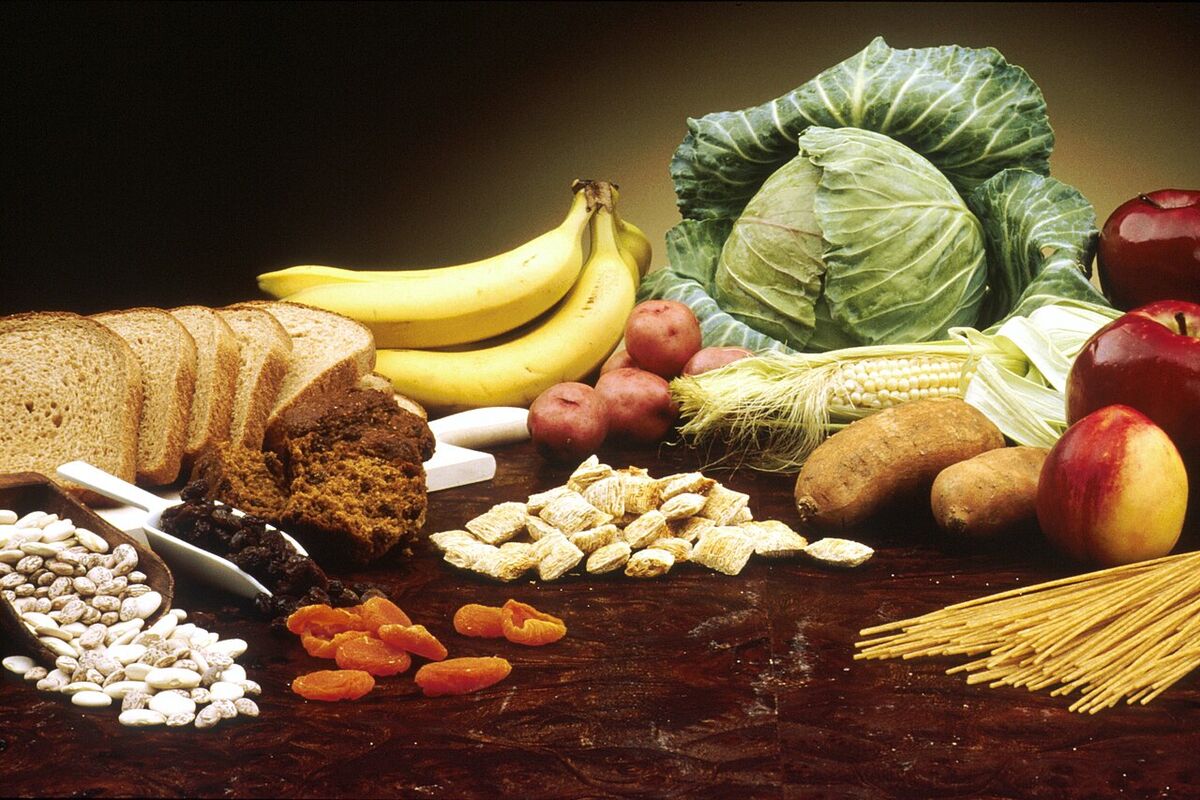
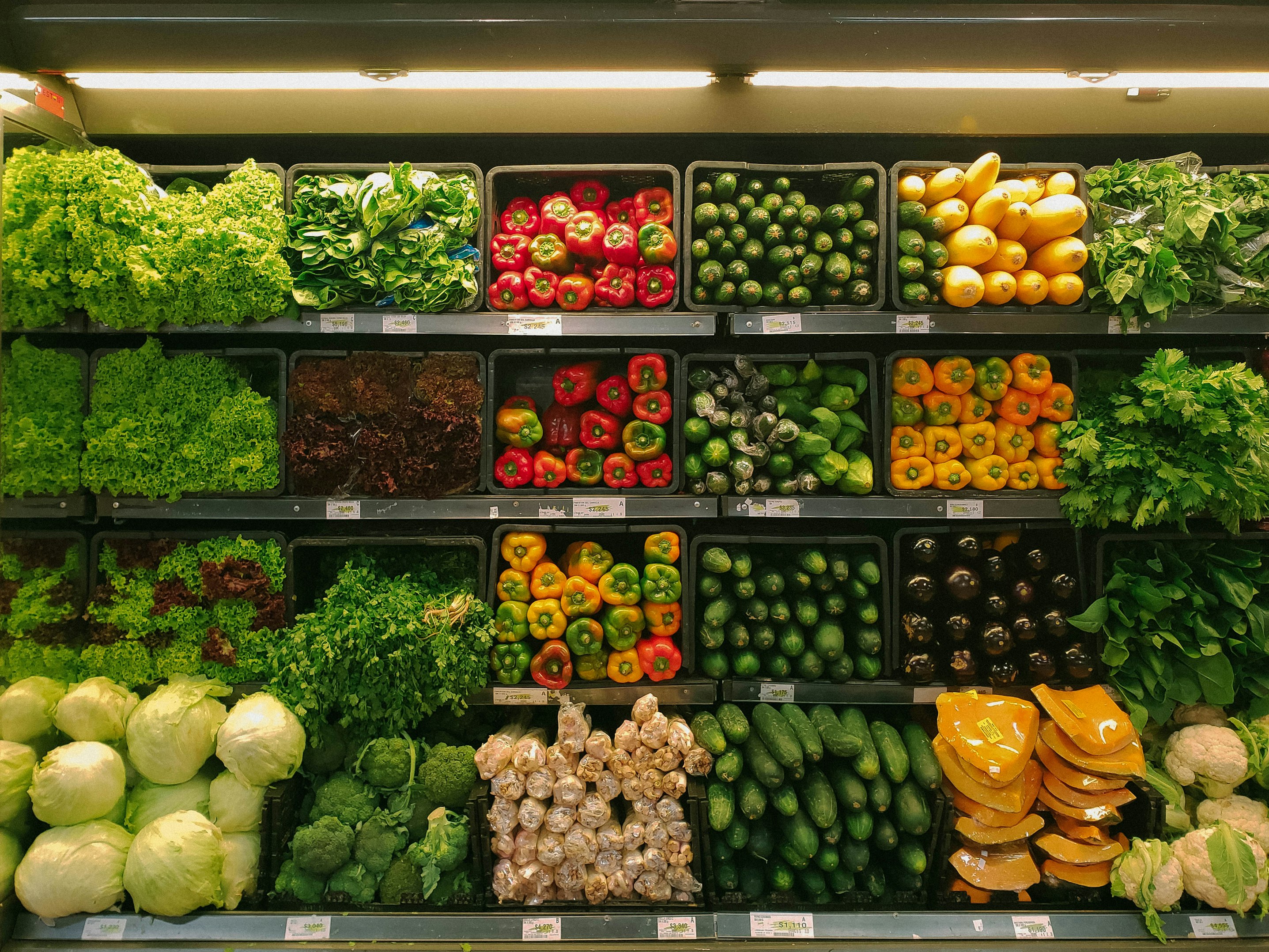
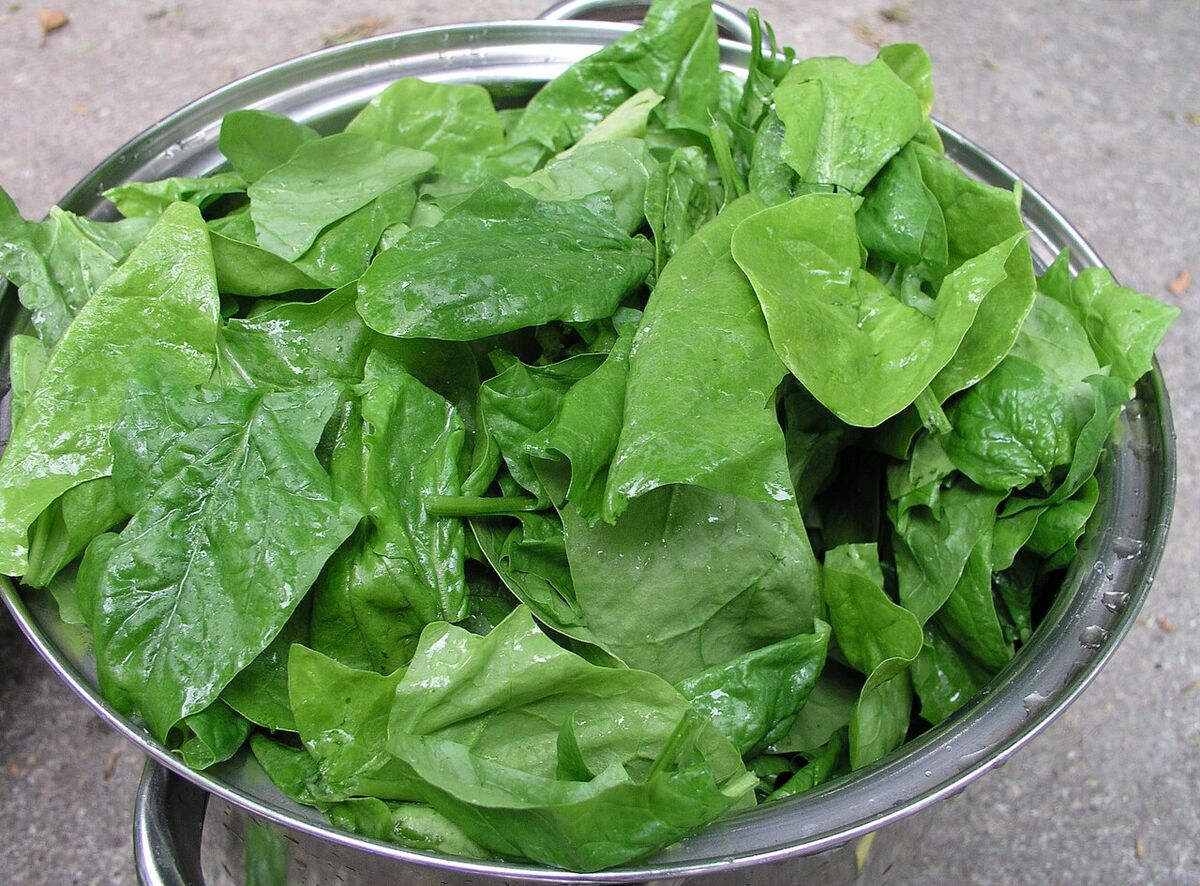
- Vegetables first (Fiber)
- Proteins and Fats second
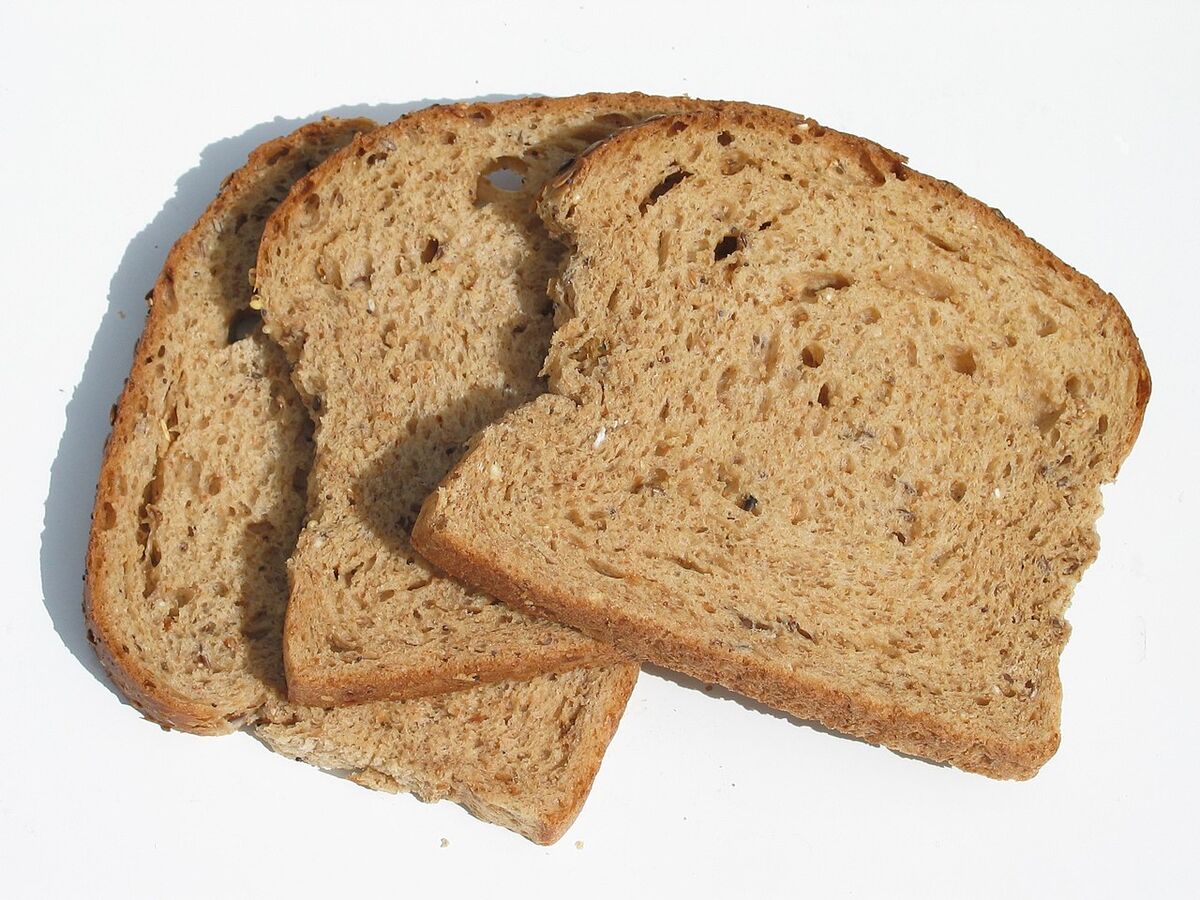
- Carbohydrates and Sugars last (Starches and sweets)
The idea is that the fiber from the vegetables coats your stomach lining, which slows down the digestion and absorption of the carbohydrates you eat later in the meal. This can help prevent a sudden glucose spike in your bloodstream.
What does the veggie-first rule look like in practice?
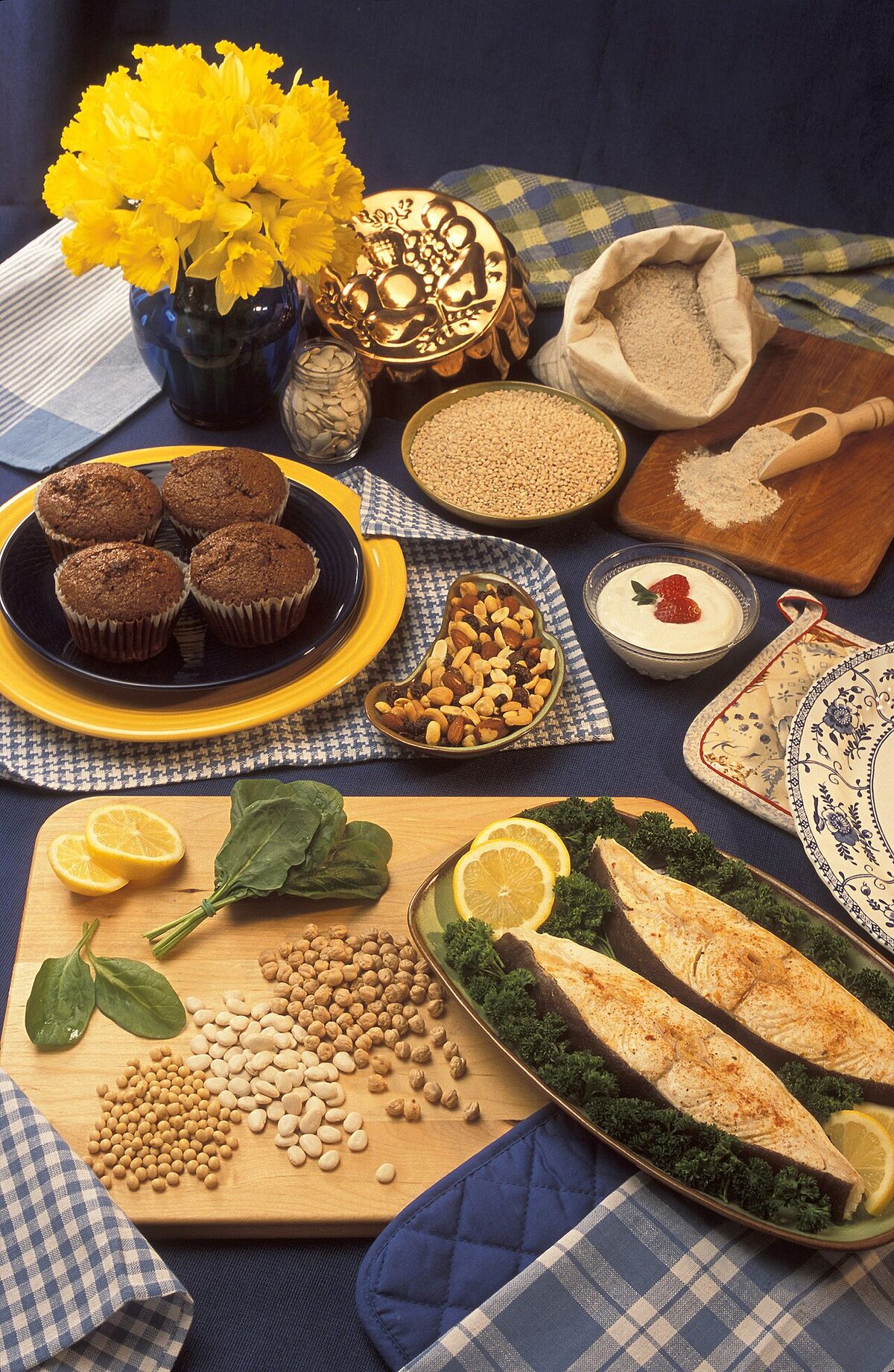
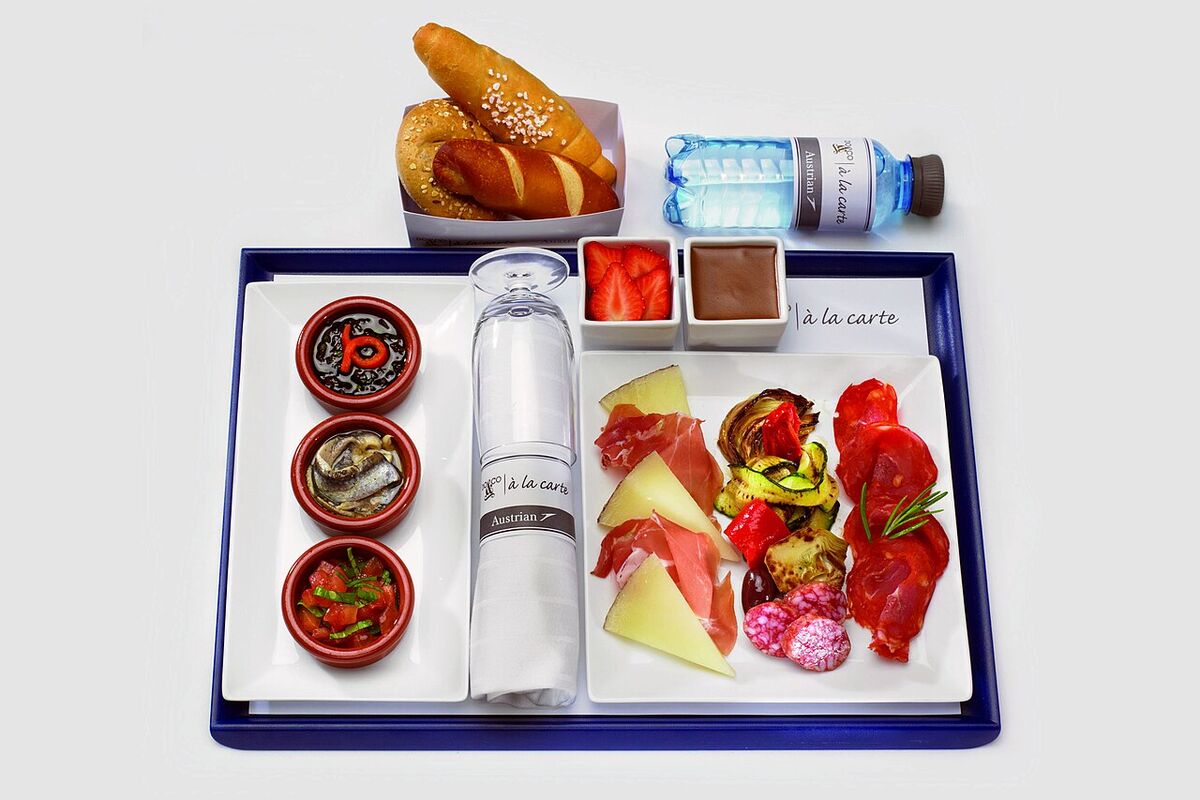
In practice, you eat a small plate of broccoli or a side salad before touching the main carb component of the meal, then the chicken or tofu, and only then the pasta or rice. The hardest part can be breaking the habit of diving straight into the bread basket or taking a big bite of rice before anything else.
Possible changes people may notice include:
- A softer afternoon slump: If your blood sugar isn't spiking and then dropping, your energy may stay steadier through the afternoon, and that urge to nap at your desk can ease.
- Feeling fuller sooner: Eating fiber first can leave less room for large portions of carbs, so you may find yourself leaving some rice or bread on the plate without feeling deprived.
- Fewer cravings: More stable blood sugar may mean fewer cravings for sweet snacks a few hours after lunch.
Results vary from person to person. If you have diabetes, take glucose-lowering medication, or deal with persistent fatigue, talk to a doctor before relying on an eating pattern to manage it.
How can you start food sequencing?
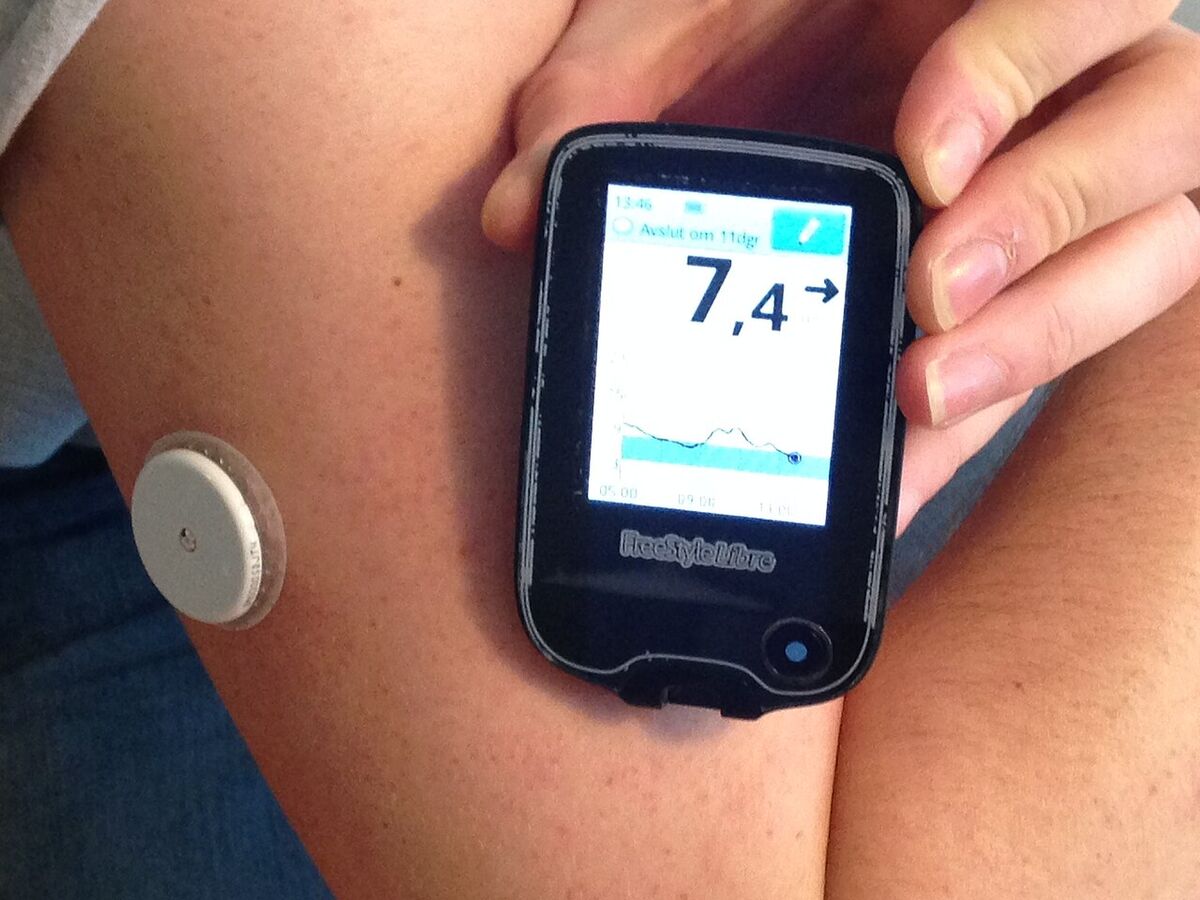
Starting food sequencing doesn't have to be complicated. You don't need a fancy continuous glucose monitor (CGM) or a strict diet plan.
- Don't overthink mixed meals: If you are eating a casserole or a stew, don't worry about picking the vegetables out. Just eat a small side salad or some raw carrots a few minutes before diving into the main dish.
- Vinegar is a cheat code: Having a small salad dressed with a simple vinaigrette (like apple cider vinegar) before your meal may add to the effect, as acetic acid may also help reduce glucose spikes.
- You can still enjoy dessert: You don't have to cut out sweets entirely. If you want a cookie, eat it after a balanced meal rather than on an empty stomach.
We are constantly looking for the next big biohack or expensive supplement to fix fatigue, but sometimes the simplest changes are worth trying first. If afternoon energy crashes are a struggle, food sequencing is a low-cost habit to experiment with.