AI Personal Stylists in 2026: How They Work and Whether They're Worth It
- Lifestyle
- Exienent
- · Updated
An AI Personal Stylist is an app that catalogs the clothes you already own, maps your body proportions, and suggests a complete outfit each day based on your calendar and the weather. The short answer on whether it works: it is good at reducing morning decision fatigue and getting more use out of an existing wardrobe, but it still struggles with comfort and with clothes that matter for sentimental reasons.
Hiring a human stylist has long seemed like a luxury reserved for celebrities or CEOs. In 2026, the landscape of fashion technology has changed, and AI stylists promise everyone a digital fashion consultant on their phone. The real question is whether an algorithm can understand personal style, body shape, and the subtle nuances that make an outfit look good. Below is a breakdown of how these platforms work, where they help, and where they fall short.
How Do You Set Up an AI Stylist?
Setting up an AI stylist starts with teaching it what you own, and the onboarding goes far beyond the basic style quizzes of the past.
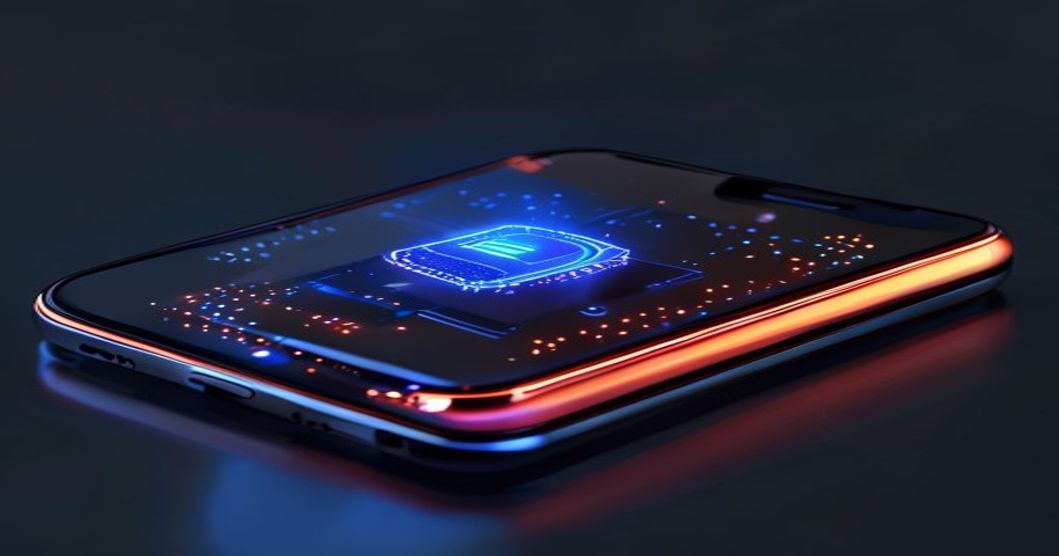
The first step is the digital wardrobe scan. You photograph the clothes you actually wear with your phone's camera. The platform uses spatial awareness to go beyond identifying a "blue shirt" and tries to understand the fabric texture, the exact cut, and even the drape of the material. Cataloging your main seasonal items can take a while, but the system depends on it.
Next comes the body and preference analysis. With the phone propped against a wall, you do a quick 360-degree spin while the AI maps body measurements and proportions in real time. You then swipe through hundreds of outfits, Tinder-style, to train the algorithm on your aesthetic. You can also describe a goal in plain words, such as wanting to look "effortlessly put together but comfortable enough to work from a coffee shop."
How Is an AI Stylist Different From Browsing Pinterest?
An AI stylist differs from scrolling Pinterest because its suggestions are built from your own clothes, your measurements, and your schedule. The core features look like this:
- Daily Outfit Generation: Each morning, the app checks your calendar (synced with your permission) and the local weather. A client video call can prompt a sharper top; a rainy day with "grocery shopping" scheduled can prompt layers and waterproof shoes.
- The Fit Predictor: Because the AI knows your measurements and the cut of your clothes, it suggests how to wear items, not just which ones. It may recommend French-tucking a shirt that hits below your natural waistline, a styling trick that is easy to overlook.
- Gap Analysis: After some time, the AI can point out imbalances, such as owning many pairs of dark jeans but no versatile mid-layer. It then suggests a small number of purchases to maximize your existing wardrobe, with links to sustainable brands that fit your budget.
What Are the Strengths and Weaknesses?
The main strength is the end of decision fatigue; the main weakness is a limited sense of comfort and context.
Handing over control of your style can feel uncomfortable at first. An AI stylist may suggest pairings you would never pick yourself, such as a patterned silk shirt with a structured blazer, and contrasting textures like that can work surprisingly well.
Where it helps: Waking up to a curated, weather-appropriate outfit can save time and mental energy. The AI can also push you to use the neglected part of your closet and find combinations you might not have seen on your own.
Where it struggles: The AI can fail to grasp "comfort." On a rainy day it may recommend stiff trousers simply because they look good with a rain jacket, and you will sometimes need to override it. It can also ignore sentimental value, for example repeatedly suggesting you donate an old, slightly frayed college sweater because it does not fit your "optimal style profile."
Is an AI Personal Stylist Worth It?
An AI personal stylist is worth trying if your main problem is choosing what to wear rather than lacking clothes. Its value is less about looking better and more about maximizing what you already own and breaking the cycle of mindless shopping.
By steering you toward new combinations of existing pieces, an AI stylist may reduce the urge to keep buying new clothes. What is missing may not be a new wardrobe but knowing how to wear the current one. In my view, if you struggle with decision fatigue in the morning or feel stuck in a style rut, giving an AI stylist a try in 2026 is worth the effort, and it may be one of the most practical uses of artificial intelligence in daily life.