The End of the 'Dead Zone': A Real-World Look at Direct-to-Cell Satellite Internet in 2026
- Technology
- Exienent
- · Updated
Direct-to-Cell Satellite Internet lets a regular, unmodified smartphone connect to satellites when there is no cell tower in range. In 2026 it is genuinely useful for texting and emergency check-ins, workable for short voice calls, and still very limited for data. It will not replace your home Wi-Fi, but it is steadily erasing the cellular dead zone.
If you love hiking, road-tripping through national parks, or just living a bit outside the city limits, you know the dreaded feeling of looking down at your phone and seeing "No Service." For decades, we simply accepted dead zones as a fact of life. Staying connected in the wilderness meant buying a bulky, incredibly expensive specialized satellite phone. This year, that has shifted.
What Is Direct-to-Cell Technology?
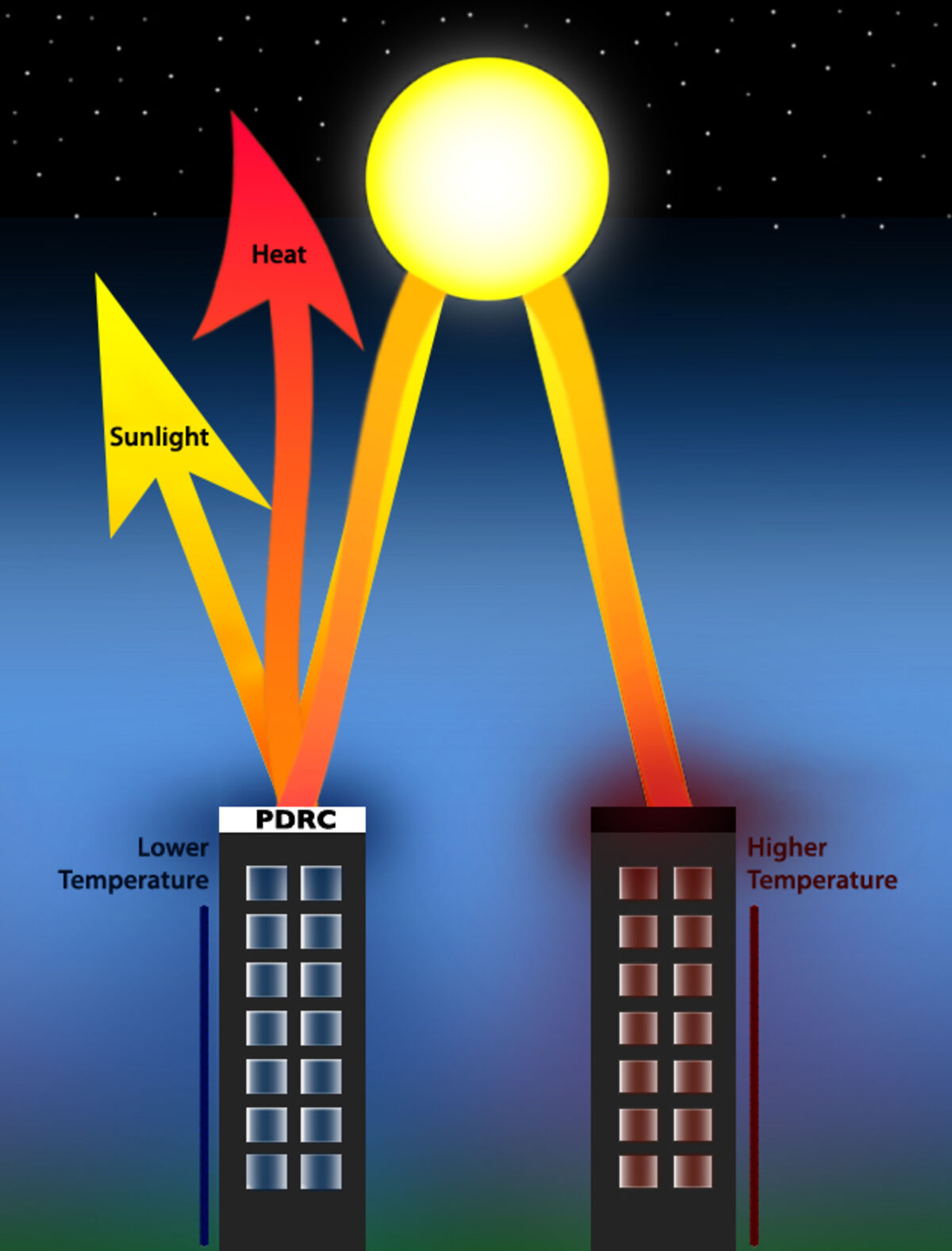
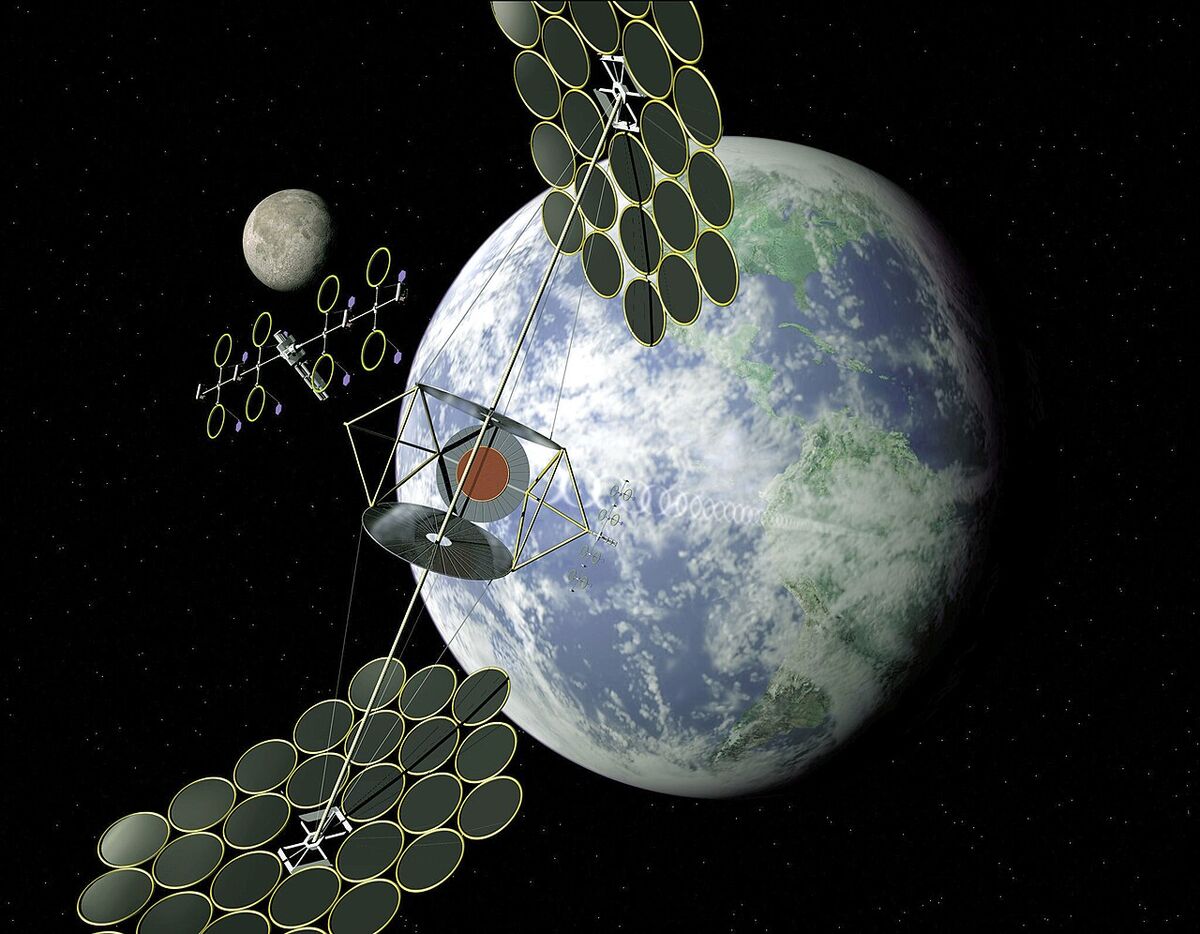
Direct-to-cell technology turns satellites into cell towers in space. In the past, satellite internet required a massive dish (like the ones you see on the roofs of RVs or houses) to catch the signal from space.
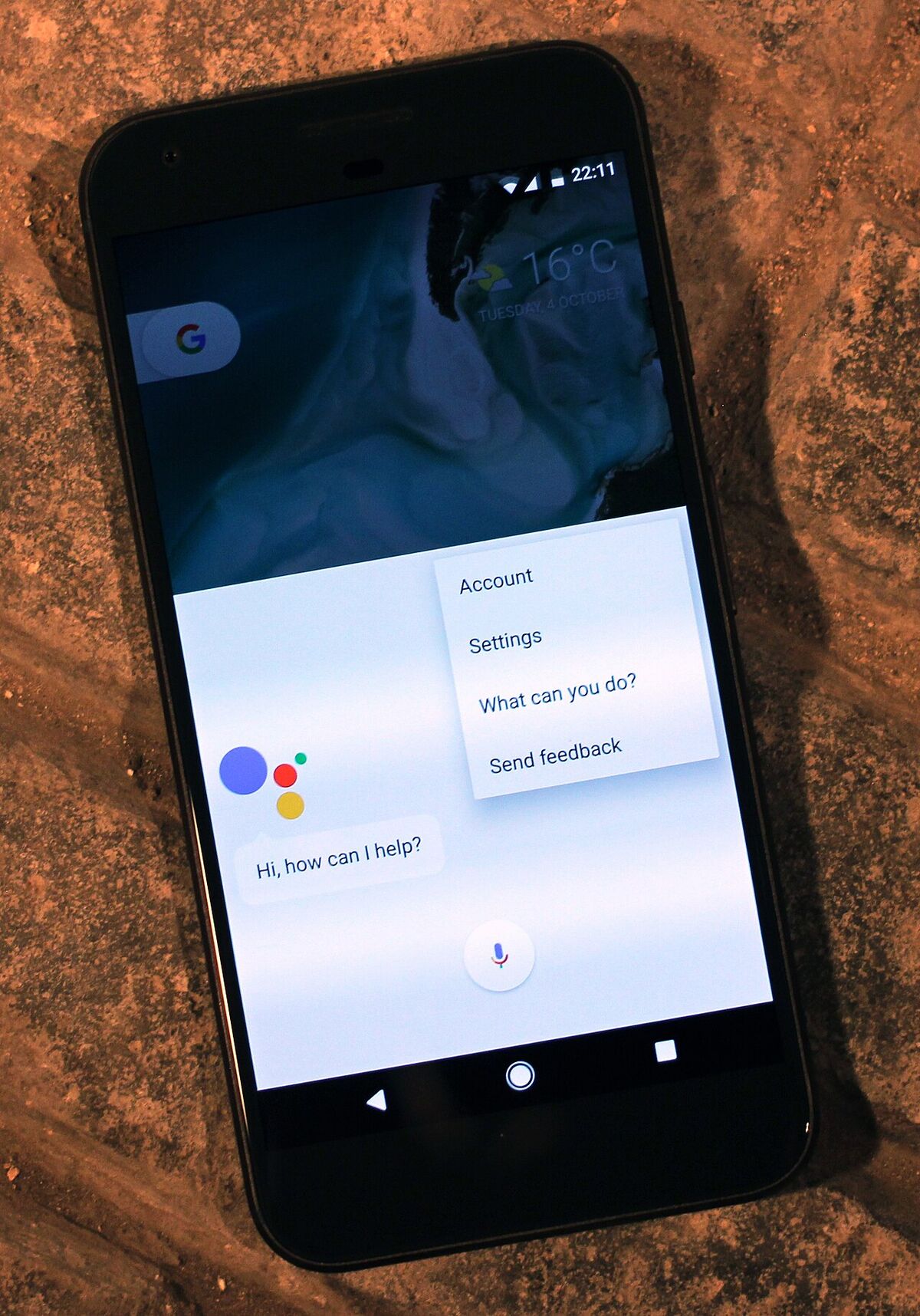
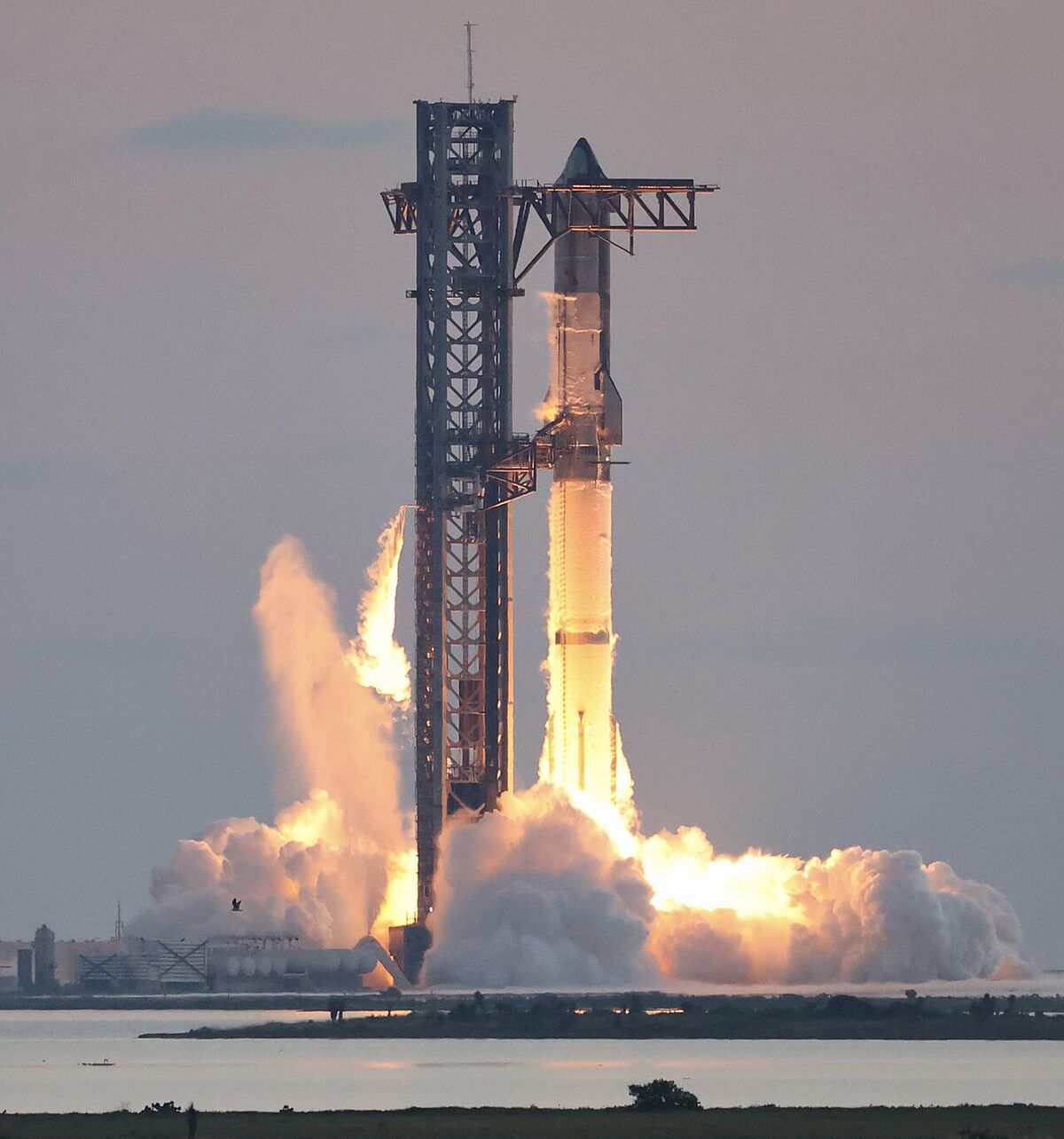
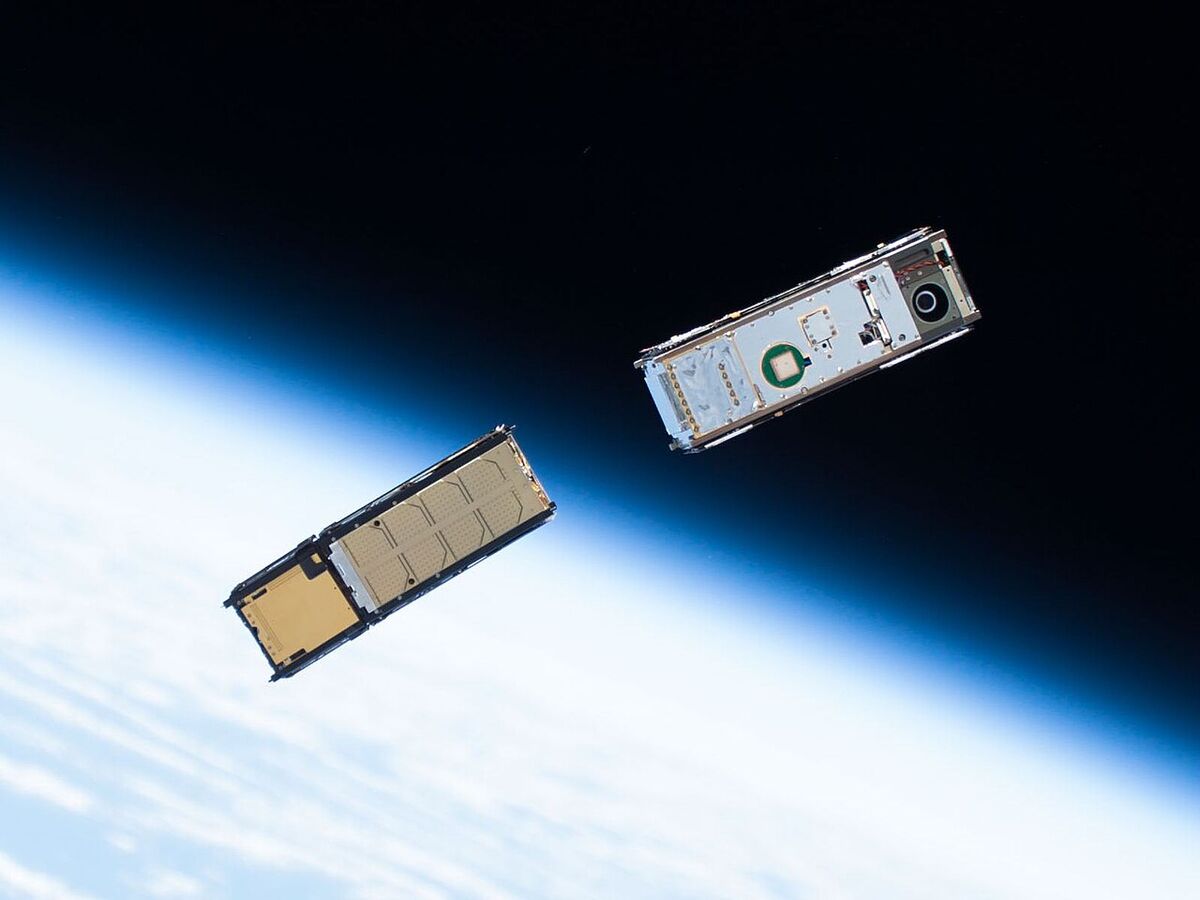
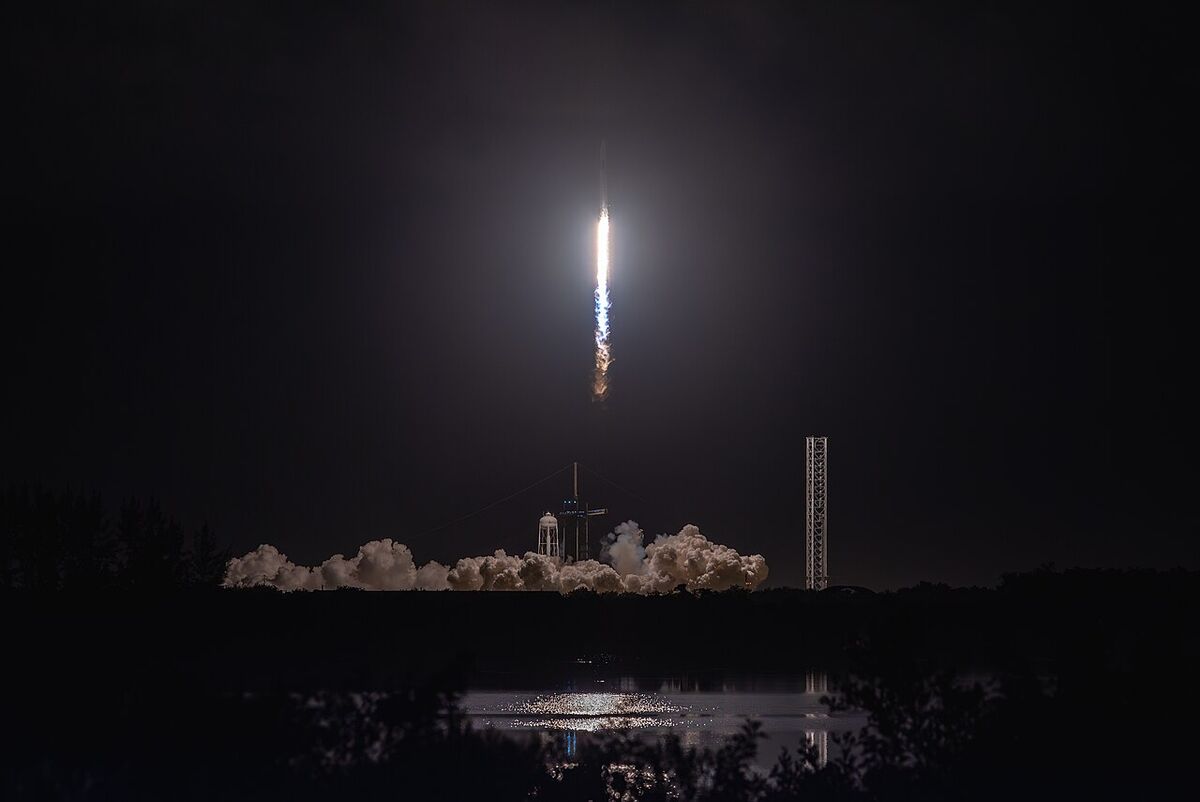
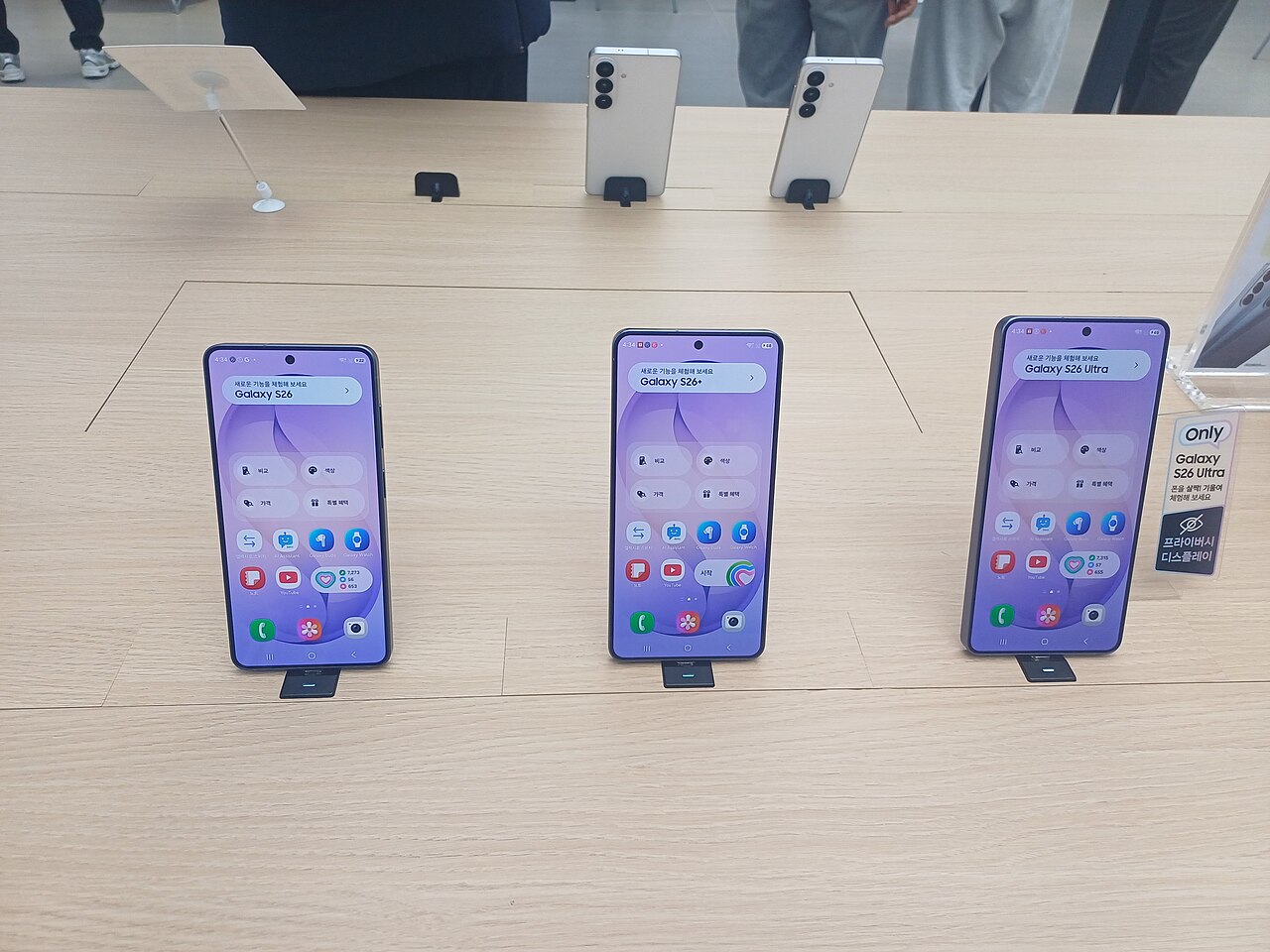
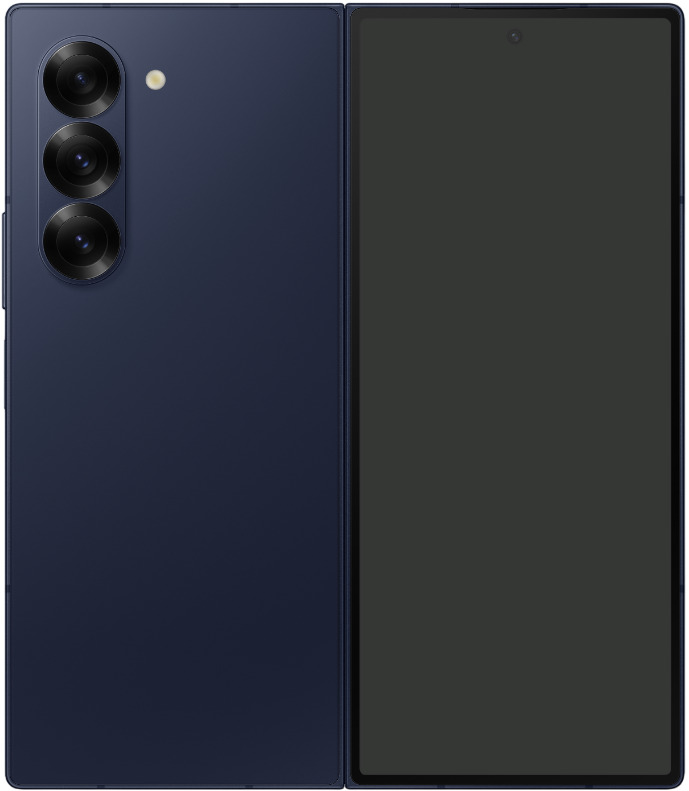
Companies like SpaceX (with Starlink) and AST SpaceMobile have recently deployed specialized low-Earth orbit (LEO) satellites that work this way. These satellites use standard LTE/5G frequencies. That means your regular, off-the-shelf smartphone already has the hardware to connect to them. You don't need a new phone, you don't need an ugly antenna, and you don't need a separate app.
How Well Does Direct-to-Cell Work in a Real Dead Zone?
Direct-to-cell works, but it rewards patience and an open sky. When a phone realizes it has no terrestrial signal, an icon can appear indicating it is searching for a satellite connection. A clear, unobstructed view of the sky matters: under a thick canopy of trees the connection may struggle, while stepping into a clearing can let the phone lock on within a short wait.
What Can You Actually Do Over a Satellite Connection?
- Texting: This is where the service shines right now. Standard SMS messages can be sent and received, and so can iMessages and WhatsApp texts, though these may take a bit longer. Latency is noticeable, since a message can take several seconds to push through, but being able to contact family or emergency services from a dead zone offers real peace of mind.
- Voice Calls: This feature is just starting to roll out broadly in 2026. A quick call home is possible, but audio quality may not be crystal clear. It can sound a bit like a VoIP call over a slow hotel Wi-Fi connection, with a noticeable delay between speaking and hearing a response. For an emergency or a quick check-in, it is still a game-changer.
- Data and Web Browsing: Let's be realistic. You are not going to be streaming 4K Netflix movies or hopping on a Zoom video call using direct-to-cell right now. The bandwidth is still very limited. A basic weather forecast page can load slowly, but scrolling through heavy social media feeds is an exercise in frustration.
Why Does Direct-to-Cell Matter for Universal Connectivity?
The true value of Direct-to-Cell Satellite Connectivity is ubiquitous baseline connectivity, not replacing your fast home Wi-Fi or your city 5G connection.
The thought that anyone, anywhere on the surface of the earth, can pull out their normal smartphone and send a distress signal or a simple "I'm okay" text is profoundly comforting. It takes much of the anxiety out of exploration.
Is Direct-to-Cell Worth It?
If you frequently venture out into nature, I think this feature alone makes upgrading to a modern smartphone plan worth considering. We are watching the "dead zone" shrink toward extinction, and honestly, it feels like living in the future!