Why Nuclear Fusion Stopped Being a Joke in 2026
- Technology
- Exienent
- · Updated
Nuclear fusion stopped being a joke in 2026 because the field has crossed from science experiments into engineering and commercialization: reactors now reliably get more energy out of the plasma than goes in ("Q > 1"), and startups are building demonstrator power plants. The race isn't about physics anymore; it's about building the power plants.
If you follow science news even casually, you probably know the old joke: "Nuclear fusion is the energy of the future... and it always will be." For decades, the promise of recreating the power of the sun inside a metal donut on Earth seemed perpetually stuck exactly 30 years in the future. We would get an exciting headline about a plasma burst lasting a fraction of a second, and then... silence. Over the last couple of years, that has changed.
Has Fusion Finally Produced Net Energy?
Yes. Fusion experiments have started reliably hitting "Q > 1," meaning they get more energy out of the plasma than was pumped into it. The fundamental hurdle of fusion was always the energy math. You have to heat hydrogen isotopes to over 100 million degrees Celsius—which takes an absurd amount of electricity—to get them to smash together and release energy. For a very long time, we were pouring 100 units of energy into the machine just to get 1 unit back.
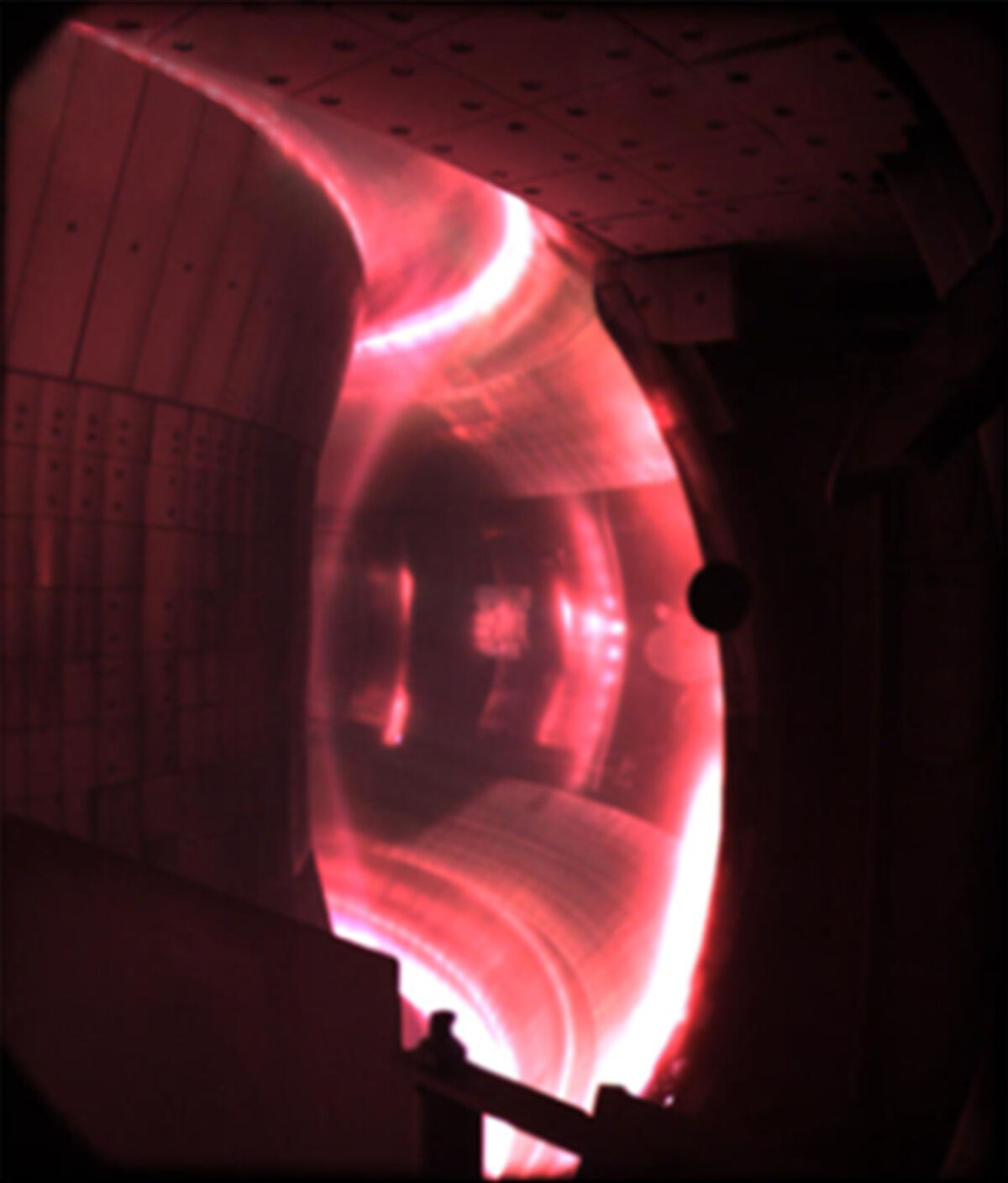
The turning point came from the breakthroughs at the National Ignition Facility (NIF) and the steady, compounding improvements in magnetic confinement systems (Tokamaks). Crossing Q > 1 was the psychological tipping point. Once the physics community proved it wasn't impossible, private capital flooded the zone.
Why Are Fusion Startups Moving Faster Than ITER?
Fusion startups are moving faster because they build much smaller machines. Older fusion projects like ITER in France are absolute behemoths. They take tens of billions of dollars and decades to build. They are incredible feats of international cooperation, but they move at the speed of a glacier.
What makes 2026 so exciting is the rise of the agile fusion startup. Companies like Commonwealth Fusion Systems (CFS) and Helion Energy aren't trying to build cathedrals. Thanks to breakthroughs in High-Temperature Superconducting (HTS) magnets, these startups can create magnetic fields that are vastly stronger than older tech.
A stronger magnetic field allows you to build a significantly smaller Tokamak. And a smaller machine is exponentially cheaper and faster to iterate on. Companies are building pilot plants right now that fit inside a standard industrial warehouse, not a sprawling, miles-wide government complex.
How Is AI Accelerating the Push for Fusion?
AI is a massive catalyst for the commercial rush toward fusion in 2026, because data centers need enormous amounts of clean, constant power.
The energy demands of modern data centers running massive LLMs and agentic AI ecosystems are frankly terrifying. Tech giants are realizing that the current grid—even aggressively supplemented by wind and solar—cannot sustain the projected growth curve of compute. They need a baseload power source that is:
- Clean
- Geographically independent (you can build a fusion plant anywhere, unlike a dam or a wind farm)
- Incredibly dense
Microsoft’s historic Power Purchase Agreement (PPA) with Helion a few years ago wasn't a PR stunt; it was a desperate, calculated bet on survival. The tech industry has effectively realized that to build artificial superintelligence, it first has to build a star in a jar.
When Will Fusion Power Reach the Grid?
Not next month: what is happening in 2026 is the construction of demonstrator plants, not mass commercial supply. You are not going to see a "Fusion Powered" sticker on your electric bill anytime soon. These facilities are designed to prove that smaller, magnet-heavy designs can reliably put electricity onto a commercial grid, even if it's just for a small town or a dedicated data center.
But the era of "it's 30 years away" is officially dead. We are now in the era of "let's figure out how to manufacture the heat exchangers and scale up the tritium fuel supply." It is gritty, complex, industrial engineering, and for the first time in human history, the finish line is actually visible on the horizon.