The Bakery Secret: How Splashing Water on Stale Bread Brings It Back to Life
- Lifestyle
- Exienent
- · Updated
The secret to reviving stale or frozen bread isn't butter or a low-temperature oven. It is water. Run the rock-hard crust under the kitchen faucet, then bake it briefly: the water turns to steam that softens the inside, while the oven's dry heat crisps the crust back up.
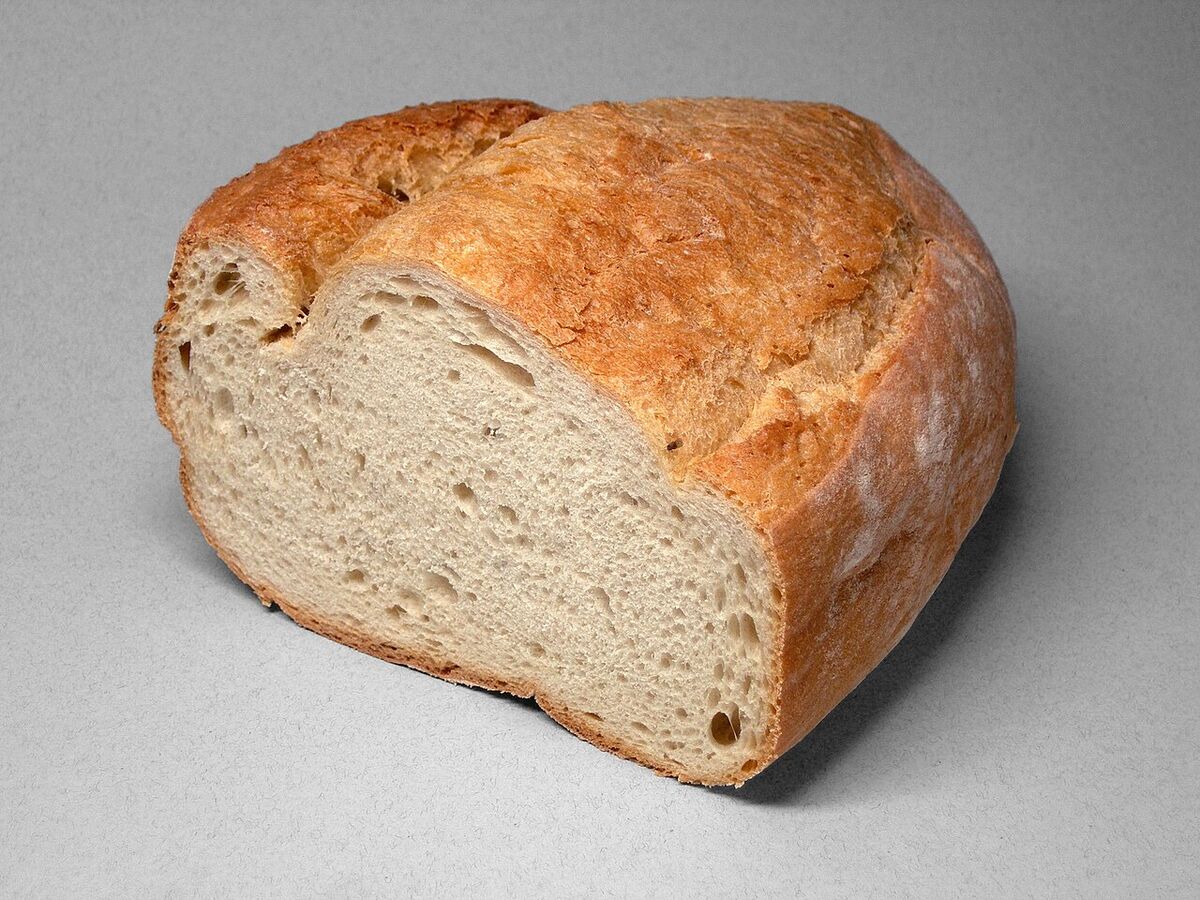
We have all been there. You buy a beautiful, crusty artisanal baguette or a fresh loaf of sourdough from the local bakery, eat half of it, wrap the rest up, and by the next afternoon it has turned into a weapon: rock-hard, dry, and practically inedible. The easy options are to throw it away or, at best, turn it into croutons. Frozen bread that is simply thawed can end up weirdly chewy, nothing like the fresh loaf. Bakers have a better fix.
Why does bread go stale?
Bread goes stale mainly because of a process called retrogradation, not just because it dries out.
When bread is baked, the starches in the flour absorb water and swell up, which gives fresh bread its soft, fluffy texture. As the bread cools and sits around, those starches begin to crystallize, pushing the water out. That is why the bread becomes hard and crumbly.
Putting stale bread back into an oven or a toaster as it is just dries it out even further, turning it into a giant crouton. To bring it back to its original fluffy glory, you have to reintroduce moisture before applying heat.
How do you revive bread with water?
Reviving bread with water takes a quick rinse and a short bake. It sounds crazy the first time, but trust the process.
1. Douse the Bread in Water
Take your completely stale, rock-hard loaf of bread (or even slices of frozen bread straight from the freezer) to your kitchen sink. Turn the faucet on and splash water all over the crust.
You aren't trying to soak the crumbly inside until it is a soggy sponge, but you do want the entire exterior crust to be visibly wet. For a whole baguette, run the crust directly under the tap for a few seconds. For a sliced piece, lightly flick water onto both sides with your fingers.
2. Bake It
Preheat your oven to about 300°F to 350°F (150°C to 175°C). Place the wet loaf directly on the oven rack, or on a baking sheet if you prefer.
Bake it for about 6 to 10 minutes. The timing depends on how thick the bread is and how wet you made it. Keep an eye on it—you just want it to get hot all the way through.
Can you revive bread in the microwave?
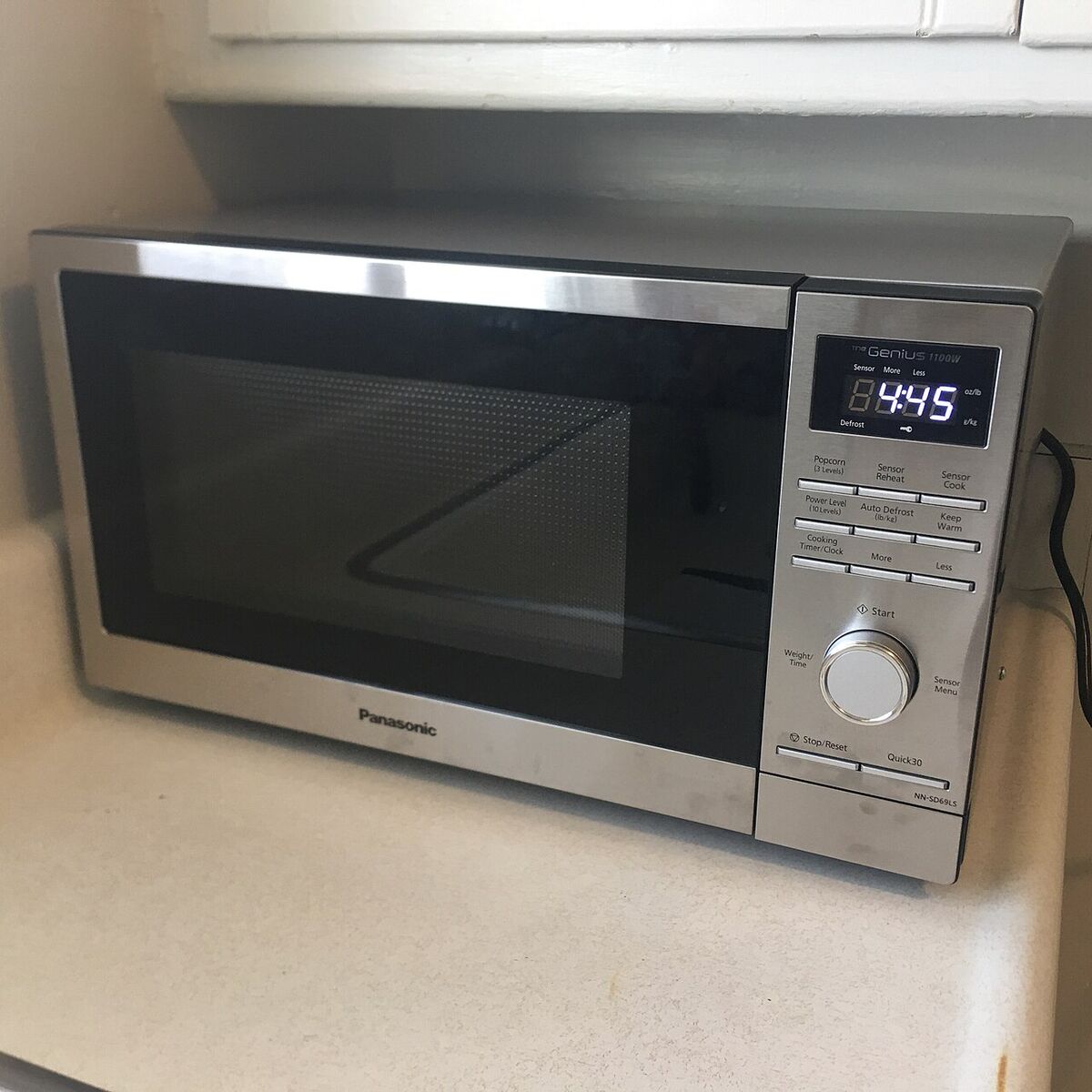
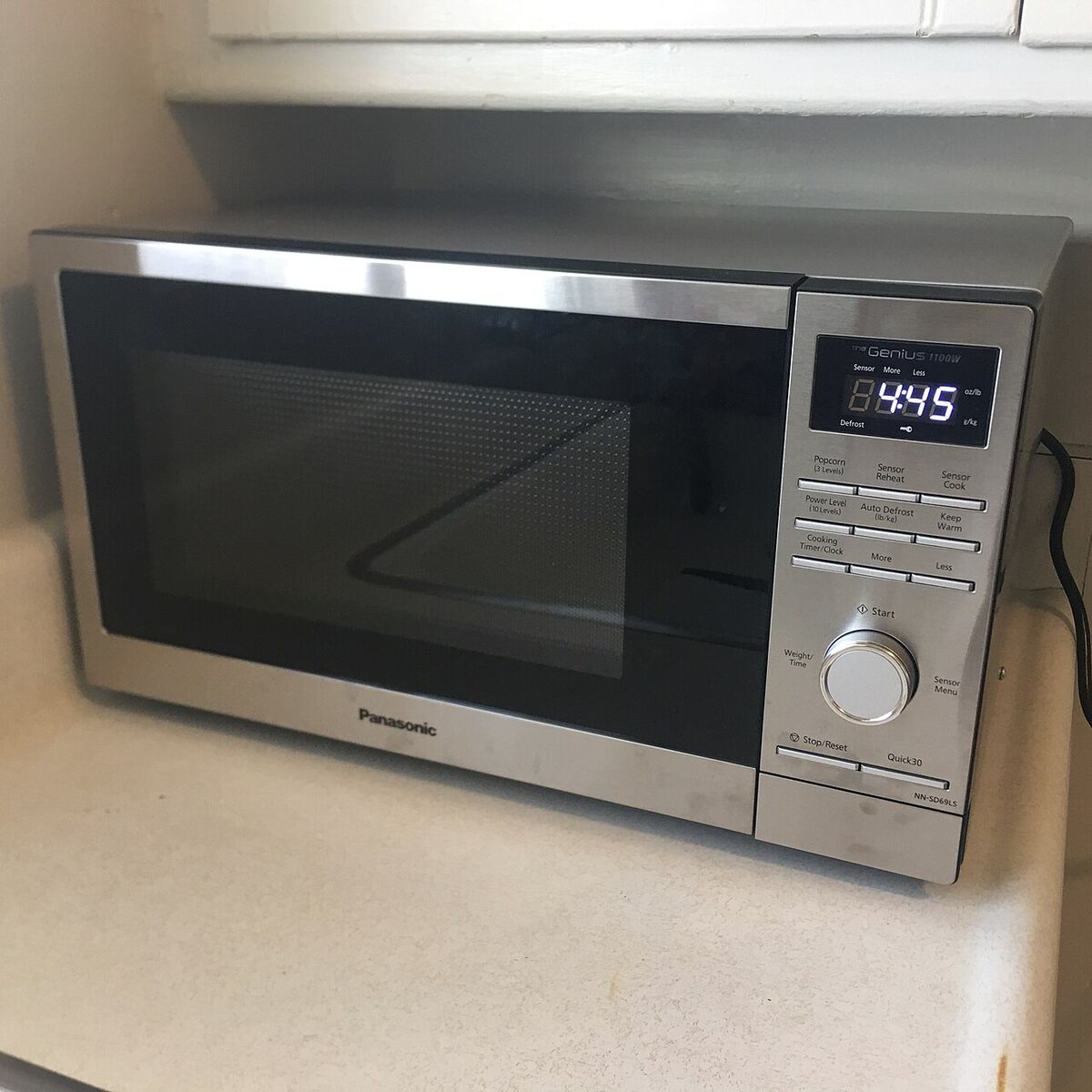
Yes, the microwave works if you are in a rush or reviving a single slice. Instead of running the bread under the tap, wrap the slice in a lightly damp paper towel and microwave it on high for about 10 to 15 seconds. It won't give you a crispy crust like the oven does, but the inside will become soft and steamy.
Why does the water hack work so well?
The water hack works because the oven turns the water on the crust into steam. That steam penetrates the bread, rehydrating the crystallized starches and making the inside soft and fluffy again. Meanwhile, the dry heat of the oven crisps the wet crust back up to a golden crunch.
Even a rock-hard ciabatta roll can come out tasting close to fresh from the bakery oven: warm, with a crust that shatters when you bite into it and a soft, steaming inside.
Stop throwing away your day-old bread, and don't let expensive bakery loaves go to waste. Next time you find a rock-hard baguette, take it to the sink, give it a quick shower, and pop it in the oven. It is a zero-cost kitchen hack that feels like magic.