The Supercommuting Era: A 3-Hour Commute Just Twice a Week
- Lifestyle
- Exienent
- · Updated
Supercommuting means living far from the office and making a very long commute, such as three hours each way, only once or twice a week. It can be a worthwhile trade if a bigger, more affordable home matters more to you than two exhausting office days, but it depends heavily on your stamina and on whether you can actually rest in transit.
The idea has become a hot topic as hybrid work spreads. At first glance, spending six hours a day on the road sounds crazy. But once soaring city housing prices are weighed against stifling living costs, a monthly train pass can start to look less like madness and more like a reasonable option.
Why Do People Choose Supercommuting?
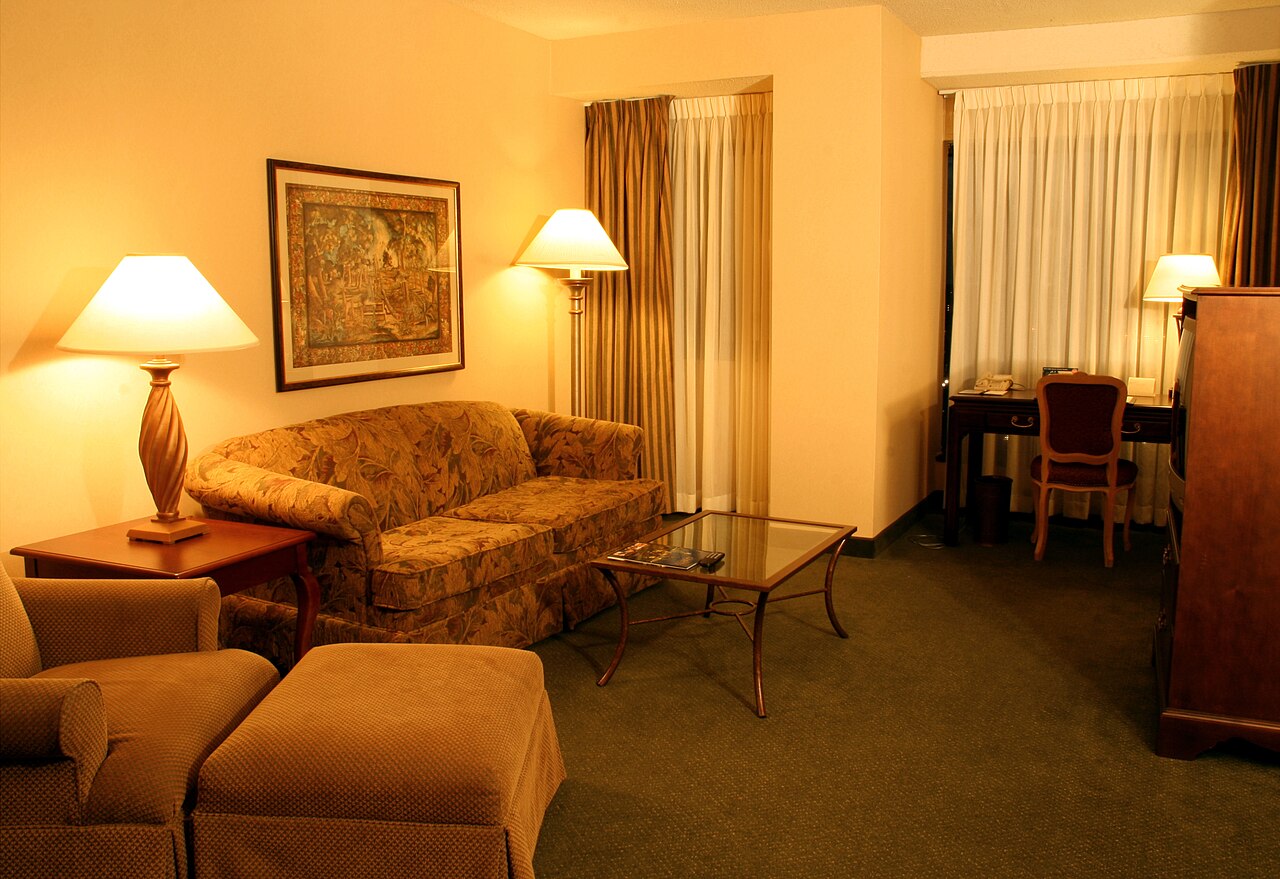
The biggest reason is the quality of the living environment. The deposit for a tiny studio apartment in the city center can be enough to get a spacious apartment with an open view in the suburbs. When a company finalizes a hybrid schedule with only two office days a week, that calculation starts to look very different.
The logic is simple: put up with two hard days a week, and spend the remaining five relaxing in a large, comfortable home.
What Are the Pros and Cons of Supercommuting?
Both sides are real, and they show up on different days of the week.
Possible upsides:
- A true feeling of 'clocking out': Getting on the train can create a physical break from work. Closing the laptop and looking out the window or catching up on Netflix can turn the ride into decent personal break time.
- A wider living radius and better quality of life: A bigger house leaves room to set up a proper home office, and having nature nearby on weekends can be a good way to unwind.
Possible downsides:
- Office days become 'wasted days': On commute days, the whole day can feel like nothing but moving and working like a machine. Evening plans or a workout are hard to fit in.
- Unpredictable transit variables: A delayed train or bad weather can make the day grim, and because the distance is so long, the fatigue can double.
Is Supercommuting Sustainable?
It can be, as long as the satisfaction a comfortable home provides outweighs the fatigue of commute days. For people who value space and quiet, that trade-off may be worth it.
It shouldn't be recommended blindly, though. Stamina and time management skills are truly crucial. If you're considering supercommuting, first check whether your mode of transportation (like a train or express bus) gives you an environment where you can fully rest. If you can read a book or catch up on sleep on the way, it can be a pretty worthwhile choice.