Why Everyone is Buying 20-Year-Old Digital Cameras in 2026
- Lifestyle
- 30 Sep, 2026
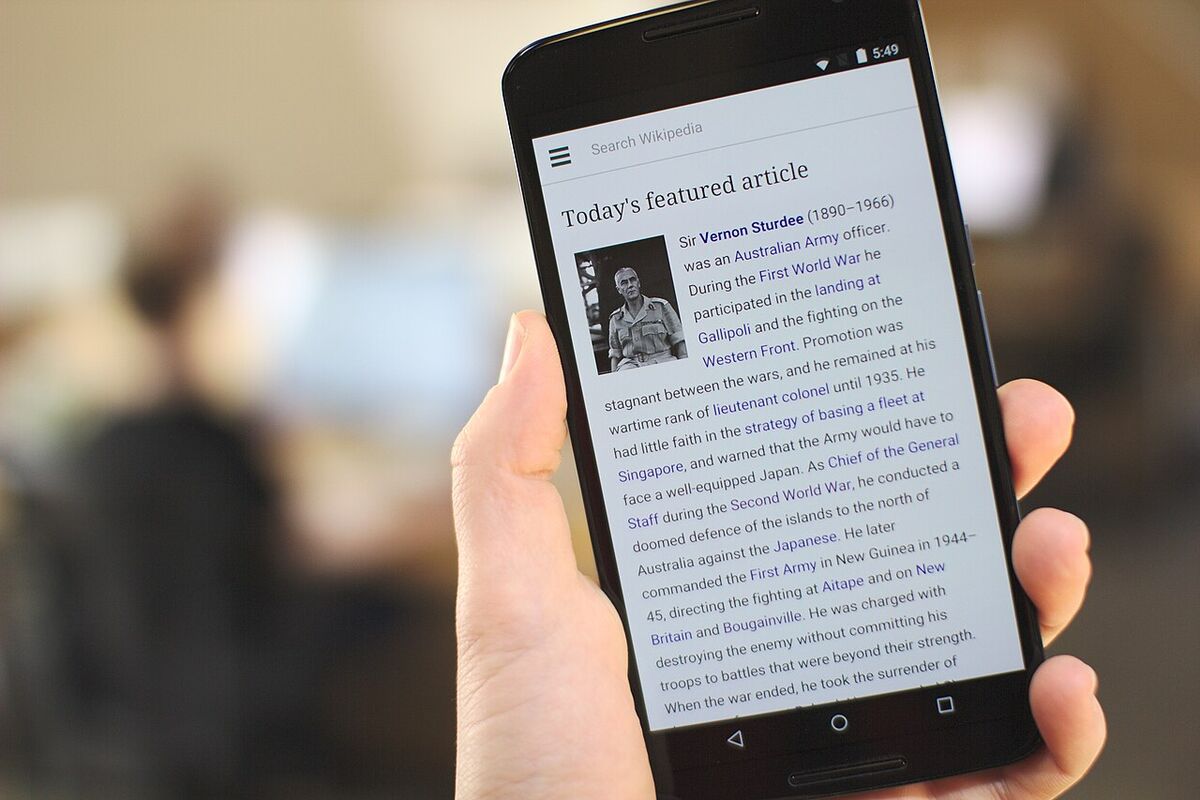
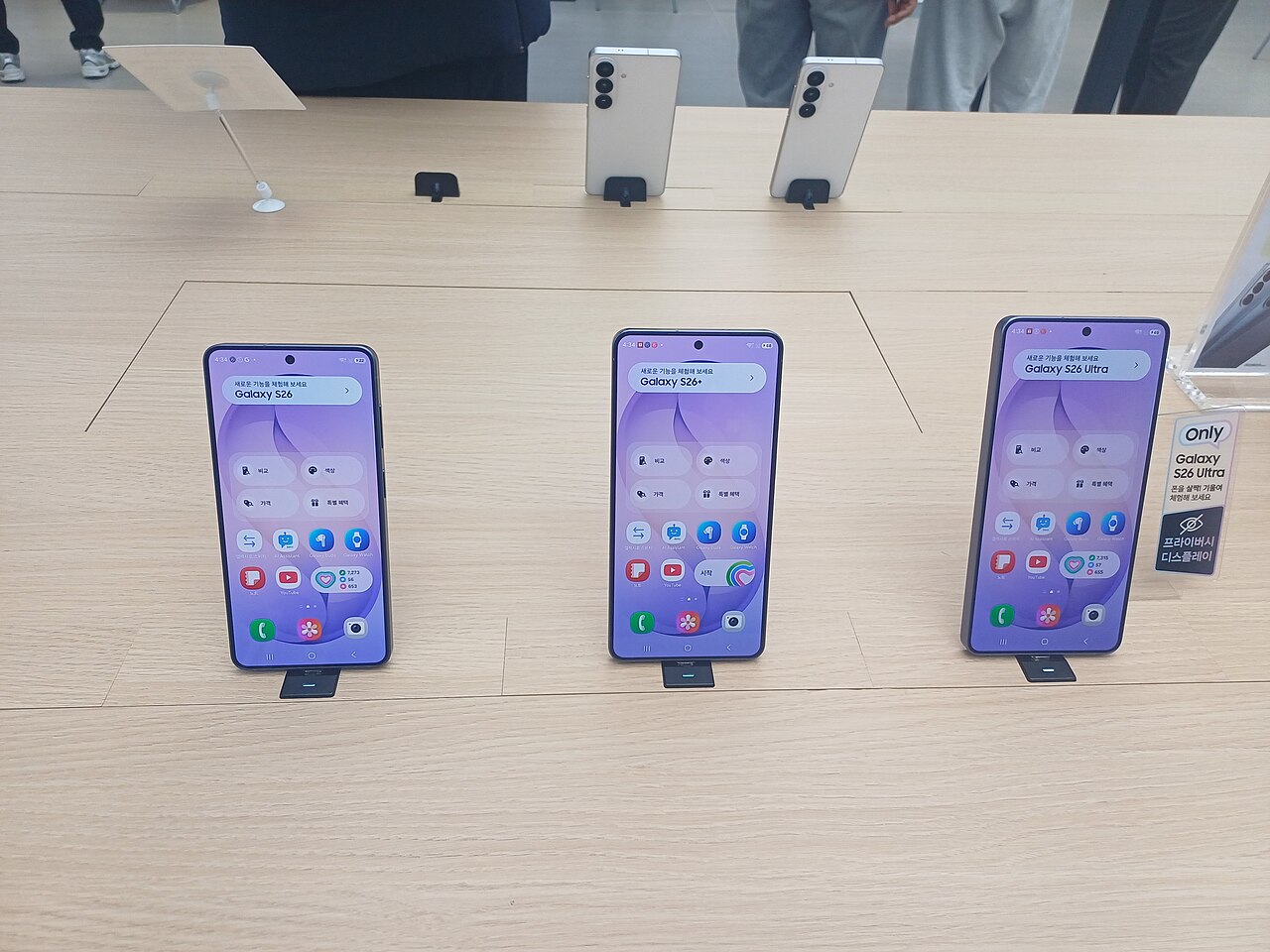
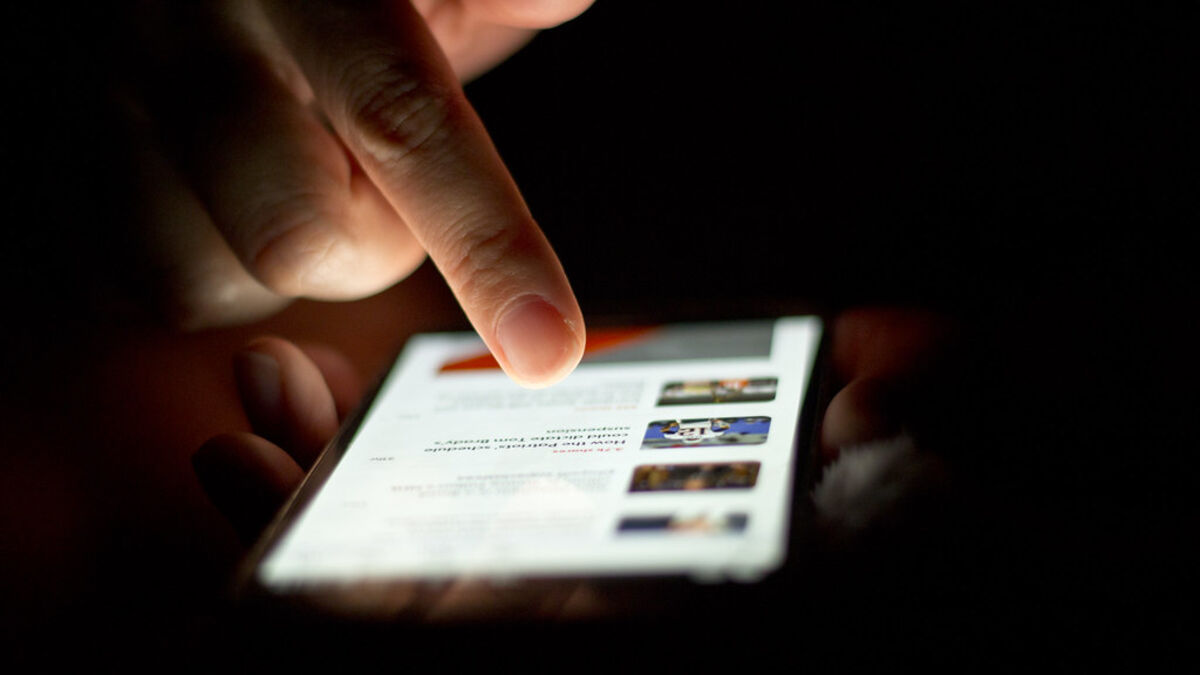
Take a look at your smartphone's photo gallery right now. If you zoom in closely on any recent photo, you might notice something slightly... off. The sky is a little too blue, the shadows are unnaturally brightened, and faces sometimes look like smooth, plastic dolls.
In 2026, smartphone cameras have become incredible computers, using complex computational photography and AI to process every single shot. They guarantee a "perfect" photo every time, even in pitch-black darkness. But ironically, that perfection has made modern photos incredibly boring.
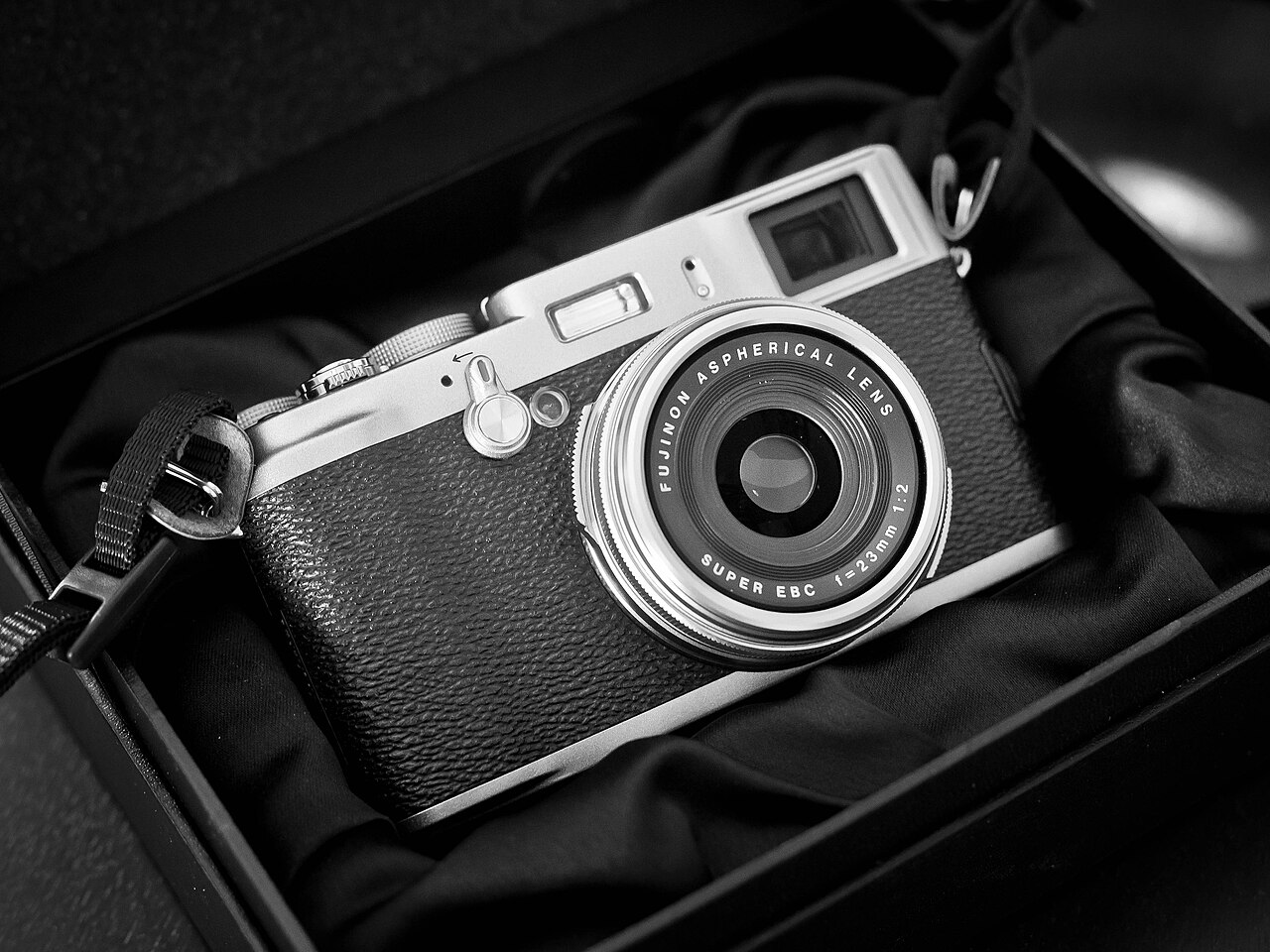
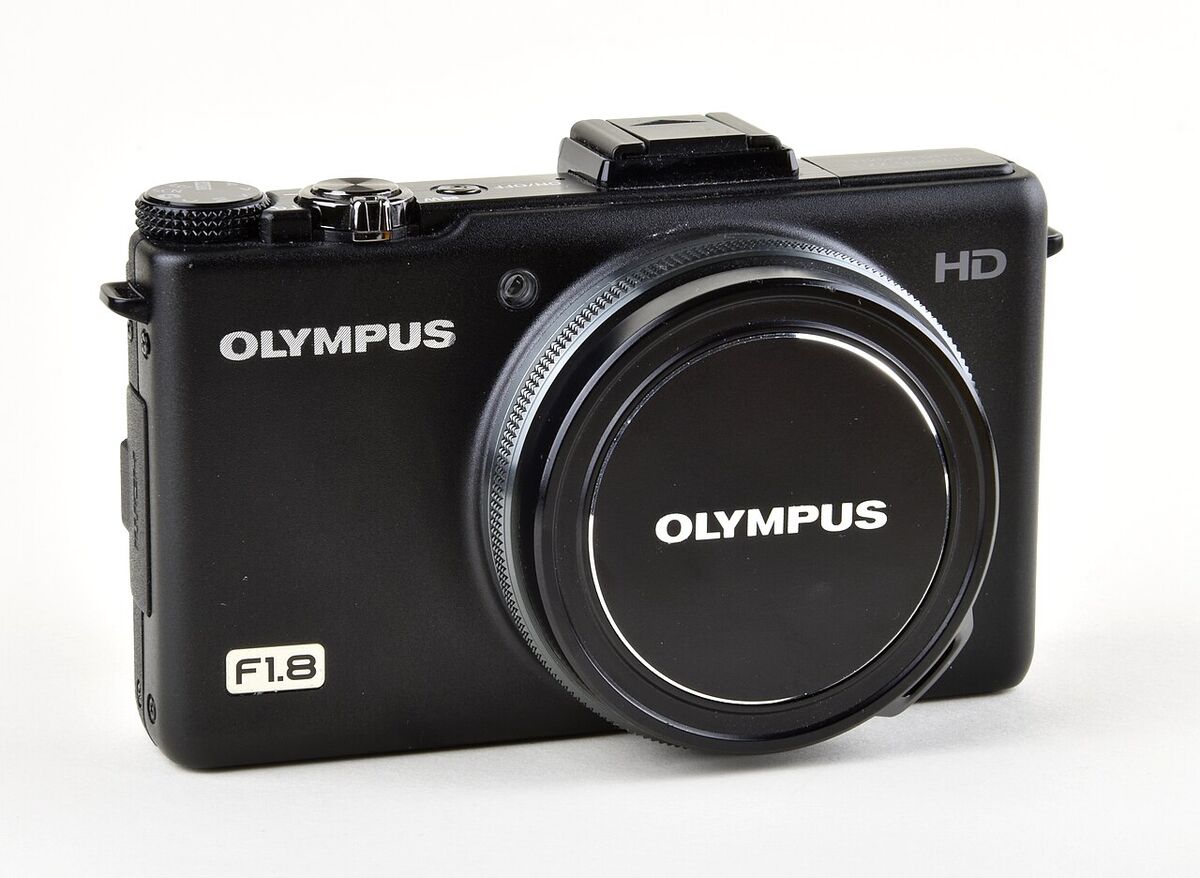
That is exactly why I, along with thousands of others, just bought a cheap, 20-year-old digital camera off eBay. Welcome to the vintage digicam revival.
The Charm of the CCD Sensor
The secret sauce behind the distinctive look of early 2000s digital cameras is the CCD (Charge-Coupled Device) sensor.
Unlike modern CMOS sensors that prioritize speed and low-light performance, older CCD sensors capture colors differently. They render skin tones with a warm, film-like quality. The highlights often blow out into pure white, and the shadows stay dark and noisy. It produces an image with genuine texture and character.
When I took my old point-and-shoot to a friend's birthday party last weekend, the photos didn't look like an AI generated them. They looked like memories. The harsh flash against the dark background instantly gave off that nostalgic, messy Y2K aesthetic that you simply cannot replicate with an iPhone without stacking five different filters.
The Joy of Intentionality
Beyond the aesthetic, using an old digital camera completely changes how you interact with a moment.
When you shoot with a smartphone, you instinctively take ten photos of the same thing in three seconds, assuming you will pick the best one later (spoiler: you never delete the bad ones, they just clutter your cloud storage).
My vintage digicam takes about two seconds just to save a single image to its tiny SD card. It forces me to slow down. I have to physically frame the shot through a terrible, low-resolution LCD screen, press the shutter, and commit. Because I only have room for maybe 150 photos on the memory card, every shot has to count. It turns photography back into an intentional act rather than a mindless reflex.
A Pocket-Sized Digital Detox
Perhaps the best part about carrying a dedicated, single-purpose camera is that it isn't connected to the internet.
When I go for a walk to take photos, I can leave my smartphone at home. I don't get distracted by work emails or social media notifications while I'm trying to capture a nice sunset. It serves as a micro digital detox. It’s just me and a clunky piece of plastic from 2006.
Should You Buy One?
If you are tired of the hyper-processed, perfectly sterile look of modern smartphone photography, I highly recommend picking up an old digicam. You don't need a fancy model; any cheap point-and-shoot from Canon, Sony, or Olympus made between 2004 and 2012 will do the trick.
It won't replace your phone for scanning QR codes or taking quick notes, but it will absolutely bring the fun and spontaneity back into your photography.