Why an Analog Habit Tracker Can Beat Apps in 2026
- Lifestyle, Mental Health
- Exienent
- · Updated
An analog habit tracker — a simple grid in a paper notebook — can work better than a habit-tracking app because it removes the streak anxiety, the notifications, and the temptation to drift into social media every time you log a habit. It is cheaper, more intentional, and kinder to the days you miss.
Why Can Habit-Tracking Apps Backfire?
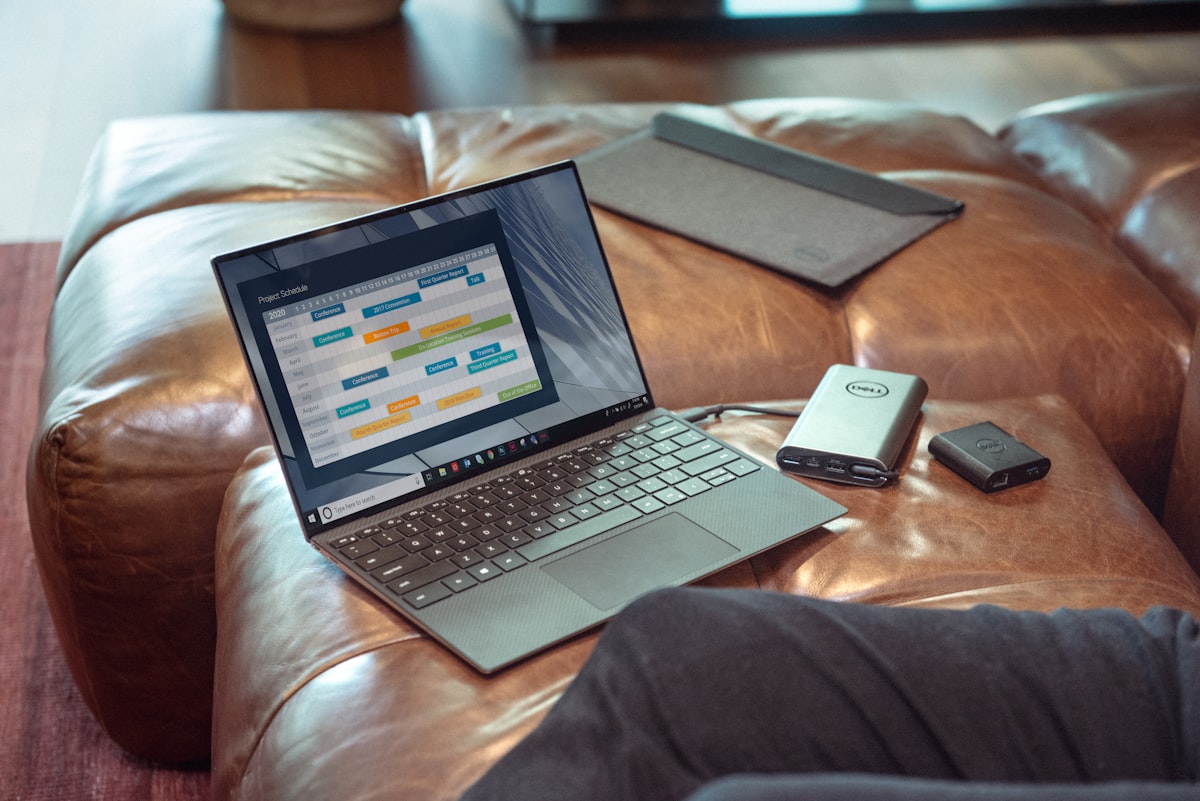
Habit-tracking apps can backfire because the same features meant to motivate you can end up producing anxiety. A phone loaded with beautiful charts, streaks, and digital badges seems to prove you are living your best life, and it makes tracking water intake, reading hours, and gym sessions ruthlessly efficient.
But the system can break. Instead of feeling motivated, you may feel anxious. Forgetting to log a habit and losing a long digital streak can feel like a catastrophic failure. Even worse, opening your phone to log "Read for 30 minutes" can easily turn into a long stretch of doomscrolling on social media.
The biggest issue is that apps turn your personal growth into a video game. They are designed using the exact same psychological tricks as social media platforms.
- The Streak Trap: Apps make you terrified of breaking a streak. Life happens—you get sick, you travel, you have a bad day. In an app, a broken streak turns the number back to zero, which is incredibly demotivating.
- The Notification Fatigue: Nobody needs a phone buzzing at 8 PM to aggressively remind them to drink water. It just adds to the constant, low-level anxiety of the modern digital world.
- The Gateway to Distraction: Every time you pick up your phone to log a habit, you are stepping into a minefield of notifications, texts, and news alerts.
What Makes an Analog Habit Tracker Work?
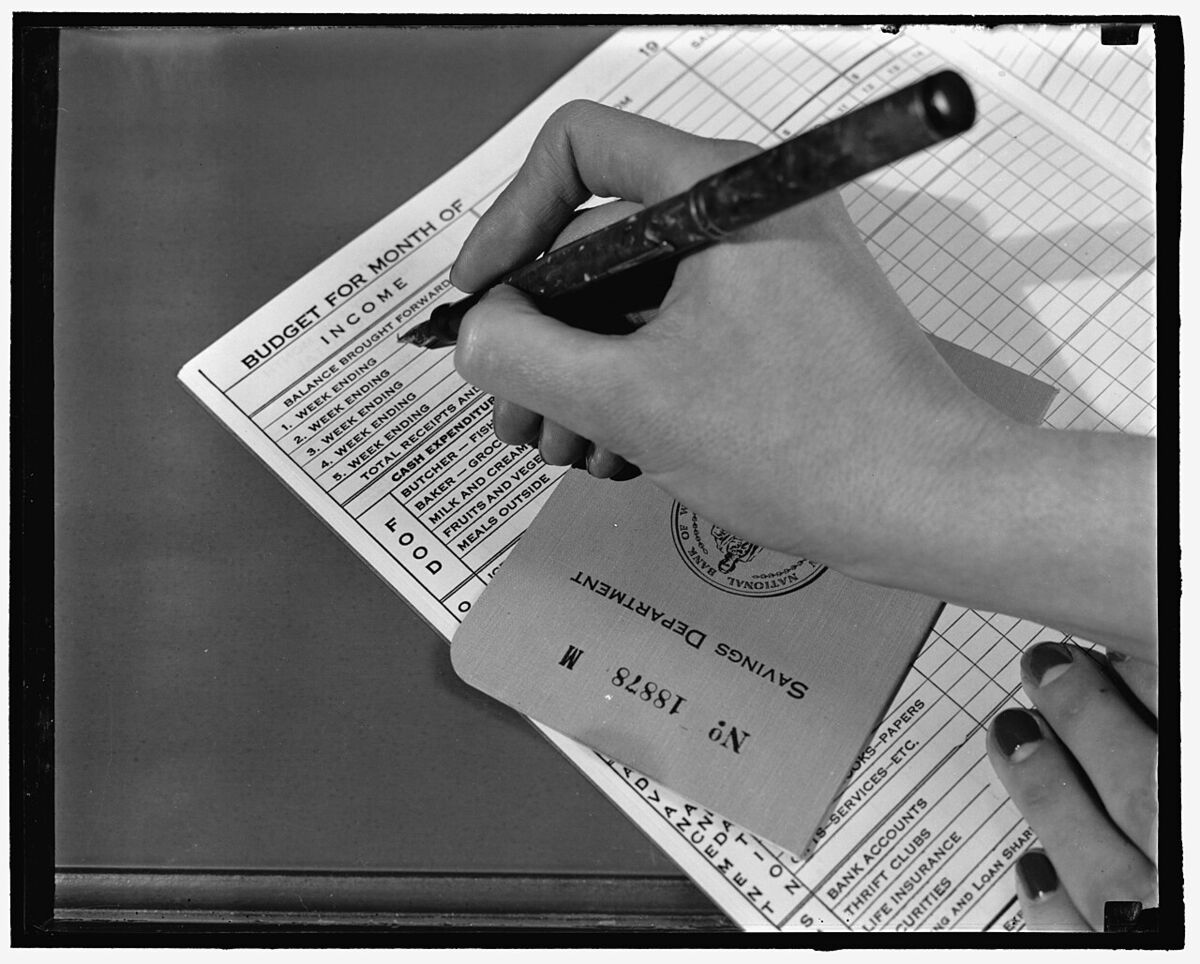
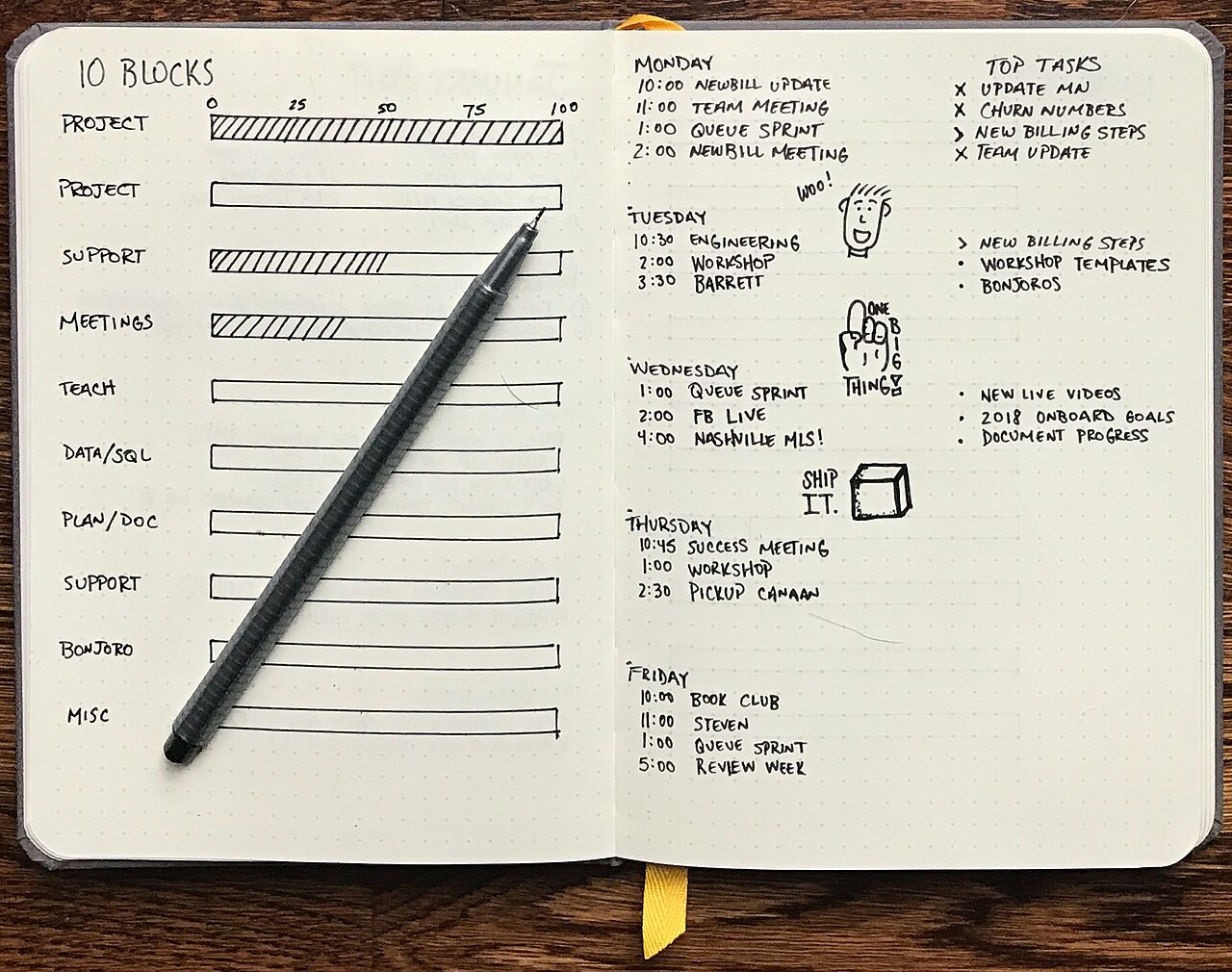
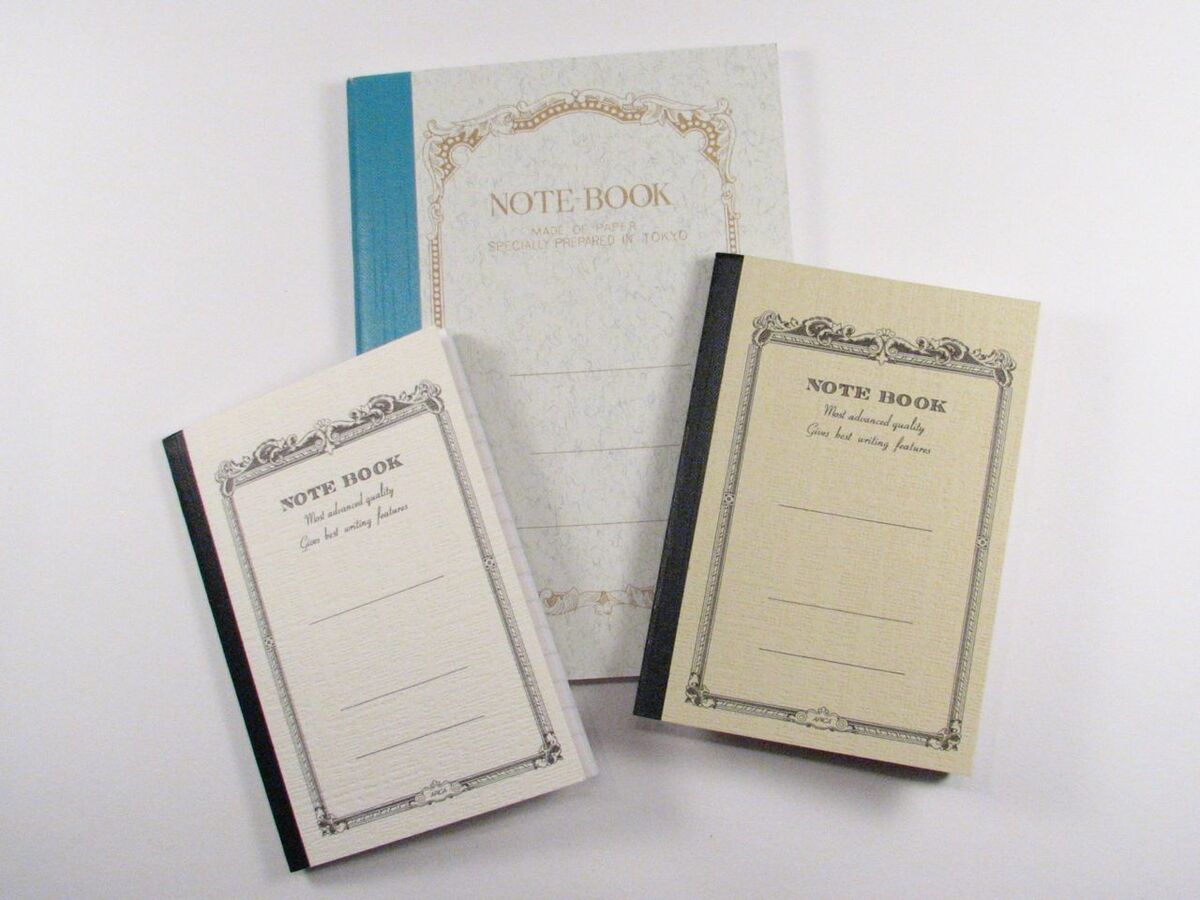
A paper habit tracker works because it is just a grid drawn on paper with a pen, with nothing else attached. Switching to a paper notebook (often popularized by the Bullet Journal method) can feel remarkably liberating, for three reasons.
1. It Is Highly Intentional
You cannot accidentally open a paper notebook while trying to check Instagram. The physical act of taking out a pen, opening the book, and coloring in a small square requires physical presence and intention. It forces you to actually reflect on your day for a few seconds, rather than mindlessly tapping a screen.
2. It Visualizes Grace, Not Just Streaks
An analog habit tracker won't be perfect. There will be blank squares on days you missed. But when you look at a whole month on paper, you don't see a "broken streak." You see a broader pattern: a month with a few gaps still shows a grid that is mostly filled in, and that is a real success. Paper allows for nuance and self-grace that binary digital streaks simply do not.
3. It Doubles as a Digital Detox
Logging habits on paper can become the last thing you do before going to sleep. Because it involves zero blue light and zero notifications, it can turn into a calming, grounding ritual. Leave your phone charging in another room, fill out your tracker by the warm glow of a lamp, and it may help signal to your brain that it is time to shut down.
How Do You Start an Analog Habit Tracker?
You can start with any notebook and pen; you do not need an expensive leather-bound journal or artistic calligraphy skills.
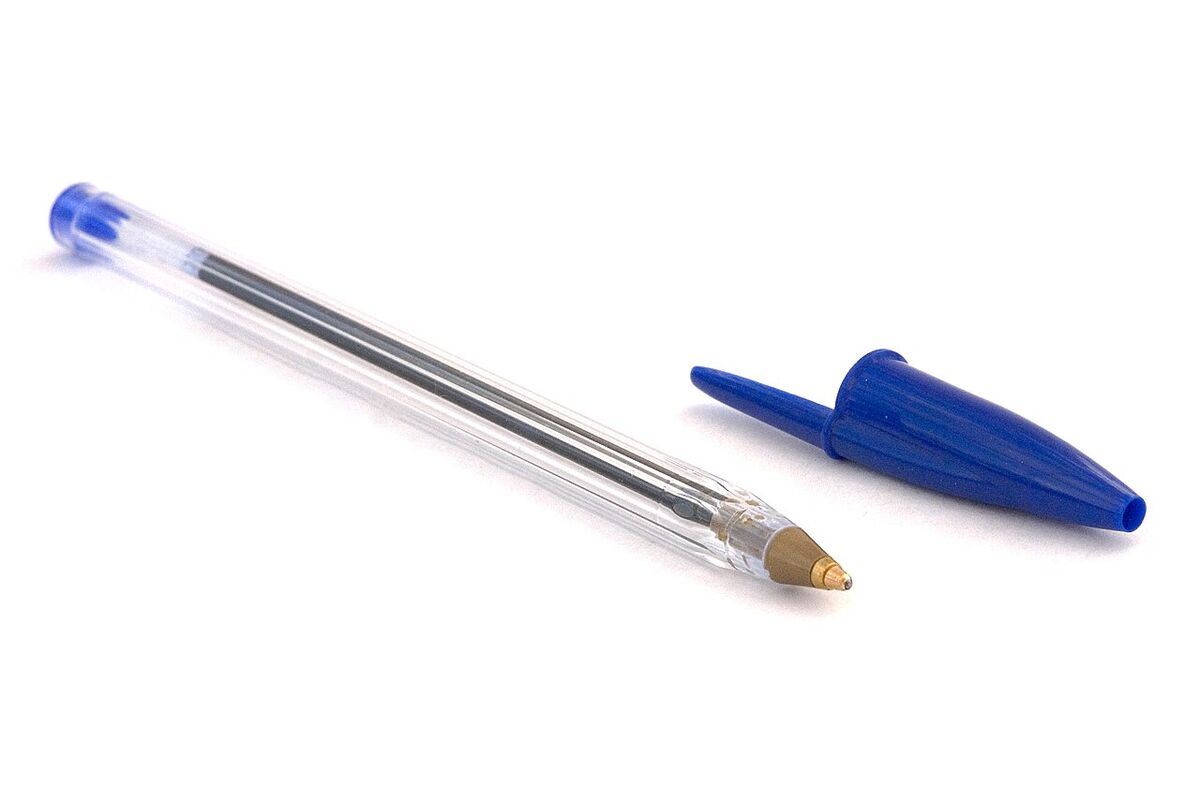
- Grab any notebook and a pen.
- Draw a grid: Put the days of the month across the top and your habits down the side.
- Start small: Do not track 15 things. Track 3 to 5 core habits (e.g., Exercise, No Alcohol, Read 10 Pages).
- Color it in: At the end of the day, just put an 'X' or color in the box.
If you are feeling overwhelmed by your screens and paralyzed by the pressure of digital perfection, I think paper is well worth a try. Sometimes, the most advanced productivity tool you can use is just a pen.