Why Your 5 Favorite Delivery Spots Are Actually the Same 'Ghost Kitchen'
- Lifestyle
- 28 Sep, 2026
A few weeks ago, I was craving a good burger. I opened my favorite food delivery app and started scrolling. I found a highly-rated place called "Brooklyn Burger Bros." Then, I saw another one called "Smash City Burgers." And finally, "The Vegan Burger Co."
All three had different logos, different menus, and different vibes. But out of curiosity, I scrolled down to check their physical addresses.
All three restaurants were located at the exact same address: a random industrial park on the edge of town.
Welcome to the reality of food delivery in 2026. You aren't ordering from a local mom-and-pop diner anymore. You are likely ordering from a Ghost Kitchen.
1. What Exactly is a Ghost Kitchen?
The bottom line up front: A ghost kitchen (also known as a cloud kitchen or dark kitchen) is a commercial cooking facility that has no physical dining room, no waiters, and no storefront. They exist exclusively to fulfill online delivery orders.
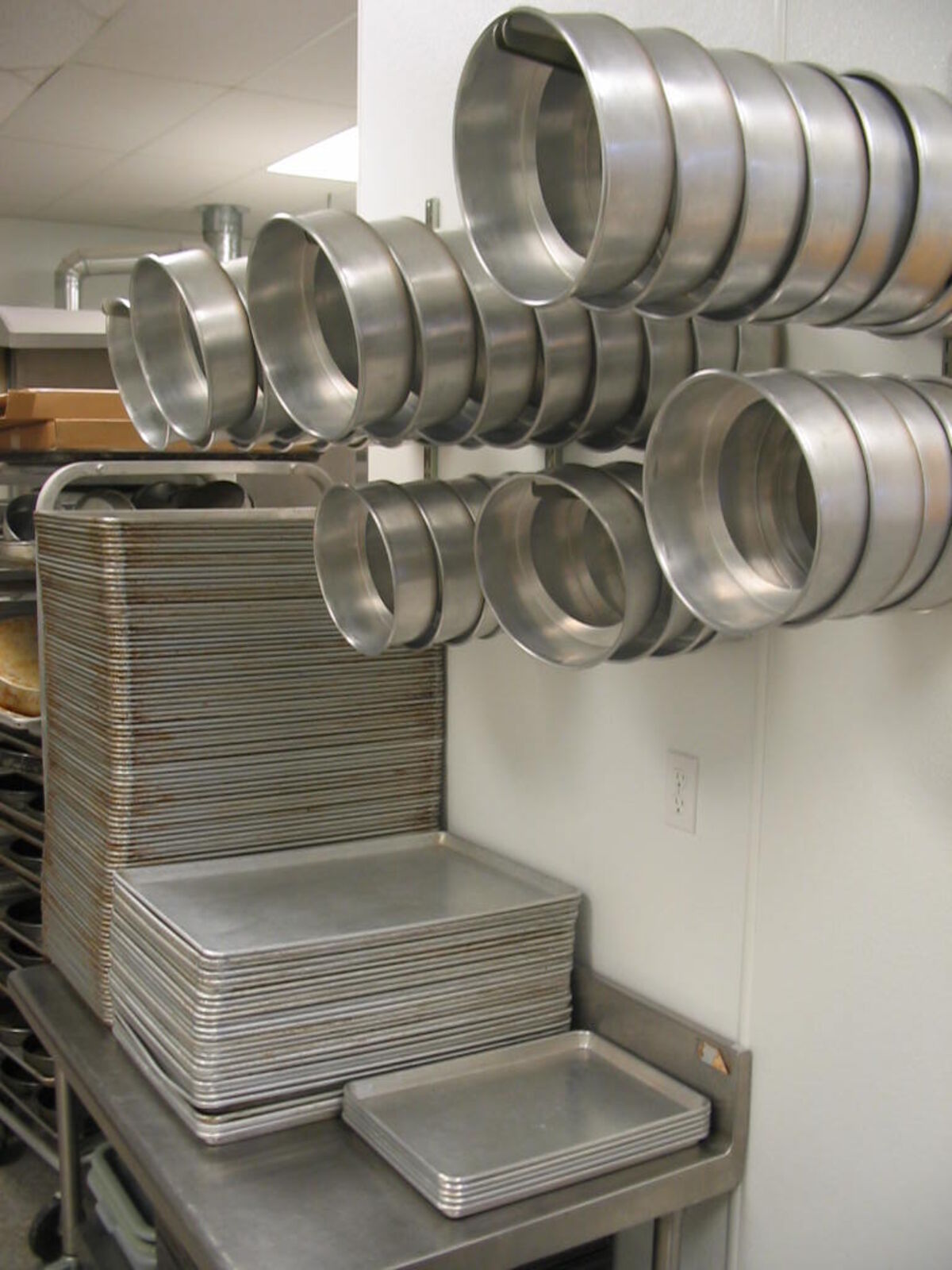
Instead of one restaurant operating out of a building, a massive warehouse is divided into dozens of small cooking stations. A single company might rent one station and operate five, ten, or even twenty different "virtual restaurants" from that one tiny space. The cook making your "gourmet artisanal wings" might just turn around and assemble a "premium vegan salad" for a completely different brand using the exact same ingredients.
2. The Illusion of Choice
The most jarring aspect of the ghost kitchen trend is the illusion of choice it creates on delivery apps.
The apps are flooded with these virtual brands. If a company realizes that "crispy chicken sandwiches" are trending in a specific neighborhood, they don't need to build a new restaurant. They just whip up a digital logo, create a menu using ingredients they already have in their ghost kitchen, and launch a "new" restaurant on the app by dinner time.
This is why it often feels like you are scrolling forever but seeing variations of the exact same food. You aren't choosing between competing local businesses; you are just picking a different marketing wrapper for food coming from the same massive, faceless kitchen.
3. Why Did This Happen?
It all comes down to basic economics. Running a traditional brick-and-mortar restaurant is incredibly expensive and risky. You need a prime location, front-of-house staff, nice decor, and a massive overhead budget.
Ghost kitchens strip all of that away.
- Low Overhead: They can be located in cheap industrial areas because foot traffic doesn't matter.
- Data-Driven Menus: They can instantly adapt to trends. If a burger brand isn't selling well, they just delete the listing from the app and launch a taco brand from the same kitchen the next day.
- The App Algorithm: Delivery apps heavily favor restaurants with fast prep times. Ghost kitchens are optimized for pure speed, essentially functioning like assembly lines, which helps them dominate the top spots on your app's home screen.
Is This the End of Real Restaurants?
I don't think traditional restaurants are going anywhere. People still crave the atmosphere, the service, and the experience of eating out. Ghost kitchens can never replace the charm of your favorite neighborhood spot.
However, they have fundamentally changed how we get food delivered.
Next time you open a delivery app, take a closer look at the address of the restaurant you are ordering from. You might be surprised to find that the trendy new sushi place, the late-night pizza joint, and the healthy salad bowl shop are all just different tabs on a tablet in an industrial park down the highway.