Why Rucking Took Off in 2024 (And Why You Might Try It Too)
Rucking is walking with weight in a backpack, and it may be one of the most accessible workouts around for people who dislike running. It combines a cardio stimulus with load-bearing strength work, keeps one foot on the ground at all times, and needs nothing more than a sturdy bag and your front door. Start light—about 10% to 15% of your body weight—and build from there.
What Is Rucking?
Rucking means putting weight in a backpack (a rucksack) and going for a walk. That's it. The concept originated in military training, where soldiers march with heavy gear, but in 2024 it has exploded in the civilian fitness world.
It stands out from the usual "biohacking" trends because it is surprisingly simple and deeply practical. There are no intense HIIT classes that leave you feeling broken for two days and no 5 AM marathon training runs—just walking with a load.
Why Look for an Alternative to Standard Cardio?
Standard cardio can be hard to stick with. Pedaling a stationary bike while staring at a wall gets dull, and jogging on hard pavement can aggravate knee pain. Yet if you want to improve cardiovascular health—specifically, building a 'Zone 2' endurance base—you need something you will actually keep doing.
Peter Attia and other longevity experts have talked about the unique benefits of rucking. They describe it as a hybrid: it provides cardiovascular benefits similar to running, along with strength-building and posture benefits closer to weightlifting, all while being much gentler on the joints.
What Does Rucking Feel Like When You Start?
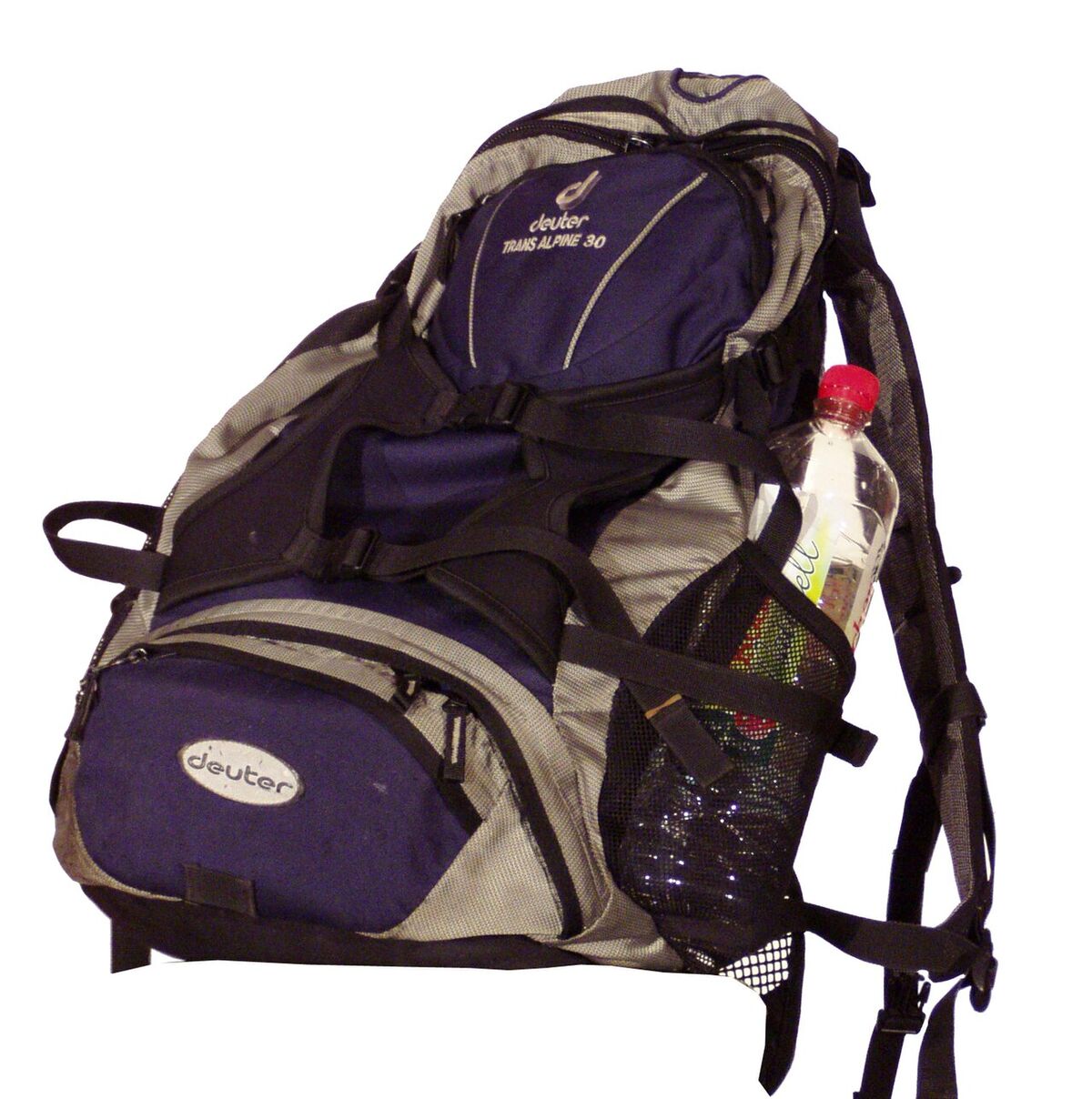
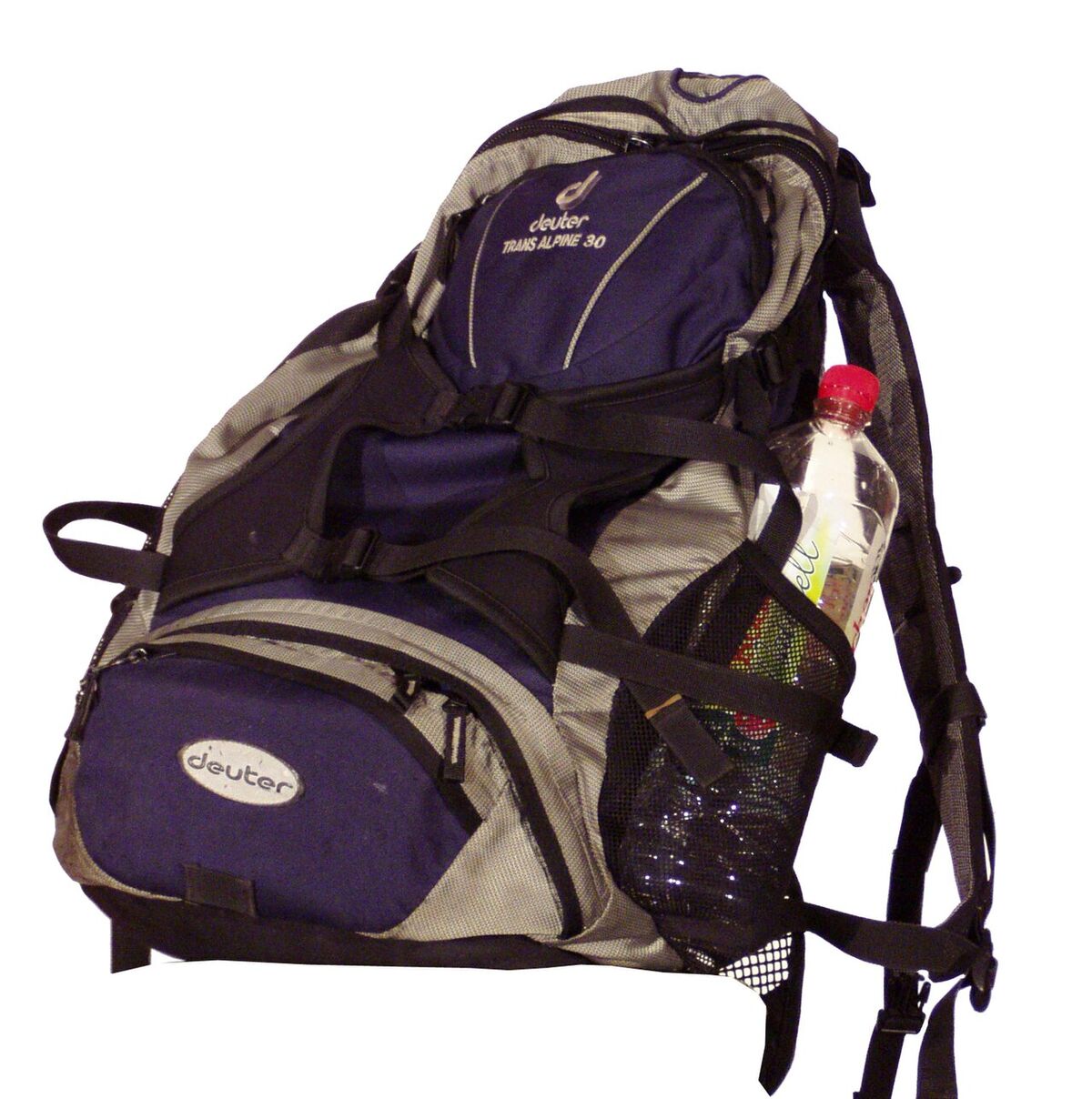
You don't need a fancy weighted vest or a specialized rucksack to begin. An old, sturdy laptop backpack with a couple of dumbbell plates wrapped in a towel (so they don't shift around) is enough for a normal walk around the neighborhood.
Posture is one of the first things that can change. With weight pulling slightly back on your shoulders, you tend to open your chest and engage your core to stabilize the load. That can pull you out of the 'computer slouch' that comes from sitting at a desk all day.
Heart rate is the other. An ordinary walk may barely register on a smartwatch as exercise, but added weight can raise your heart rate noticeably. You may sweat and breathe a little heavier while still being able to hold a conversation—the kind of effort associated with Zone 2 cardio, achieved simply by walking.
What Are the Benefits of Rucking?
I think rucking is one of the most accessible and effective fitness trends right now, for three reasons:
- It Combines Strength and Cardio: You aren't just burning calories; carrying a load works your glutes, hamstrings, back, and core, which may make everyday tasks like climbing stairs feel easier over time.
- It's Low Impact: Running sends a shockwave equal to three times your body weight through your knees with every single step. Rucking is essentially just walking, meaning one foot is always on the ground. That makes it a gentler option for the joints, which can matter more as we get older.
- You Can Do It Anywhere: You don't need a gym membership. You just step out your front door. You can ruck while listening to podcasts, taking work calls, or walking to the grocery store, so it fits into daily life rather than requiring a separate "gym time."
How Do You Start Rucking Safely?
Don't throw 50 pounds in a bag on day one. Your shoulders and traps need time to adapt to bearing weight.
Start with about 10% to 15% of your body weight. If you weigh 160 pounds, aim for 15 to 20 pounds max. Use any sturdy backpack, but make sure the weight is secured high up between your shoulder blades, not sagging down by your lower back. Once you adapt, you can look into specialized rucking plates or dedicated rucksacks (like those from GORUCK), which distribute the weight much more comfortably. If you have existing back, knee, or heart concerns, check with a doctor or physical therapist before adding load.
A routine that basically amounts to "carrying heavy groceries" may seem too simple to matter, but there is something primal and satisfying about putting a load on your back and just moving forward. If you hate running but want a cardio habit you can keep, grab a backpack and give rucking a try this weekend.