Breathing Easy: What a Smart Air Purifier Does Differently in 2024
- Technology, Health
- Exien
- · Updated
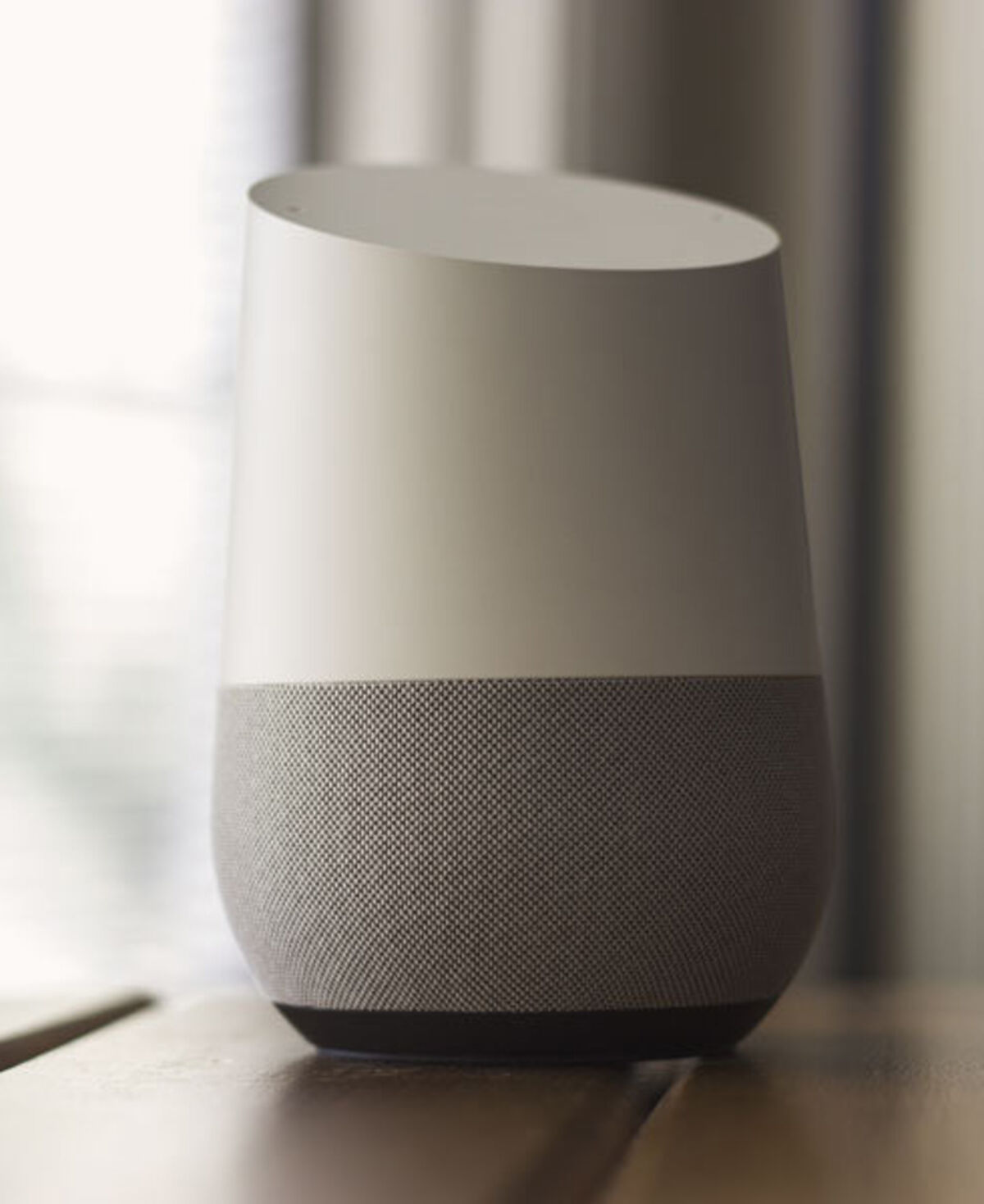
A smart air purifier filters air much like a standard HEPA model; what it adds is real-time sensors, an AI-driven auto mode, and smart home integration. That makes it most worthwhile for people with severe allergies, those in wildfire-prone areas, or anyone who wants to know exactly what they are breathing, while a basic "dumb" purifier is enough for simple dust control.
Why Consider a Smart Air Purifier at All?
The case for a smart purifier starts with pollution you can't see. A common approach to indoor air quality is simple: open a window when it gets stuffy, and maybe run a basic, loud fan with a HEPA filter attached during allergy season. But reports about the rise of indoor air pollution and volatile organic compounds (VOCs) emitted from everyday household items are a good reason to think about the invisible particles floating around your home.
A high-end smart model replaces that guesswork with real-time sensors, an AI-driven auto mode, and deep smart home integration, and it can run quietly in the corner of a living room. The question is whether giving your air filter a "brain" actually makes a difference for daily comfort.
What Does Real-Time Air Quality Monitoring Show You?
The biggest difference between a traditional air purifier and a smart one isn't the filter itself—it's the sensors. A typical smart model has a digital display that constantly reads out PM2.5 (fine particulate matter) levels, VOC concentrations, and even humidity.
- Seeing the Invisible: Even a home that seems quite clean can surprise you. Searing a steak on the stove, for example, can send PM2.5 readings on a purifier across the room jumping from healthy levels into highly unhealthy territory. A smart purifier can then ramp up its fans to clear the smoke before it settles into furniture.
- The VOC Revelation: Cooking smoke is the expected trigger, but the VOC sensor can be more surprising. Standard cleaning sprays, a scented candle, or new furniture can all cause VOC levels to jump. A smart purifier can recognize these invisible chemical gasses and respond automatically, which can offer real peace of mind.
Can You Really Set It and Forget It?
Yes, that is the main point of a truly smart appliance: you shouldn't have to interact with it constantly. After an initial period of checking the app out of curiosity, it is easy to forget the purifier is even there, and that is a compliment.
- AI Auto Mode: Instead of manually guessing what fan speed you need, the AI-powered auto mode constantly analyzes ambient air quality and adjusts the fan speed on the fly. It can hum along on its lowest setting most of the time, kicking into a loud, high gear only when it actively detects a pollutant.
- Automated Sleep Schedules: Connected to a smart home ecosystem, it can follow your routine. Triggering a "Goodnight" routine on your phone can turn off the purifier's bright display automatically and restrict it to a whisper-quiet sleep mode so it doesn't wake you up.
Is a "Smart" Purifier Really Necessary?
It depends on your lifestyle.
If you just want basic filtration for a dusty room, a standard "dumb" purifier with a good HEPA filter will do the job for half the price. The filter media itself is often exactly the same.
However, if you suffer from severe allergies, live in an area prone to wildfires, or simply want the reassurance of knowing exactly what you are breathing, the upgrade can be valuable. The ability of a smart air purifier to react automatically to pollutants you can't see—and clean the air before you realize it's dirty—makes it more than a simple household appliance. It is not a medical treatment, though; allergy or breathing symptoms are worth discussing with a doctor.