The Great Blue Screen Pandemic: Surviving the CrowdStrike Global Outage of 2024
- Security, Technology
- Exienent
- · Updated
The CrowdStrike global outage of July 2024 was caused not by a cyberattack but by a faulty content update to CrowdStrike Falcon, which crashed Windows PCs into an endless Blue Screen of Death loop. Airlines, hospitals, banks and retailers went down at once, and the fix had to be applied by hand, machine by machine.
For millions of IT professionals and everyday workers, it meant walking into work, coffee in hand, only to be greeted by a sea of blue screens. It was something far more mundane than state-sponsored hackers, yet far more destructive: the day Windows PCs decided to take a collective, forced vacation.
What Happened on the Morning of the Outage?
The outage surfaced first on social media, with posts like "My PC won't boot" and "Is anyone else getting a BSOD?" At first it looked like an isolated issue. Then the scope revealed itself. Airlines were grounding flights. Hospitals were canceling non-emergency procedures. Banks were unable to process transactions. Supermarket checkouts were completely frozen.
The culprit was a seemingly routine content update for CrowdStrike Falcon, a widely used enterprise endpoint security platform. CrowdStrike is the software companies install to prevent bad things from happening to their computers. The irony is almost too painful to point out.
How Could One Update Crash So Many Computers?
A single update could cause such widespread chaos because of how modern security software works. Tools like CrowdStrike Falcon don't just sit on top of your operating system; they integrate deeply into the core of Windows (the kernel) to monitor for malicious activity before it can do damage.
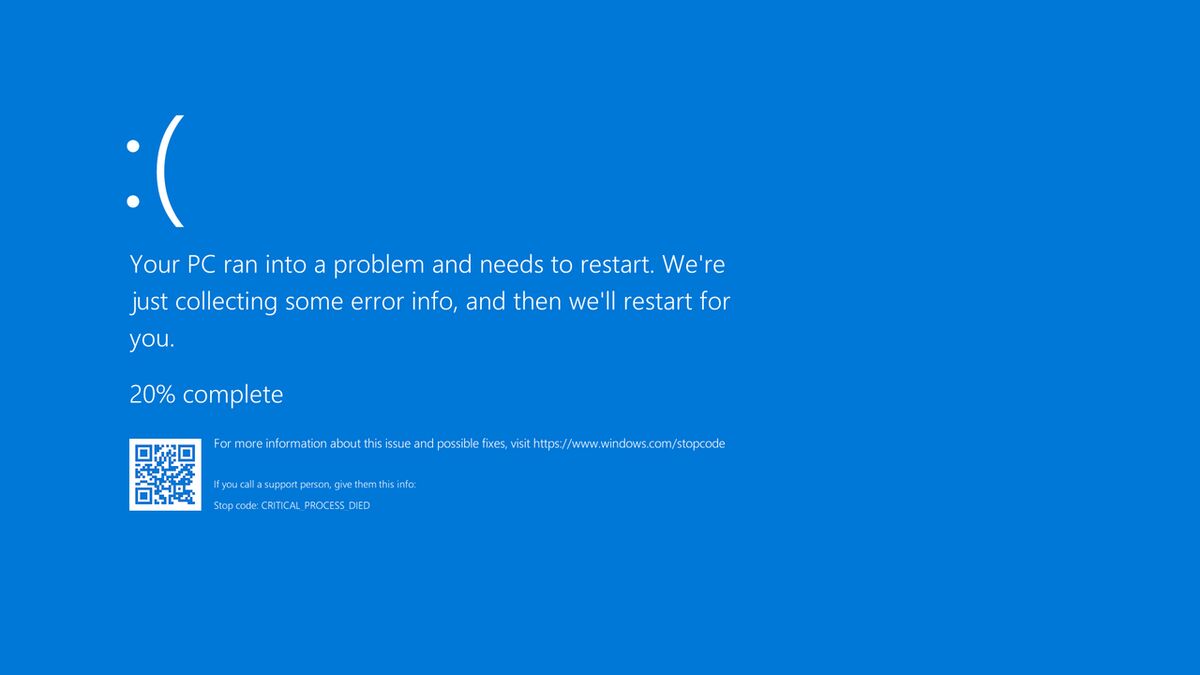
Because of this deep integration, a bad piece of code can crash the entire system, and that's exactly what happened. The update contained a logic error that triggered a system crash, resulting in the infamous Blue Screen of Death (BSOD). Every time the affected computers tried to reboot, the faulty driver would load, causing the crash all over again in an endless, frustrating loop.
Why Was the Fix So Hard?
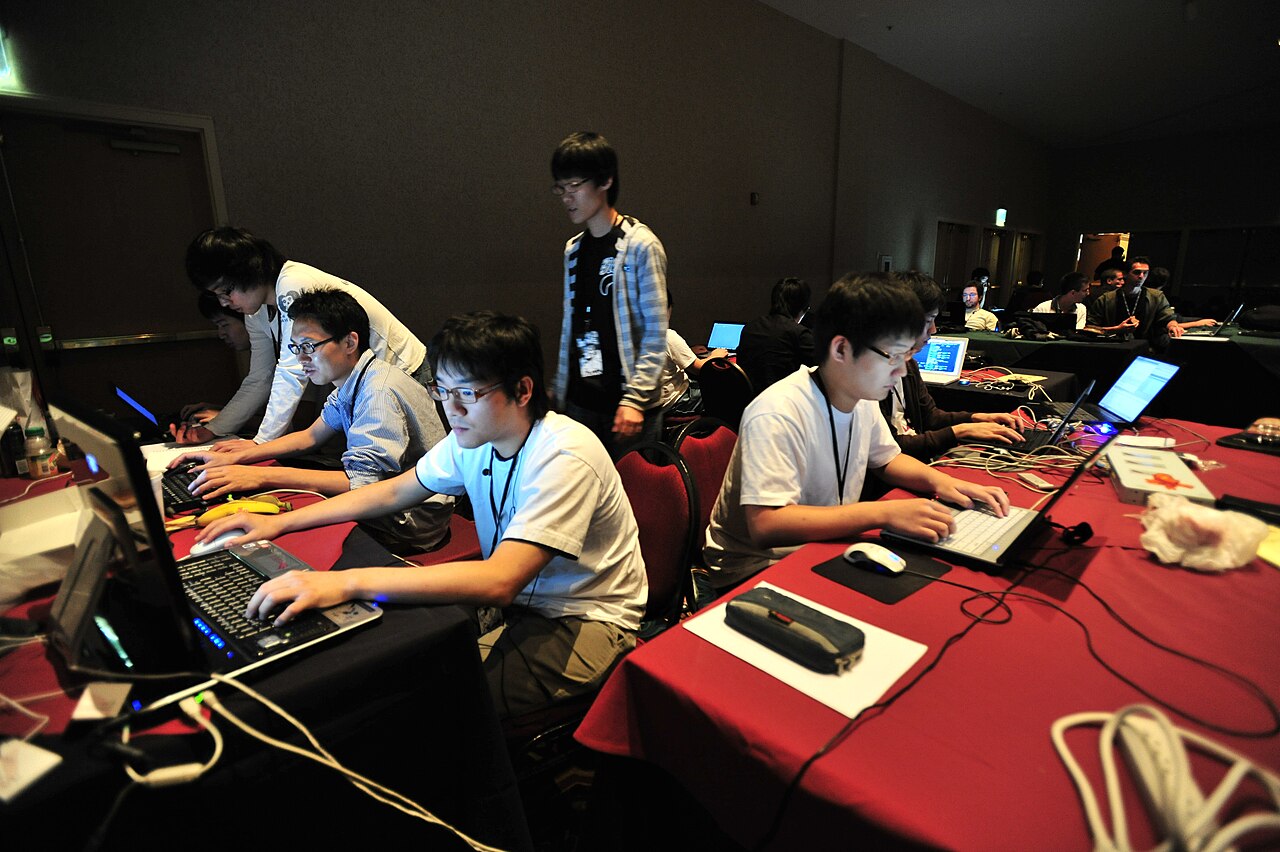
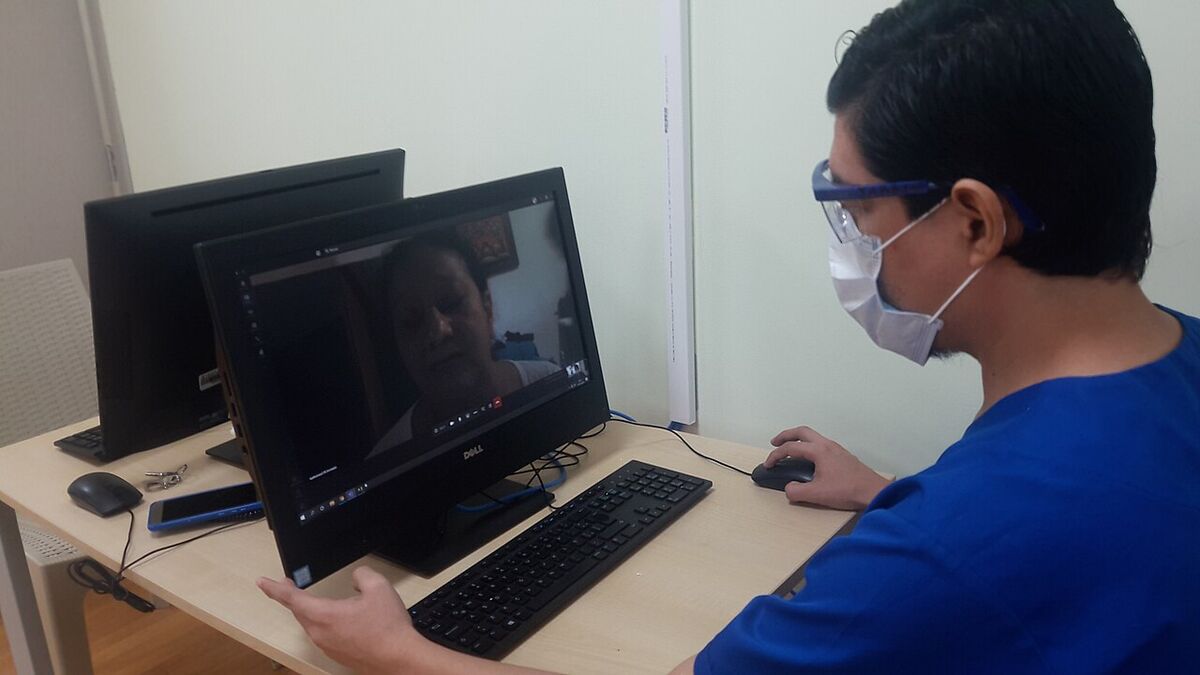
The fix could not be pushed remotely. Because the computers were stuck in a boot loop, they couldn't simply receive a new, patched update over the network. IT admins had to physically access each machine, boot into Safe Mode, and manually delete the problematic file (C-00000291*.sys).
Imagine having to do that for 10 computers. Now imagine doing it for 10,000 computers scattered across different offices, airports, and hospitals. It was a manual, painstaking process that took days for many organizations to complete.
What Lessons Did the CrowdStrike Outage Teach?
The scale of the outage was unprecedented, and it highlighted a terrifying reality about our modern digital infrastructure: we are incredibly reliant on a few single points of failure. A mistake by one vendor can bring down airlines, broadcasters, and healthcare systems simultaneously across the globe.
So, what do we take away from this?
First, it’s a massive wake-up call for software testing and deployment practices. Staged rollouts, where updates are released to a small group of users first before a global push, are absolutely critical. Pushing a kernel-level update to every machine on earth at the exact same time is a recipe for disaster.
Second, it underscores the importance of resilience. Organizations need robust business continuity plans that don't just assume the cloud and their security vendors will always be available.
While the dust has mostly settled, the CrowdStrike BSOD outage will undoubtedly go down in history as one of the most significant IT failures of the decade. It's a stark reminder that in our hyper-connected world, the biggest threats sometimes come from the very tools designed to protect us.