AI That Decodes Dreams: The Wild Reality of Neuro-Tech in 2024
- Technology, AI & Data, Health
- Exienent
- · Updated
Dream decoding is the use of brain scans (fMRI or high-density EEG) combined with generative AI to reconstruct the images a person sees in their mind, including during light sleep. In 2024 the results are not crisp videos but blurry, surreal reconstructions, produced in research labs with heavily personalized models. The technology is promising for therapy and communication, and it raises serious questions about mental privacy.
Why Would Anyone Want to Record a Dream?
Recording a dream would solve a familiar frustration: you wake up from a wildly vivid, beautifully bizarre dream, only to have the memory slip through your fingers the moment you try to explain it. "You had to be there," we usually say, frustrated by our inability to put our subconscious adventures into words.
But what if you didn't have to explain it? What if you could just show someone the video?
In 2024, the intersection of advanced neuro-technology and Generative AI has crossed a threshold that sounds like pure science fiction. Research coming out of the world’s top neuroscience labs is using fMRI data and advanced diffusion models to reconstruct the images people see in their minds. The sections below explain how the technology works, what a decoded dream might look like, and the massive ethical questions we are about to face.
How Does Dream Decoding Actually Work?
Dream decoding works by pairing a brain scanner with an AI model that translates brain activity into images. If you are picturing a sci-fi helmet that you wear to bed that simply records your dreams onto a USB drive, we aren't quite there yet. The current reality is a bit more clinical, but no less fascinating.
The process of dream decoding (or more accurately, visual reconstruction from brain activity) relies on two major components working together: Brain Scanners and Generative AI.
1. Reading the Brain Data
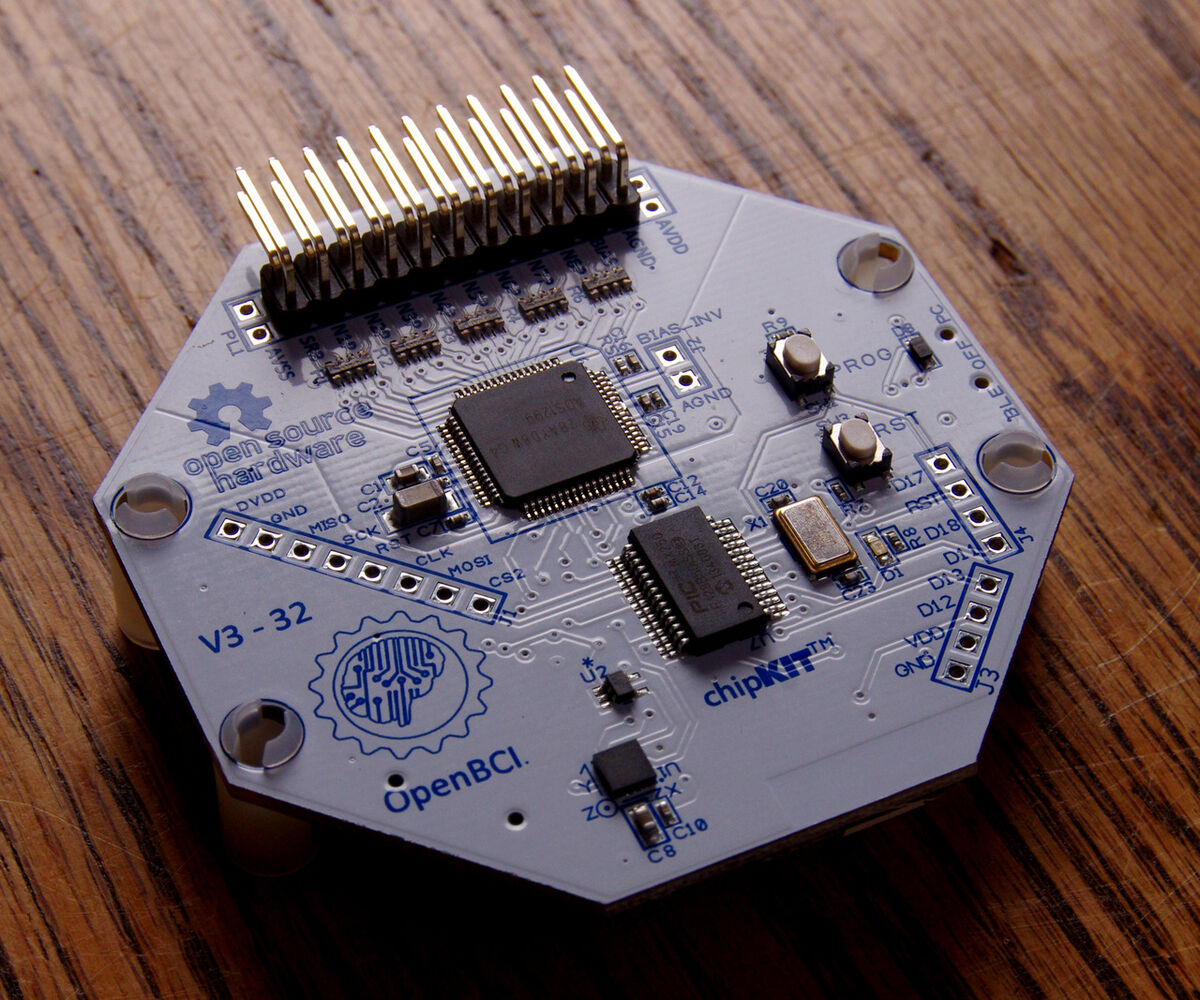
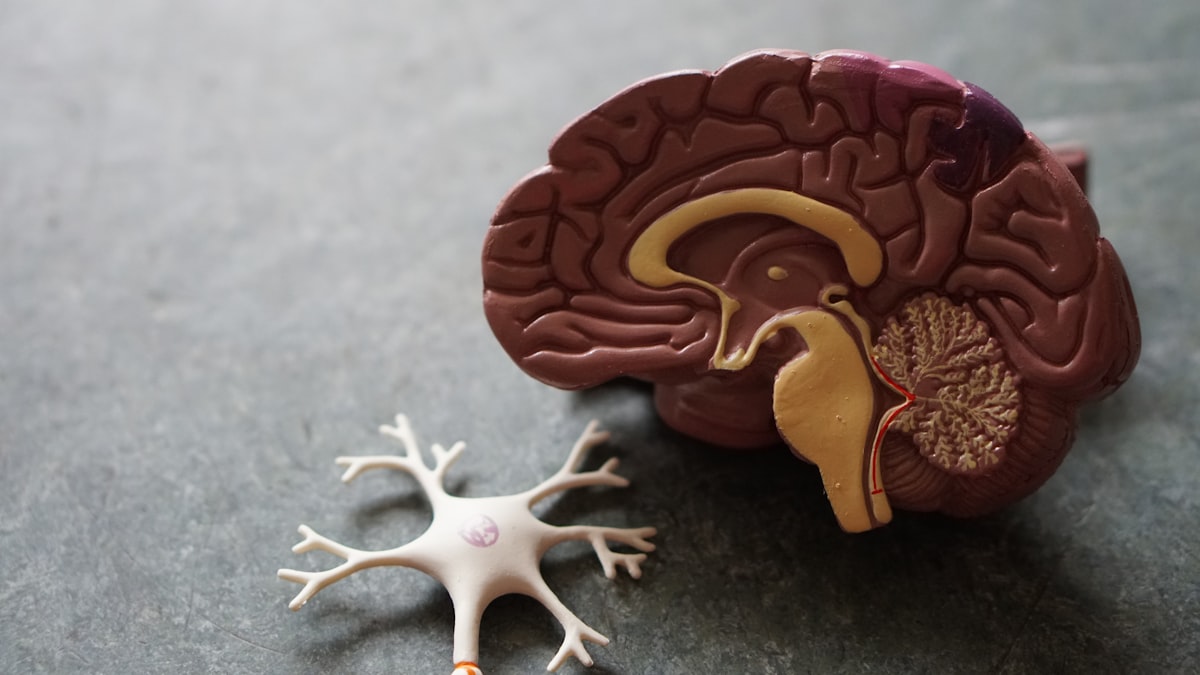
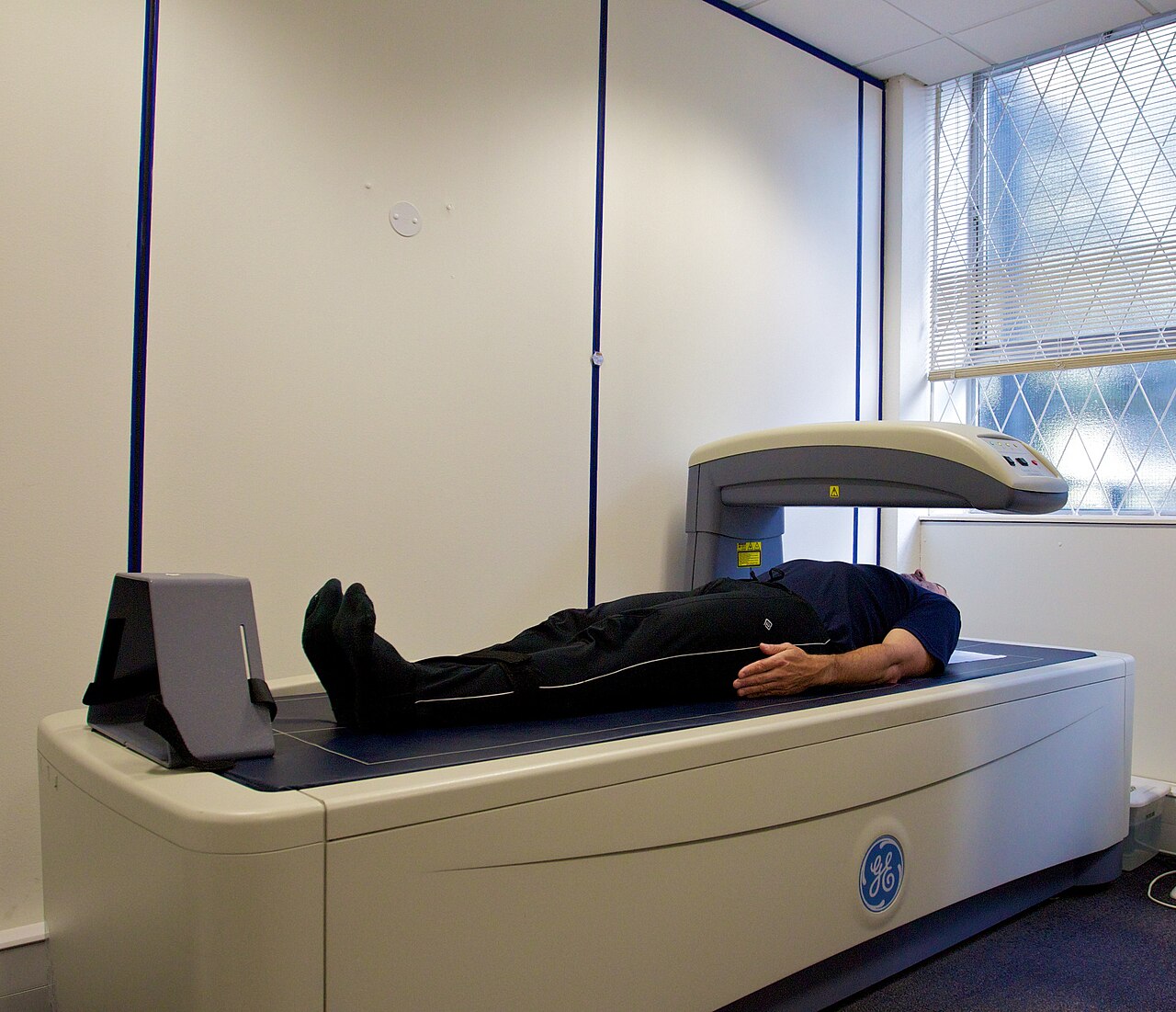
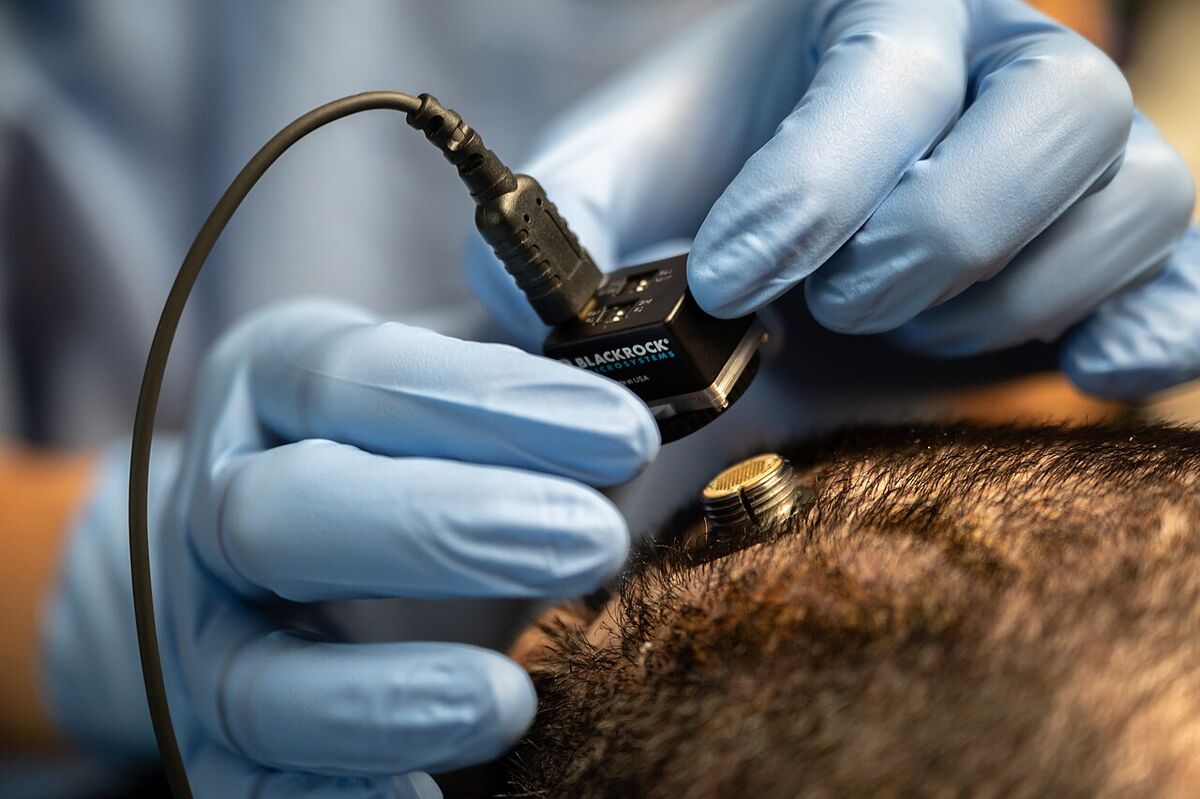
To decode a visual image from your mind, researchers first need to capture high-resolution data of your brain's blood flow and electrical activity. Currently, this requires functional Magnetic Resonance Imaging (fMRI) or highly advanced, high-density EEG caps. When you look at an object—or when you dream about looking at an object—the visual cortex at the back of your brain lights up in very specific, recognizable patterns.
2. The AI Translator
The AI model is where raw signals become pictures. The raw brain data is essentially a complex mathematical puzzle. In the past, scientists could only vaguely guess what a subject was looking at ("It's probably a face" or "It might be a building").
But in 2024, researchers are feeding that massive stream of brain data into hyper-advanced Generative AI models (similar to the technology behind Midjourney or OpenAI's Sora). These AI models have been trained on millions of pairings of images and the corresponding brain scans of people looking at those images.
The AI acts as a translator. It takes the fuzzy, complex signals from the visual cortex and reverse-engineers them, generating an image or a short video clip that matches the neural activity. In effect, it draws an approximation of what your brain is seeing.
What Does a Decoded Dream Look Like?
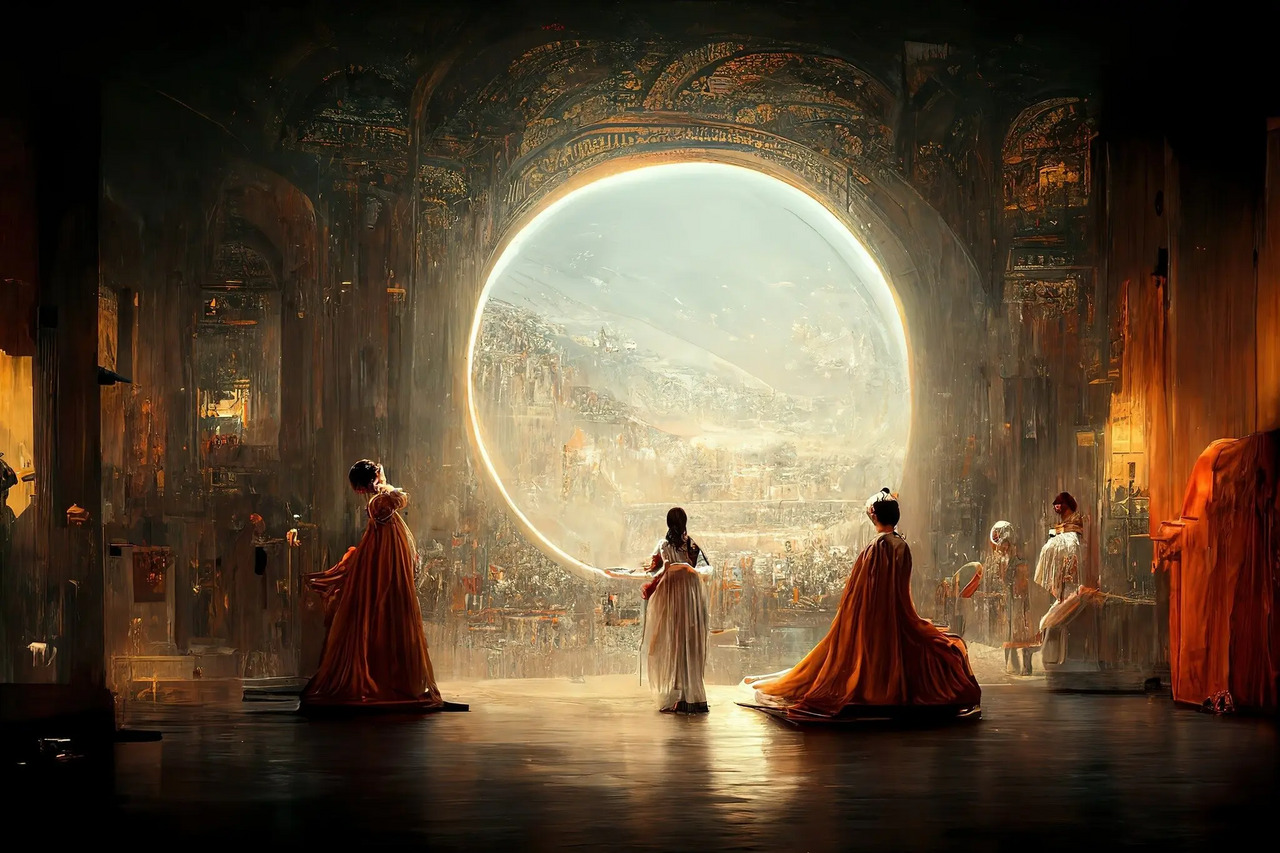
A decoded dream looks less like a 4K video and more like a stylized, slightly blurry, surrealist painting in motion. Getting there is demanding. A participant can spend hours inside an fMRI machine, looking at thousands of training images so the AI can learn the unique "language" of that specific brain. The models have to be heavily personalized; one person's brain signature for a "dog" looks slightly different than another's.
Once the AI is calibrated, the participant can be asked to close their eyes, fall into a light sleep state within the scanner, and try to hold onto whatever visual imagery appears. Researchers then compare the reconstruction against what the person reports seeing.
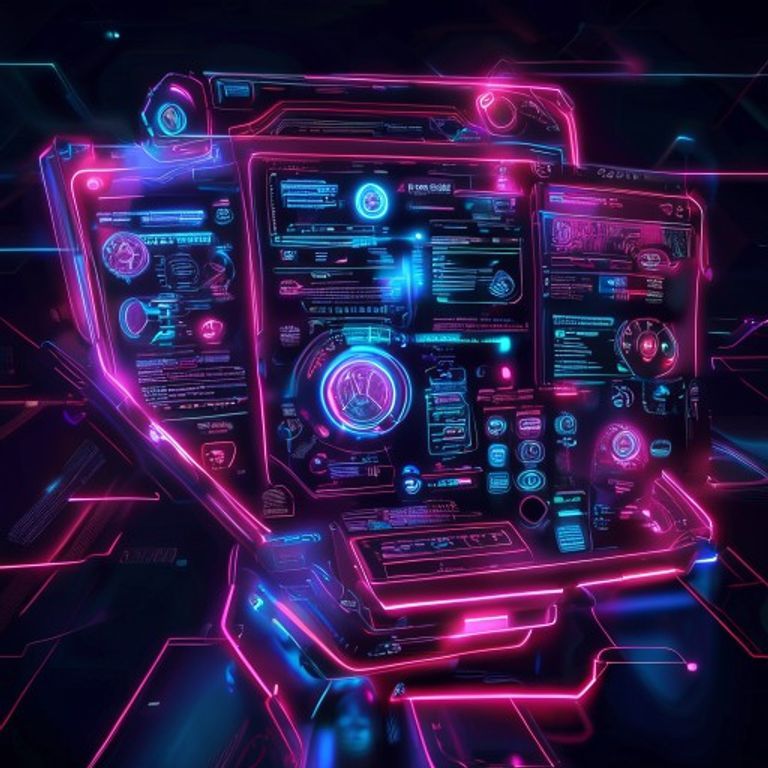
If someone dreamed about walking through a distorted, neon-lit hallway with geometric shapes floating in the air, a reconstruction might capture the shifting colors, the strange architecture, and the general feel of the space rather than precise details. Seeing a machine pull something out of a private subconscious and render it in the physical world would likely be both profound and unsettling.
The Good, The Bad, and The Terrifying
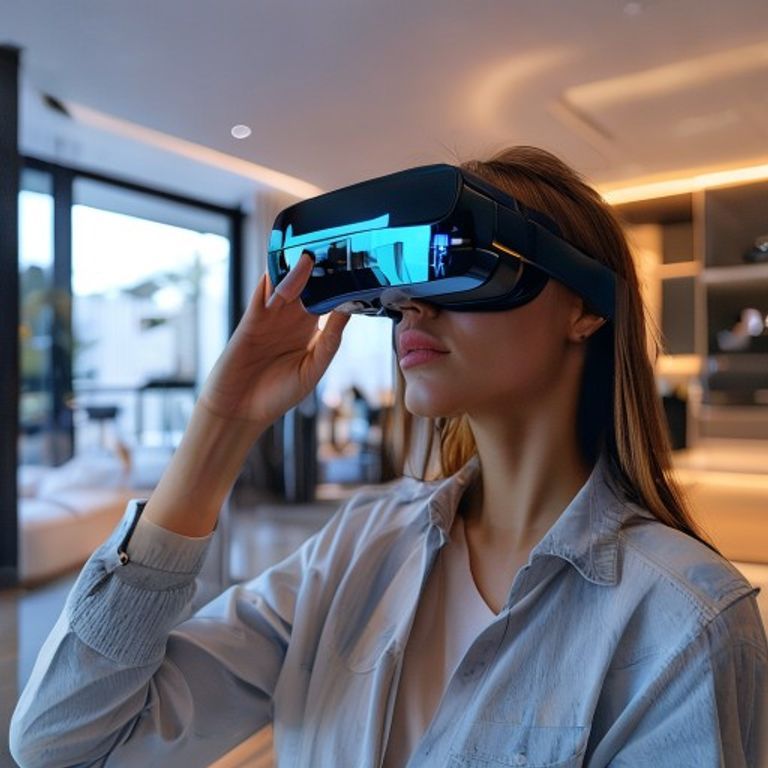
The stakes rise sharply as this technology moves out of massive fMRI machines and into portable, consumer-grade wearables, which several tech giants are aggressively developing right now. We are standing on the edge of a massive societal shift.
The Incredible Potential
- Revolutionary Therapy: Imagine psychologists being able to visually analyze a patient's recurring nightmares to help treat severe PTSD or trauma.
- Communication: For individuals suffering from "locked-in" syndrome or severe paralysis, this technology could allow them to communicate their thoughts, needs, and creative ideas purely through visual reconstruction.
- Unleashing Creativity: Filmmakers, artists, and game designers could directly export their wildest, unfiltered imagination straight into a digital workspace.
The Ultimate Privacy Nightmare
However, the dark side of this technology is staggering. If a machine can decode your dreams, it may eventually decode your waking thoughts.
What happens when your subconscious is no longer private? Will corporations offer "free" neuro-wearables in exchange for the right to harvest your brain data to serve you hyper-targeted ads based on your fleeting desires? What if authoritarian governments use brain-decoding tech during interrogations? The concept of "freedom of thought" is about to face its greatest legal and philosophical challenge in human history.
Are We Ready for Dream Decoding?
Probably not yet. Dream decoding in 2024 suggests that the final frontier isn't space; it's the human mind. The ability to visually render our imagination may be one of the most incredible technological leaps of our lifetime.
But a printout of an image pulled directly from a sleeping mind should give anyone a chill. We are opening a door that can never be closed.
Would you want to see a recording of your own dreams? Let me know your thoughts down below!