Letting AI Watch the Backyard: What an AI Smart Bird Feeder Is Really Like
- Hardware, AI & Data, Lifestyle
- Exienent
- · Updated
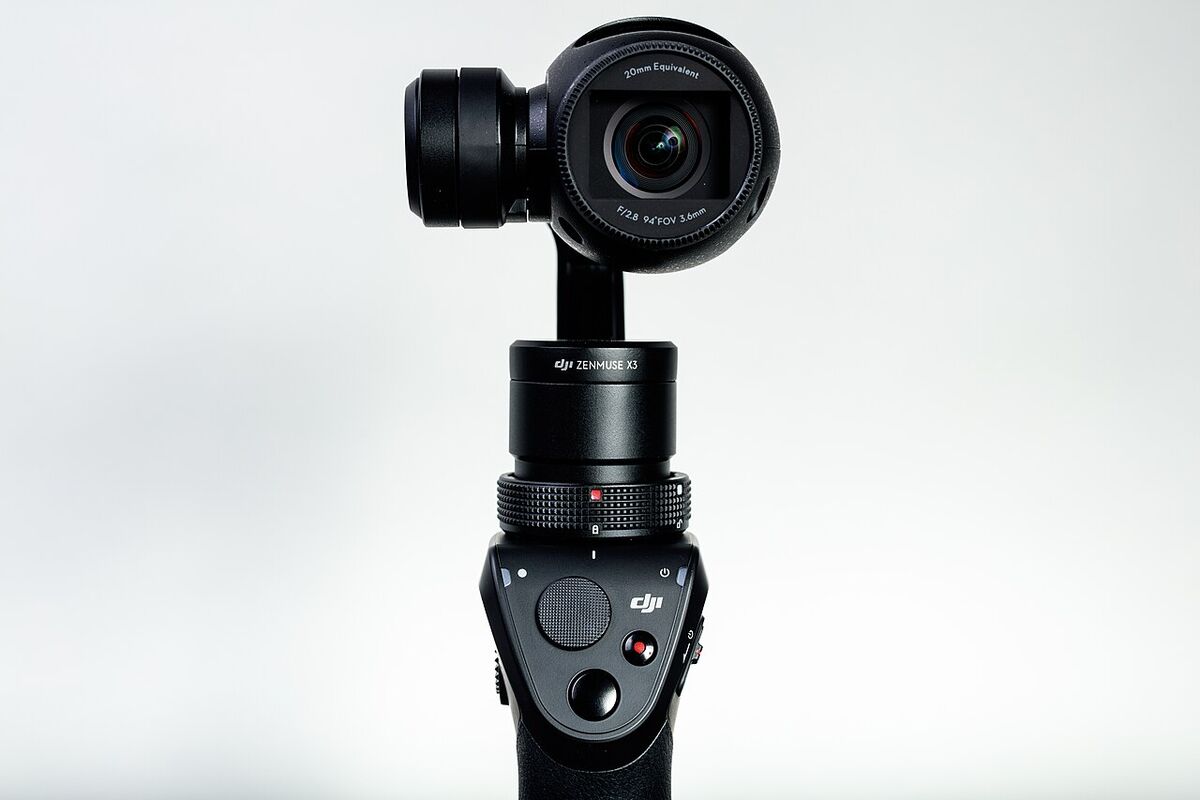
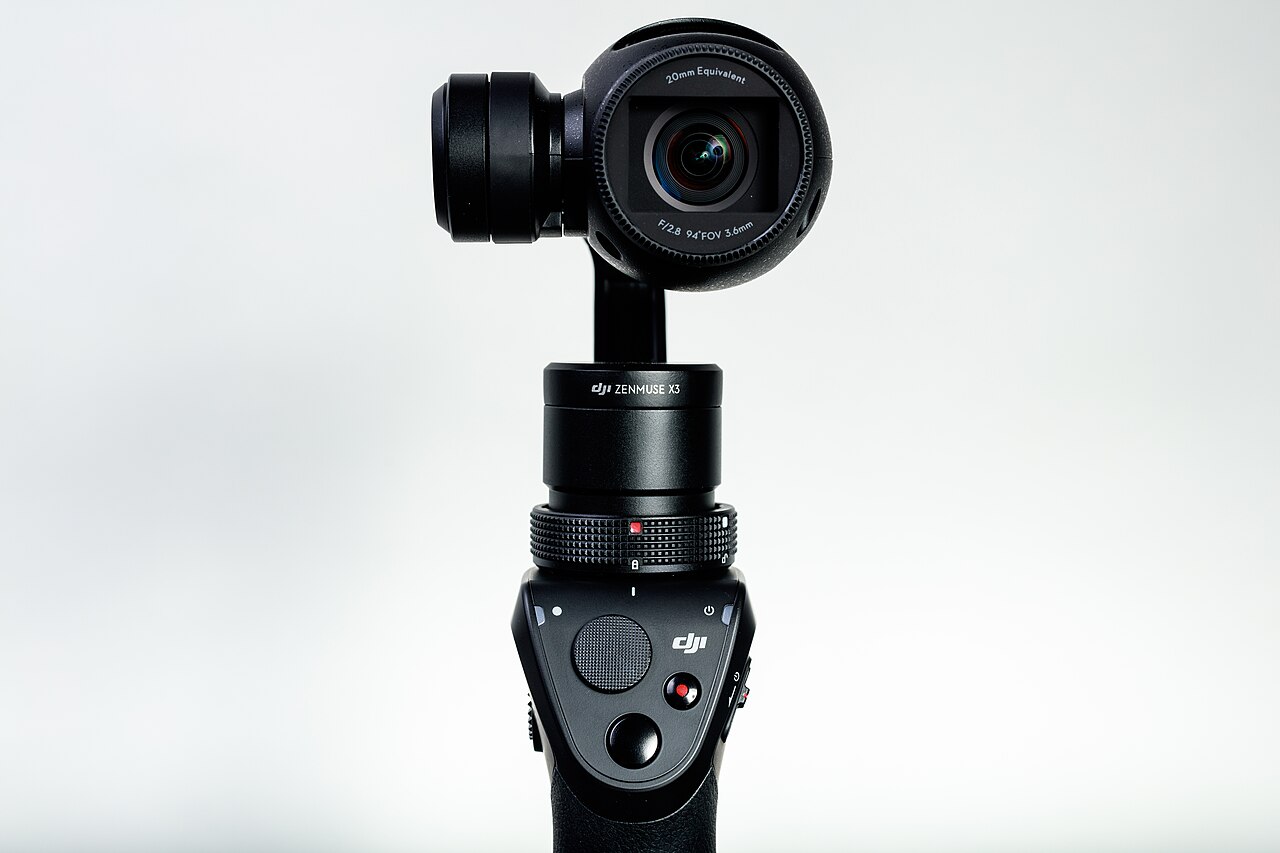
A 2026 AI Smart Bird Feeder is essentially a high-definition security camera attached to a food tray, with a built-in computer vision model that names each visiting bird and sends a photo to your phone. In my view it is a genuinely fun upgrade for gadget lovers and people who work from home, but it costs ten times more than a basic feeder and brings real trade-offs around squirrels, battery life, and privacy.
The appeal is easy to understand. Anyone who has spotted a small, bright red bird outside the window, wanted to know what it was, and lost it before a phone camera could focus knows the frustration these devices are built to solve. Below is a breakdown of how they work, what they do well, where they fall short, and whether they are worth the upgrade from a standard wooden feeder.
How Does an AI Smart Bird Feeder Work?
An AI smart bird feeder identifies birds on the device itself, without sending video to the cloud first. When a bird lands on the perch, a motion sensor triggers the camera. Older approaches recorded a video and uploaded it to a cloud server to figure out what it was—which used to take a few minutes and cost a monthly subscription fee—but the new 2026 models do the heavy lifting on the device itself.
Thanks to advanced edge computing, the camera uses an onboard AI model trained on thousands of bird species. Within a fraction of a second, a notification can arrive on your phone: "A Northern Cardinal has arrived!" accompanied by a crystal-clear, close-up photo and a short 10-second video clip.
Setup can be fairly simple: mount the feeder to a pole, fill it with a generic seed mix, and connect it to your home Wi-Fi.
What Are the Benefits of an AI Bird Feeder?
The main benefit is that it turns looking out the window into something close to a game.
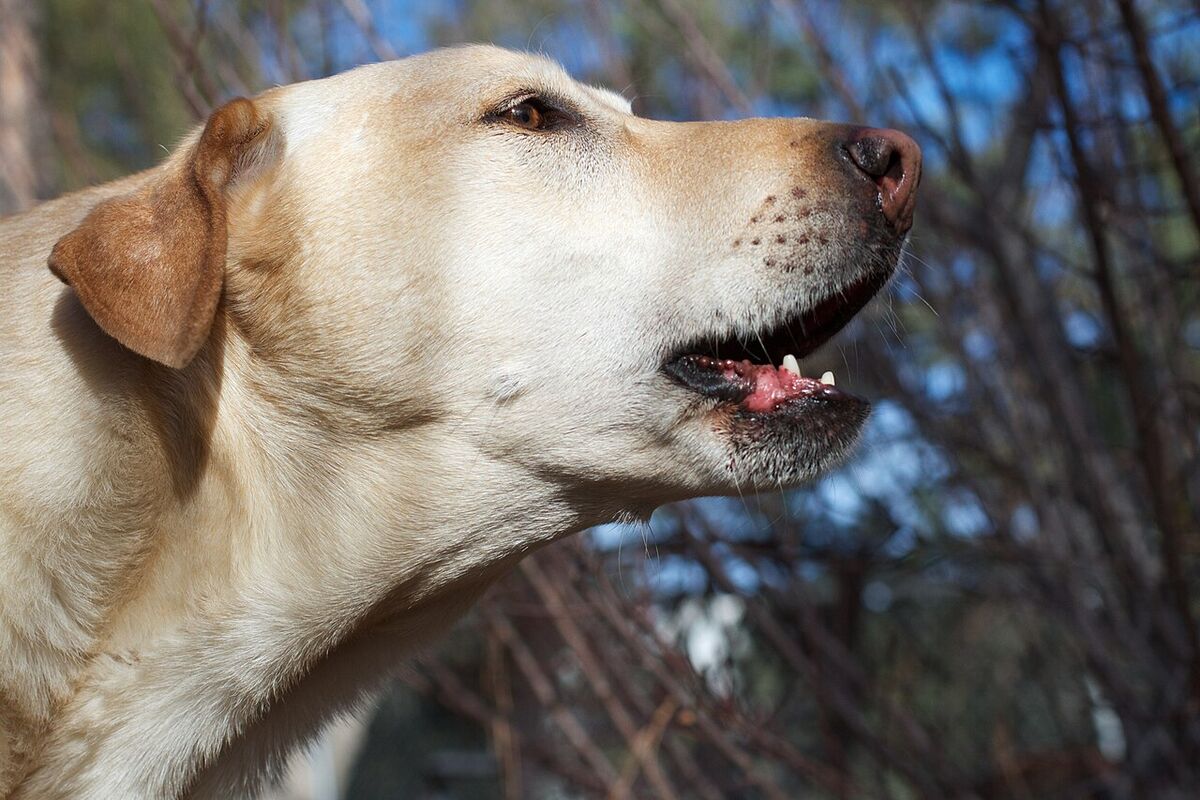
- Identification Accuracy: You might expect the AI to mistake a squirrel for a rare eagle, but onboard models can be impressively accurate. A suburban yard may turn out to host species you never realized lived in your area, such as the Tufted Titmouse or the Rose-breasted Grosbeak.
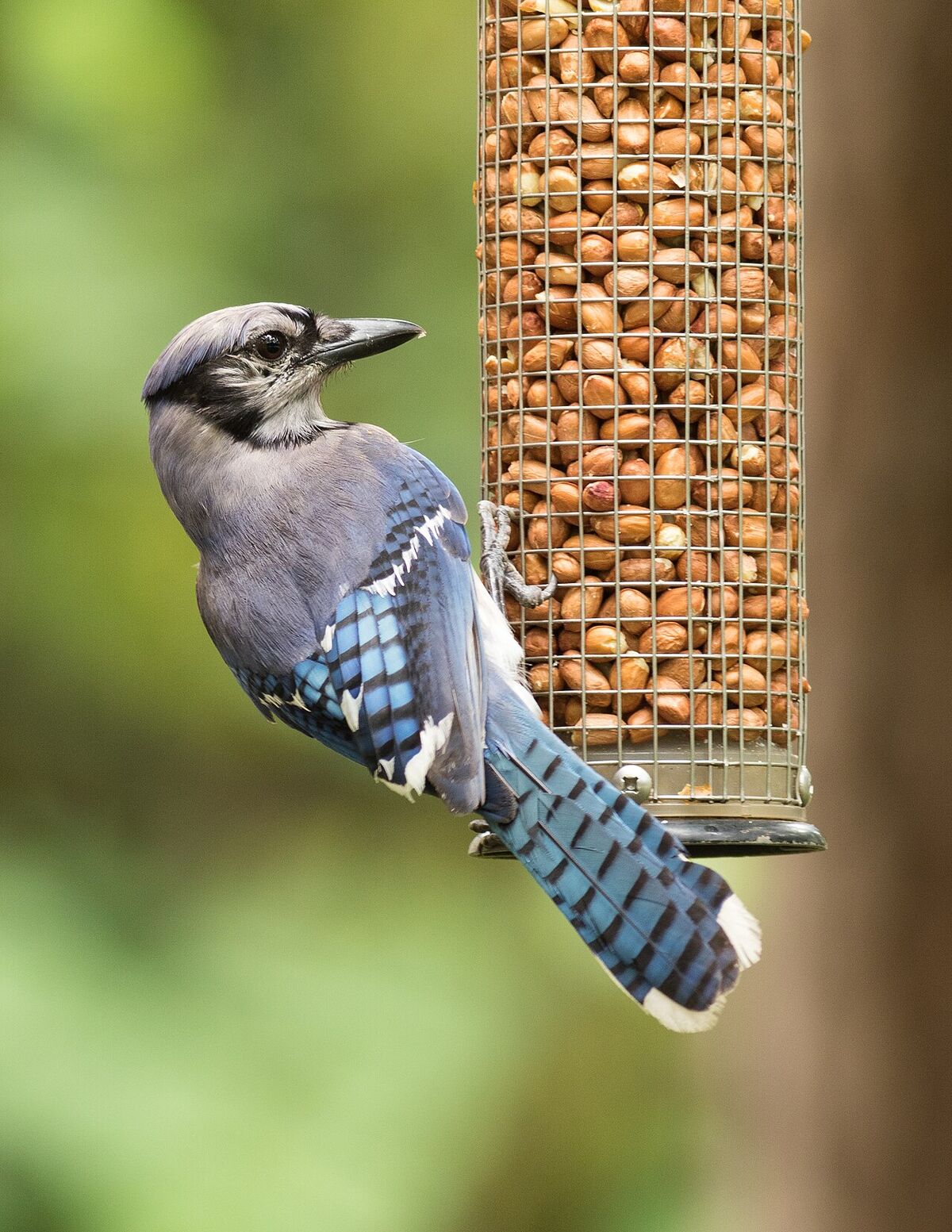
- A Living Nature Documentary: The camera angle is pointed directly at the feeding tray. High-definition, slow-motion video of a Blue Jay cracking open a peanut from just three inches away can feel like a private nature documentary being filmed in your backyard around the clock.
- Educational Value: The companion app acts like a digital Pokédex. Every time a new species visits, it is added to your "collection" along with a small fact sheet about its migration patterns and preferred diet, which can make you more aware of the local ecosystem.
What Are the Downsides: Squirrels, Batteries, and Privacy?
The downsides are practical rather than technical, and any potential buyer should plan for them.
- The Squirrel Problem: No matter how "smart" the feeder is, it cannot stop a determined squirrel. The AI will happily identify the squirrel and send a notification, but it won't deter it. A separate physical baffle for the pole may be needed to keep squirrels from draining expensive seed in a matter of hours.
- Battery Maintenance: Because the device constantly processes video through a neural network, it uses a decent amount of power. Some models come with a small solar panel roof, but a run of cloudy days can drain the battery completely. You either need well-placed sunlight or you have to unmount the heavy camera unit every few weeks to charge it via USB-C.
- The Data Privacy Factor: It sounds paranoid, but you are essentially pointing an internet-connected camera at your neighbor's property line. While the AI is trained on birds, it still captures video of your yard. Positioning the feeder so the background is mostly sky and trees helps ensure you aren't accidentally streaming a neighbor's patio to a tech company's servers.
Is an AI Smart Bird Feeder Worth the Money?
An AI smart bird feeder is worth it mainly if you will look at it every day. These feeders aren't cheap: a standard plastic feeder costs about $15, whereas an AI-powered model will run you anywhere from $150 to $300.
If you just want to casually look at birds from a distance, stick to the cheap plastic tube. But if you work from home, love gadgets, and want a small daily lift every time your phone buzzes with a new visitor, I think it is an incredibly fun investment. A device that nudges you to look away from your screens and pay a little more attention to the natural world is, to me, worth a lot of the price of admission.