Modular Laptops in 2026: Is Repairable Tech Worth It?
- Hardware, Environment, Review
- Exienent
- · Updated
A modular laptop is worth it if you want a machine you can repair, reconfigure, and upgrade instead of replacing. You get swappable ports, replaceable parts, and a path to a new mainboard; in exchange, you accept a thicker chassis, a slightly smaller battery, and no savings on day one.
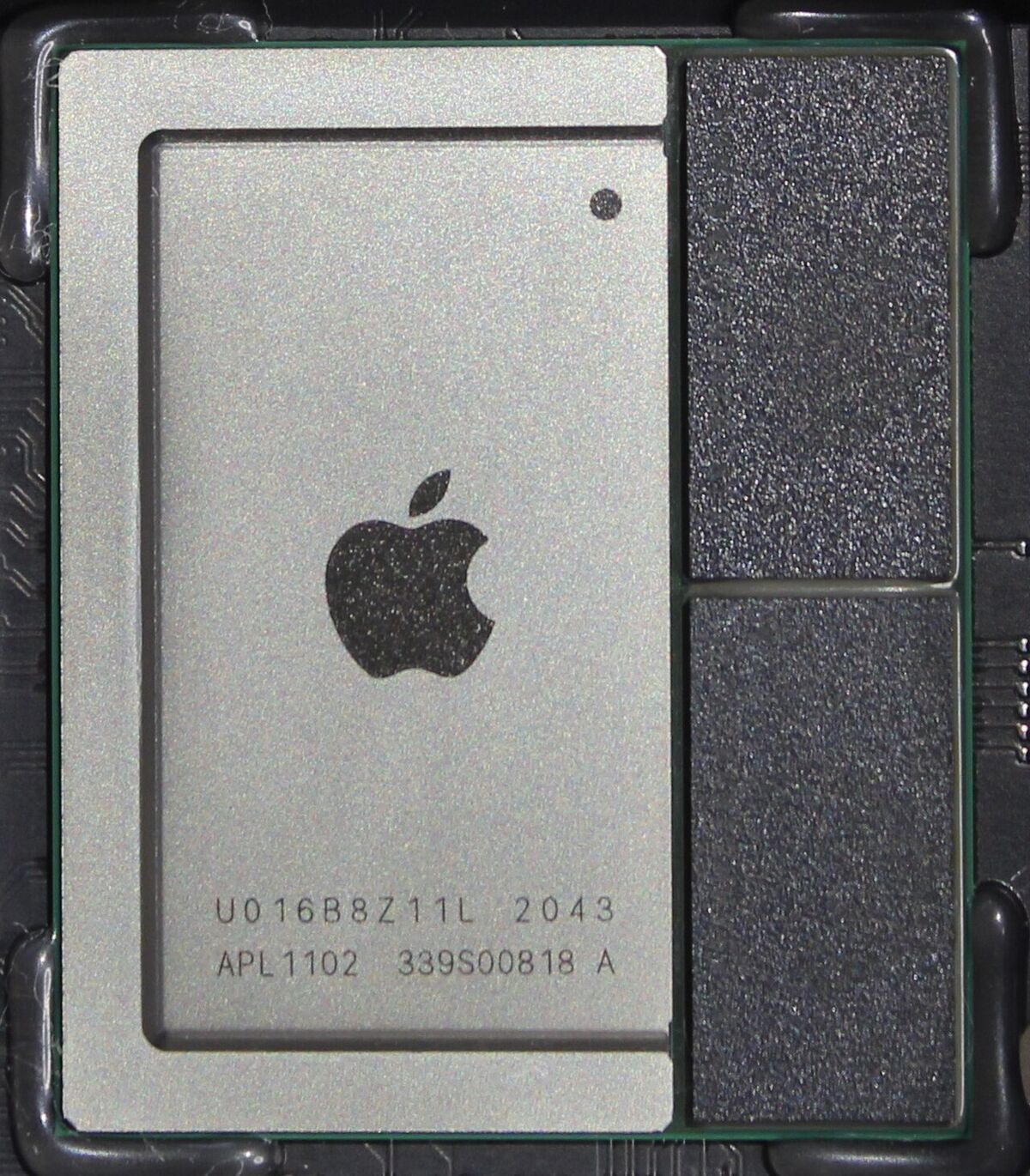
The case for modularity is easiest to see when a conventional laptop breaks. On many sleek flagship machines, the RAM, storage, and CPU are soldered together. A single spilled cup of coffee on the logic board can mean replacing the entire board, at a cost that approaches the price of a new computer. That design pushes owners into a cycle of disposable technology, and it is exactly what the Right to Repair movement pushes back against.
What Does "Modular" Actually Mean?
Modular means far more than unscrewing the back plate to swap a stick of RAM. The entire machine is built like a set of expensive, high-tech LEGOs.
These laptops can arrive not as a finished product, but as a kit. The chassis, the screen, the keyboard, the mainboard, and the battery are all separate components. The ports on the side of the machine (USB-C, HDMI, SD card reader) are housed in little swappable expansion cards. If you need two HDMI ports for a presentation, you slide out a USB-A module and slide in an HDMI module in seconds.
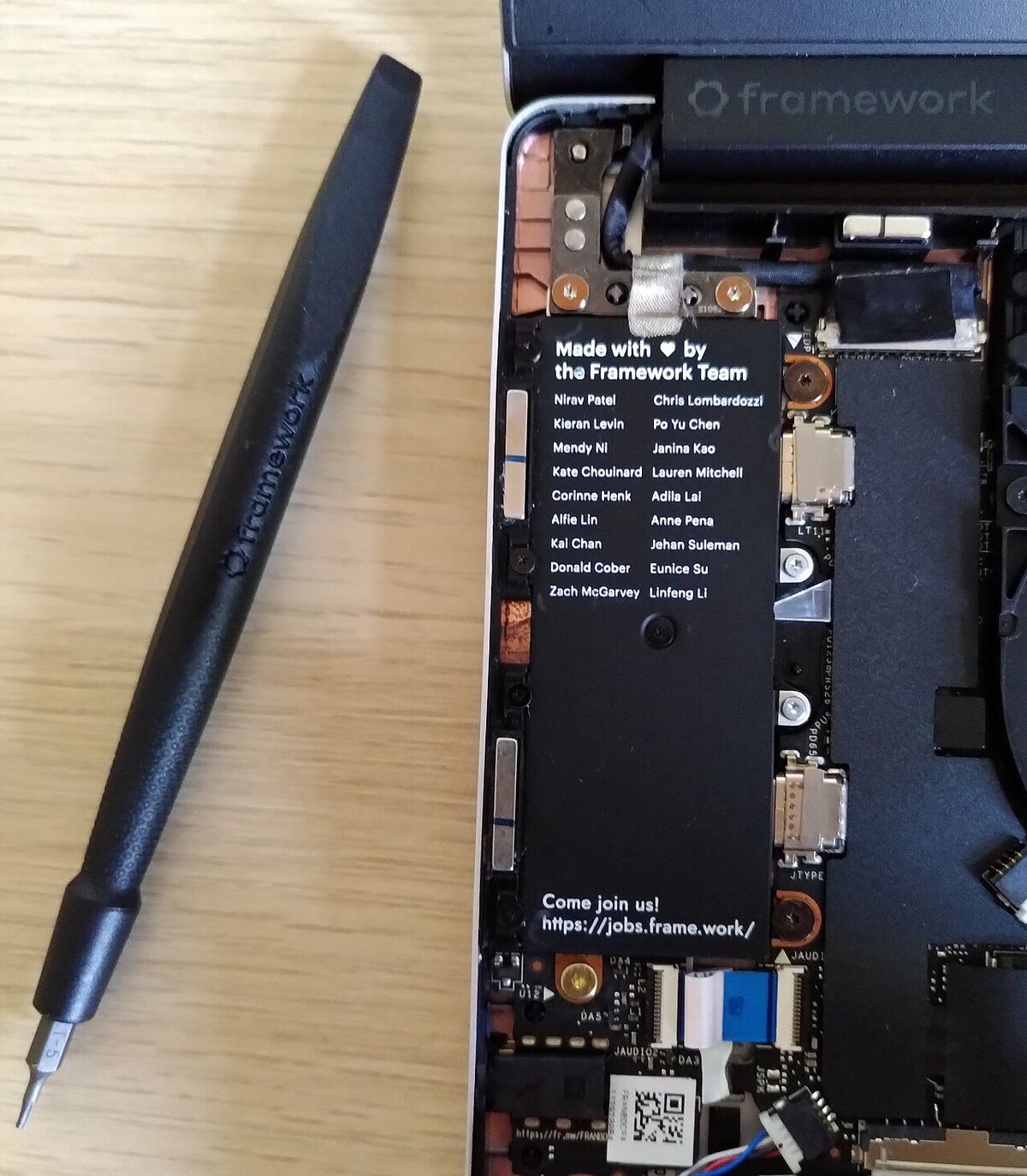
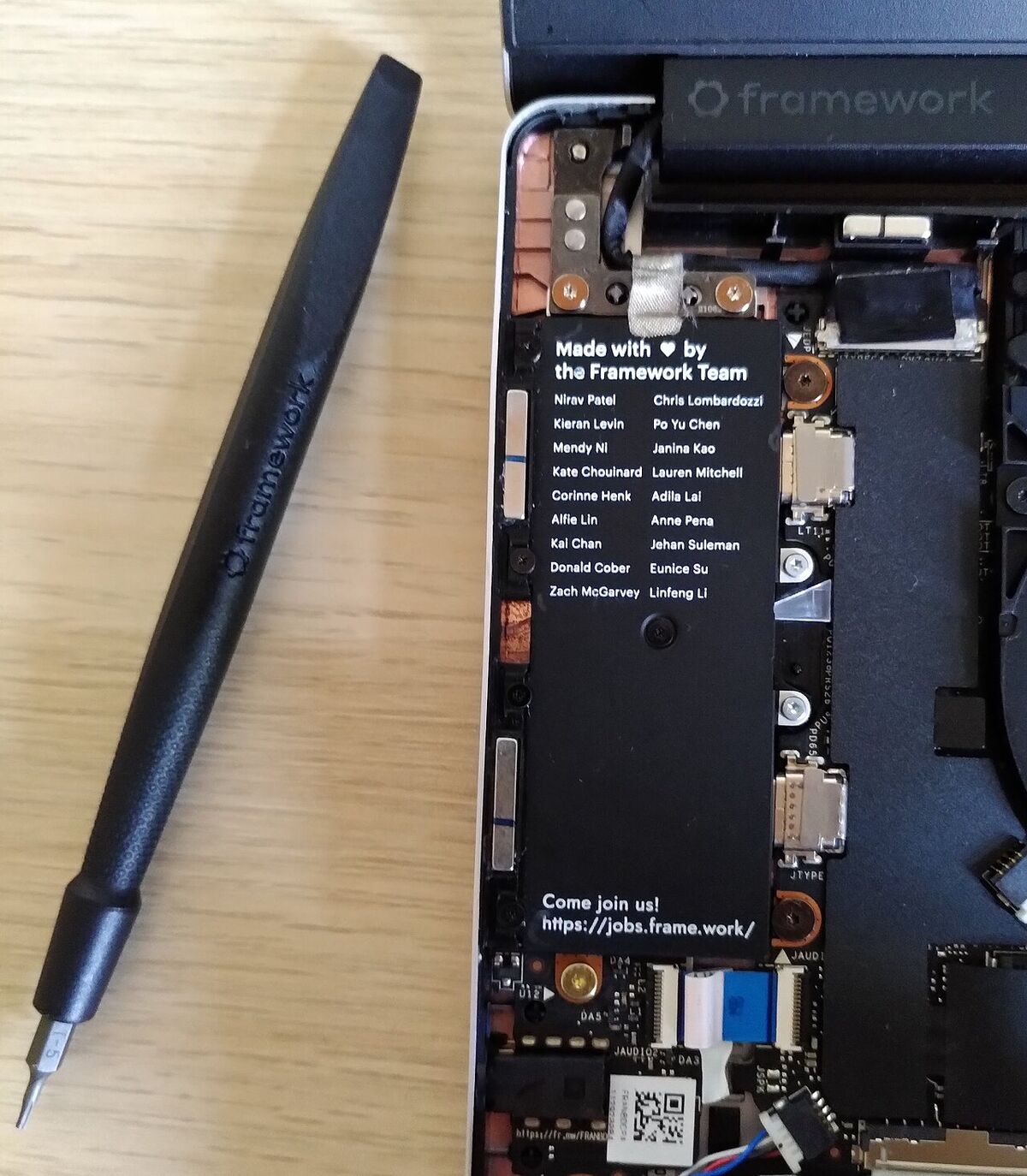
The whole thing can be assembled with the single screwdriver included in the box. Putting it together yourself shows exactly how every piece fits, which takes much of the fear out of opening the computer later.
What Are the Advantages of a Modular Laptop?
The main advantage is peace of mind. These are the strengths that stand out most:
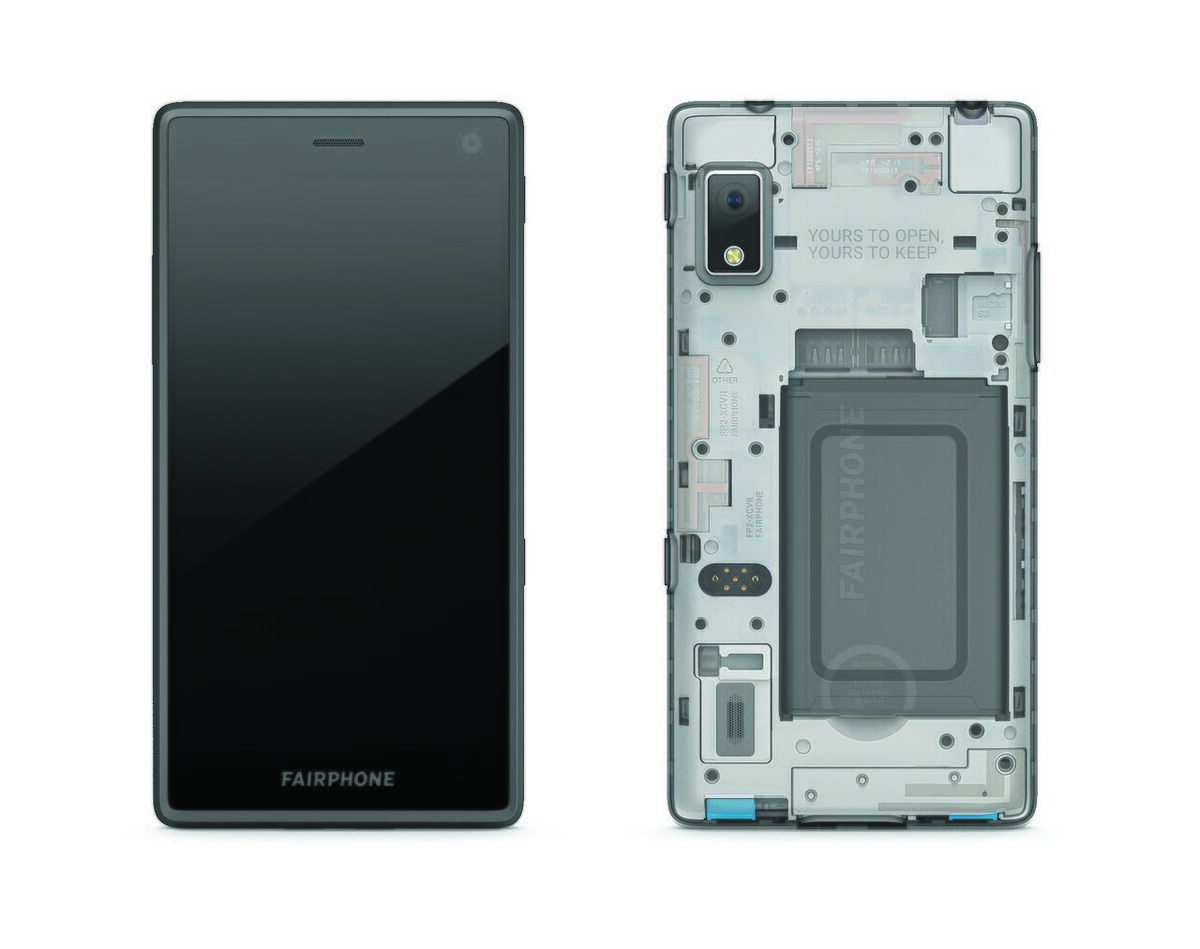
1. True Ownership When you own a modular laptop, you actually own it. There is no proprietary glue, no software locks preventing third-party parts, and no voided warranties just because you opened the case. The company provides QR codes on every single internal component that link directly to repair guides and the exact replacement part in their store.
2. Port Flexibility is a Game Changer The expansion card system is something every laptop should adopt. Picture arriving at a conference and finding an unusual legacy projector with no dongle in your bag. Instead of panicking, you can swap a MicroSD card module for a DisplayPort module and carry on. The laptop adapts to your workflow, not the other way around.
3. The Upgrade Path Instead of throwing the machine in a landfill after three years, you can buy a new mainboard with the latest processor, drop it in, and keep the screen, keyboard, and chassis. An old mainboard can even get a 3D-printed case and a second life as a home media server. The e-waste reduction is massive.
What Are the Downsides of a Modular Laptop?
Modularity currently comes with a few trade-offs you need to be aware of:
- Aesthetic and Thickness: This is not a razor-thin, forged-from-a-single-block-of-aluminum machine. It feels sturdy, but it's noticeably thicker and slightly heavier than the ultrabooks from the major tech giants. If you prioritize absolute sleekness above all else, this isn't for you.
- Battery Life: Because the internal components aren't aggressively integrated and soldered to save every millimeter of space, the battery capacity is slightly smaller than it could be. It can be enough for a workday, but you may want to carry a charger for long flights.
- Upfront Cost: Buying a modular laptop isn't necessarily cheaper on day one. You are paying a premium for the engineering that allows things to come apart easily. The cost savings only truly materialize years down the line when you upgrade a single part instead of buying a whole new computer.
Is a Modular Laptop Worth It?
A modular laptop is worth it if you plan to keep, repair, and upgrade your machine. If you view a laptop as an appliance that you replace entirely every three years, the modular approach might seem like unnecessary work.
But if you are tired of the disposable tech culture, if you want a machine that respects your right to repair, and if you want the flexibility to adapt your hardware to your daily needs, a modular laptop is a revelation.
In my view, the extra thickness and modest battery capacity are fair compromises in exchange for true ownership. The Right to Repair movement isn't just a political talking point anymore; it's a tangible product you can put on your desk.