Why an AI Voice Recorder Can Replace Your Notebook in 2026
A dedicated AI voice recorder such as the Plaud Note is worth it if your job is full of meetings, lectures, or interviews: it records with a single physical switch, then an LLM-powered app turns the audio into a transcript, a summary, and a to-do list. The trade-offs are an ongoing subscription and real privacy concerns, since recordings are processed in the cloud.
The problem these devices target is familiar: scribbling notes through an hour-long client meeting, nodding to fake eye contact, and then spending another thirty minutes deciphering your own handwriting to write a summary email. Devices like the Plaud Note and similar ultra-thin recorders promise to automate transcribing and summarizing those conversations. The obvious objection is that a smartphone can record audio just fine, so why buy separate hardware? Here is a breakdown of why dedicated AI hardware is quietly replacing the traditional notebook.
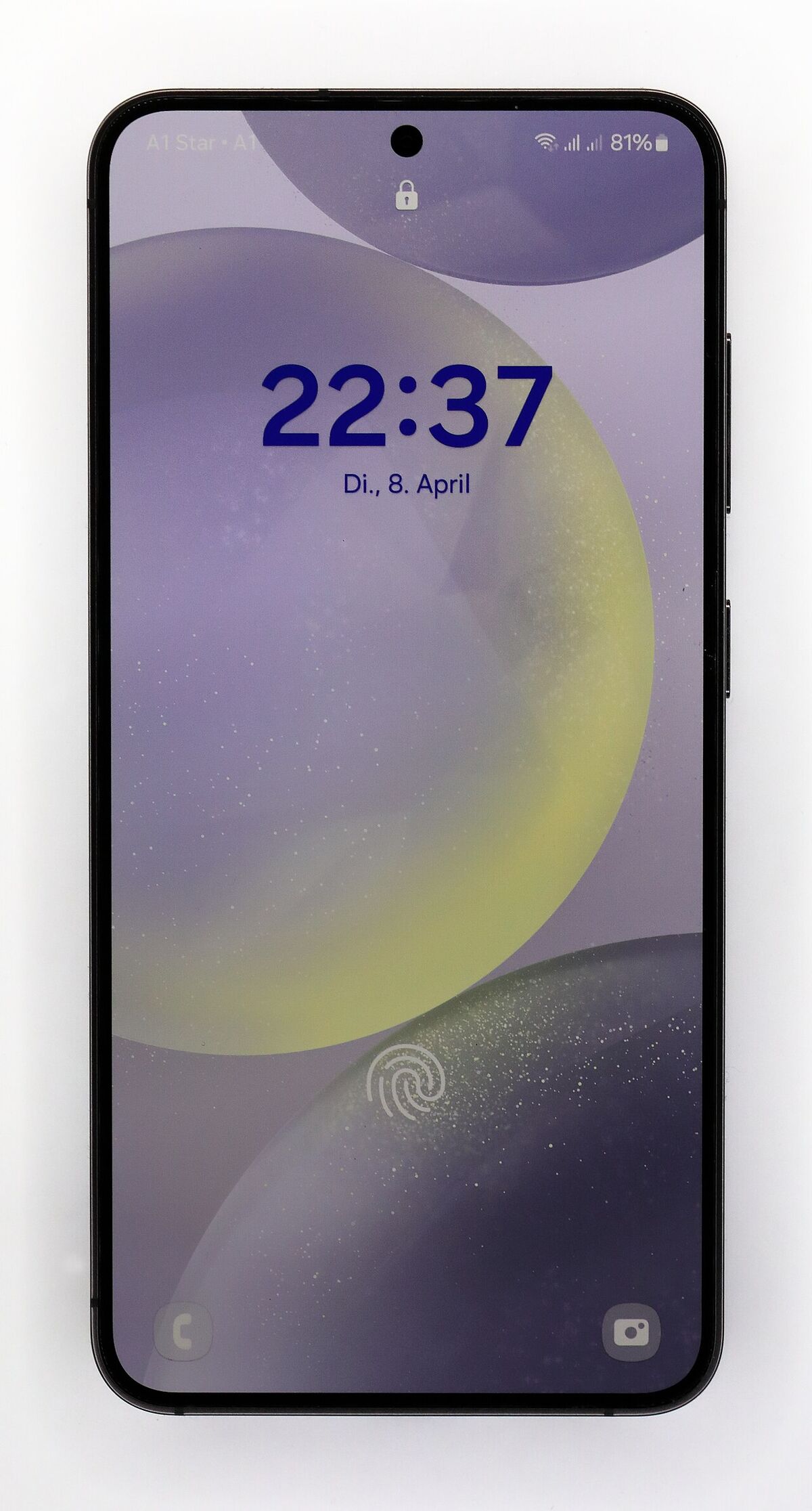
Why Not Just Use a Smartphone App?
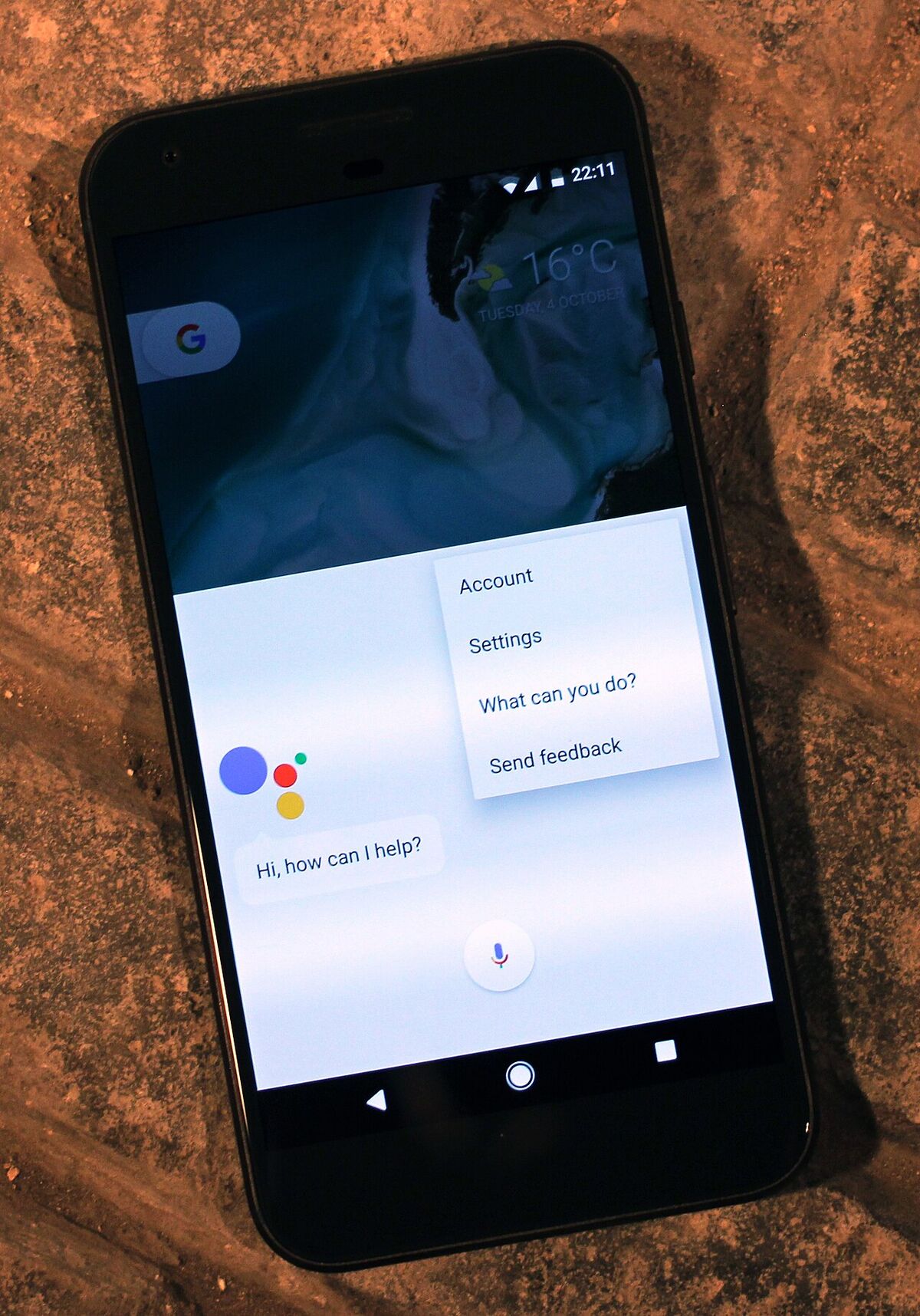
A smartphone works, but relying on it for meeting recordings has real flaws. "Why not just use an AI app on your iPhone?" is a totally valid question, and the answer comes down to three points:
- The Battery Anxiety: Recording high-quality audio for 90 minutes absolutely drains your phone battery.
- The Distraction Factor: The moment you unlock your phone to start an app, you are bombarded with notifications. An incoming text message or a phone call can unexpectedly interrupt or pause your recording.
- Social Etiquette: Setting your phone in the middle of a conference table inherently signals to others that you might be distracted. It feels less professional than setting down a tiny, dedicated recording device.
What Makes an AI Voice Recorder Different?
An AI voice recorder combines two things: frictionless hardware and very smart software. That pairing is what you are paying for.
The Hardware: Invisible and Instant
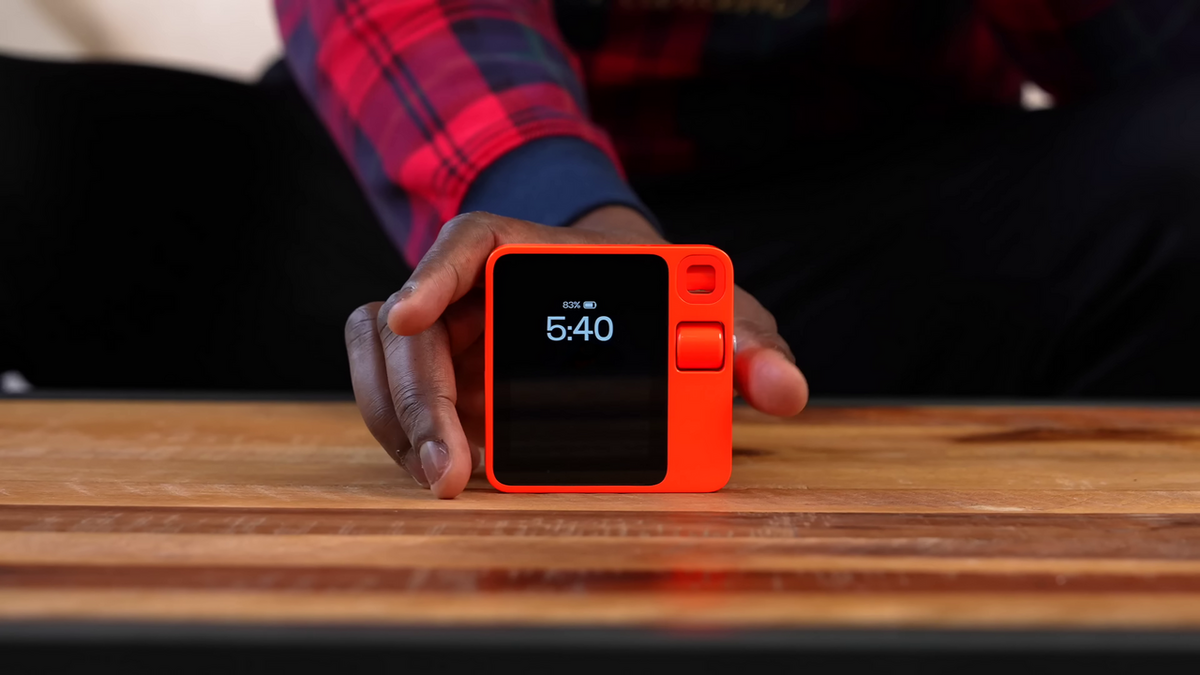
A device like the Plaud Note stands out for its form factor. It is as thin as a credit card and magnetically snaps onto the back of a phone case using MagSafe, so carrying it takes no extra thought.
When a meeting starts, there is no screen to unlock, app to find, or menu to navigate. You flip a physical tactile switch, and the device vibrates to confirm it is recording. That physical switch is a game-changer: it gives immediate reassurance that audio is being captured without nervously checking a screen.
The Software: The Real Magic
The real value of an AI voice recorder is what happens after you hit stop; the hardware is just the microphone. These devices sync via Bluetooth to a companion app powered by advanced LLMs (like GPT-4o or Claude).
Within seconds of finishing a meeting, the app provides:
- A Near-Perfect Transcript: The speech-to-text accuracy in 2026 is phenomenal. It is designed to handle thick accents, multiple speakers interrupting each other, and background cafe noise.
- Smart Summaries: It doesn't just give you a block of text. It formats the conversation into clear bullet points, extracts actionable to-do lists, and even identifies which speaker is assigned to which task.
- Mind Maps: For brainstorming sessions, the app can visually map out the core concepts discussed, turning an hour of rambling into a structured diagram.
How Can It Change the Way You Work in Meetings?
The biggest shift is not just saving time on summary emails; it is how you can behave during meetings. If you trust the recorder to capture the details, you can stop taking notes altogether.
With empty hands, you can lean back, make genuine eye contact, and actively participate in the conversation rather than playing the role of a stenographer. Your attention is no longer split between listening and writing, which can noticeably improve the quality of your engagement.
What Are the Drawbacks?
AI voice recorders are not perfect, and two points deserve attention before buying one:
- The Subscription Model: While you pay upfront for the physical hardware, the advanced AI transcription and summarization features usually require an ongoing monthly subscription. You have to factor that into the total cost.
- Privacy Concerns: You are recording conversations and uploading them to a cloud server to be processed by an AI model. For highly confidential corporate meetings, legal depositions, or medical consultations, this is a massive red flag. Always get explicit consent before recording anyone.
Is a Dedicated AI Voice Recorder Worth It?
Yes, if your job involves a lot of talking, interviewing, or meeting. A dedicated AI Voice Recorder is not a gimmick; it is a genuinely useful tool that changes how present you can be in a conversation. By separating the recording function from the distraction-filled environment of a smartphone, it brings a level of focus and reliability that software alone can't easily match. In my view, it is the first gadget that makes a paper notebook feel optional for meetings.