The Surprising Secret of Offshore Wind Farms: They Are Creating Massive Artificial Reefs
- Environment, Technology, AI & Data
- Exienent
- · Updated
Offshore wind farms are turning into massive Artificial Reefs: the steel foundations and boulders at the base of each turbine give marine life a hard 3D structure to colonize, and within a few years a single turbine can host tens of thousands of organisms. Instead of a barren wasteland, the base of the turbines can be teeming with life. In our scramble to build renewable energy infrastructure, humanity has accidentally embarked on the largest marine rewilding project in history.
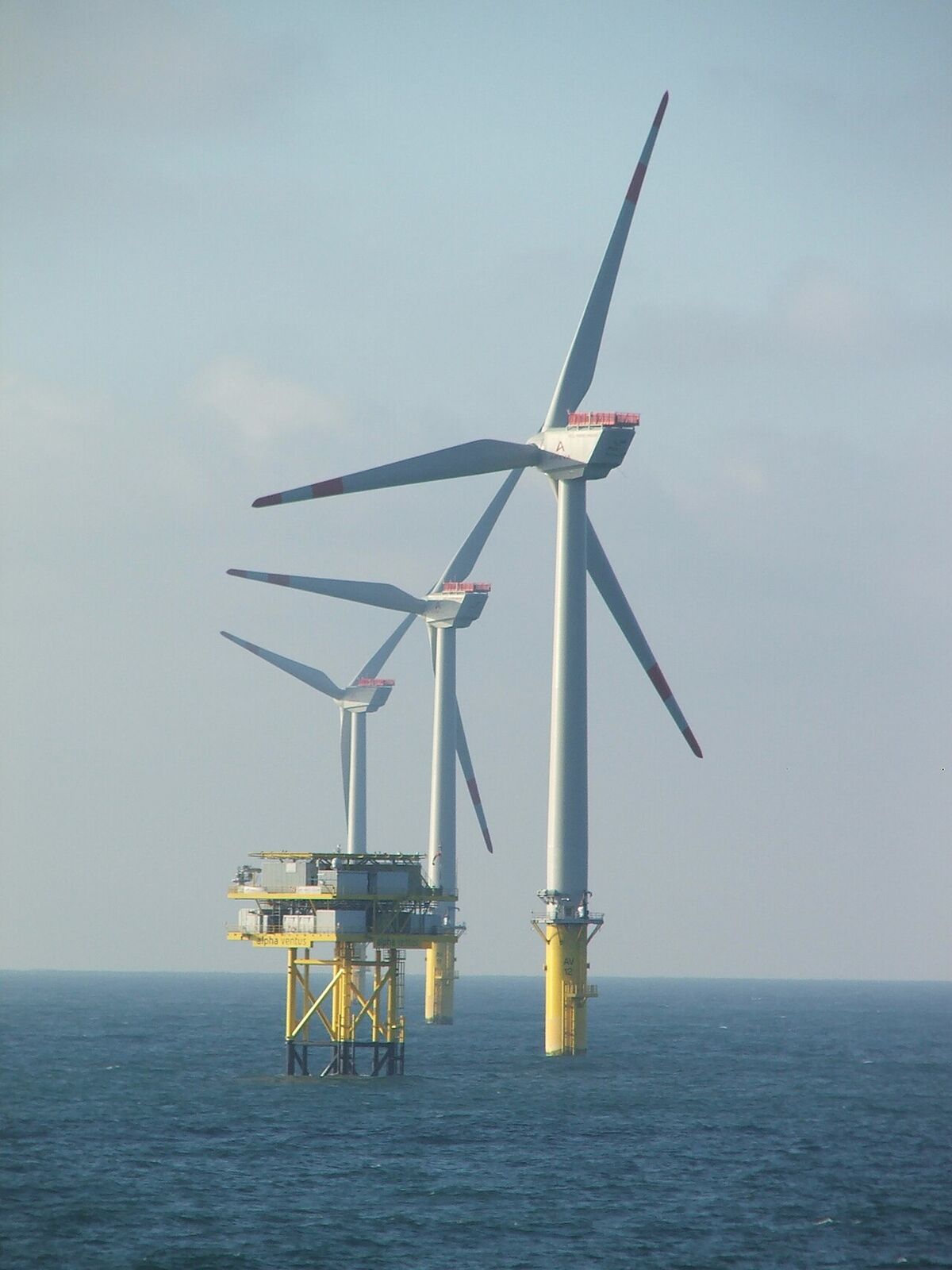
From a distance, the colossal white pillars of a multi-gigawatt Offshore Wind Farm rising out of the grey North Sea look stark, industrial, and completely alien to the natural environment. For years, the loudest debate surrounding offshore wind has been its potential negative impact on the ocean. Critics worried about bird strikes, the noise of construction driving away whales, and the disruption of commercial fishing grounds. It would be easy to expect these sites to be sterile, mechanical ocean deserts. Underwater footage tells a different story.
How Does a Wind Turbine Become an Artificial Reef?
A wind turbine becomes an artificial reef by adding hard, complex structure to a seabed that has almost none. The deep ocean floor is often essentially a vast, featureless plain of mud and sand. There is very little structure for marine life to attach to or hide within.
When engineers plunge a 30-foot-wide steel monopile into the seabed and surround the base with large boulders (called 'scour protection' to stop the sand from washing away), they instantly introduce a massive, complex 3D structure into a previously flat environment.
The 'Artificial Reef Effect' unfolds over a fascinating timeline:
- The Pioneers (Days 1 to 30): Almost immediately after construction finishes, microscopic algae and bacteria coat the steel. This biological biofilm is the foundational food source for everything else.
- The Settlers (Months 1 to 6): Filter feeders like blue mussels, barnacles, and sea anemones drift in on the currents and attach themselves to the hard surface of the turbine and the boulders. They cover the structure so densely that the grey steel completely disappears beneath a carpet of living color.
- The Inhabitants (Year 1 and beyond): This dense layer of mussels and anemones provides hiding spots and abundant food for small crustaceans like crabs and shrimp. The crustaceans attract smaller fish, which in turn attract apex predators like seals, dolphins, and larger pelagic fish.
In just a couple of years, a single turbine can host tens of thousands of individual organisms. When you multiply that by hundreds of turbines in a single wind farm, these energy projects function as massive marine oases.
Why Do Wind Farms Act Like Marine Protected Areas?
Wind farms act as de facto Marine Protected Areas (MPAs) because bottom-trawling is banned inside them, a massive and completely unintentional benefit.
Because of the extreme danger of heavy commercial fishing gear snagging on underwater cables or colliding with the turbine foundations, bottom-trawling (the highly destructive practice of dragging heavy nets across the ocean floor) is strictly banned within the boundaries of the wind farms.
This creates a massive safe haven for fish to breed and mature. According to 2026 data from the European Marine Board, fish populations within these wind farms have exploded compared to the surrounding heavily-fished waters. Furthermore, this "spillover effect" actually helps local fishermen in the long run, as the surplus fish mature inside the safe zone and eventually swim out into the open ocean where they can be caught sustainably.
Can Offshore Wind Farms Improve Water Quality?
Yes, through the blue mussels that colonize them. The offshore turbines are absolute magnets for blue mussels. Mussels are filter feeders; they suck in seawater, extract the phytoplankton and nutrients, and pump out clean water. A single adult mussel can filter over 20 liters of water a day.
When you have millions of mussels clinging to the foundations of hundreds of turbines, the wind farm effectively acts as a gigantic, biological water treatment plant. In areas of the ocean suffering from eutrophication (excess nutrients from agricultural runoff causing algae blooms and dead zones), these artificial reefs are actively cleaning the water, making it clearer and allowing sunlight to penetrate deeper, which in turn helps kelp and seagrass forests recover.
What Are the Ecological Downsides of Offshore Wind?
The artificial reef effect is undeniably fascinating and largely positive, but it is not a flawless utopian scenario. Two drawbacks stand out:
- Invasive Species Stepping Stones: Because these turbines are spread out across the ocean, they can sometimes act as stepping stones, allowing invasive species to "island-hop" across vast distances they couldn't normally cross.
- The Construction Phase: The initial pile-driving required to hammer these massive steel tubes into the bedrock creates deafening underwater noise that can severely disorient marine mammals like porpoises. Thankfully, in 2026, strict regulations require the use of "bubble curtains"—walls of compressed air bubbles that surround the construction site and absorb the sound waves—but the disruption isn't zero.
Can Clean Energy and Ocean Conservation Coexist?
Offshore wind reefs suggest they can. The image of a wind turbine completely encrusted in vibrant marine life challenges the usual view of renewable energy infrastructure.
We often view human industrial progress and environmental conservation as two opposing forces locked in a zero-sum game. The offshore wind farm artificial reefs prove that this doesn't always have to be the case. As we continue to scale up our green energy grid globally in 2026, it is incredibly reassuring to know that our need for clean electricity is inadvertently breathing vibrant new life back into the oceans. It turns out that sometimes, building massive machines in nature can actually help nature heal itself.