Living with an RFID Microchip Implant in Your Hand (2026 Review)
- Technology
- Exienent
- · Updated
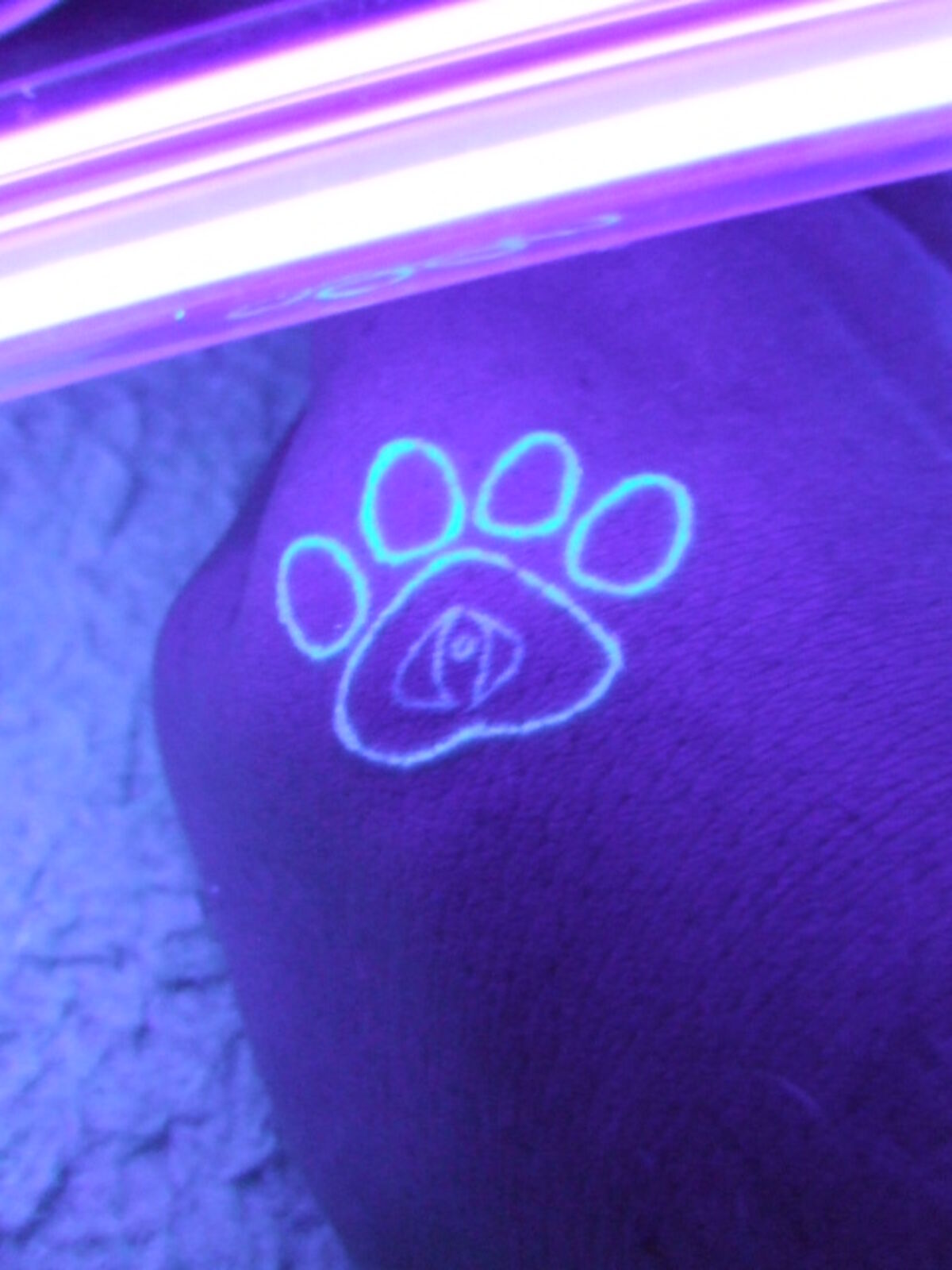
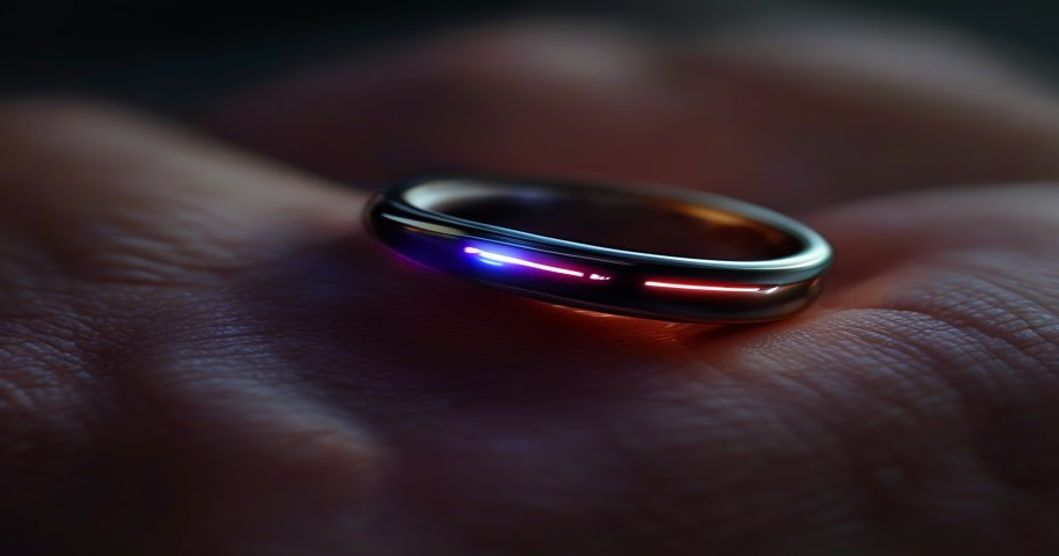
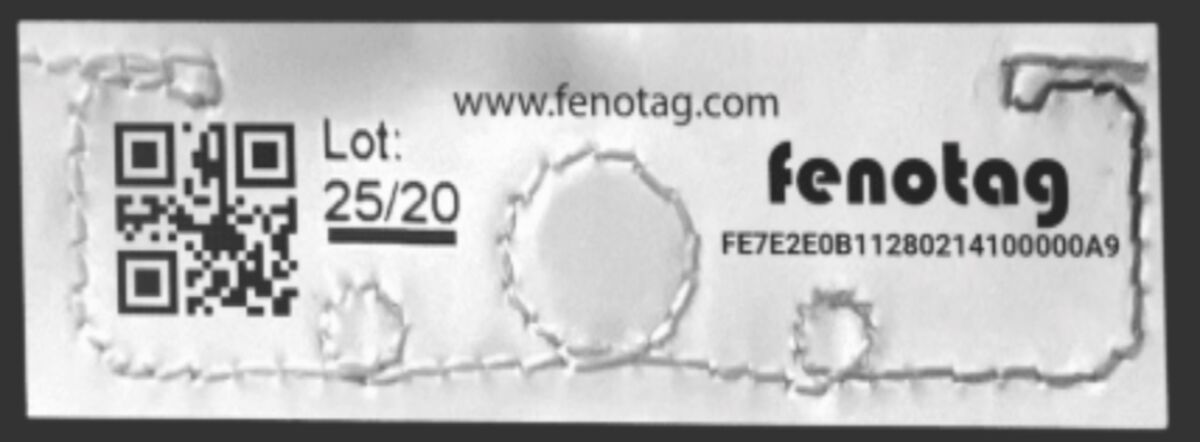
An RFID implant is a tiny, sterile glass capsule containing an NFC/RFID chip, placed under the skin in the webbing between the thumb and index finger. In 2026 it can replace keys with a compatible smart lock, handle contactless payments, and share a digital business card—but reading it can be finicky, upgrading means a new procedure, and plenty of people still find it unsettling. For tech enthusiasts who value extreme convenience, it is one of the more practical biohacks; for everyone else, it is far from a necessity.
Why Are People Getting RFID Implants in 2026?
Convenience is the main driver. For years, the idea of getting a microchip implanted in your body was either a wild conspiracy theory or an extreme body modification reserved for hardcore biohackers. But in 2026, the narrative has shifted dramatically. With the rise of contactless everything and the sheer annoyance of carrying keys and wallets, an increasing number of people are opting for the ultimate wearable: one that goes under the skin.
If you are tired of forgetting your apartment keys and want to push the boundaries of modern convenience, the procedure is done at a specialized piercing studio. Below is an honest look at what living with a microchip implant involves.
Does Getting an RFID Implant Hurt?
Yes, but the procedure itself is surprisingly fast and the sharp part lasts only a moment.
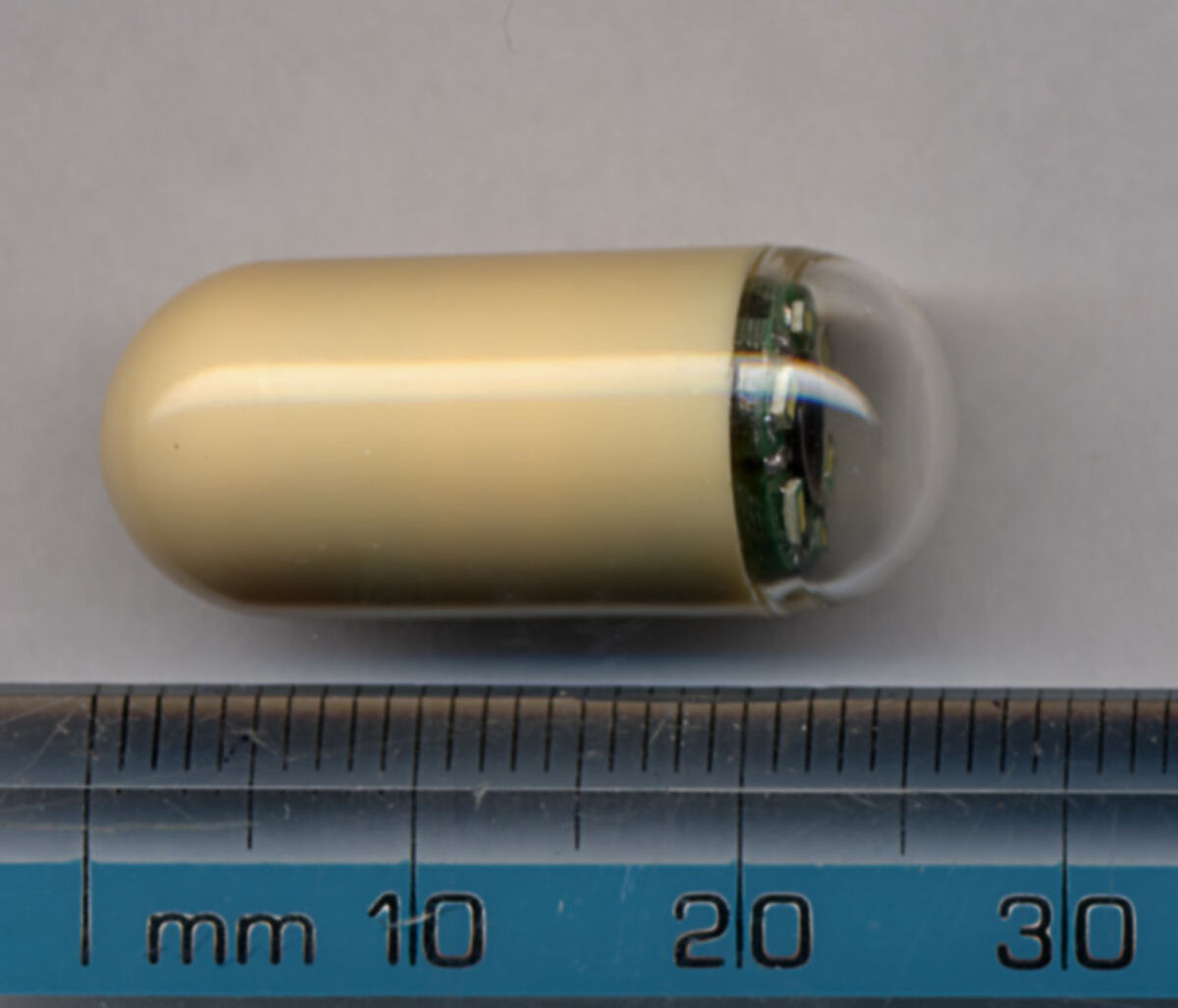
A professional body modifier numbs the area with a topical spray, pinches the skin, and uses a specialized, thick needle to insert the chip—which is roughly the size of a grain of rice. The sensation may feel comparable to a standard blood draw or a heavy pinch. The tiny entry wound is small, and once healed, the chip may be hard to feel unless you press directly on that spot. Healing varies from person to person, so ask the practitioner about aftercare and see a medical professional if anything seems wrong.
What Can You Actually Do With an RFID Implant?
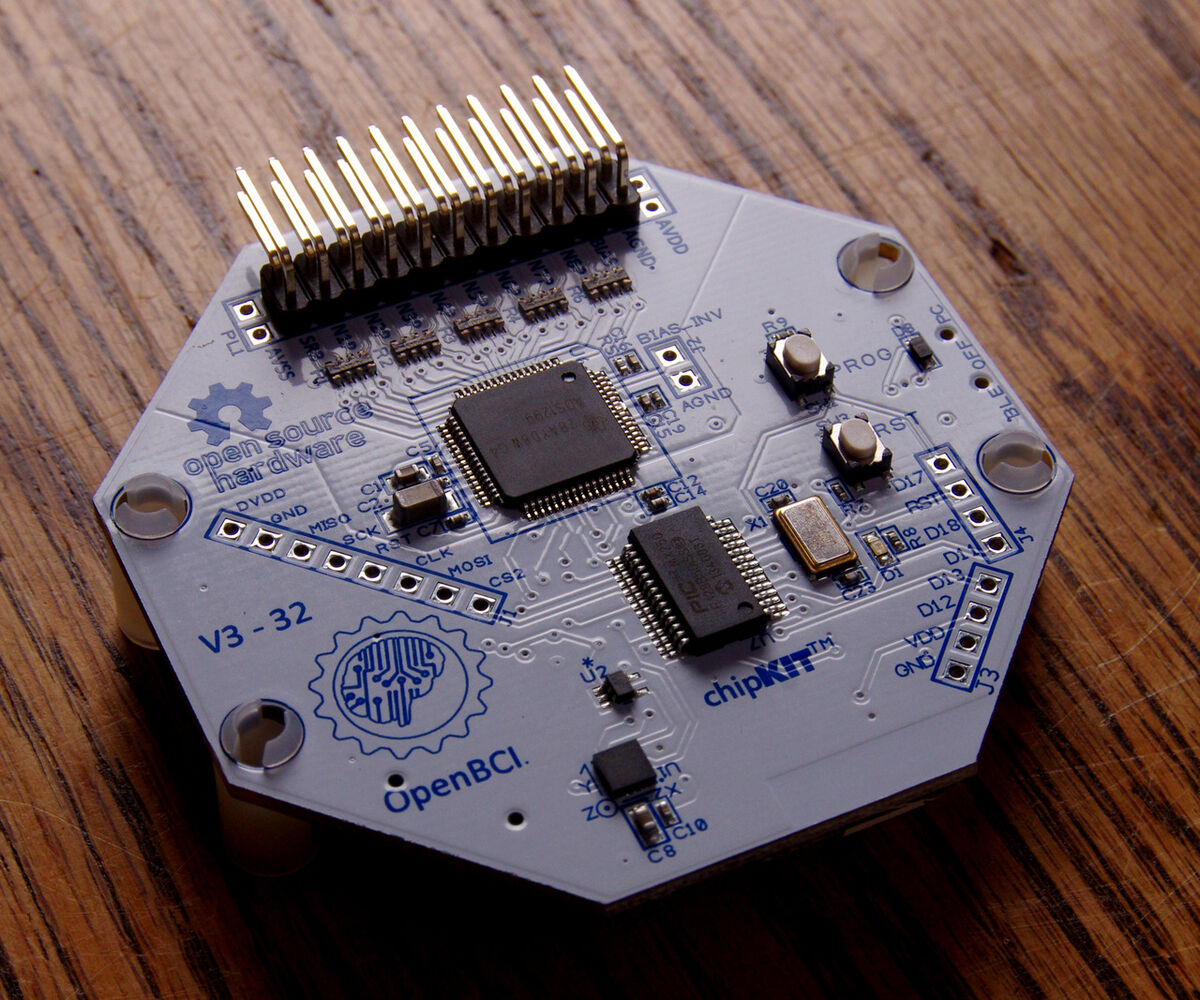
The chip is passive, meaning it doesn't have a battery or track your location via GPS. It only activates when it comes within a few millimeters of a compatible reader. Here is what it can do in a daily routine:
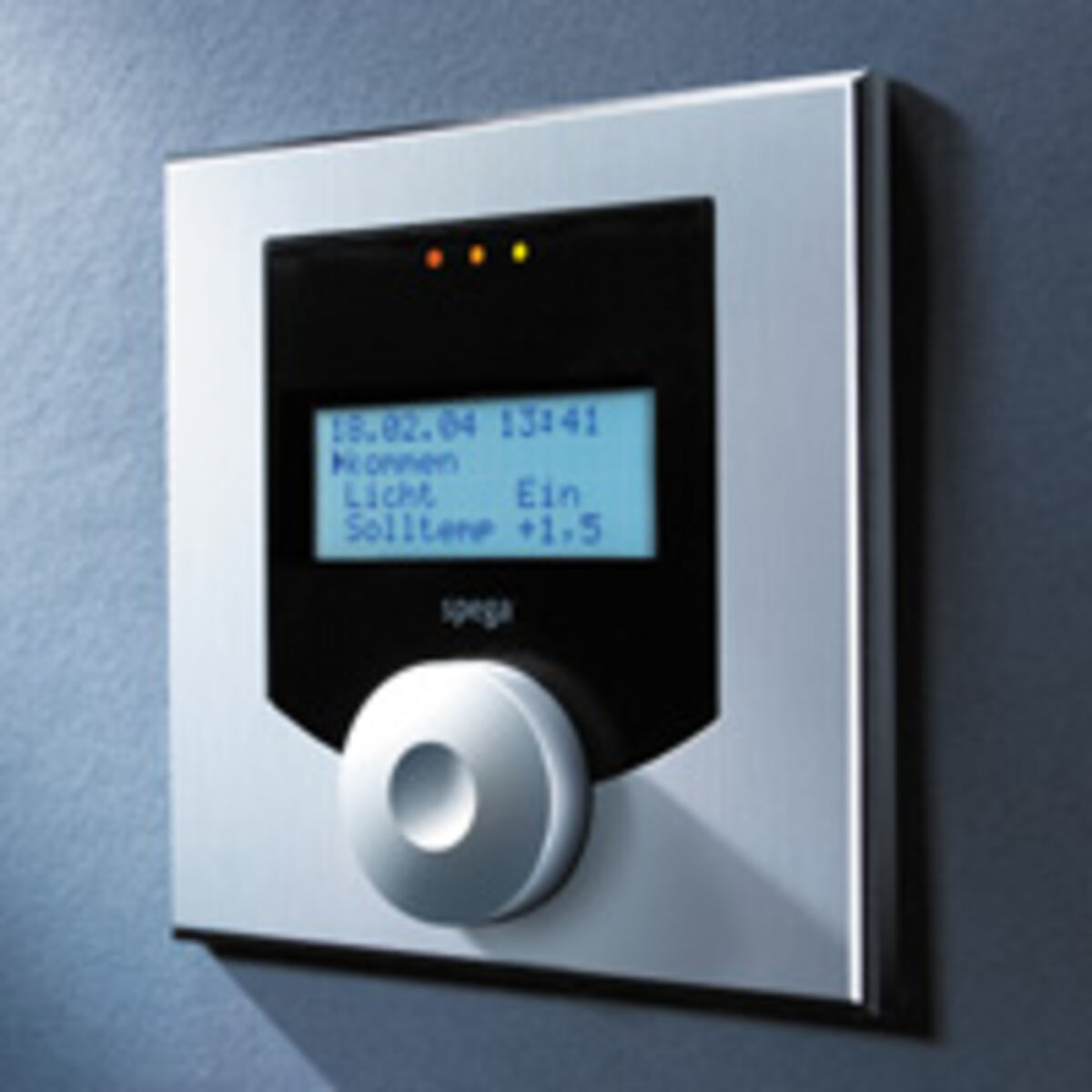
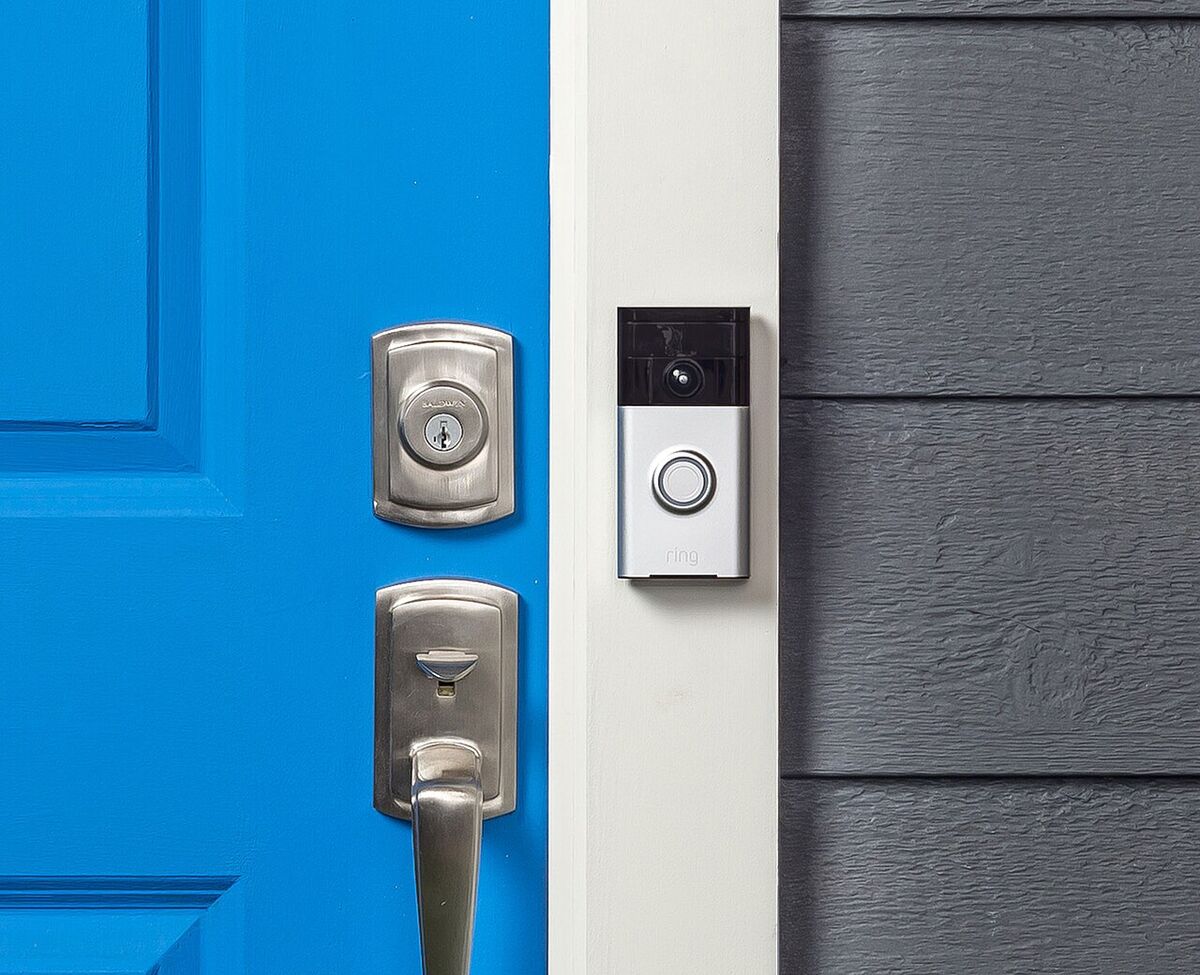
- The Ultimate Keyless Entry: Keyless entry is the headline use. Replace your front door lock with a compatible smart lock, and you can wave the back of your hand near the doorknob to unlock it. Going for a run without carrying jingling keys becomes much easier.
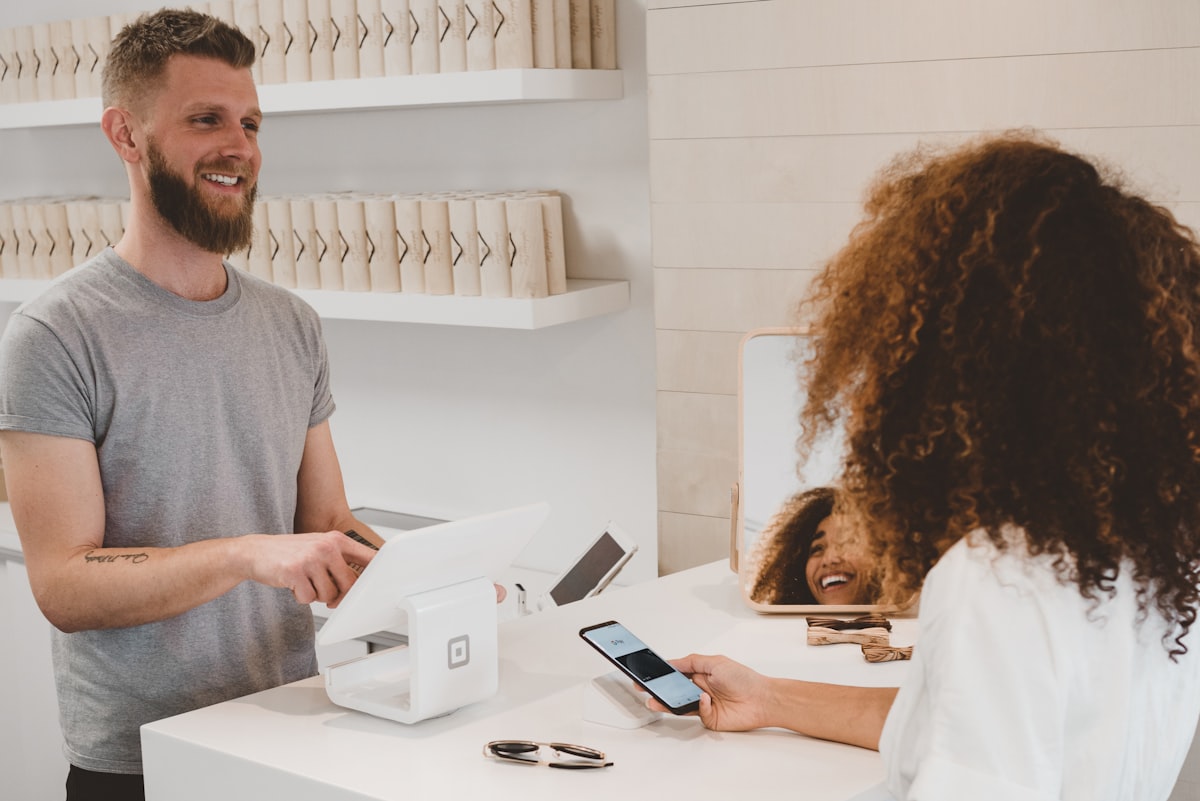
- Contactless Payments: The chip can be programmed with a secure payment token. At modern coffee shops and grocery stores with compatible terminals, you can rest your hand against the card terminal to pay. Paying without pulling out a phone or wallet can feel like magic.
- Digital Business Card: A specific sector of the NFC chip can hold your contact information and portfolio link. At a networking event, someone can tap the back of your hand with their smartphone and your details pop up on their screen. It can also be a great conversation starter.
What Are the Drawbacks of an RFID Implant?
Living as a mild cyborg in 2026 isn't without its frustrations.
- The "Sweet Spot" Struggle: Reading the chip isn't always as smooth as tapping a card. Because the chip is so small, you have to align it perfectly with the antenna inside the reader. You may have to awkwardly rub your hand against a payment terminal for a few seconds to find the sweet spot, which can draw some very strange looks from cashiers.
- Upgrade Anxiety: Technology moves fast. An implanted chip has a specific storage capacity and uses current NFC protocols. If a new, revolutionary standard rolls out in a few years, you can't just download a software update. You would have to get the old chip physically removed and a new one implanted.
- The Social Stigma: While biohacking is becoming more mainstream, a significant portion of the population still finds the idea of implants deeply unsettling. Friends may express genuine concern for your privacy (even after you explain it has no battery or GPS), and some people may call it outright dystopian.
Is It Worth Getting an RFID Implant?
Getting an RFID implant is an extreme commitment to convenience. It is not for the faint of heart, and it certainly isn't a necessity. However, never worrying about keys, paying for a morning coffee without a wallet, and sharing contact info with a literal wave of the hand are real advantages.
I think a frictionless, wallet-free routine can be genuinely liberating. If you are a tech enthusiast who values extreme convenience and doesn't mind a tiny pinch, an RFID implant in 2026 is one of the most practical biohacks you can do.