Running in AI-Powered Smart Sneakers: An Adaptive Cushioning Review
AI-powered smart sneakers use pressure sensors and micro-compressors to change the firmness of the sole while you run, softening the heel as your form tires and firming up on uneven ground. The adaptive cushioning is a real technology rather than a gimmick, but the extra weight, the need to charge your shoes, and open questions about durability make them best suited to slow long runs and tech enthusiasts, not race day.
Why Are Running Shoes Moving to AI Adaptive Cushioning?
The running shoe industry has been selling minor tweaks as "revolutionary upgrades" for years. We have seen carbon plates, wildly thick foam stacks, and upper materials spun from recycled ocean plastic. But finding the perfect shoe still feels like a gamble. A shoe that feels great during a quick 5K can turn into a nightmare on a long Sunday run when your form starts to break down.
By mid-2026, the conversation shifted dramatically from foam chemistry to AI-powered adaptive cushioning. These aren't just shoes that track your steps or connect to Bluetooth. These are "smart sneakers" equipped with micro-compressors and pressure sensors that physically change the density of the sole in real-time as you run.
It sounds like science fiction (or at least a very heavy, clunky gimmick). The real questions are what adaptive AI cushioning feels like, what happens when the battery dies, and whether the shoes are worth the premium price tag.
How Do Adaptive Cushioning Smart Sneakers Work?
The sole contains a fluid-based cushioning system controlled by a micro-valve network. Out of the box, the shoes look remarkably normal. They are slightly chunkier in the midfoot to house the electronics, but they don't look like orthopedic moon boots.
Here is how the system is designed to work:
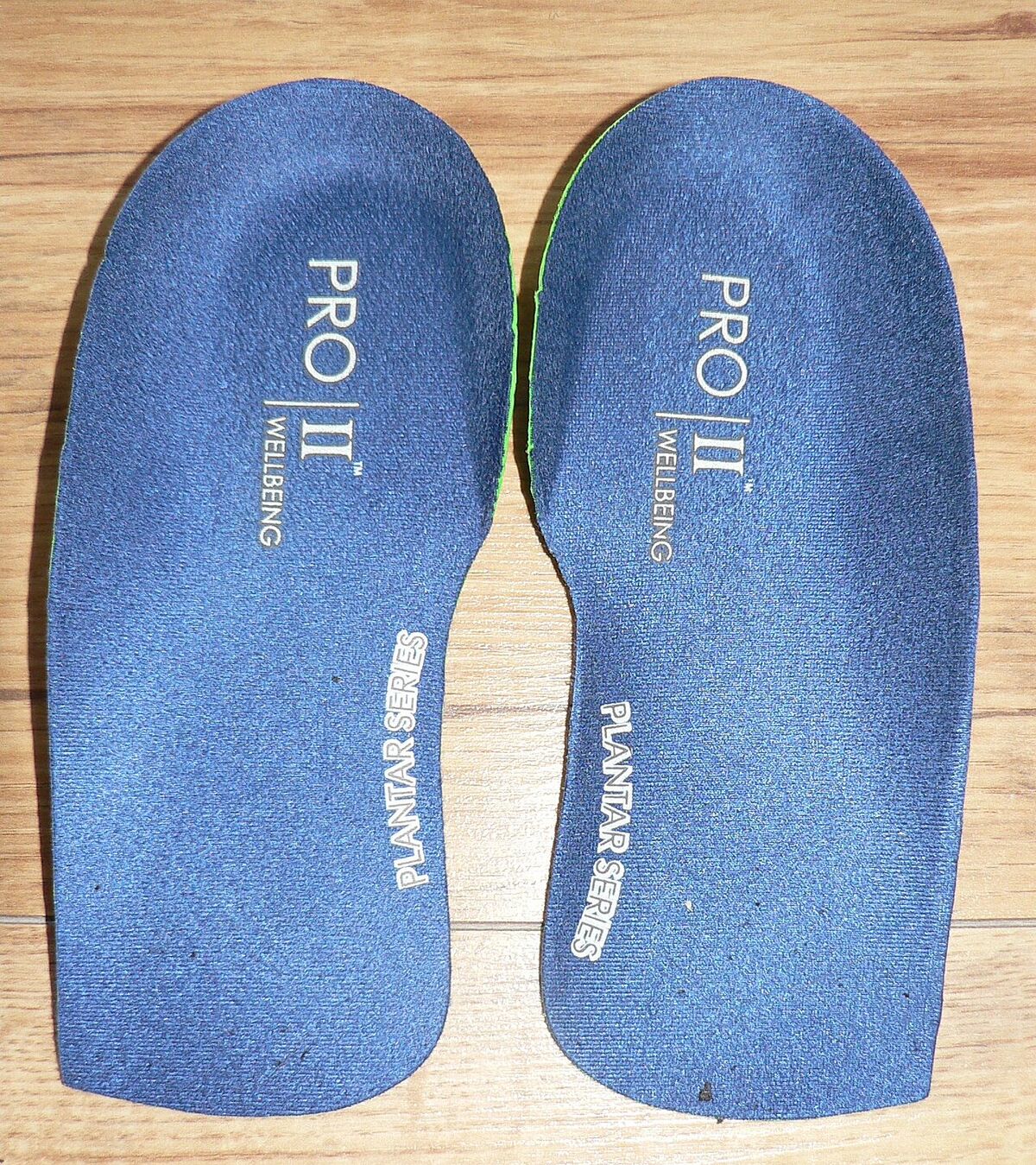
- Real-Time Gait Analysis: Sensors in the insole map your foot strike up to 100 times per second.
- Adaptive Firmness: If the AI detects you are heel-striking heavily (often a sign of fatigue), it instantly softens the heel crash pad. If you speed up and shift to your forefoot for a sprint, the forefoot stiffens up to provide a snappy, responsive push-off.
- Terrain Recognition: The sensors can theoretically feel the difference between yielding grass and harsh concrete, adjusting the overall shock absorption accordingly.
You sync the shoes with an app to install firmware updates (yes, really) and check battery levels, but you don't need your phone with you to run.
What Does Running in Smart Sneakers Feel Like?
The shoes can feel a bit rigid at first, as if they are "learning" your stride, and then settle in to the point where they almost disappear on your feet.
The headline benefit is comfort late in a long run. As a run goes on, repetitive impact builds up and form can get sloppy. When your stride gets lazier and you start landing heavier on your heels, the shoes are designed to actively soften the impact zone. They won't make you run faster, but they may help you stay comfortable for longer. They are not a treatment for joint pain or injury; if you have recurring pain, see a doctor or physical therapist.
The terrain adaptability also makes sense on mixed routes. Moving from a paved bike path onto a dirt trail, the shoes can firm up slightly within a few steps to provide better stability on the uneven surface, rather than letting your ankle roll around in mushy foam.
What Are the Drawbacks of AI Smart Sneakers?
Introducing micro-mechanics and batteries into a running shoe comes with significant trade-offs.
The biggest elephant in the room is weight. Despite modern engineering, these are not race-day shoes. They are noticeably heavier than standard daily trainers. For easy miles or recovery runs, the weight is manageable, but if you are doing speedwork or trying to set a PR, they can feel like bricks on your feet.
Then there is the issue of charging your shoes. It is inherently annoying to plug your sneakers into the wall. The battery life is advertised at around 40 miles per charge, and real-world range may come in lower, especially in cold weather, which can drain batteries faster.
What Happens When the Battery Dies Mid-Run?
The shoes don't suddenly turn to concrete; they can fall back to a medium-firm default setting. They are still runnable, but they lose all the magic and just feel like a very heavy, mediocre pair of running shoes. You are essentially carrying dead weight.
Will the Electronics Last?
Durability is the open question. Running is a high-impact, dirty, sweaty activity. It is far from certain that micro-compressors and sensors will outlast the rubber outsole, which usually wears out around 300-400 miles. At this price point, a hardware failure partway through the shoe's life would be devastating.
Are AI Smart Sneakers Worth It?
I think AI-powered smart sneakers show clearly where athletic footwear is heading. The adaptive cushioning isn't a gimmick; it is a tangible technology that responds to fatigue and terrain in real time.
Are they going to replace your entire shoe rotation? No. The weight penalty makes them unsuitable for fast running, and the chore of charging them is a legitimate friction point.
However, if you are an injury-prone runner, someone who focuses primarily on long, slow distance, or just a massive tech enthusiast who wants to experience the future, they are compelling. They won't make you an Olympic marathoner overnight, but they might just make your Sunday long run the most comfortable miles you log all week.