The Kindle Colorsoft Experience: Why Color E-Ink Finally Matters
- Hardware, Review, Technology
- Exienent
- · Updated
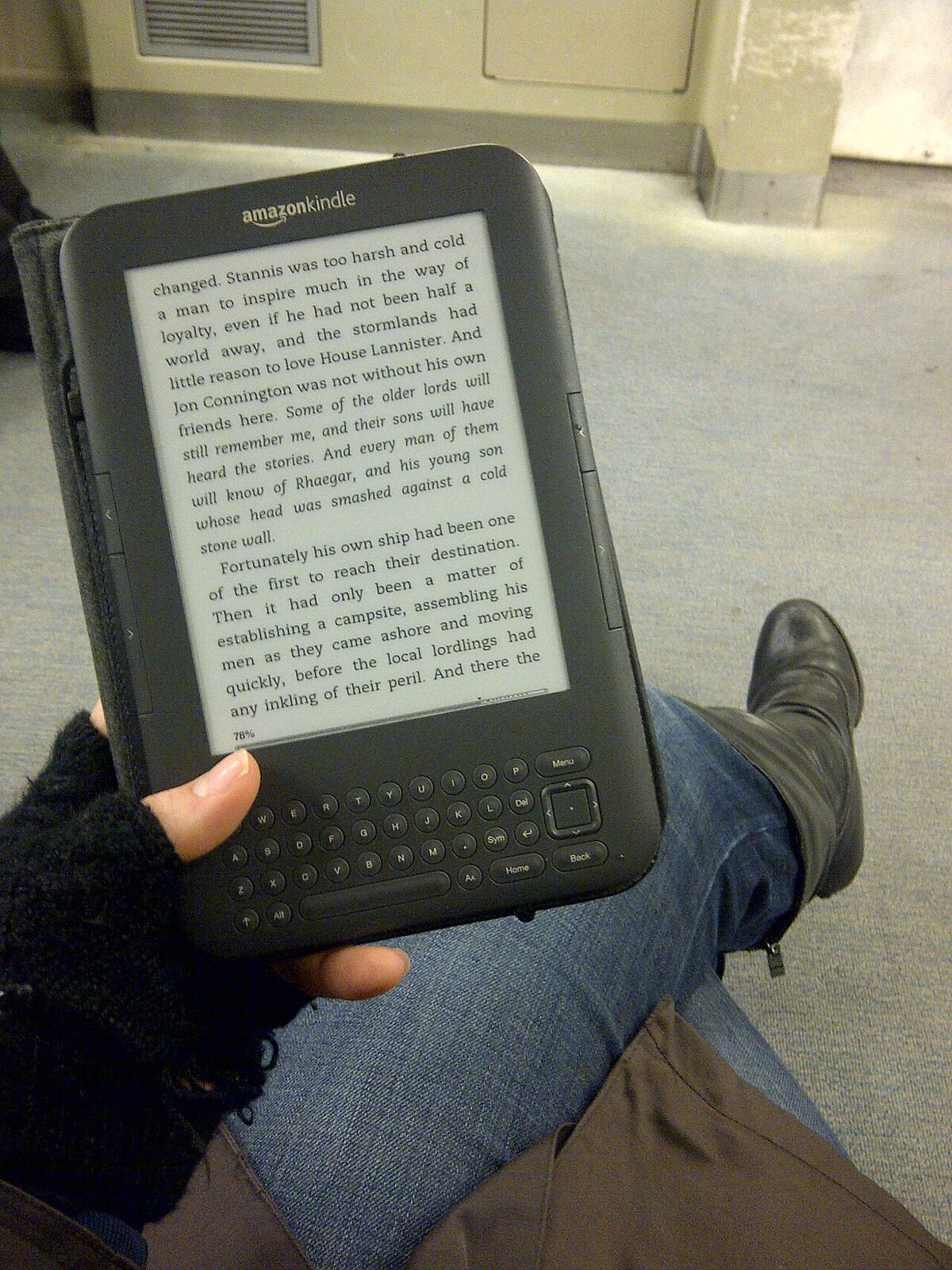
The Kindle Colorsoft Signature Edition, Amazon's first color e-reader, is genuinely fantastic, but perhaps not for the reasons you might think. Its color is soft and muted rather than smartphone-vivid, and its real wins are color-coded highlights, comics, and book covers. The trade-offs are slightly slower page turns, shorter battery life, and a premium price that's hard to justify for text-only readers.
Why has color e-ink been so anticipated?
Good color has long been the missing piece in e-readers. E-ink screens offer high-contrast black text on a pale background, exceptional battery life, and a distraction-free environment that an iPad can never replicate. But ever since the e-reader market matured, one question has constantly lingered: when are we finally getting good color?
Amazon finally answered that question in October 2024 with the Kindle Colorsoft Signature Edition. Across everything from dense non-fiction and fantasy novels to full-color graphic novels, the question is whether color e-ink is actually a revolution, or just a really expensive gimmick.
What does the Kindle Colorsoft's color look like?
The Kindle Colorsoft's colors are pastel and slightly muted, not the vibrant, saturated colors of a smartphone OLED display. That is simply not how e-ink works. The colors have a beautiful, almost painted quality to them. It looks like newsprint in the best possible way.
How does color change reading non-fiction?
Color can change how you process information in non-fiction, mainly through highlights. Highlighting text is no longer just dragging a gray bar over slightly darker gray text. You can now color-code highlights: yellow for key quotes, pink for things to research further, and blue for beautiful prose. It sounds like a minor detail, but when you review your notes later, the visual distinction makes it incredibly easy to navigate your thoughts.
Is the Kindle Colorsoft good for comics and graphic novels?
Yes—reading graphic novels and manga on the Colorsoft is an absolute joy, and the real test of a color Kindle is visual media. A color series like Saga can feel night and day compared to the older Kindle Paperwhite. The color layers are sharp, and because it is an e-ink display, there is absolutely zero glare. You get the tactile, matte feeling of reading a physical comic book, but without the weight of carrying an omnibus in your backpack.
Even simple things, like browsing your library, feel entirely refreshed. For years, scrolling through a Kindle library felt like looking at a boring, grayscale spreadsheet of book covers. Now, seeing the vibrant, intentional artwork of book covers as you scroll genuinely makes you more excited to dive into a new book. When the device goes to sleep, displaying a full-color book cover on the lock screen turns the Kindle from a generic slab of tech into a tiny piece of art resting on your coffee table.
What are the Kindle Colorsoft's downsides?
The main trade-offs are slower page turns, shorter battery life, and a high price:
- Page turns: They are ever-so-slightly slower than the lightning-fast monochrome Paperwhite, as the screen has to do a slightly more complex refresh for the color filters.
- Battery life: It takes a noticeable hit. While a standard Kindle can easily last a month on a single charge, the Colorsoft—especially if you are turning pages rapidly in a color-heavy comic book—will need a top-up after a week or two. It still crushes an iPad in longevity, but it's something to be aware of if you are used to charging your device only a few times a year.
- Price: The Colorsoft Signature Edition comes at a premium, placing it well above the standard Paperwhite. If you purely read text-heavy fiction novels, the upgrade might be hard to justify. The black-and-white contrast on standard Kindles is already practically perfect for text.
Who should buy the Kindle Colorsoft?
The Kindle Colorsoft is a revelation for anyone whose reading involves visual elements—non-fiction charts, travel guides, cookbooks, comics—or who deeply appreciates the aesthetic joy of seeing their library in color.
It doesn't drastically change how you read, but it profoundly enriches the feeling of reading on a digital device. It brings back a layer of visual joy that digital reading stripped away a long time ago. The color e-ink era has officially arrived, and frankly, I don't think grayscale will feel the same again.