Advanced Geothermal Energy: The Silent Baseload Power Revolution of 2026
- Environment, Technology
- Exien
- · Updated
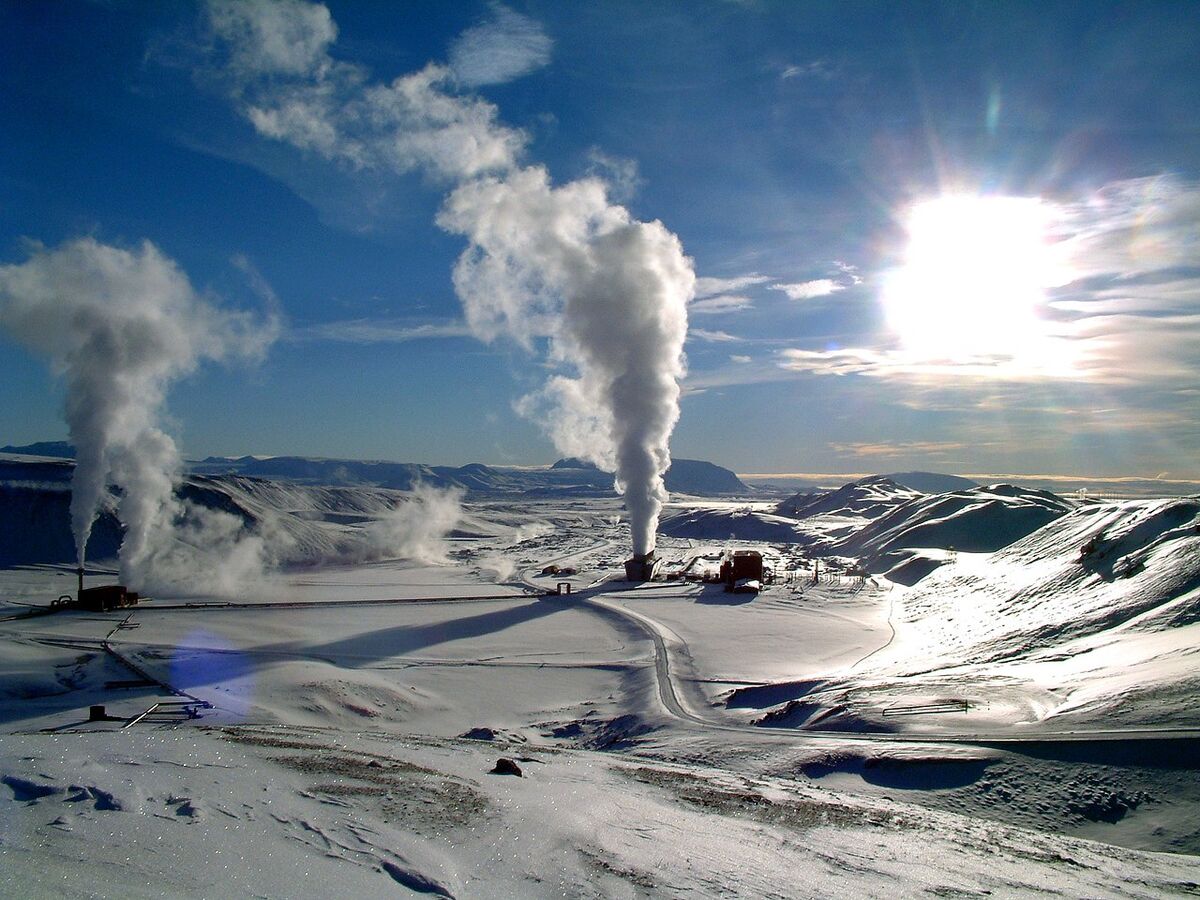
Why does Advanced Geothermal Energy matter in 2026? Enhanced Geothermal Systems (EGS) drill deep into hot, dry rock and create their own underground reservoirs, which means clean, always-on baseload power can theoretically be built almost anywhere—not just in Iceland or near natural hot springs. That makes it a strong candidate for the missing puzzle piece of a fully decarbonized grid.
We hear a lot about solar and wind power. Whenever there's a conversation about the future of clean energy, those two always steal the spotlight—and they are incredible technologies. But if you've been following the energy sector closely in 2026, you've probably noticed a massive, quiet shift happening beneath our feet—literally. For decades, geothermal energy was a niche power source that only worked in rare locations. Today, that narrative has completely flipped.
What Is the Baseload Power Problem?
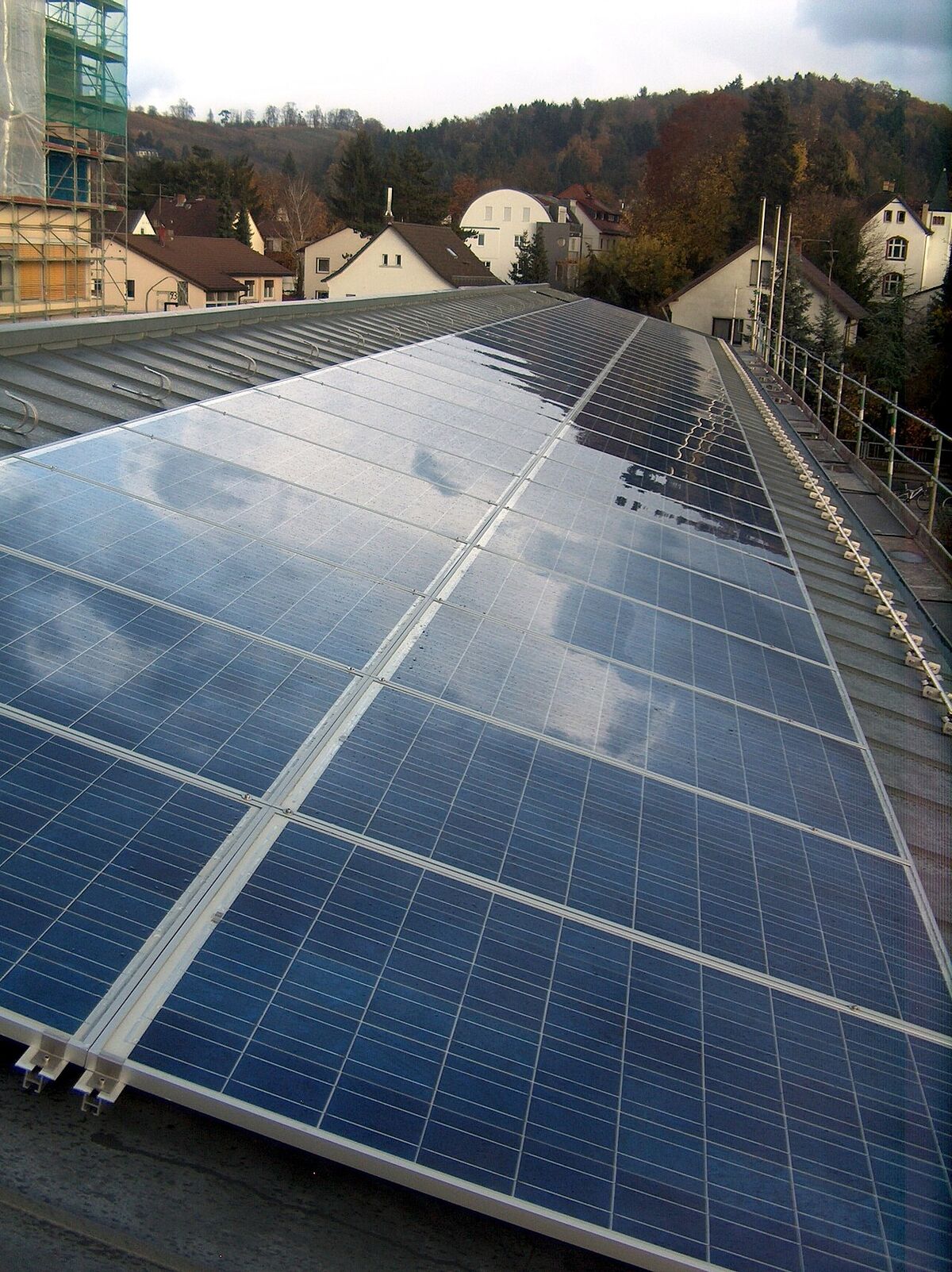
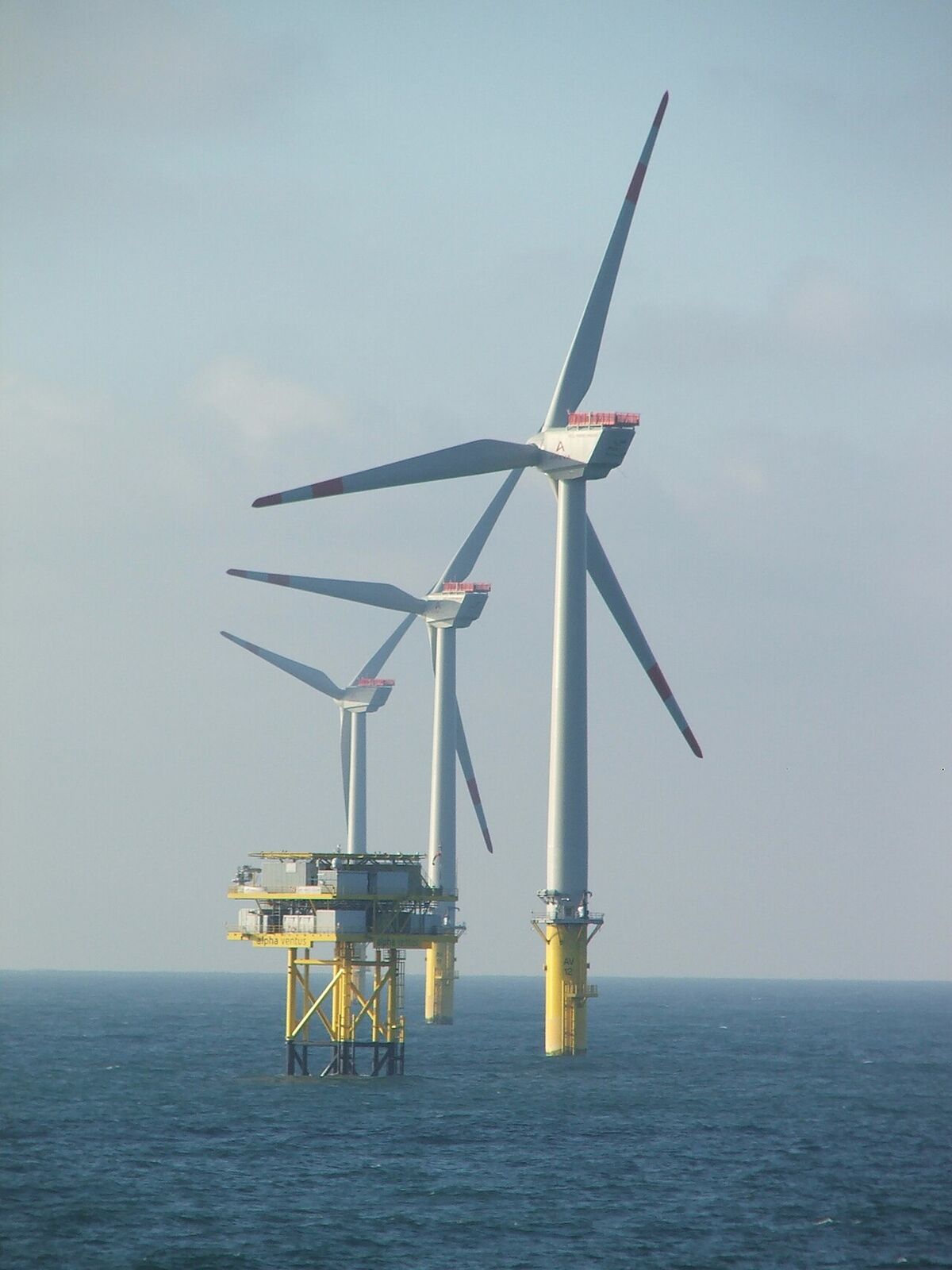
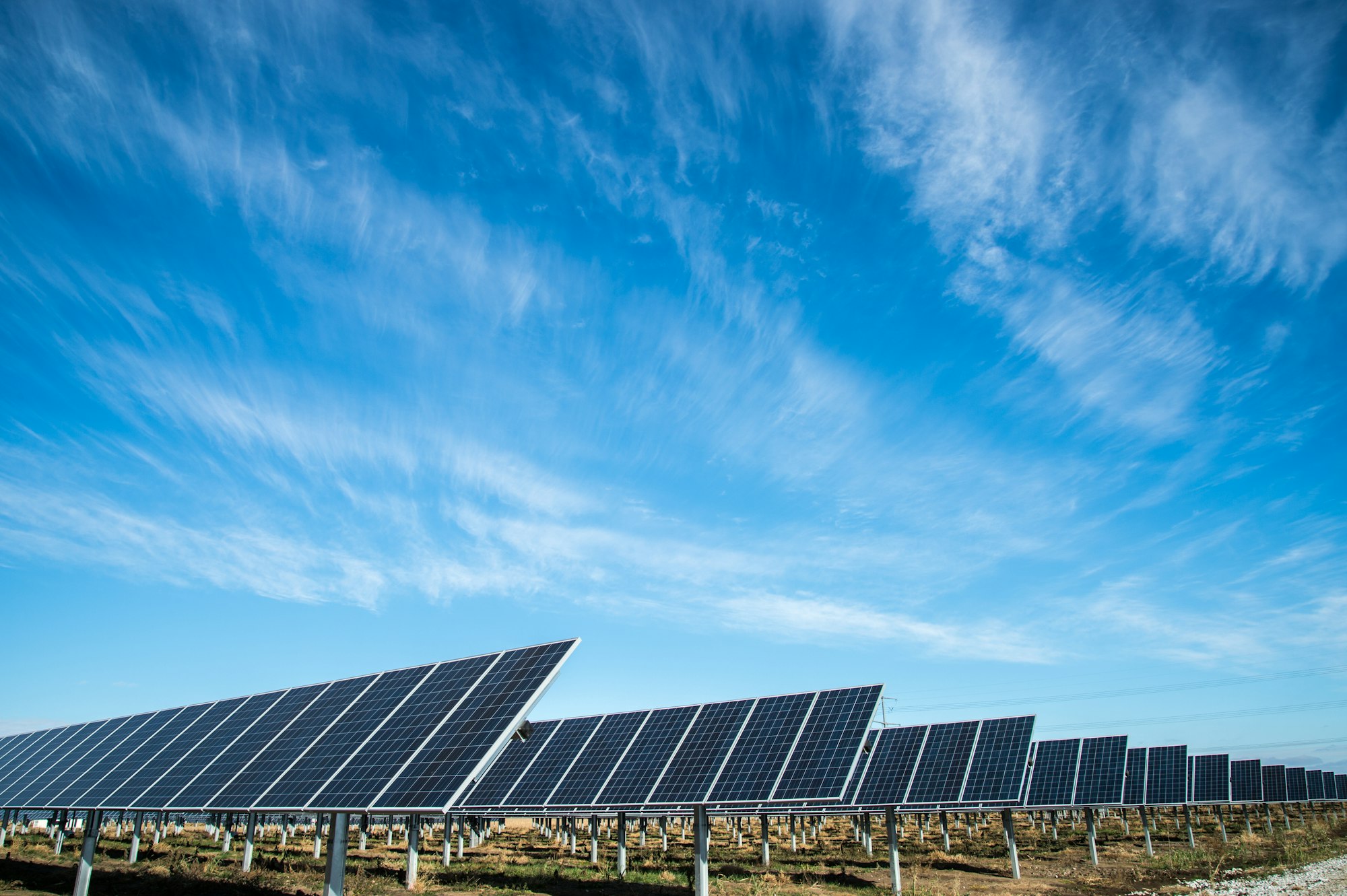
Baseload power is the constant, unwavering supply of electricity a grid needs around the clock, and solar and wind can't provide it on their own. Solar panels are fantastic during a sunny day. Wind turbines are great when the wind is blowing. But what happens at 2 AM on a calm, windless night?
Our modern grid requires a steady supply of electricity to keep hospitals running, data centers processing, and cities illuminated. Historically, this constant baseline of power was provided by coal, natural gas, or nuclear plants. Solar and wind are intermittent.
Batteries are helping bridge the gap, but grid-scale battery storage is still incredibly expensive and resource-intensive to build at the scale needed for an entire country. We need a clean energy source that is "always on." This is where advanced geothermal steps in.
How Do Enhanced Geothermal Systems (EGS) Work?
EGS creates the conditions for geothermal power instead of searching for them. Traditional geothermal energy relied on finding very specific geological conditions: you needed hot rocks, naturally occurring underground fluids, and permeable rock formations so the steam could escape and drive a turbine. Finding all three in one place is incredibly rare.
EGS removes that limitation. Here is how it works:
- Drilling Deep: Using advanced drilling techniques—many of which were ironically perfected by the oil and gas industry—companies can now drill much deeper and more affordably into the Earth's crust to reach intensely hot, dry rocks.
- Creating Permeability: Once they reach the hot rock, they inject high-pressure fluid to create tiny fractures, essentially building an underground radiator.
- Circulating Fluid: Water is pumped down into these fractures, where it is superheated by the Earth's core temperature. It then returns to the surface as steam, spins a turbine to generate electricity, and is injected back down in a closed loop.
Because we can now create the right conditions instead of just hunting for them, advanced geothermal can theoretically be deployed almost anywhere on the planet.
Why Is 2026 the Tipping Point for Advanced Geothermal?
Several breakthrough technologies have converged to make EGS practical. For a long time, EGS was too expensive and technically difficult.
We now have better drill bits capable of surviving extreme temperatures and cutting through hard granite faster than ever before. We also have advanced AI and seismic mapping tools that allow engineers to see exactly where to drill and how to create the most efficient fracture networks.
Over the past year, several massive pilot plants have come online, proving that EGS isn't just a lab experiment—it is a commercially viable source of continuous, 24/7 clean electricity.
What Does Advanced Geothermal Mean for the Future Grid?
It offers a viable path to retiring fossil fuel baseload plants without having to overbuild intermittent renewables and massive battery parks. The implications of widely available advanced geothermal are staggering.
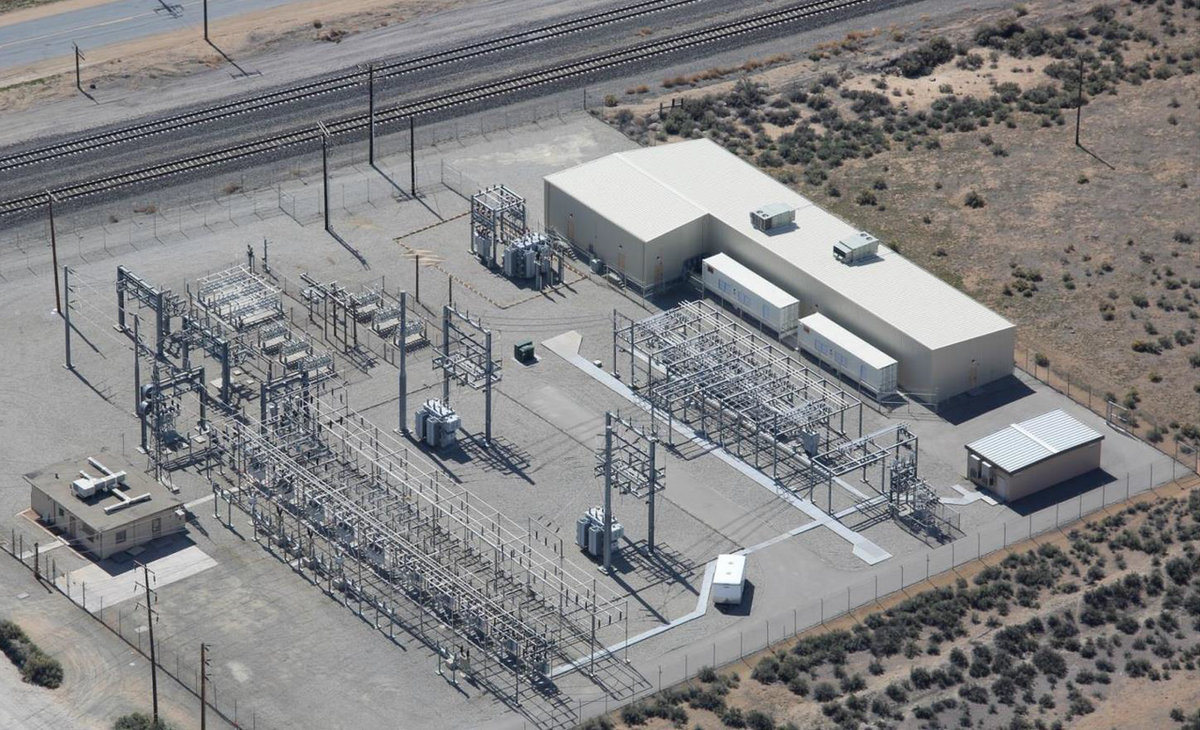
It is a silent revolution. There are no massive spinning blades on the horizon or sprawling fields of glass panels. It's just a small facility on the surface, quietly tapping into the near-infinite heat of the Earth below. As we push towards an increasingly electrified world, advanced geothermal energy might just be the unsung hero that keeps the lights on.