What a Month With a Continuous Glucose Monitor (CGM) Can Teach a Healthy Adult in 2026
- Health
- Exienent
- · Updated
A Continuous Glucose Monitor (CGM) worn for about a month can work as a short educational tool for a healthy adult: it shows, in real time, how specific meals, movement, and sleep affect your own blood sugar. It is not a diagnosis tool for non-diabetics, and the lessons may matter more than wearing the sensor permanently.
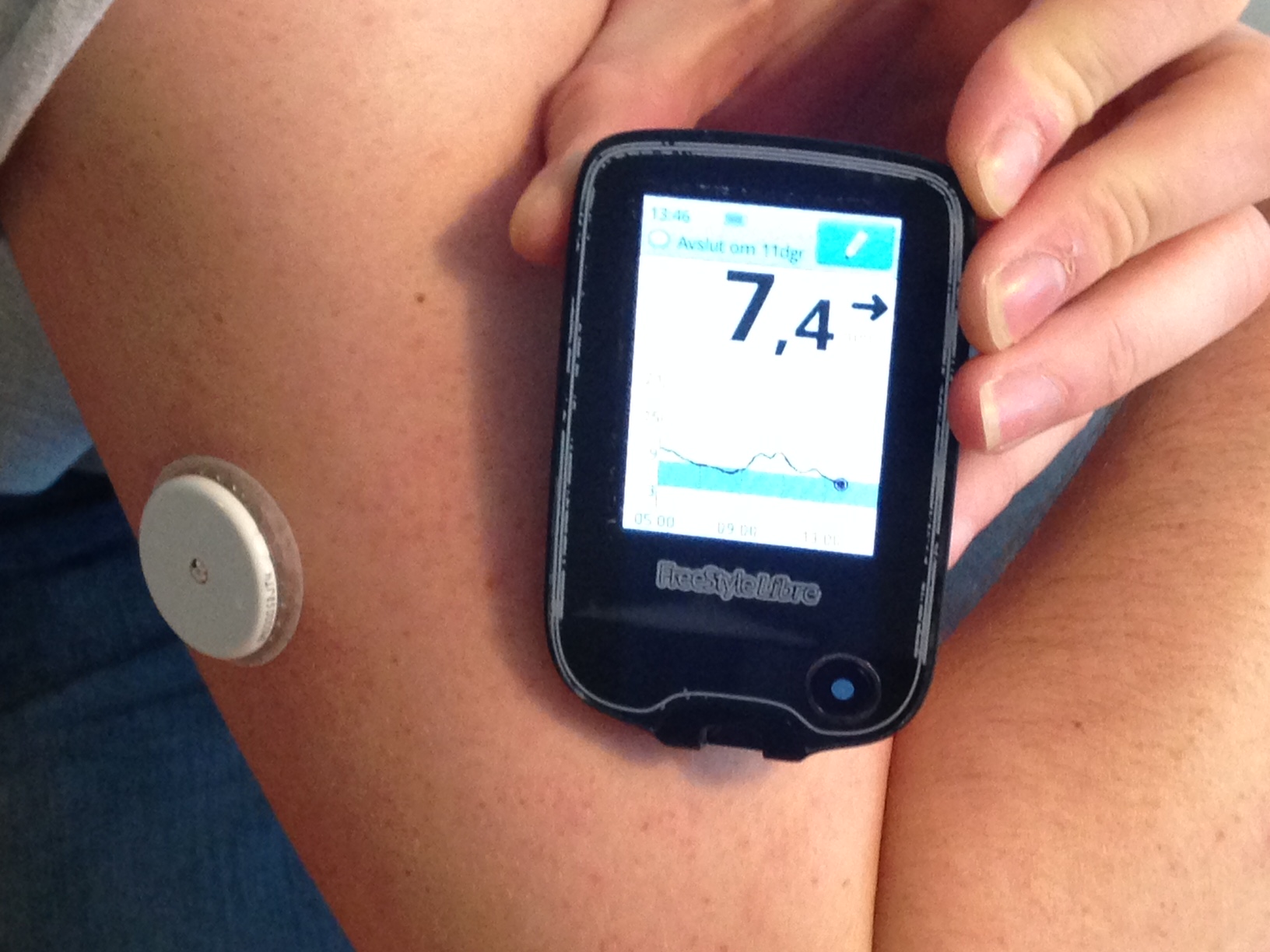
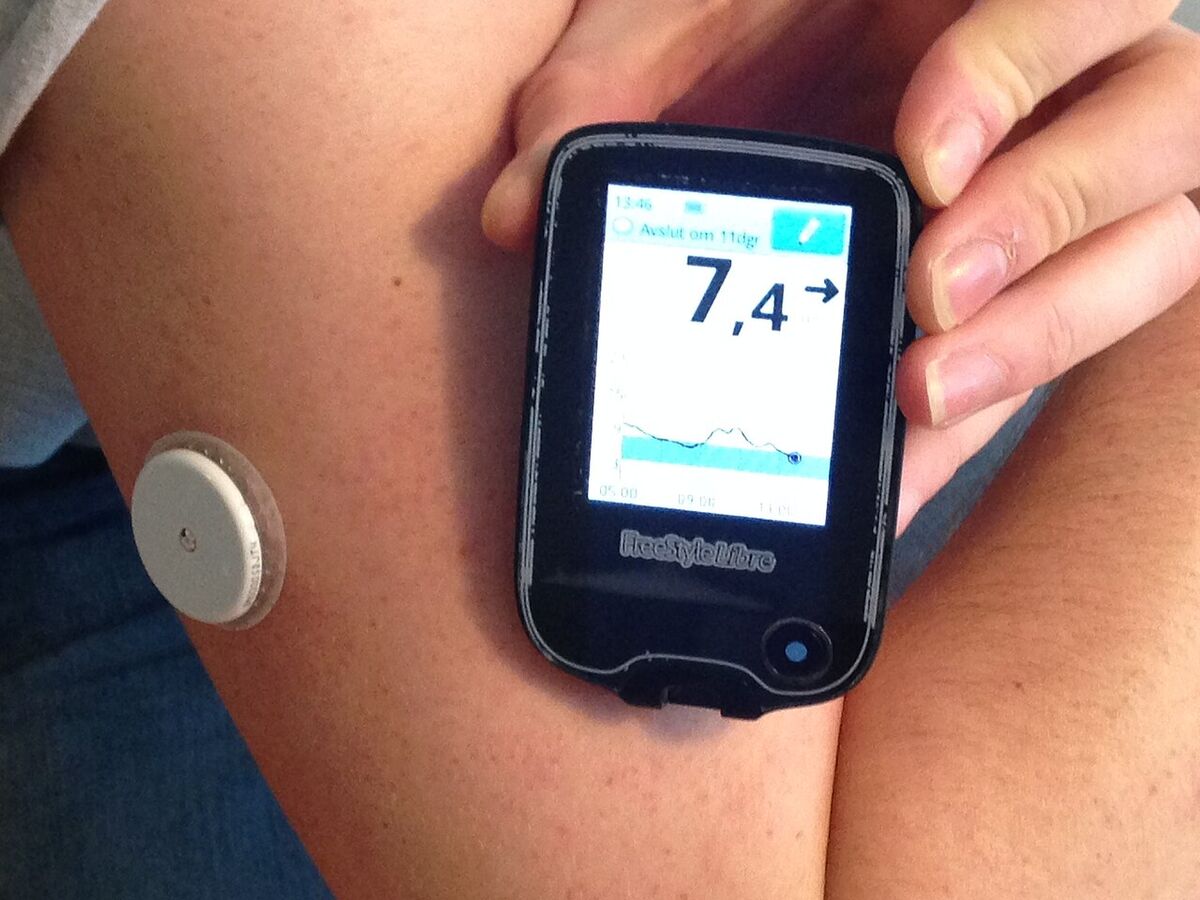
In 2026, CGMs have crossed over from strict medical devices into mainstream wellness trackers, and the little white disc on someone's triceps has become a familiar sight in gyms. The appeal for biohacking is easy to understand. Someone who exercises, eats their greens, and sleeps reasonably well can still hit an afternoon energy dip and wonder whether food is part of the story. A CGM is one way to look for an answer with data instead of guesswork.
This guide walks through what a month of wearing one can look like, what it may reveal, and whether it is worth the subscription.
How Hard Is It to Start Wearing a CGM?
Getting started is now fairly easy. A few years ago, you had to jump through hoops and get a doctor's prescription, but several health-tech companies now offer consumer-friendly CGM subscriptions.
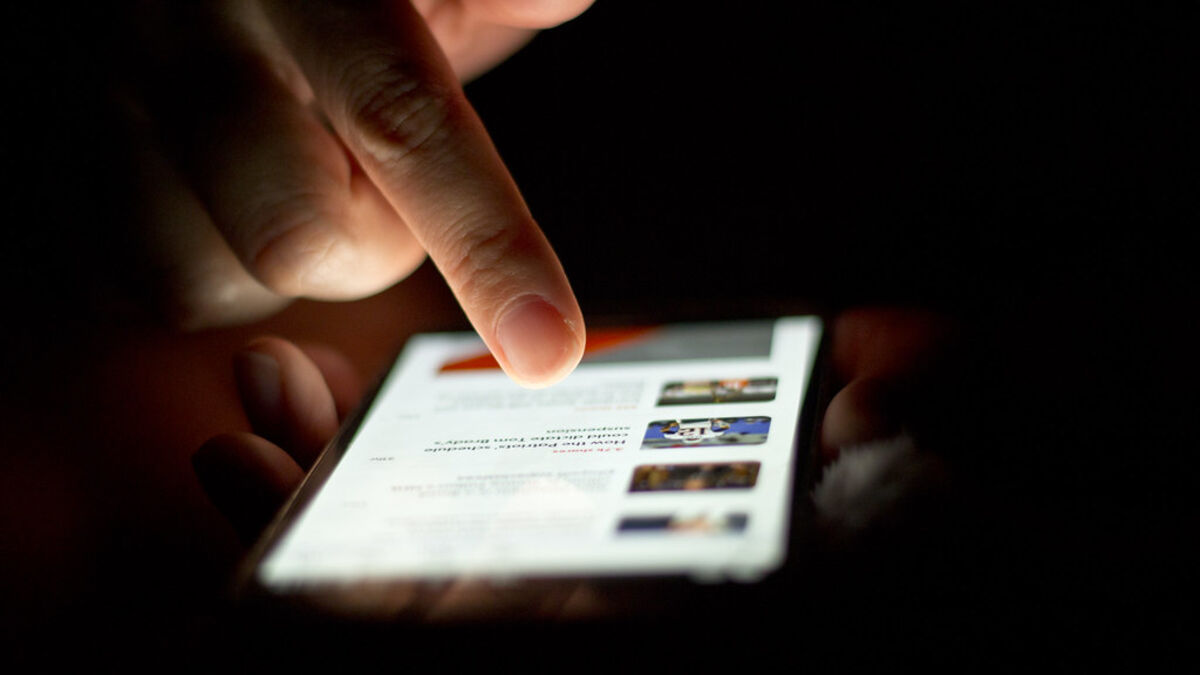
Application looks intimidating in videos, because a small needle goes into your arm, but it can feel like little more than a tiny rubber band snap. Once the sensor is on, it pairs with a smartphone via Bluetooth, and you get a real-time dashboard of your blood sugar levels that updates every few minutes.
Can a "Healthy" Breakfast Cause a Glucose Spike?
Yes, it can. A CGM may show that a breakfast you consider healthy produces a sharp rise in blood sugar.
Take a large bowl of steel-cut oats with a generous handful of raisins, a sliced banana, and a drizzle of honey, alongside a black coffee. It sounds like a champion's breakfast, but the dried fruit, banana, and honey stack a lot of fast carbohydrates on top of the oats.
For some people, a meal like that can send glucose up to levels the app flags in red, followed by a drop later in the morning. As the old saying goes, what goes up must come down. That dip may line up with feeling lethargic, cranky, and craving more sugar, the kind of "blood sugar rollercoaster" a CGM makes visible. Your own response may differ, which is exactly why the personal data is the point.
Which Habits Can Flatten a Glucose Curve?
The real value of wearing a CGM isn't just seeing the data; it's the ability to run quick experiments on your own body and see the result within hours. A few experiments are worth trying:
- Clothing Carbohydrates: "Clothing" your carbs means not eating them alone. A piece of bread on an empty stomach may spike your glucose, while the same bread eaten after a small salad with olive oil, or alongside a handful of almonds, may produce a much smaller rise. Fat and fiber can slow down glucose absorption.
- The Post-Meal Walk: If you eat a heavy, carb-rich meal (like a big plate of pasta) and immediately sit on the couch, blood sugar can surge. A brisk walk around the block right after the same meal may blunt that spike, because working muscles use glucose for energy before it builds up in the bloodstream.
- Apple Cider Vinegar: A tablespoon of apple cider vinegar in a tall glass of water before a carb-heavy meal may blunt the glucose response for some people. It sounds like an old wives' tale, and a CGM lets you check whether it does anything for you.
Can a Flatter Glucose Curve Change How You Feel?
It may. After a few weeks of experimenting, the jagged mountains and deep valleys on the app can give way to gentler, rolling hills.
Steadier glucose may coincide with fewer afternoon slumps, less "hangry" irritability before dinner, and better focus during deep work. These are personal impressions rather than guaranteed effects, and energy also depends on sleep, stress, and many other factors. If you have persistent fatigue, a doctor is a better first stop than a gadget.
Is a CGM Worth It for a Healthy Person?
I think it can be worth it, but probably not forever. I don't think a healthy person needs to wear a CGM 365 days a year; it works best as a powerful educational tool.
In a single month, you can learn how your body reacts to specific foods and activities. You might find that white rice sends your glucose much higher than potatoes do, or that a short night of sleep leaves your baseline glucose running higher the next day.
Once you have that personalized data, you can build a lifestyle around it. You don't need the sensor to tell you to take a walk after dinner once the walk has become a habit.
If you're curious about afternoon crashes or want to understand your nutrition with hard data, trying a CGM for a month in 2026 can be an eye-opening experiment. It takes some of the guesswork out of eating and gives you a rough user manual for your own metabolism, as long as you treat it as information rather than medical advice.