Why Wired Earphones Are Worth Switching Back To
- Lifestyle
- Exienent
- · Updated
Why would anyone go back to wired earphones? Because they solve the everyday annoyances of wireless earbuds: no battery to charge, almost nothing to lose, no Bluetooth audio lag, and a visible cord that tells people you are listening. Wireless still makes sense at the gym, but for daily listening, wired is a practical choice.
Swapping high-end, noise-canceling wireless earbuds for a pair of old, white wired earphones can start for a lazy reason, like not charging the wireless pair for a couple of days. Friends may ask why you'd voluntarily go back to the "inconvenience" of tangled cords when everyone else is living that wireless life. Here are the real, practical reasons the switch can stick.
Do wired earphones end battery anxiety?
Yes, because wired earphones don't have a battery at all. With wireless earbuds, there is always this low-level anxiety about how much juice you have left. We've all been there—you're jamming out on your commute, and suddenly you get that dreaded "low battery" chime. If you forgot to charge the case the night before, you're stuck listening to the unfiltered noise of the world all day.
With wired earphones, you just plug them into your phone, and boom, instant music. It sounds so simple, but this one fact can remove a lot of daily stress. There is no need to check whether the earbud case is plugged in before you go to sleep.
Why is a visible cord actually useful?
A visible cord is a clear signal that says "I'm listening to music." It's an unexpected perk.
Modern wireless earbuds are so small and discreet that it's often hard to tell if someone is wearing them, especially from a distance. That leads to awkward situations where someone tries to talk to you, and you just walk right past them because you can't hear a thing.
When a white wire trails from your ear down to your pocket, the message is undeniable: "I have headphones in." That can help minimize unwanted interruptions when you're on the subway or trying to focus in a cafe.
Are wired earphones harder to lose?
Yes, wired earphones are much harder to lose than wireless buds. Have you ever dropped a single wireless earbud and watched in horror as it rolled toward a storm drain? Or spent 10 minutes crawling on the floor of a bus trying to find one? They are incredibly easy to lose, and replacing a single bud is painfully expensive.
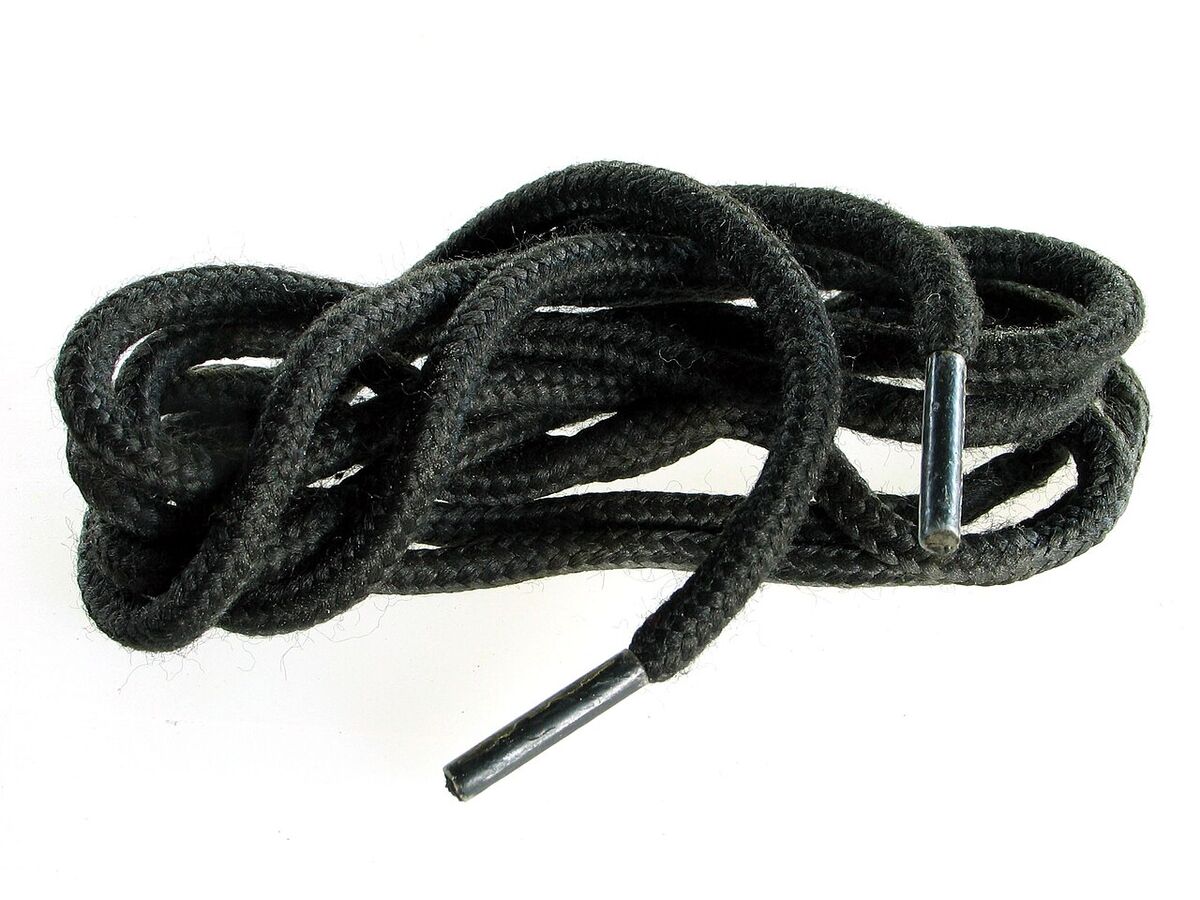
If a wired earphone falls out of your ear, it just dangles there. It's physically attached to your phone, making it nearly impossible to lose just one. Sure, untangling the cord when you pull them out of your pocket can be mildly annoying, but even that has a sort of tactile, analog charm to it. You can toss them in your bag without a second thought.
Do wired earphones have better sound and less lag?
Wired earphones have no Bluetooth lag, and the connection stays consistent. No matter how good Bluetooth gets, the stability of a hardwired connection is hard to beat. If you play rhythm games or watch a lot of YouTube where you need to see people talking, you know exactly what I mean—that tiny, frustrating audio lag you sometimes get with wireless is completely nonexistent with wires.
The microphone can also be better for calls. Wireless buds tend to pick up background noise, while with a wired set you can physically hold the microphone closer to your mouth, which can make your voice sound much clearer to the person on the other end.
Are wired earphones actually cool again?
I think they are. In a world completely saturated with cutting-edge tech, there is something oddly "hip" and distinct about choosing a wired connection. It's a bit of a retro vibe.
Of course, if you're hitting the gym or carrying a bunch of heavy bags, wireless is still the way to go. But for everyday life, if you just want to sink into your music without worrying about batteries or losing a tiny piece of plastic, try digging your old wired earphones out of the drawer. You might find the experience surprisingly refreshing.