Tech trends 2026
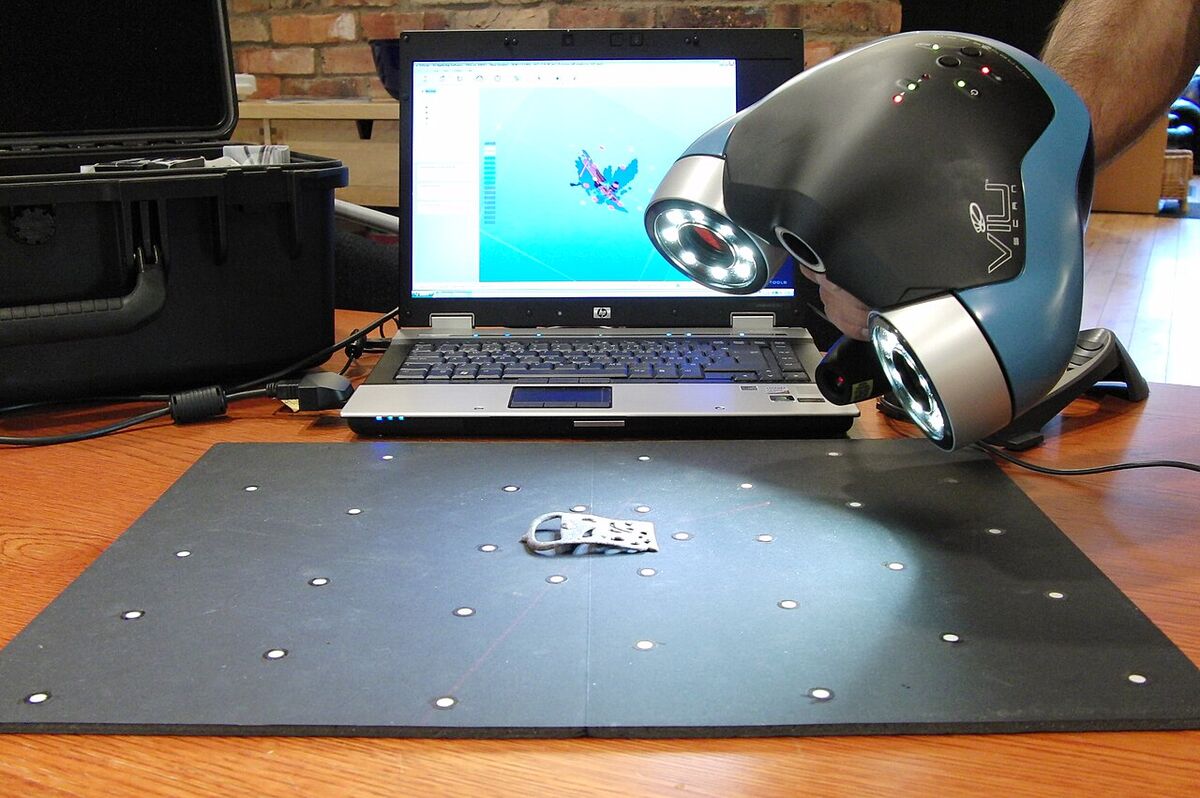
Ditching 2D Photos for 3D Gaussian Splatting: Is This the Future of Memories?
Phone apps like Scaniverse now build photorealistic 3D Gaussian splats on the device. Great for rooms and static scenes, but moving subjects and sharing lag photos.
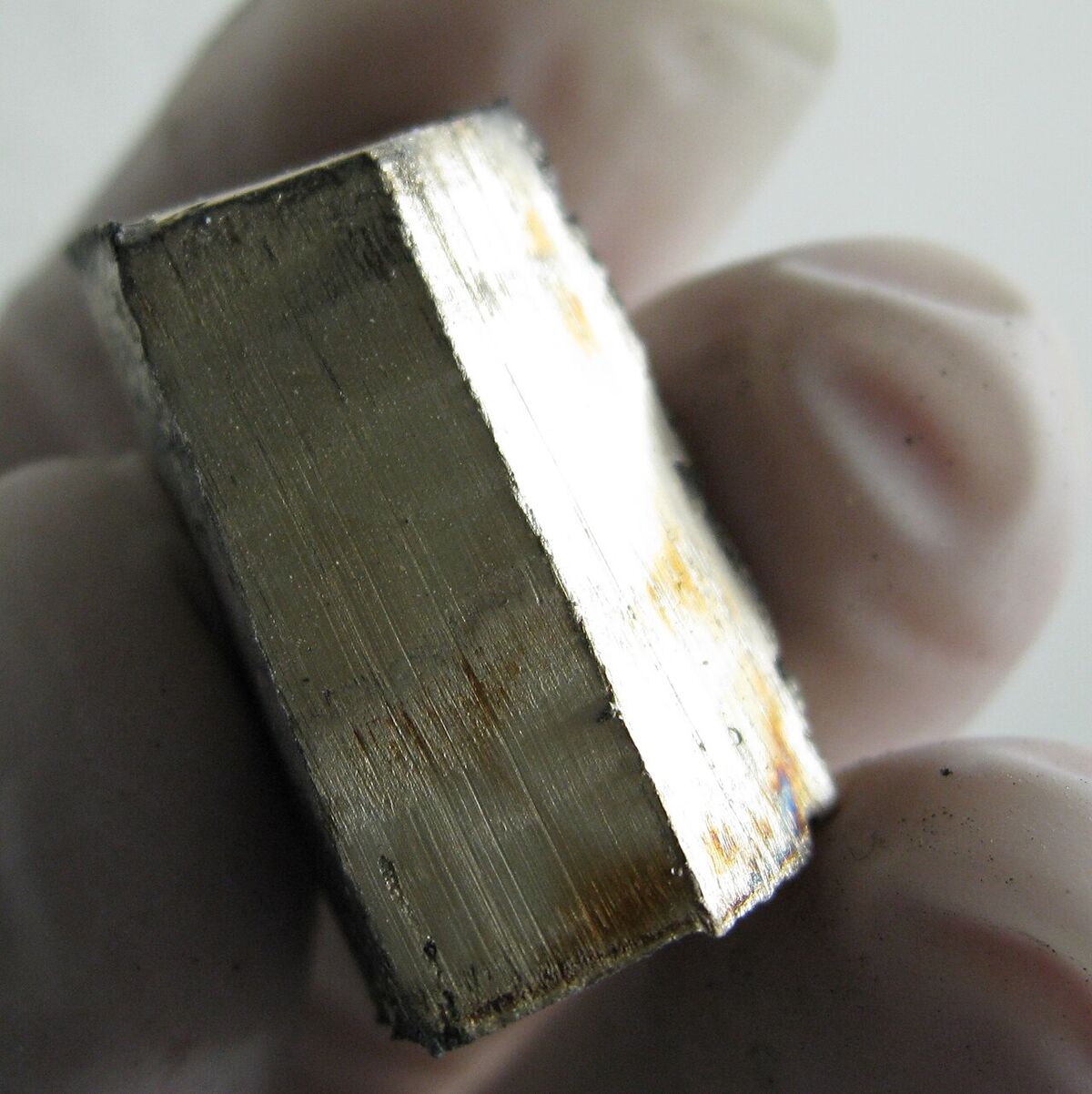
Direct Lithium Extraction in 2026: What It Is and How Far It Has Come
DLE pulls lithium from brine in about a week instead of 12 to 18 months of evaporation, with around 90% recovery claimed. Water use and slow scale-up remain issues.

Why Writers Are Ditching Laptops for Cyberdecks: The Ultimate Distraction-Free Writing Device in 2026
A writer's cyberdeck is a single-purpose, offline device that boots straight into a text editor, removing the tabs and alerts that break deep focus.
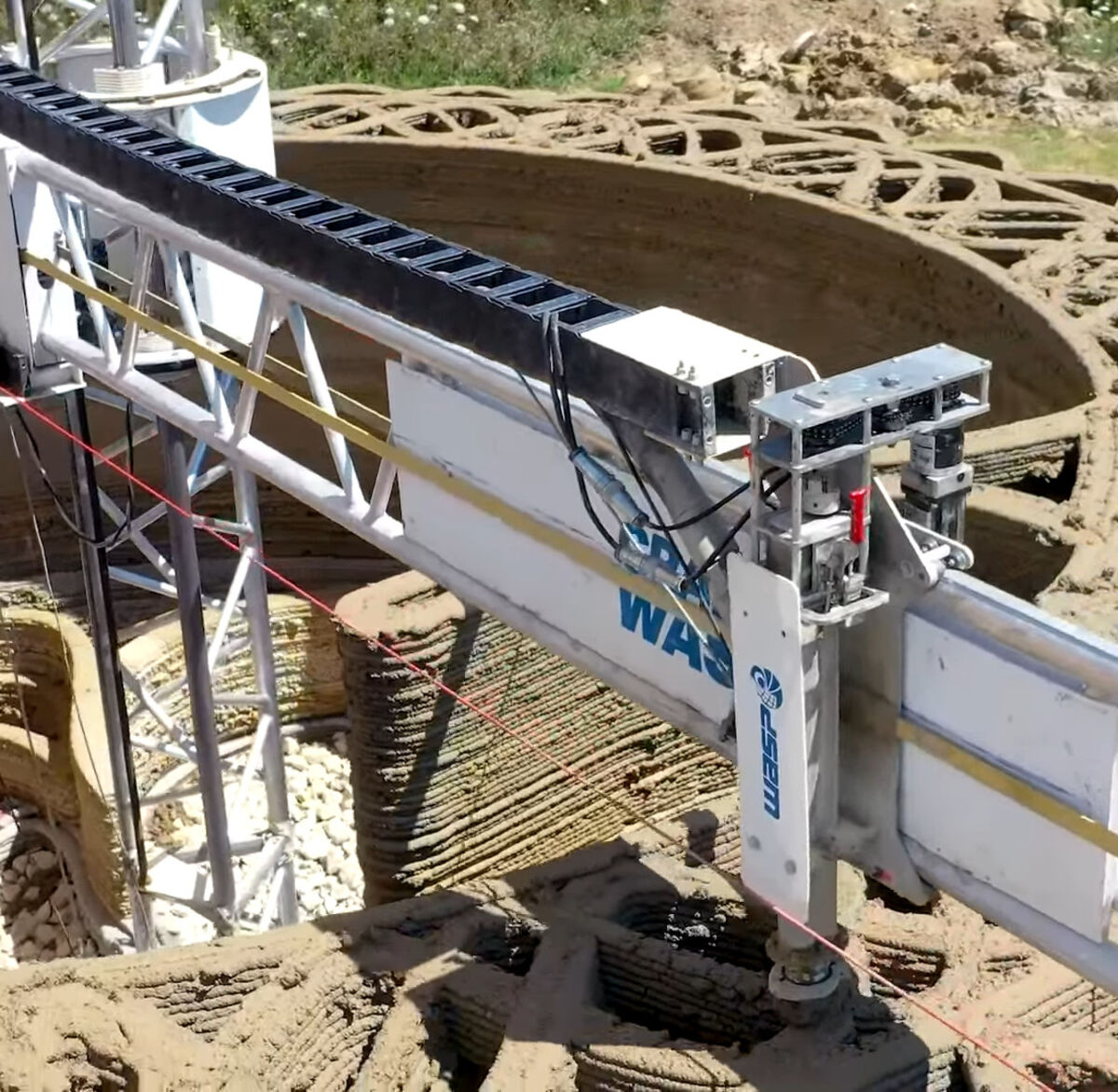
The Reality of 3D Printed Houses in 2026: Affordable Housing or Just a Gimmick?
3D printers now build real neighborhoods, like 100 homes in Texas, but they print only the walls. Prices, permits and land keep them from fixing housing costs.

Lab-Grown Diamonds in 2026: Real Diamonds at a Fraction of the Price
Lab-grown diamonds share the chemistry and hardness of mined stones, but their prices have collapsed. What GIA says, why De Beers quit, and what to check first.

AI Security Platforms: The New Shield in the Era of Autonomous AI Agents
AI security platforms monitor AI use, enforce policies and guard against prompt injection and rogue agents. They cut risk but can't fully stop injection.

The Reality of AI Supercomputing Platforms: The Great Bottleneck of Enterprise AI in 2026
Gartner's AI supercomputing platforms mix GPUs, ASICs and other chips. For most firms the hard limits are compute cost, power and cooling, not the AI model.
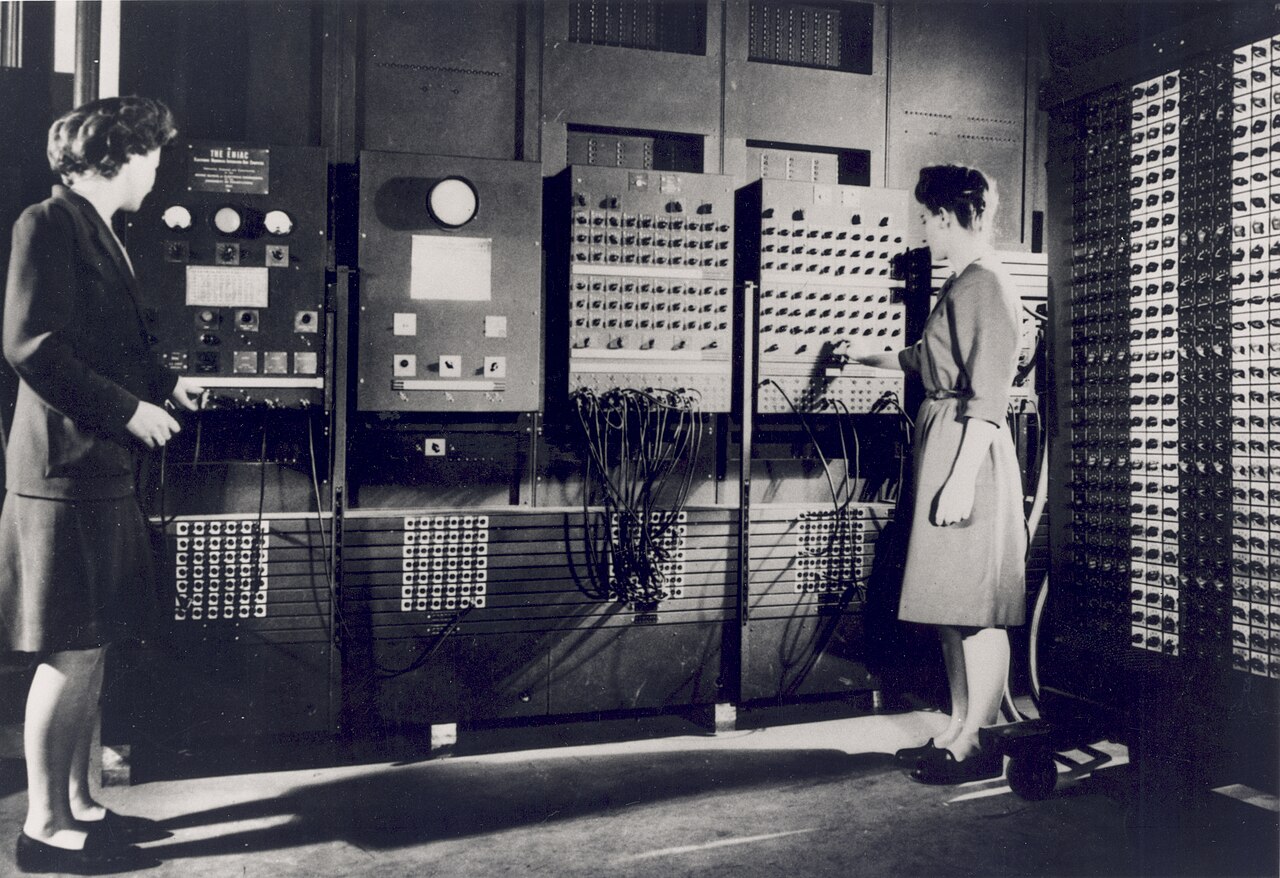
AI-Native Development: The End of Traditional Coding as We Knew It
AI-native platforms let AI draft code, tests and pipelines across a whole repo. Gartner expects smaller teams; the evidence on speed is still mixed.

Machine Customers: When AI Starts Shopping for You
Machine customers are AI agents and devices that buy on your behalf. Checkout tools from OpenAI and Google exist, but they are early and still need guardrails.
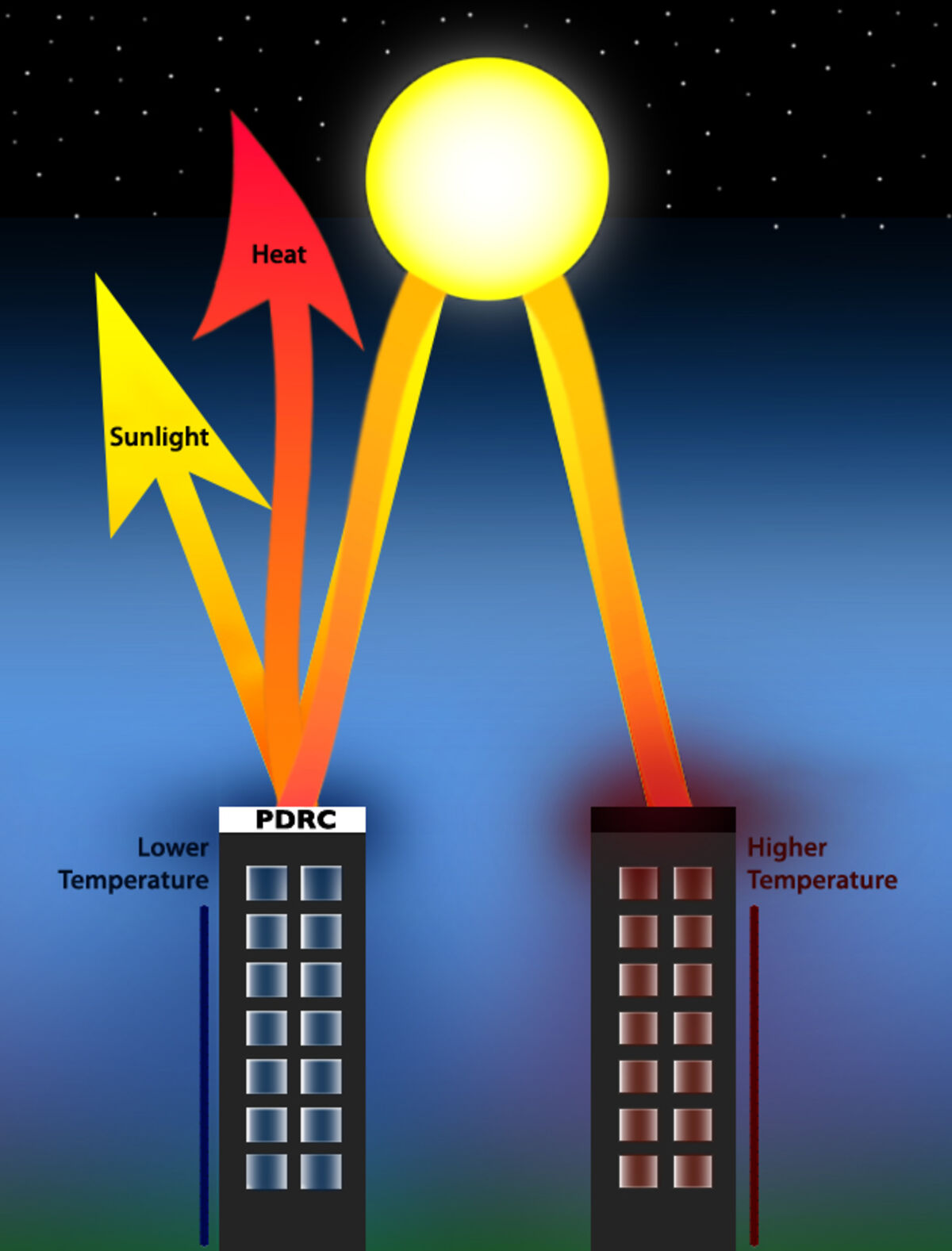
Passive Radiative Cooling Paint for Your Roof: Can It Replace Your AC?
Lab paints reflect up to 98.1% of sunlight and can cool below air temperature, but they won't replace AC. What cool roofs really save and where they work best.

Animal-Free Dairy Made With Precision Fermentation: Can It Replace Milk and Cheese?
Precision fermentation makes real milk proteins without cows. Animal-free whey is on sale; casein, key to melting, stretchy cheese, is still in FDA review.
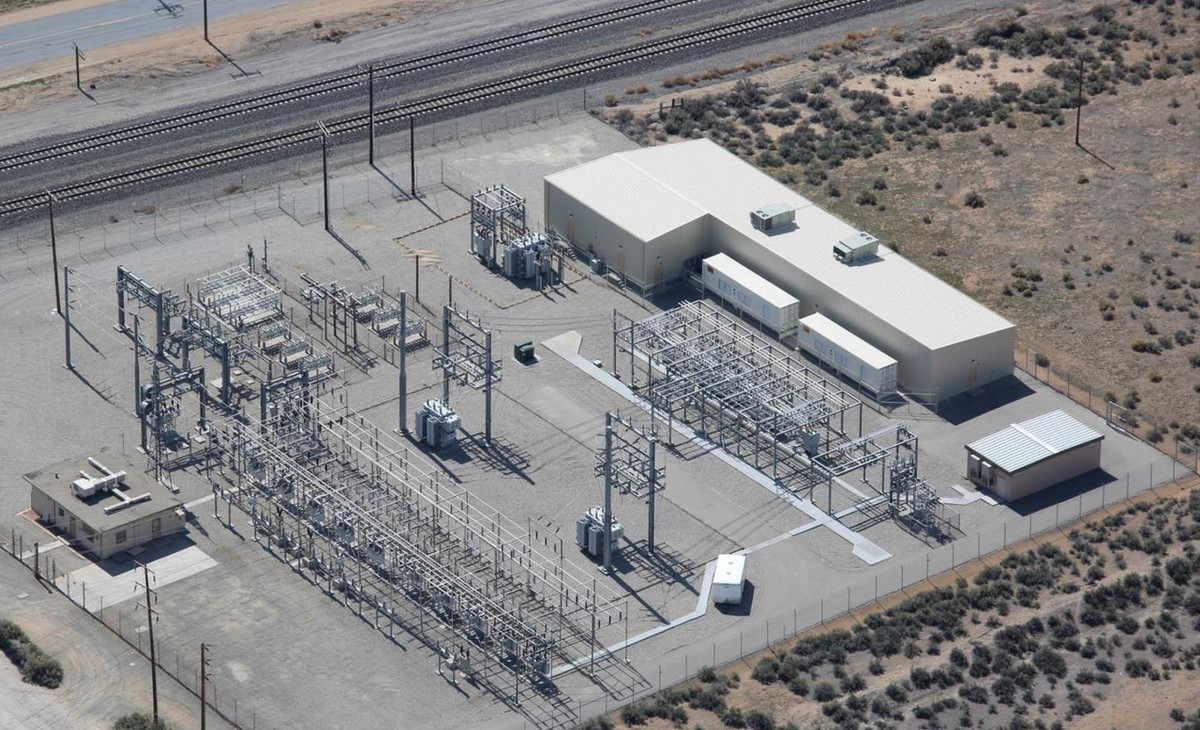
Sodium-Ion Batteries in 2026: Can Salt Really Challenge Lithium?
CATL's Naxtra sodium-ion cells reach 175 Wh/kg, near LFP, and claim 90%+ capacity at -40°C. First cars use them in 2026, but cheap LFP stays a hurdle.
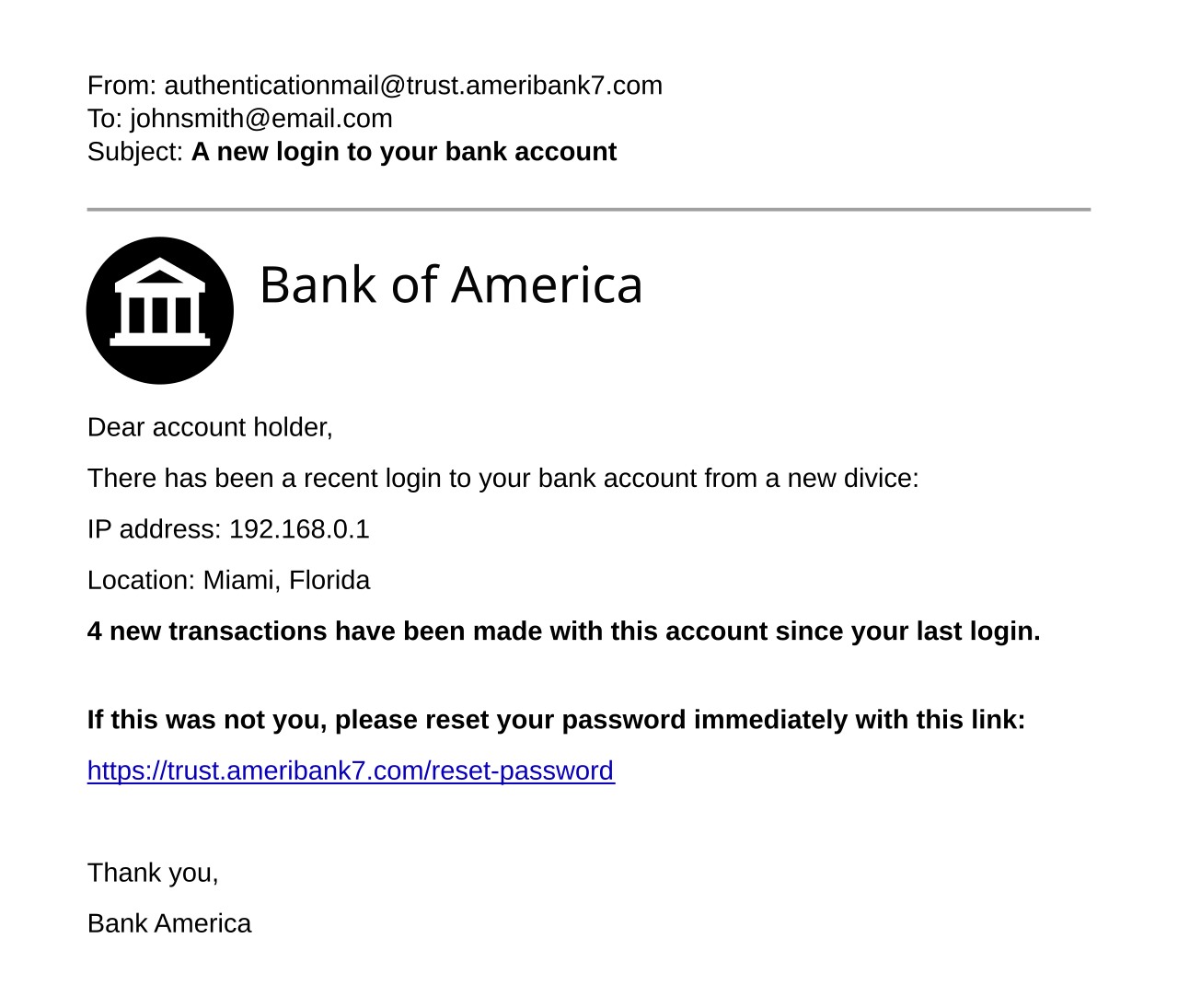
The Chilling Reality of AI Voice Scams: How to Protect Yourself in 2026
Scammers can clone a loved one's voice from seconds of public audio. A family safe word, hanging up to verify, and a smaller audio footprint help protect you.

The Silent Revolution: How AI Voice Cloning is Changing Audio in 2026
AI voice cloning now sounds human, reshaping audiobooks and voice acting and fueling scams, as watermarks and Content Credentials try to show what's real.
Enterprise Agentic AI: From Prompting to Delegating in 2026
Coding agents in 2026 can take a task, change code, run tests and open a pull request on their own, but developers still fully delegate only a small share of work.

The Rise of Polyfunctional Robots: Why Single-Task Machines Are Giving Way
Polyfunctional robots do more than one task and work alongside people. Gartner named them a top 2025 trend; AI, vision and simulation are what make them possible.
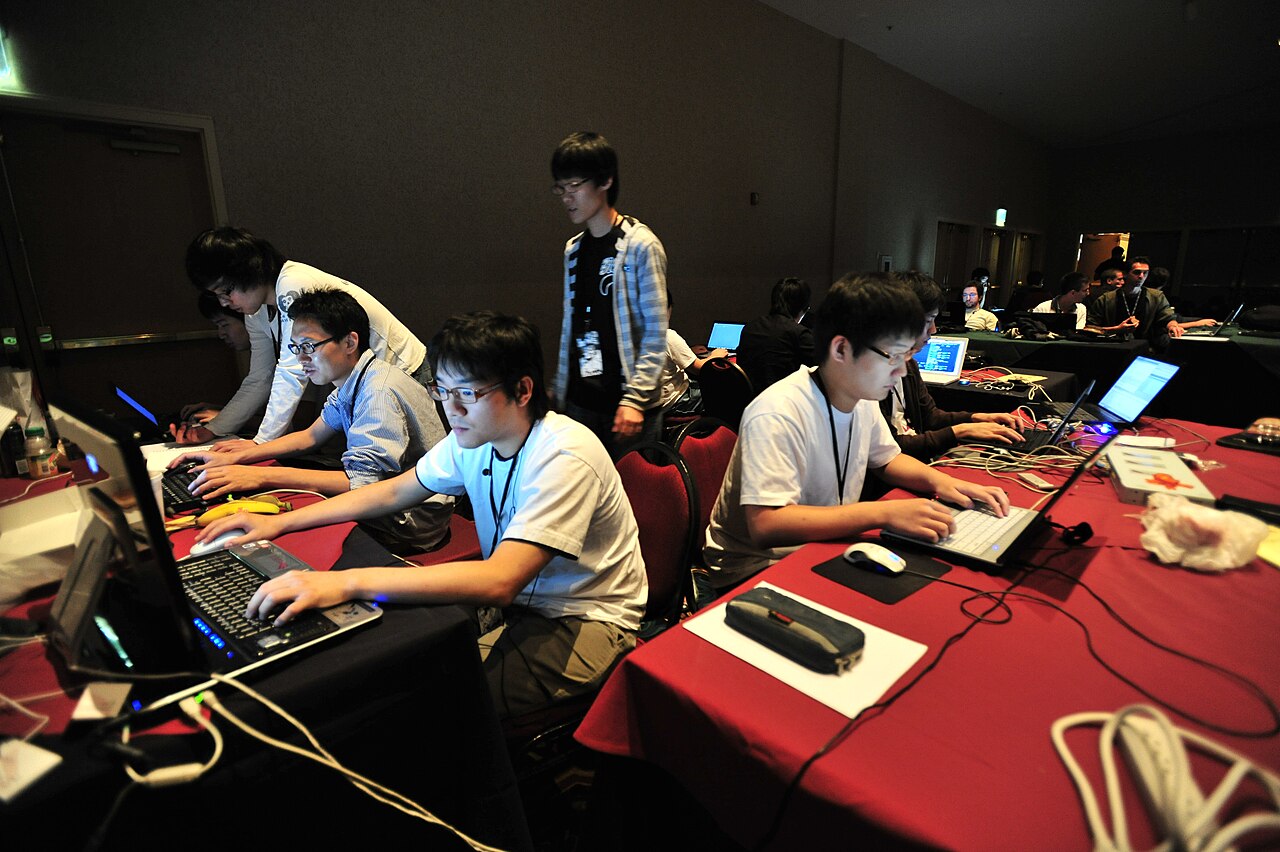
What Is Preemptive Cybersecurity, and Why Gartner Calls It a Top 2026 Trend
Preemptive cybersecurity stops attacks before they land, using predictive threat intel, deception and moving target defense. Gartner expects 50% of spend by 2030.

Sovereign AI: Why Enterprises and Nations Are Reclaiming Their Tech Stacks in 2026
Sovereign AI means building and running AI on infrastructure, data and talent you control. Why nations and companies want it, what EU rules require, and the costs.

The Reality of Brain-Computer Interfaces: Where Neuralink and BCI Tech Stand in 2026
BCIs are still clinical-trial devices in 2026: Neuralink had 21 implant patients by February, while Synchron and Precision take less invasive routes.

The Explosion of Robotaxis: Why 2026 is the Turning Point for Autonomous Vehicles
Waymo hit 400,000 paid rides a week in early 2026 and aims for 1 million by year-end, using lidar and detailed maps. Tesla's camera-only service is far smaller.

Digital Provenance: How We Will Verify Truth in the 2026 AI Era
Digital provenance attaches a signed history to photos and videos via C2PA Content Credentials. Pixel 10 signs every photo, and EU AI labeling rules apply in 2026.

Are Humanoid Robots Actually Ready to Do Our Laundry in 2026?
Home humanoids like 1X NEO went on sale for $20,000 with 2026 delivery, but they still lean on remote human experts for new chores. Here's what they can do.
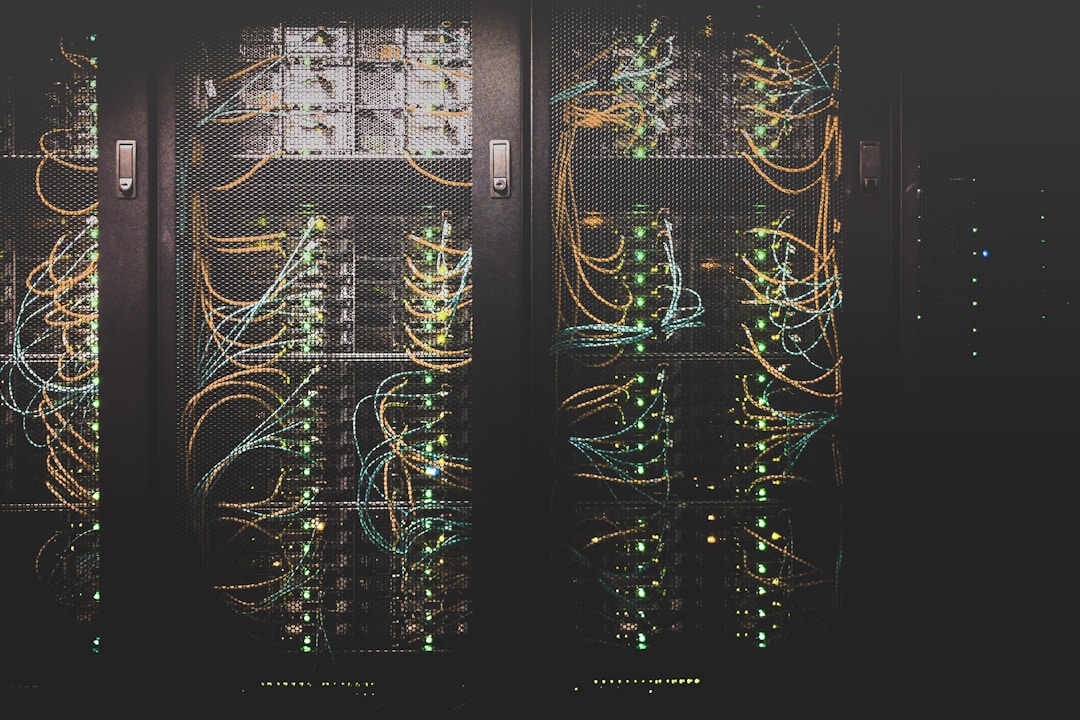
The Rise of Inference Economics: How Specialized Hardware Can Slash Your Cloud Computing Bill in 2026
LLM decoding is memory-bound and leaves GPU compute idle. Batching, smaller quantized models, per-token APIs and inference chips cut what you pay to serve AI.

Replacing SaaS Subscriptions with n8n and AI Agents: What Works and What Breaks
Self-hosted n8n with AI Agent nodes can take over support triage and content scheduling for a small team, but its license isn't open source and agents need human review.