Mental health

Digital Immortality and Grief Tech: Healing or Prolonging Pain?
Grief Tech uses AI trained on a loved one's messages and voice to simulate them. Early research finds short-term comfort for some, plus risks of dependency.
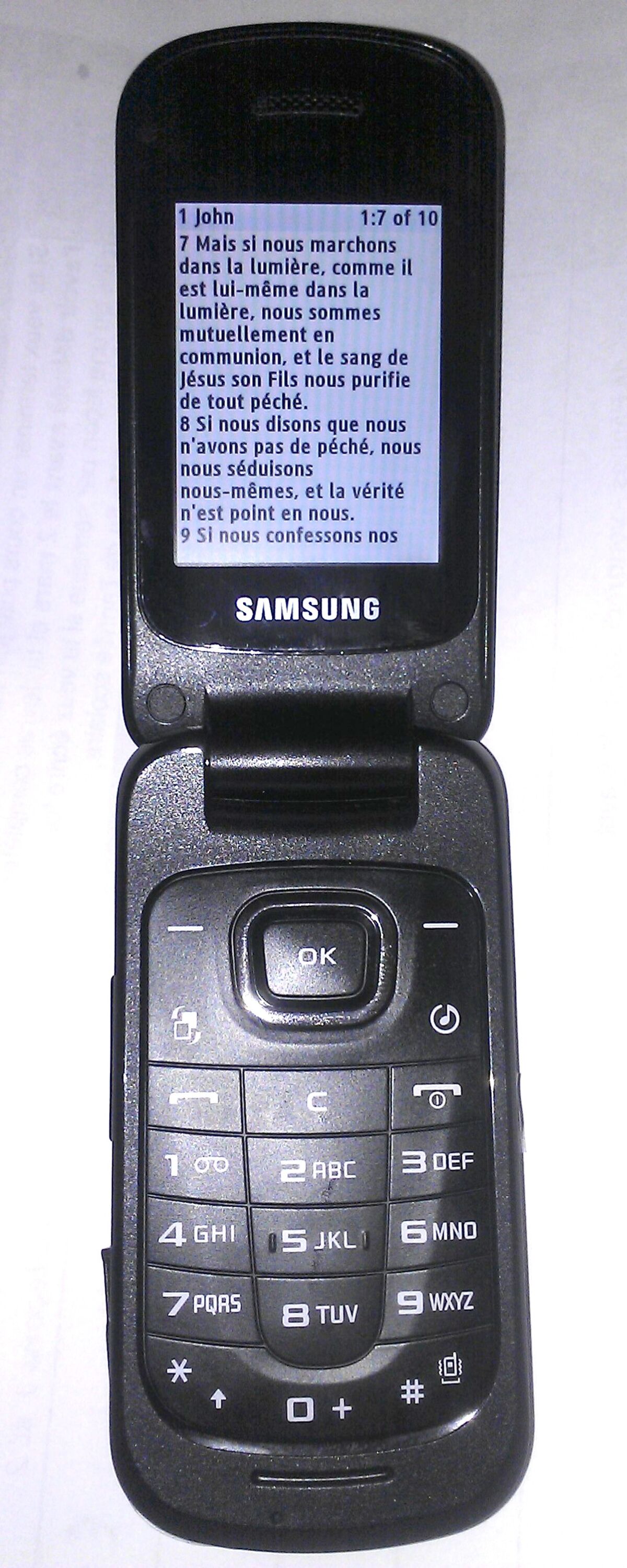
Why People Are Trading Smartphones for 'Dumb Phones' in 2026
Switching to a basic dumb phone can bring back focus and better conversations, but it costs you maps, QR codes, and easy group chats. Here's the trade-off.

The Return of the 'Third Place' in 2026: Why We Need Spaces That Aren't Home or Work
Third places, the cafes, libraries and parks outside home and work, are drawing new attention as WHO links loneliness to 871,000 deaths a year.

'Silent Walking': Is the Viral Self-Care Trend Actually Worth It?
Silent walking means walking without music, podcasts or a phone. It went viral on TikTok in 2023; the walking is proven exercise, the silence a free experiment.
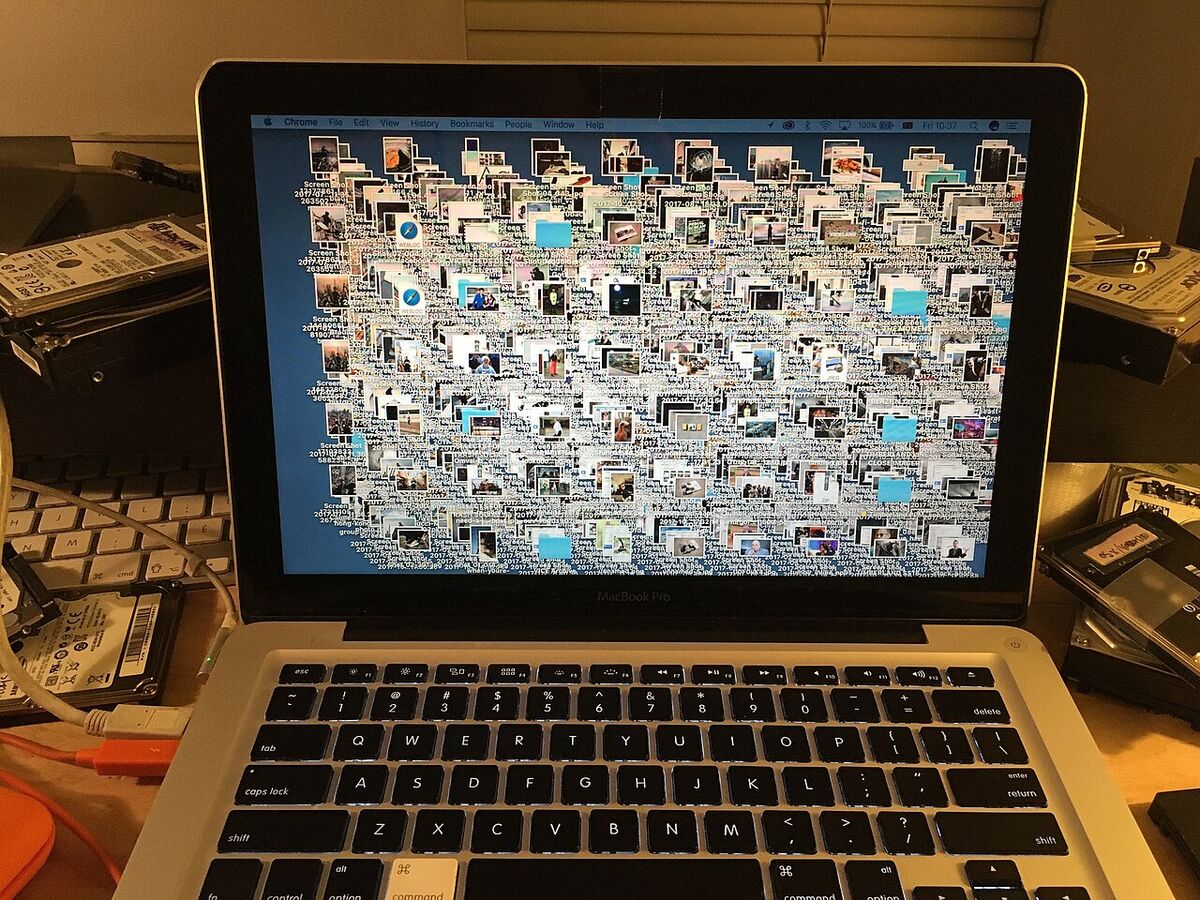
How to Do an Extreme 30-Day Digital Declutter in 2026
A 30-day digital declutter pairs a break from optional apps with a clean-up of files, email and cloud storage. Here is a week-by-week plan and why it helps.

Underconsumption Core: How to Stop Buying Things You Don't Need
Underconsumption core, a TikTok trend since 2024, means using what you own, repairing what breaks and buying less. Where it came from, its critics, and how to start.

What Is 'Raw Dogging' a Flight? The No-Screens Travel Trend and Its Health Risks
Raw dogging a flight means no screens, music, books or sleep, sometimes no food or water. Skipping screens is harmless; skipping water and movement isn't.

Quitting Coffee for Matcha: What Can Change for Your Energy and Productivity
A matcha drink usually has less caffeine than a big mug of coffee, plus L-theanine. Studies show small attention benefits, but the switch can bring withdrawal.

Switching to a 'Dumbphone' in 2026: What a 30-Day Digital Detox Involves
A month on a basic feature phone is doable with planning. Expect a restless first week; research suggests a nearby phone drains focus, but 2FA apps pull you back.

The Kidult Economy: Why Adults Are Buying Toys for Themselves
Kidults aged 12 and up now make up about 30% of US toy sales and 32% in Europe's top five markets. Here's what they buy, why, and how toy brands respond.